


Chilli farming in Kenya is one of the most profitable agricultural businesses in East Africa. The bright red peppers have gained popularity in both local and international markets, creating a great opportunity for farmers all over the country.

The demand for Kenyan chillies continues to surge, driven by:
- Growing appetite in local supermarkets and restaurants
- Rising export requests from European markets
- Increased use in food processing industries
- High demand from Middle Eastern countries
A well-managed acre of chilli farm can generate up to Ksh 300,000 every three months, making it an attractive option for both small-scale and commercial farmers. The crop’s adaptability to various Kenyan climates – from the coastal regions to the highlands – adds to its appeal as a farming venture.
The market potential extends beyond raw chilli sales. Value-added products such as:
- Dried chilli flakes
- Chilli powder
- Hot sauces
- Chilli paste
These processed items can boost profits by 50-100%, creating additional income streams for innovative farmers.
With minimal initial investment requirements and the potential for year-round production through irrigation, chilli farming represents a promising pathway to agricultural success in Kenya. This is particularly true when considering how initiatives like Royal Seedlings are supporting women and youth in agribusiness, further enhancing the sector’s growth potential.
1. Popular Chilli Varieties Grown in Kenya
Kenya’s diverse climate supports the cultivation of several chilli varieties, each with distinct characteristics and market appeal.
1. Bird’s Eye Chilli (Pili Pili)
- Heat level: 50,000-100,000 Scoville units
- Small, pointed fruits growing upward
- Ideal for dried chilli products and hot sauces
- High demand in both local and export markets
2. Habanero
- Heat level: 100,000-350,000 Scoville units
- Lantern-shaped fruits in various colors
- Popular in fresh markets and processing
- Known for its citrusy, fruity flavor profile
3. Red Chilli
- Moderate heat level: 30,000-50,000 Scoville units
- Long, slender fruits with bright red color
- Versatile use in cooking and processing
- Preferred by local restaurants and households
4. Jalapeno
- Mild heat level: 2,500-8,000 Scoville units
- Thick-walled, cylindrical green fruits
- Used fresh in salads and Mexican cuisine
- Growing demand from urban restaurants
5. Bullet Chilli
- Heat level: 15,000-30,000 Scoville units
- Short, bullet-shaped fruits
- Excellent for pickling and fresh consumption
- Popular in coastal regions and tourist areas
These varieties adapt well to Kenya’s growing conditions. Interestingly, the same diverse climate that supports these chilli varieties also allows for the successful cultivation of other crops such as avocados – a step-by-step guide to starting an avocado orchard in Kenya – and apples – choosing between local and imported apple varieties for Kenyan climates. Each type of crop finds its niche in different market segments and culinary applications.
2. Ideal Growing Conditions for Chillies in Kenya
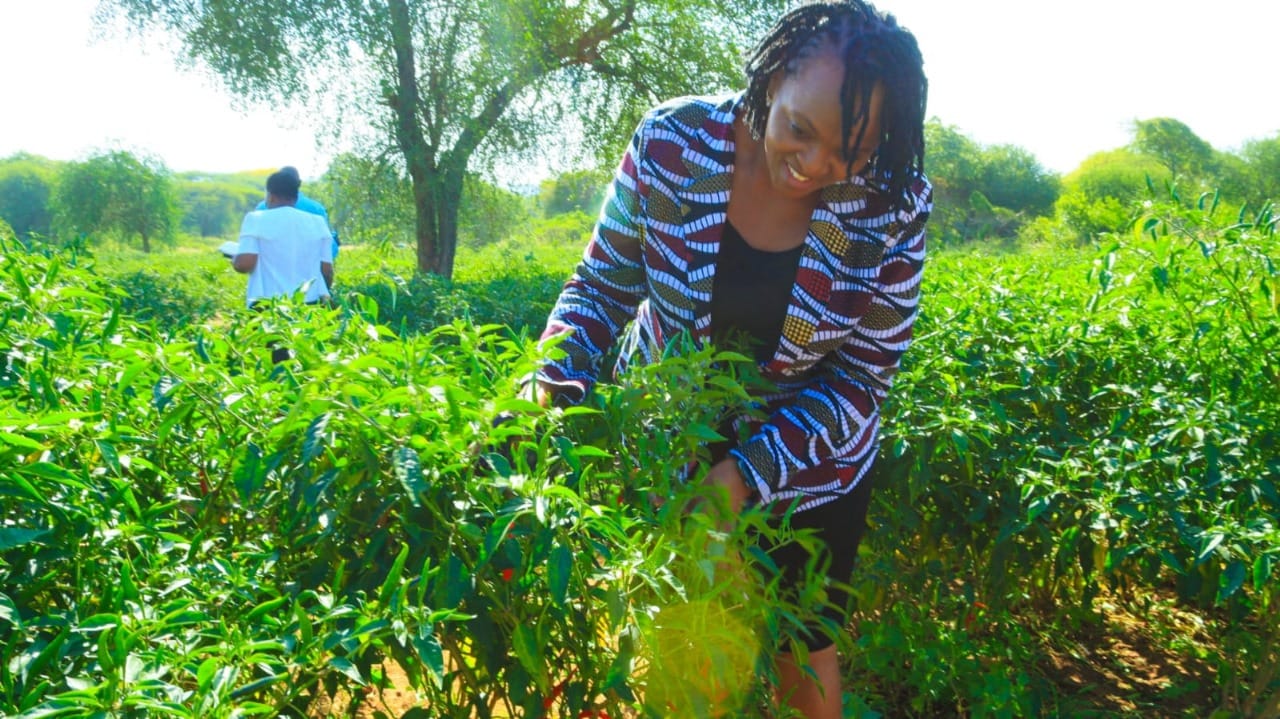
Successful chilli farming in Kenya requires specific environmental conditions for optimal growth and yield. The ideal temperature range sits between 20-30°C, creating perfect conditions for:
- Robust plant development
- Healthy flower formation
- Strong fruit setting
- Maximum yield potential
Soil conditions play a crucial role in chilli cultivation. The best results come from well-drained loamy soils with these characteristics:
- pH level between 5.5 and 6.8
- Rich organic matter content
- Good water retention capacity
- Proper aeration structure
Your chilli plants need at least 6 hours of direct sunlight daily. Consider these additional environmental factors:
- Relative humidity: 65-80%
- Annual rainfall: 600-1200mm
- Altitude: 0-2100m above sea level
- Wind protection: Use windbreakers or natural barriers
Areas with prolonged dry spells require supplementary irrigation systems. The soil moisture should remain consistent but not waterlogged, as excess water leads to root rot and reduced yields. Regular soil testing helps maintain optimal growing conditions throughout the farming season.
3. Key Regions for Chilli Farming in Kenya
Kenya’s diverse climate zones create ideal conditions for chilli cultivation across several regions:
1. Kirinyaga County
- Mwea and Kutus areas benefit from rich volcanic soils
- Year-round water availability from River Thiba
- Farmers achieve high yields through intensive farming practices
2. Meru County
- Mitunguu and Nkubu regions feature well-drained, fertile soils
- Moderate temperatures support continuous chilli production
- Strong agricultural infrastructure and established market networks
3. Makueni County
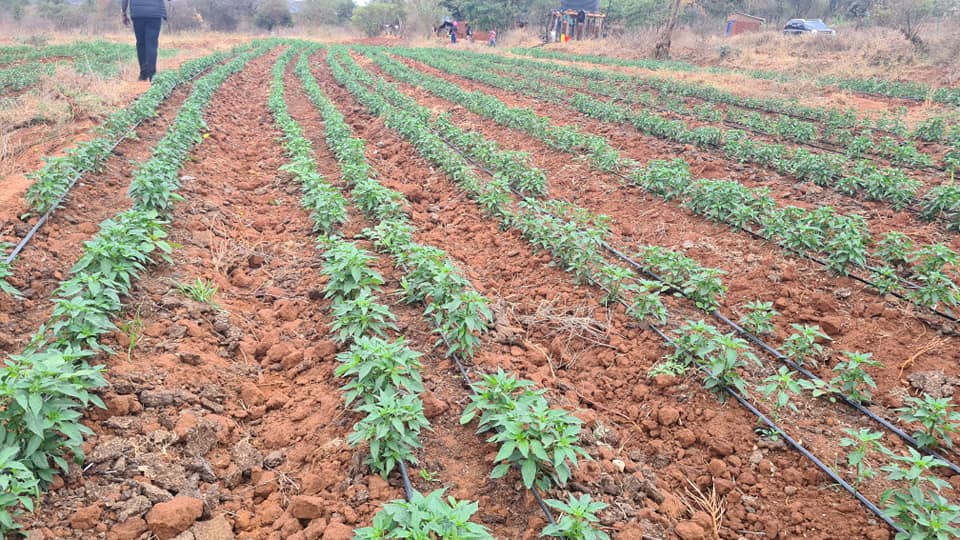
- Semi-arid climate with modern irrigation systems
- Solar radiation levels enhance chilli pungency
- Drip irrigation technology maximizes water efficiency
4. Kajiado County
- Isinya and Kitengela areas specialize in greenhouse cultivation
- Protected farming environments control pest exposure
- Close proximity to Nairobi markets reduces transportation costs
5. Coastal Region
- Kilifi and Kwale benefit from humid tropical climate
- Natural rainfall patterns support rainfed farming
- Sandy loam soils provide excellent drainage
- High temperatures increase capsaicin content in chillies
These regions combine favorable climate conditions, soil characteristics, and market access to create thriving chilli farming zones. Each area’s unique environmental factors contribute to distinct chilli varieties and production methods.
4. Soil Preparation Techniques for Chilli Cultivation
Proper soil preparation creates the foundation for successful chilli farming in Kenya. Here’s a systematic approach to prepare your land:
1. Soil Testing
- Test soil pH levels (ideal range: 5.5-6.8)
- Analyze nutrient content
- Check soil structure and drainage capacity
2. pH Adjustment
- Apply agricultural lime for acidic soils
- Use sulfur for alkaline soil correction
- Allow 2-3 weeks for pH adjustments to take effect
3. Land Preparation
- Clear existing vegetation and debris
- Deep plow to break soil compaction
- Create raised beds for areas with poor drainage
- Level the field to prevent water pooling
4. Organic Matter Integration
- Add well-decomposed manure (2-3 kg per square meter)
- Mix in quality compost to improve soil structure
- Incorporate green manure crops if time permits
5. Final Bed Preparation
- Create planting rows 60cm apart
- Form beds 15-20cm high
- Install drip irrigation lines
- Add mulch to conserve moisture
Your soil preparation efforts directly impact chilli plant health and yield potential. A soil test from a certified laboratory helps determine specific amendments needed for your plot. Local agricultural extension officers can guide you through this crucial preparation phase.
For more tailored advice on preparing your land before receiving seedlings delivery, consider seeking expert advice. Additionally, understanding the soil requirements for different plants can further enhance your farming success.
5. Propagation Methods and Planting Practices
Successful chilli farming in Kenya relies heavily on proper propagation and planting techniques. You can choose between two main methods: nursery propagation and direct seeding.
Nursery Propagation
- Start seeds in seed trays filled with sterilized soil mix
- Maintain soil temperature at 25-30°C for optimal germination
- Water seedlings gently using a fine spray
- Keep seedlings in partial shade for the first week
- Transplant when seedlings reach 10-15cm height (4-6 weeks old)
Direct Seeding
- Plant seeds directly into prepared beds at 1-2cm depth
- Space seeds 45cm apart within rows
- Maintain 60cm spacing between rows
- Thin seedlings to one plant per hole after emergence
- Water regularly to ensure consistent soil moisture
Recommended Planting Spacing
- Row spacing: 60cm
- Plant spacing: 45cm
- Plant population: 37,000 plants per hectare
- Depth of planting: 1-2cm
Best Practices
- Plant during early morning or late afternoon
- Water immediately after transplanting
- Apply mulch around plants to retain moisture
- Stake plants in windy areas
- Replace failed transplants within one week
The spacing recommendations ensure adequate airflow between plants, reducing disease pressure and allowing sufficient sunlight penetration for optimal growth and fruit development. However, it’s essential to be aware of potential threats such as pest infestations. Implementing natural pest control methods can significantly help in maintaining the health of your crop.
For those considering expanding their farming ventures into other crops like avocado, understanding the seasonal planting calendar can provide valuable insights. Additionally, caring for newly planted avocado seedlings requires specific attention to detail, which is crucial for their successful establishment.
If you’re looking into purchasing avocado seedlings online, you might find this resource on frequently asked questions about avocado seedling purchases particularly helpful.
6. Fertilization Strategies for Optimal Growth
Successful chilli farming in Kenya requires a balanced fertilization approach combining organic and inorganic nutrients. Your chilli plants need specific nutrients at different growth stages to achieve maximum yield potential.
Base Fertilization
- Apply well-decomposed farmyard manure at 20-30 tons per hectare during land preparation, ensuring not to overdo it as this can lead to negative effects on plant growth.
- Mix compost with topsoil at a ratio of 1:3 before transplanting
- Incorporate bone meal or rock phosphate to boost phosphorus levels
NPK Requirements
- Nitrogen (N): 100-120 kg/ha
- Phosphorus (P): 60-80 kg/ha
- Potassium (K): 50-60 kg/ha
Application Schedule
- Basal Application: Apply DAP fertilizer (18:46:0) at planting
- First Top Dressing: Add CAN (26% N) 3 weeks after transplanting
- Second Top Dressing: Apply NPK (17:17:17) at flowering stage
- Third Top Dressing: Use potassium-rich fertilizer during fruiting
Organic Options
- Vermicompost tea as foliar spray every 2 weeks
- Neem cake powder mixed with soil (5kg/hectare)
- Green manure crops incorporated before planting
Regular soil testing helps determine specific nutrient deficiencies and guides precise fertilizer application rates. It is important to adjust your fertilization program based on soil test results and visible plant symptoms. Utilizing resources such as this guide on correcting too much compost and manure can provide valuable insights in managing your fertilization strategy effectively.
7. Pest and Disease Management in Chilli Farming
Successful chilli farming requires vigilant pest and disease management. Here’s what you need to watch for and control:
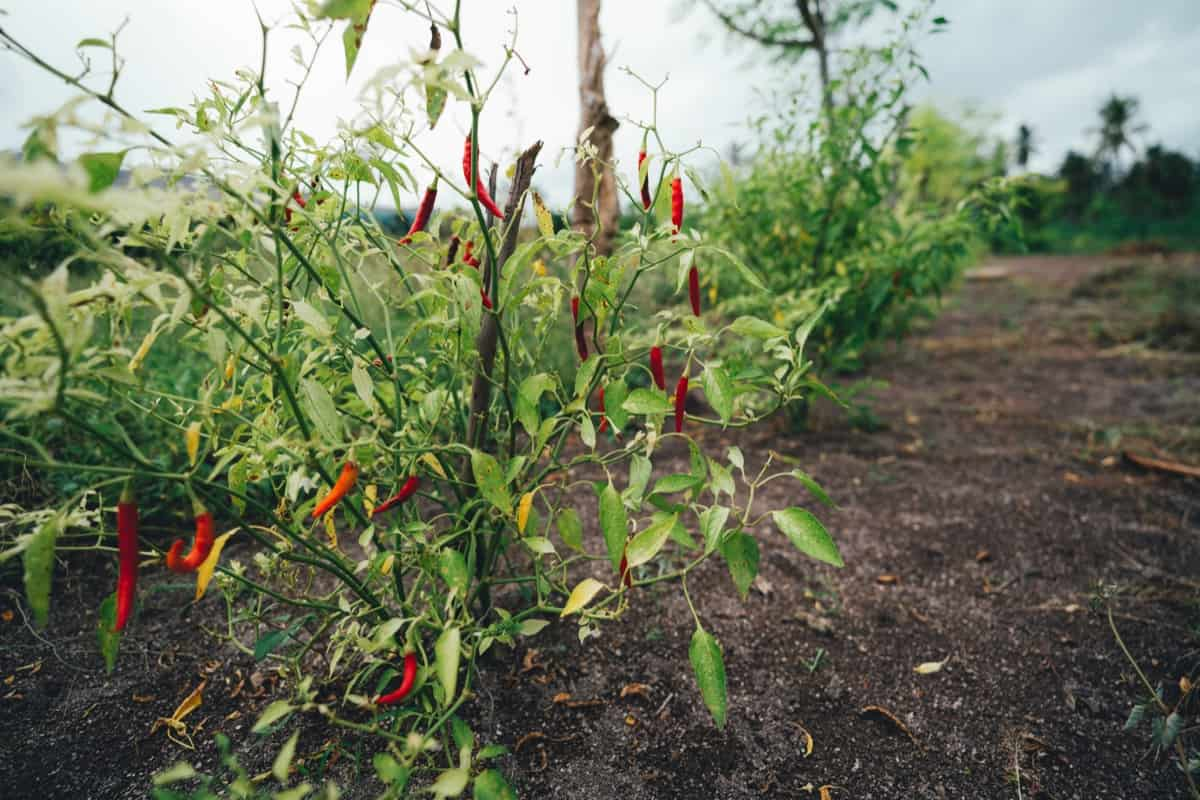
Common Pests:
- Aphids: These tiny insects cluster under leaves, causing yellowing and stunted growth
- Thrips: Silvery patches appear on leaves, leading to reduced yields
- Whiteflies: White-winged insects that cause leaf curling and honey dew secretion
- Spider Mites: Create fine webbing and cause leaf stippling
- Fruit Flies: Lay eggs in developing fruits, causing rot and drop
Major Diseases:
- Powdery Mildew: White powdery coating on leaves affecting photosynthesis
- Bacterial Wilt: Causes sudden wilting and plant death
- Anthracnose: Dark, sunken lesions on fruits
- Fusarium Wilt: Yellowing leaves and stem vascular discoloration
For a comprehensive understanding of diseases that can affect your crops, including chilli plants, you might find this guide on identifying and preventing common avocado seedling diseases helpful.
Effective Control Methods:
- Use neem-based pesticides for organic pest control
- Install yellow sticky traps to catch flying pests
- Apply copper-based fungicides for disease prevention
- Practice crop rotation to break pest cycles
- Maintain proper plant spacing for air circulation; remember that proper spacing is crucial when planting fruit trees, which also applies to chilli farming
- Select disease-resistant varieties when possible
- Implement biological control using beneficial insects
- Monitor plants regularly for early detection
These management practices help ensure healthy chilli plants and optimal yields while minimizing chemical pesticide use.
8. Harvesting Techniques and Post-Harvest Handling of Chillies in Kenya
Successful chilli farming depends on proper harvesting and post-harvest handling practices. The harvest timeline spans 60-100 days from transplanting, varying by chilli variety.
Signs of Harvest-Ready Chillies:
- Color transformation to bright red, orange, or yellow
- Firm, glossy appearance
- Full size development specific to variety
- Slight softness when gently squeezed
Best Harvesting Practices:
- Pick during early morning (6-9 AM) or late afternoon (4-6 PM)
- Use clean, sharp scissors to cut fruits with short stems attached
- Handle fruits gently to prevent bruising
- Collect in clean, ventilated plastic crates
Post-Harvest Handling:
- Sort chillies based on:
- Size uniformity
- Color consistency
- Quality grade (export vs. local market)
- Avoid washing fruits as moisture promotes decay
- Remove damaged, diseased, or deformed fruits
- Pack in single layers to prevent crushing
Storage Guidelines:
- Store fresh chillies at 10-12°C
- Maintain relative humidity at 85-95%
- Use clean, well-ventilated containers
- Check regularly for signs of deterioration
- For dried chillies, maintain moisture content below 10%
Quality Maintenance Tips:
- Keep handling areas clean and sanitized
- Train workers in proper handling techniques
- Transport during cooler hours
- Use appropriate packaging materials for market destination
In addition to these practices, it’s beneficial for farmers to understand some common farming mistakes that could affect their yield. For instance, avoiding certain avocado farming mistakes can lead to a more bountiful harvest.
Moreover, if one is considering diversifying into other crops such as Pixie oranges, it’s crucial to follow specific guidelines tailored for that crop.
Lastly, understanding the science behind grafting can significantly improve crop yield and quality not just for chillies but across various types of crops including the high-demand Hass avocado which is primarily produced in regions like Muranga, known as the heart of quality Hass avocado seedling production in Kenya.
9. Market Opportunities and Export Potential for Kenyan Chillies
Kenya’s chili market has various opportunities both locally and globally. The demand for chili in the country is steadily increasing through different channels:
Domestic Market Segments:
- Supermarket chains requiring consistent weekly supplies
- Local market vendors serving household consumers
- Food processing companies creating sauces and spice blends
- Hotels and restaurants needing fresh chili supplies
- Food service industry suppliers
However, there is also a significant potential to expand into other profitable agricultural exports, such as Hass avocado or specific mango varieties.
Export Market Requirements:
To successfully export chilies, certain requirements must be met:
- GlobalGAP Certification – Essential for accessing the European market
- KS1758 Standards – Mandatory for ensuring quality
- Phytosanitary Certificates – Required for shipping internationally
- Organic Certification – Opportunities for premium pricing
The European Union is a key destination for exporting Kenyan chilies, with specific countries being:
- Netherlands
- Germany
- United Kingdom
- France
Middle Eastern markets also have a strong demand for chilies, particularly in:
- UAE
- Saudi Arabia
- Qatar
Current market prices for chilies in Kenya range from KES 80-200 per kilogram depending on the variety and quality. However, when exported and meeting international standards, premium grade chilies can fetch prices between KES 250-400 per kilogram.
There is still a large untapped potential for exporting chilies, especially specialty varieties like African Bird’s Eye chili which are gaining popularity. Successful exporters understand the importance of building strong relationships with certification bodies and implementing strict quality control measures throughout their production process.
10. Challenges Facing Chilli Farmers in Kenya
Chilli farmers in Kenya face significant hurdles that impact their productivity and profitability. The market’s volatile nature creates unpredictable price fluctuations, often dropping when multiple farmers harvest simultaneously. Limited access to real-time market information leaves farmers vulnerable to exploitation by middlemen who capitalize on this knowledge gap.
Key Production Challenges:
- Resistant pests developing immunity to conventional pesticides
- Emerging diseases requiring costly control measures
- Irregular rainfall patterns affecting crop cycles
- High costs of quality seeds and farming inputs
- Limited access to cold storage facilities
Market-Related Issues:
- Price instability during peak harvest seasons
- Inadequate market intelligence systems
- Transportation difficulties to major markets
- Complex export documentation requirements
- Limited value addition capabilities
Small-scale farmers struggle with insufficient capital to invest in modern farming technologies and irrigation systems. The lack of proper storage facilities forces many to sell their produce immediately after harvest, accepting whatever price is available.
Climate change brings additional stress through unpredictable weather patterns, affecting both yield quality and quantity. Many farmers lack adequate knowledge about climate-smart agricultural practices that could help mitigate these effects.
The high cost of certification for international markets restricts many small-scale farmers to local markets, limiting their earning potential. These farmers need support systems to help them navigate certification processes and access premium markets.
Interestingly, some of the challenges faced by chilli farmers are similar to those encountered in other agricultural sectors in Kenya, such as pomegranate farming. By sharing knowledge and resources across different farming sectors, there is potential for holistic improvement in the agricultural landscape of Kenya.
Economic Benefits and Value Addition Opportunities in Chilli Farming
Chilli farming stands out as a lucrative agricultural venture in Kenya, offering substantial returns for dedicated farmers. A well-managed small-scale chilli farm can generate approximately Ksh 300,000 every three months, making it an attractive investment option.
Value Addition Strategies:
Dried Chilli Powder Production Benefits:
- Reduces post-harvest losses
- Extended shelf life
- Higher market value
- Simplified storage and transportation
Chilli Sauce Manufacturing Benefits:
- Creates unique product lines
- Targets diverse consumer preferences
- Premium pricing opportunities
- Year-round income generation
Additional Income Streams:
- Bulk supply to processing companies
- Direct sales to high-end restaurants
- Export market participation
- Local market distribution
The value addition process can boost profits by 50-100% compared to selling raw chillies. Small-scale processors who invest in basic equipment like solar driers and grinding machines often see returns within their first year of operation.
Processing chillies into specialty products creates employment opportunities within local communities. Many successful chilli farmers have expanded their operations to include processing facilities, establishing sustainable agribusiness enterprises that serve both domestic and international markets.
To further enhance the profitability of chilli farming, it’s crucial to consider the quality of seedlings used. Investing in quality seedlings can significantly impact smallholder incomes. Therefore, adopting best practices when buying seedlings online is essential.
Moreover, as we look towards the future, understanding the trends in e-commerce within agriculture can provide valuable insights for farmers aiming to expand their reach and optimize their operations.

Call to Action: Start Your Successful Journey in Chilli Farming Today!
Ready to make your farming dreams come true? The booming chilli market in Kenya is ready for you. At Royal Seedlings, we offer top-notch chilli seedlings to help you kickstart your farming success.
Our team of experts is here to assist you with:
- High-yielding chilli varieties
- Disease-resistant seedlings
- Ongoing technical support
- Opportunities to connect with buyers
Start small, grow big – whether you’re new to farming or looking to expand your current operation, we’re here to help you succeed in chilli farming.
🌱 Get Started Today
- Call us: 0711315313
- Email: julius.murega@royalseedlings.com
Your journey to becoming a successful chilli farmer begins with the right resources. Partner with Royal Seedlings for top-quality seedlings and expert guidance. Take the first step towards a profitable chilli farming business – reach out to us now!
[Order your chilli seedlings today and join Kenya’s growing community of successful chilli farmers]
In addition to our premium chilli seedlings, we also specialize in other areas of agriculture. For instance, we play a significant role in tissue culture banana seedling production, which ensures high-quality and disease-resistant plants.
If you’re interested in diversifying into fruit farming, we offer training opportunities for aspiring commercial fruit growers in Muranga County. Our training sessions cover various aspects of fruit farming including what to expect from a professional avocado farming training session.
Moreover, we understand the importance of quality seedlings in achieving high yields. That’s why we focus on grafted fruit seedlings which are known for their superior quality and yield potential.
FAQs (Frequently Asked Questions)
What are the popular chilli varieties grown in Kenya and their unique uses?
Kenya cultivates several major chilli varieties including Bird’s Eye chilli, Habanero, Red Chilli, Jalapeno, and Bullet Chilli. Each variety has unique characteristics suited for different culinary uses and market demands, making them profitable for farmers.
What are the ideal growing conditions for chillies in Kenya?
Chillies thrive best in Kenya within an optimal temperature range of 20-30°C. They prefer well-drained loamy soils with a pH between 5.5 and 6.8, which supports healthy growth and high yields.
Which regions in Kenya are best suited for chilli farming?
Key chilli-producing regions in Kenya include Kirinyaga County (Mwea and Kutus), Meru County (Mitunguu and Nkubu), Makueni with its semi-dry climate supported by irrigation, Kajiado (Isinya and Kitengela), and the Coastal areas such as Kilifi and Kwale.
How should soil be prepared for successful chilli cultivation in Kenya?
Effective soil preparation involves testing soil pH and adjusting it using lime or sulfur to reach the preferred range. Incorporation of well-decomposed organic manure enhances soil fertility, ensuring optimal conditions for chilli plants.
What pest and disease management strategies are recommended for chilli farming in Kenya?
Integrated Pest Management (IPM) is advised to control common pests like aphids, thrips, whiteflies, spider mites, and fruit flies. Managing fungal diseases such as powdery mildew, bacterial wilt, anthracnose, and fusarium wilt is also crucial to maintain healthy crops.
What market opportunities exist for Kenyan chillies locally and internationally?
Kenyan chillies have growing demand domestically from supermarkets, local markets, processors, hotels, and restaurants. Export opportunities primarily target Europe and the Middle East markets that require compliance with certifications like GlobalGAP and KS1758 standards.