

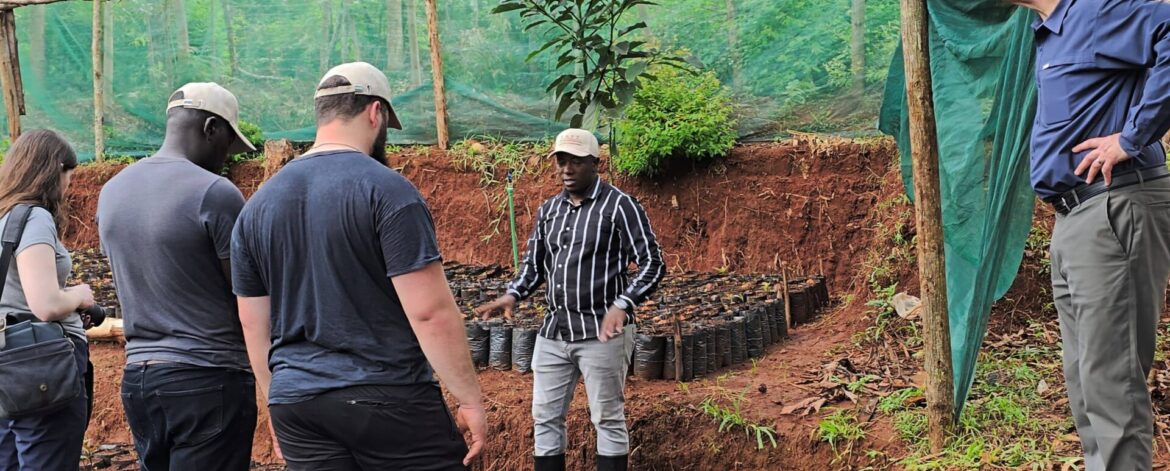
Macadamia farming in Kenya is a great success story in East Africa. Kenya is now the third-largest producer of macadamia nuts in the world, holding an impressive 13% share of the global market. The country has ambitious plans to increase its production to 100,000 metric tonnes by 2025.

The profitability of macadamia farming has attracted both small-scale and commercial farmers across Kenya’s fertile regions. Key growing areas include:
- Central Kenya (Murang’a, Kiambu, Kirinyaga)
- Eastern Kenya (Embu)
- Selected parts of the Rift Valley
These regions offer ideal growing conditions that have helped establish Kenya’s reputation in the global macadamia market. A mature macadamia farm can yield up to 8,000 kg of nuts per acre during harvest season, translating to potential revenues of Ksh 1.2 million at current market rates.
The increasing demand for macadamia nuts worldwide has created many opportunities for Kenyan farmers. They can sell the nuts directly or create value-added products like macadamia oil and butter, providing them with various income sources.
However, the success of macadamia farming also opens up possibilities for diversifying into other lucrative crops such as avocados. For instance, starting an avocado orchard can be a profitable venture given the rising demand for avocados both locally and internationally.
This comprehensive guide will walk you through every aspect of macadamia farming in Kenya – from selecting the right growing location to marketing your harvest effectively. Whether you’re a seasoned farmer looking to diversify into crops like avocados or a newcomer to agriculture seeking practical insights, you’ll find valuable information to help you succeed in this lucrative venture.
It’s important to remember that successful farming requires not just understanding the market but also knowing how to care for newly planted avocado seedlings or identifying and preventing common avocado seedling diseases.
Climate and Soil Requirements for Macadamia Farming
Successful macadamia farming in Kenya demands specific environmental conditions for optimal growth and nut production. The ideal altitude ranges from 1,500 to 1,850 meters above sea level, creating perfect growing conditions for these trees.
Temperature Requirements
- Daily temperature fluctuations of at least 7°C during flowering
- Optimal temperature range: 18-21°C
- Frost-free climate essential for tree survival
Rainfall Preferences
- Annual rainfall: 1,200mm – 1,500mm
- Well-distributed precipitation throughout the year
- Supplementary irrigation needed during dry spells
Soil Conditions
To achieve the best results in macadamia farming, it’s crucial to understand the soil requirements for different fruit trees in Kenya. Ideally, the soil should be deep and well-drained with a minimum depth of 100 cm. The pH range should be between 5.5 – 6.5, rich in organic matter, and free from waterlogging.
Areas in Central Kenya, Eastern regions, and parts of the Rift Valley meet these requirements naturally, making them prime locations for macadamia cultivation. However, conducting a soil test before planting is essential to ensure it meets these specifications, allowing necessary amendments if needed.
For those interested in diversifying their agricultural ventures beyond macadamias, professional training sessions such as avocado farming training could provide valuable insights. Additionally, exploring other fruit farming options like pixie orange farming can also be beneficial.
It’s worth noting that initiatives supporting women and youth in agribusiness are gaining traction in the country, providing more opportunities for these groups within the agricultural sector.
Popular Macadamia Varieties in Kenya
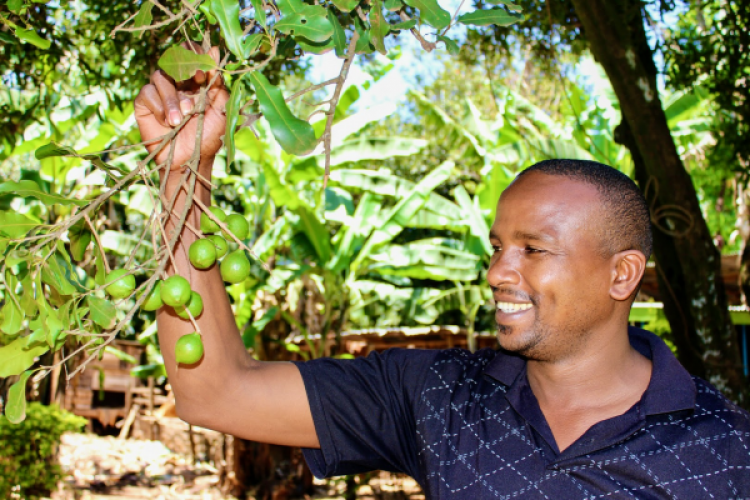
Kenya’s macadamia industry thrives on several high-performing varieties, each bringing unique characteristics to suit different growing conditions and market demands.
Key Varieties in Kenyan Farms:
- Kiambu-3: Fast-growing variety with high nut quality and strong disease resistance, suitable for mid-altitude regions.
- Kirinyaga-15: Compact tree structure with early maturity rate and consistent yield patterns, known for its excellent kernel recovery rate.
- Embu-1: Hardy variety adaptable to various soil types, with good drought tolerance and medium-sized nuts.
Spotlight on Muranga-20
The Muranga-20 variety stands out as a preferred choice among Kenyan farmers due to its exceptional characteristics:
- Yield Potential: Up to 55 kg per tree annually
- Climate Adaptability: Thrives in diverse weather conditions
- Maturity: Early fruiting compared to other varieties
- Nut Quality:
- High oil content
- Premium kernel size
- Superior taste profile
- Excellent market acceptance
The variety’s robust nature makes it resistant to common diseases, reducing the need for extensive pest management. Its upright growth pattern allows for efficient space utilization, making it ideal for both small-scale and commercial farming operations.
In addition to macadamias, Kenyan farmers are also exploring the potential of other crops such as apples and mangoes. This article on choosing between local and imported apple varieties provides valuable insights into selecting the right apple variety for Kenyan climates. Similarly, this guide on how to choose the right mango variety can assist farmers interested in diversifying their crops.
As we look towards the future, it’s essential for farmers to stay updated with the latest trends in agriculture. The future of e-commerce in agriculture presents exciting opportunities for farmers in Kenya, enabling them to reach wider markets and increase their sales.
Land Preparation and Planting Techniques for Macadamia Trees
Proper land preparation sets the foundation for healthy macadamia trees and optimal yields. Here’s your step-by-step guide to preparing your land:
1. Initial Land Clearing
- Remove existing vegetation, rocks, and debris
- Clear any tree stumps or roots that might interfere with root development
- Level the land while maintaining natural slopes for drainage
2. Soil Preparation
- Plough the land twice at a depth of 30cm
- Harrow to achieve fine soil texture
- Test soil pH – aim for 5.5 to 6.5
- Add agricultural lime if soil is too acidic
3. Planting Hole Specifications
- Dig holes measuring 60cm x 60cm x 60cm
- Mix topsoil with:
- 20kg well-decomposed manure
- 300g NPK fertilizer
- Superphosphate for phosphorus boost
4. Tree Spacing Guidelines
Proper spacing is crucial when planting macadamia trees. For more information on the importance of proper spacing, here are some guidelines:
- Upright varieties: 7.5m x 7.5m (80 trees per acre)
- Spreading varieties: 10m x 10m (44 trees per acre)
- Allow extra space for access roads and machinery
5. Planting Process
The ideal time to plant macadamia trees is at the start of the rainy season. This aligns with our seasonal planting calendar for fruit seedlings in Central Kenya. Here’s how to go about it:
- Fill holes with amended soil mixture
- Create slight mound around tree base for water drainage
- Water immediately after planting
- Add mulch in 1m radius around tree base
6. Intercropping Options
During the early years, consider planting legumes between trees as a form of intercropping. However, avoid tall crops that compete for nutrients and keep a clear 2m radius around young trees.

Effective Crop Management Practices for Optimal Yields
Proper irrigation and fertilization practices play a crucial role in achieving optimal macadamia yields. Your irrigation strategy needs to adapt as your trees mature through different growth stages. Implementing the principles of effective crop management can significantly enhance your yield.
Irrigation Requirements
- Young Trees (0-2 years): Apply 20 liters of water every two weeks during dry periods
- Mature Trees: Provide 40 liters daily during flowering and fruit setting phases
- Nut Maturation Stage: Reduce irrigation gradually as nuts approach maturity
Fertilization Schedule
- First Year: Apply 100g NPK (17:17:17) per tree, split into 3-4 applications
- Second Year: Increase to 200g NPK per tree
- Third Year: Apply 300g NPK per tree
- Mature Trees: Use 500g-1kg NPK annually, divided into two applications
Additional Nutrient Management
- Add organic matter through mulching to retain soil moisture
- Apply calcium and magnesium supplements during flowering
- Conduct annual soil tests to adjust fertilizer ratios
- Use foliar sprays during peak growing seasons
Signs of Proper Management
- Dark green, healthy leaves
- Strong flower development
- Consistent nut size
- Vigorous tree growth
- Regular fruit setting patterns
Your trees require extra attention during the critical phases of flowering and nut development. Monitor leaf color and soil moisture levels regularly to adjust your management practices accordingly. Additionally, implementing techniques such as grafting can further enhance your crop yield and quality.
Harvesting, Post-Harvest Handling, and Storage Guidelines for Macadamia Nuts
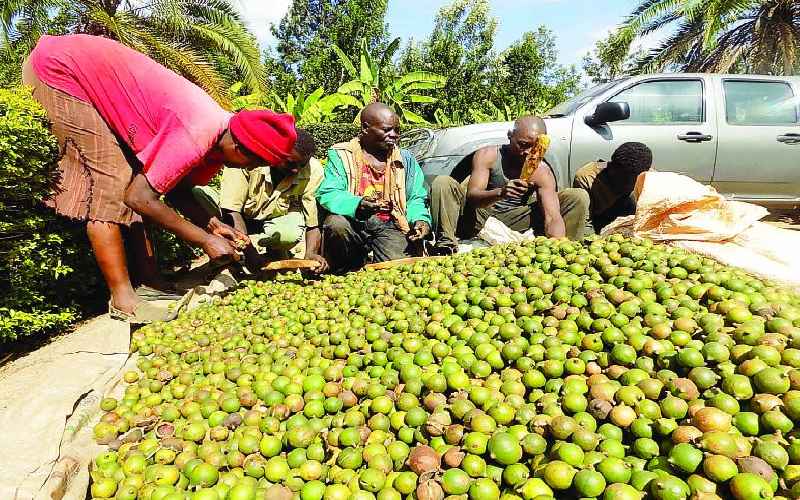
Successful macadamia nut production relies heavily on proper harvesting and handling techniques. To maintain optimal quality and prevent mold growth, you’ll need to collect fallen nuts from the ground within 2-3 days.
Key Harvesting Indicators:
- Nuts naturally falling to the ground
- Dark brown to black husks
- Fully developed kernels
- Clean separation from the tree
Post-Harvest Processing Steps:
- Remove husks within 48 hours of collection
- Air-dry nuts in shaded areas at 55-65°C
- Sort nuts to remove damaged or immature kernels
- Package in clean, ventilated containers
Storage Requirements:
- Use jute or sisal bags for proper ventilation
- Store in cool, dry areas away from direct sunlight
- Maintain storage area temperature below 25°C
- Keep relative humidity between 55-65%
Quality Preservation Tips:
- Install rodent barriers in storage areas
- Keep nuts away from strong-smelling substances
- Check stored nuts weekly for signs of deterioration
- Rotate stock using first-in-first-out method
The quality of your macadamia nuts directly impacts market value. Professional processors prefer nuts with moisture content below 10% and minimal shell damage. You’ll achieve better prices by implementing these harvesting and storage practices consistently throughout your production cycle.
Just as in avocado farming, where avoiding certain mistakes can lead to a bountiful harvest, similar principles apply to macadamia nut production. Moreover, understanding the economic impact of quality seedlings can provide valuable insights into how quality factors influence market dynamics in agricultural sectors.
It’s also worth noting that the guidelines for harvesting and post-harvest handling are not exclusive to macadamia nuts. They can be applied to other crops as well. For instance, the detailed harvesting and post-harvest handling guidelines for other crops can serve as a useful reference for farmers looking to optimize their yield and product quality across various agricultural sectors.

Economic Viability and Revenue Potential of Macadamia Farming in Kenya
A well-managed acre of macadamia farm with 80 mature trees can yield up to 8,000 kg of nuts per harvest season. At current market prices of Ksh 150 per kilogram, you can generate approximately Ksh 1.2 million in revenue.
Initial Investment Costs
The initial investment costs include:
- Land preparation: Ksh 30,000 – 50,000 per acre
- Grafted seedlings: Ksh 25,000 – 62,500
- First-year management costs:
- Fertilizers
- Pest control
- Labor expenses
Returns on Investment
Your macadamia farming investment starts showing returns after 5-7 years. The trees reach peak production at around 12-15 years, maintaining high yields for several decades with proper care.
Factors Contributing to Profitability
The profit margins remain attractive due to:
- Low maintenance costs after establishment
- Rising global demand for macadamia nuts
- Multiple revenue streams through value addition
- Strong export market potential
In addition to macadamia farming, pomegranate farming in Kenya presents another lucrative agricultural opportunity. The long-term profitability of macadamia farming makes it an appealing investment option for Kenyan farmers seeking sustainable agricultural ventures.
Marketing Strategies to Maximize Profits from Macadamia Farming Business
The success of your macadamia farming venture heavily depends on effective marketing strategies. Here are proven approaches to maximize your profits:
1. Direct Sales to Processing Companies
- Build relationships with established processors like Kenya Nut Company and Jungle Nuts
- Secure long-term contracts for guaranteed market access
- Benefit from technical support and quality control guidance
2. Value Addition Opportunities
- Roasted and flavored nuts packaging
- Macadamia oil production for culinary and cosmetic uses
- Premium snack packs for retail markets
- Health supplements manufacturing
3. Strategic Marketing Channels
- Join local farmer cooperatives for enhanced bargaining power
- Partner with licensed agents for flexible pricing options
- Export directly to international markets through certified exporters, leveraging insights from resources on exploring export markets
- Establish connections with local specialty stores and supermarkets
4. Digital Marketing Platforms
- Create an online presence through social media
- List your products on agricultural e-commerce platforms
- Network with other farmers and buyers through WhatsApp groups
- Showcase your farm’s quality standards and certifications online
Additionally, consider exploring training opportunities for aspiring commercial fruit growers in Muranga County which could provide valuable knowledge and skills to further enhance your farming business.
Moreover, understanding the market trends and value chain of macadamia nuts in Kenya can also aid in making informed decisions that will ultimately boost profitability.
Overcoming Challenges in Macadamia Farming: Insights from Experienced Farmers
Successful macadamia farmers in Kenya face distinct challenges that require strategic solutions. Market price volatility ranks as a primary concern, with prices fluctuating between Ksh 80-200 per kilogram. Experienced farmers recommend:
- Joining farmer cooperatives to increase bargaining power
- Establishing direct relationships with multiple buyers
- Creating value-added products during low-price seasons
Production constraints present significant hurdles:
Pest Management
- Regular tree inspection for early detection
- Installation of pheromone traps for nut borers
- Implementation of biological control methods
Quality Control Issues
- Investment in proper drying facilities
- Regular soil testing and amendment
- Strict adherence to post-harvest handling protocols
Resource Limitations
- Shared equipment purchases through farmer groups
- Water harvesting systems for irrigation
- Participation in agricultural training programs
Experienced farmers emphasize the importance of maintaining detailed farm records to track challenges and solutions. These records help identify patterns in pest occurrence, yield variations, and market price trends, enabling better decision-making for future growing seasons.
In addition to these strategies, it’s crucial to consider the quality of seedlings being used. What makes a good nursery and the key qualities Kenyan farmers should look for can greatly influence the success of the farming venture. This is particularly relevant when buying avocado seedlings online, where ensuring quality can be a challenge.
Furthermore, leveraging technology such as tissue culture in banana seedling production can provide innovative solutions to some of the resource limitations faced by farmers.
Ready to start macadamia farming in Kenya?
Contact Royal Seedlings:
 Phone: +254 711315313
- Email: Julius.murega@royalseedlings.
com, - Website:www.royalseedlings.com
 Phone: +254 711315313
 Email:
  Website:
Conclusion
Macadamia farming in Kenya presents a golden opportunity for aspiring farmers seeking long-term profitability. The growing global demand, coupled with Kenya’s favorable climate, positions you for success in this agricultural venture.
Your journey to successful macadamia farming starts with implementing the proven practices outlined in this guide:
- Select high-yielding varieties suited to your region
- Follow proper land preparation and planting techniques
- Maintain consistent crop management practices
- Apply effective post-harvest handling methods
- Develop strong marketing strategies
Remember: macadamia farming requires patience and dedication, but the rewards are worth the investment. By following these best practices and learning from experienced farmers, you’re well-equipped to build a thriving macadamia farming business in Kenya.
FAQs (Frequently Asked Questions)
What makes macadamia farming in Kenya a profitable agricultural venture?
Macadamia farming in Kenya is profitable due to the country’s favorable climate and soil conditions, its position as a leading global producer of macadamia nuts, and the high demand for macadamia products both locally and internationally.
What are the ideal climate and soil requirements for successful macadamia farming in Kenya?
Successful macadamia farming in Kenya requires an ideal altitude, moderate temperatures, adequate rainfall, and well-drained fertile soils. These conditions ensure optimal growth and nut production.
Which macadamia varieties are popular in Kenya and what are the characteristics of Muranga-20?
Kenya commonly grows several macadamia varieties, with Muranga-20 being popular due to its high yield potential, adaptability to local conditions, and resistance to certain pests and diseases.
How should land be prepared and what planting techniques are recommended for macadamia trees in Kenya?
Land preparation involves clearing debris, proper soil amendments to enhance fertility, and ensuring correct tree spacing to optimize growth. Following these steps increases the chances of successful establishment and productivity.
What crop management practices optimize yields in macadamia farming?
Effective crop management includes appropriate irrigation schedules tailored for young and mature trees, along with timely fertilization stages that supply essential nutrients, thereby maximizing nut yields.
How can farmers maximize profits from their macadamia farming business in Kenya?
Farmers can maximize profits by exploring various marketing strategies such as direct sales to processing companies and engaging in value addition activities like producing macadamia oil or butter. These approaches increase revenue streams beyond raw nut sales.