

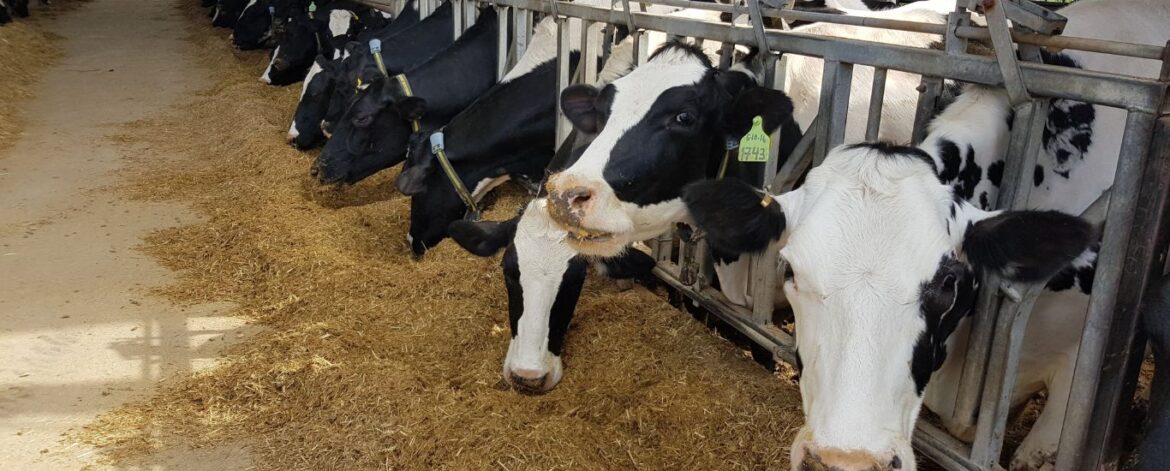
Dairy farming is a crucial part of Kenya’s agriculture, supporting rural economies and ensuring food security for the nation. It plays a significant role in the country’s economy, with small-scale farmers accounting for 80% of Kenya’s milk production through mixed farming methods.
But dairy farming isn’t the only type of agriculture in Kenya. There’s a growing industry that blends traditional methods with modern technology across various sectors, such as avocado farming. This creates opportunities for both small-scale farmers with 1-10 cows and large commercial operations. The increasing demand for milk and dairy products, driven by Kenya’s growing population and shifting dietary preferences, makes dairy farming an appealing business for aspiring entrepreneurs.
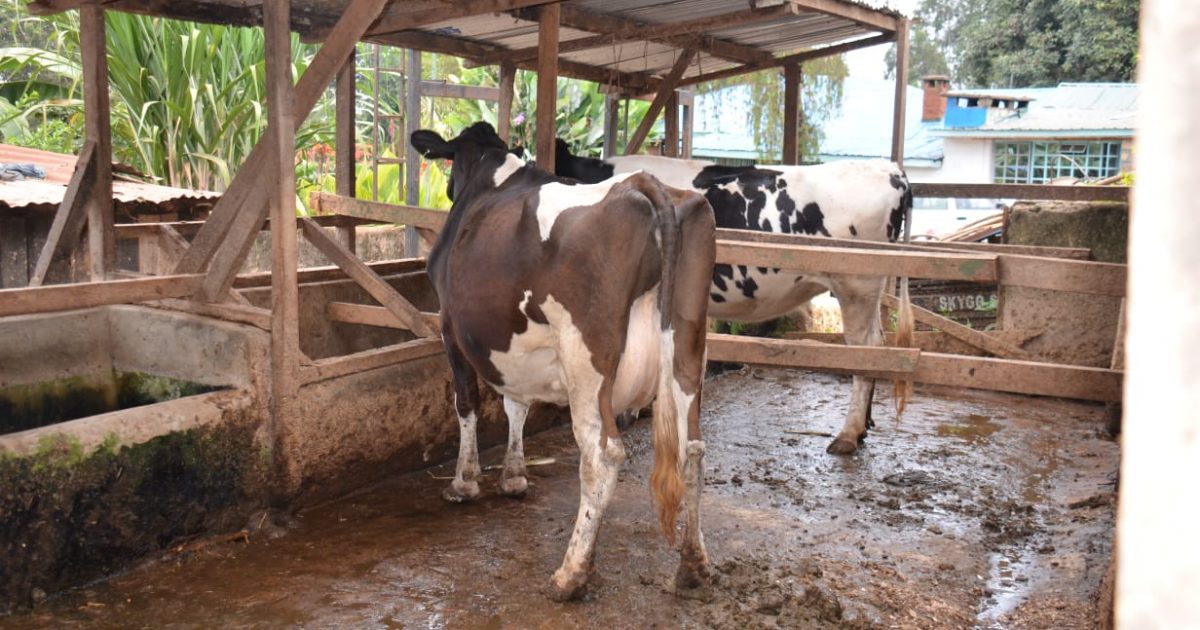
This detailed guide will take you through the necessary steps to set up and manage a successful dairy farm in Kenya. You’ll discover important factors like choosing the right breeds and implementing efficient management practices that can lead to a profitable dairy farming venture.
If you’re thinking about expanding your agricultural business, it may also be helpful to learn how to start an avocado orchard. The information shared here will not only apply to dairy farming but can also serve as a basis for other agricultural pursuits like avocado cultivation.
Whether you’re interested in starting a small-scale dairy farm or planning a large commercial operation in either dairy or avocado farming, this step-by-step guide offers the essential knowledge you need to begin. Additionally, it’s vital to implement effective strategies for preventing pest infestations, as this is crucial for maintaining healthy crops in both dairy and fruit farming.
Finally, understanding the seasonal planting calendar for fruit seedlings in Central Kenya can give you valuable insights into optimizing your agricultural production.
1. Planning Your Dairy Farm
Starting a dairy farm requires careful planning and strategic decision-making. A well-structured business plan serves as your roadmap to success, helping you secure funding and stay focused on your goals.
Your business plan should include:
- Clear objectives – Define specific, measurable goals for milk production, herd size, and revenue targets.
- Financial projections – Calculate startup costs, operational expenses, and expected returns.
- Marketing strategy – Identify potential buyers, pricing structures, and distribution channels.
- Resource allocation – Plan for labor, equipment, and infrastructure needs.
A thorough market analysis reveals crucial insights about:
- Local milk demand patterns.
- Price fluctuations throughout the year.
- Competition from other dairy farmers.
- Available distribution networks.
- Potential value-addition opportunities.
Incorporating diversified farming practices such as grafted fruit seedlings can serve as a potential income stream. However, it’s essential to avoid common avocado farming mistakes when venturing into this area.
Risk Management Strategies:
- Maintain emergency funds for unexpected expenses
- Diversify income streams through value-added products
- Implement biosecurity measures to prevent disease outbreaks
- Secure multiple buyers for your milk production
- Consider insurance options for livestock and property
Key Regulatory Requirements:
- County government permits
- Kenya Dairy Board certification
- Public health licenses
- Environmental compliance certificates
- Veterinary inspection approvals
Your success depends on understanding these regulations and maintaining proper documentation. Working with local agricultural officers helps ensure compliance with all necessary requirements while establishing your dairy farm operations.
For those considering incorporating avocado farming into their dairy operation, it is crucial to understand the essential tips for caring for newly planted avocado seedlings. Additionally, preparing the land properly before receiving seedling delivery can significantly influence the success of the venture. Therefore, following some expert advice on land preparation will be beneficial. If you have any uncertainties regarding the purchase of avocado seedlings online, refer to these frequently asked questions which provide valuable insights.
In addition to these strategies, it’s important to consider sustainable practices in your farming operations. Research has shown that adopting certain sustainable practices can lead to increased profitability in dairy farming as detailed in this study, which could provide valuable insights into optimizing your dairy farm’s productivity while also being environmentally conscious.
2. Selecting the Right Location
The success of your dairy farm heavily depends on its location. A strategic location can significantly reduce operational costs and maximize your farm’s productivity.
Essential Location Factors:
1. Climate Conditions
- Temperature range of 10-30°C
- Annual rainfall of 750-2000mm
- Well-drained soils
- Protection from strong winds
2. Water Resources
- Reliable water source within 500 meters
- Clean, uncontaminated water supply
- Sufficient water volume for:
- Drinking (40-80 liters per cow daily)
- Cleaning equipment
- Growing fodder crops
3. Market Access
- Distance to milk collection centers
- Road conditions for milk transportation
- Proximity to veterinary services
- Access to feed suppliers
Land Requirements:
- Minimum 1 acre for zero-grazing setup
- 2-3 acres for small-scale mixed farming
- Level or gently sloping terrain
- Good soil fertility for fodder production
Your chosen location should have adequate space for future expansion, waste management systems, and feed storage facilities. Consider neighboring farms’ proximity to minimize disease transmission risks. Areas with existing dairy farming communities often provide better access to support services and shared resources.
It is also important to note that the right location can open doors to new opportunities, such as support from organizations like Royal Seedlings, which aim to empower women and youth in agribusiness.
Remember to check local zoning laws and obtain necessary permits before establishing your farm in the selected location. The right location sets a strong foundation for your dairy farming success.
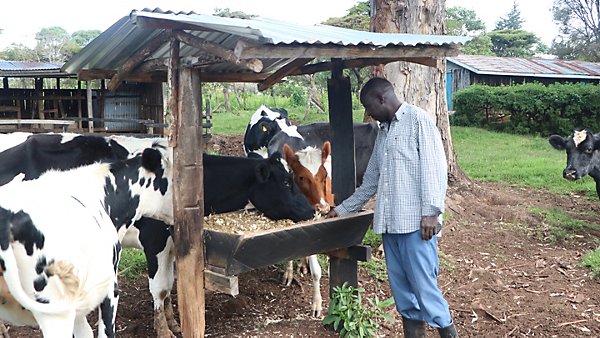
3. Choosing the Best Breeds
Selecting the right dairy cattle breeds can make or break your farming success in Kenya. Here are the top-performing breeds and their distinct characteristics:
Friesian
- Highest milk production (25-30 liters daily)
- Large body size
- Less heat tolerant
- Higher feed requirements
Jersey
- Rich butterfat content (4.5-5%)
- Excellent heat tolerance
- Smaller size, ideal for limited spaces
- Lower feed consumption
Ayrshire
- Hardy and disease-resistant
- Moderate milk production (15-20 liters daily)
- Well-adapted to Kenyan climate
- Good grazing ability
Guernsey
- Beta-carotene rich milk
- Medium-sized breed
- Docile temperament
- Efficient feed conversion
Crossbreeding Benefits
- Enhanced disease resistance
- Improved heat tolerance
- Better adaptability to local conditions
- Increased milk production
You can maximize your dairy farm’s potential by crossbreeding exotic breeds with local breeds. This strategy combines the high milk production of exotic breeds with the hardiness of local cattle. Popular crossbreeds include Friesian-Sahiwal and Jersey-Zebu, which show remarkable performance in Kenya’s climate while maintaining good milk production levels.
The breed selection should align with your farm’s resources, management capacity, and local environmental conditions. Consider factors like available feed quality, climate resilience, and market preferences for milk composition when making your choice.
Additionally, understanding the soil requirements for different fruit trees in Kenya can also play a crucial role in diversifying your farming activities. Moreover, if you’re considering integrating apple farming into your dairy operation, it’s essential to choose between local and imported apple varieties that suit Kenyan climates. These factors combined will help you create a more sustainable and profitable farming venture.

4. Building Suitable Housing and Implementing Feeding Systems
Proper housing design stands as a critical factor in your dairy farming success. A well-constructed shelter protects your cows from harsh weather conditions and creates an environment that maximizes milk production.
Housing Requirements
- Ventilation: Design your structures with adequate air flow to prevent respiratory issues
- Space: Allow 100-120 square feet per adult cow
- Flooring: Install concrete floors with a gentle slope for easy cleaning
- Roof height: Maintain 12-15 feet clearance for temperature regulation
Zero-Grazing Unit Design
Your zero-grazing unit needs these essential components:
- Feeding area with raised troughs
- Clean water points accessible to all animals
- Separate maternity and calf pens
- Waste collection channels
- Milking area with concrete platform
Feeding Systems
Zero-Grazing Method
- Cut-and-carry Napier grass as the main fodder
- Feed 3 times daily at 8-hour intervals
- Provide 2-3 kg of dairy meal during milking
Semi-Zero Grazing
- Combine pasture grazing with supplementary feeding
- Rotate grazing areas to maintain grass quality
- Supply mineral blocks in feeding areas
Feed Storage
- Build a hay store above ground level
- Create silage pits for long-term feed preservation
- Store concentrates in rodent-proof containers
Your feeding program should match your chosen housing system. Track feed consumption rates and adjust portions based on each cow’s production stage and milk yield.
5. Ensuring Proper Milking Practices and Managing Health/Disease Control Measures
Milking Best Practices
- Clean the udder with warm water and a sanitizing solution
- Dry the udder thoroughly with individual clean towels
- Check for signs of mastitis through visual inspection and strip test
- Use proper hand milking technique or well-maintained milking machines
- Dip teats in antiseptic solution after milking
- Store milk in clean, sanitized containers at appropriate temperatures
Disease Prevention and Health Management
- Schedule regular veterinary check-ups every 3-4 months
- Implement a comprehensive vaccination program:
- Foot and Mouth Disease (FMD) – every 6 months
- East Coast Fever (ECF) – annual vaccination
- Brucellosis – one-time vaccination for heifers
- Lumpy Skin Disease – annual vaccination
Daily Health Monitoring
- Watch for changes in appetite or behavior
- Monitor milk production levels
- Check body temperature when necessary
- Observe walking patterns and posture
- Look for signs of parasites or skin conditions
Biosecurity Measures
- Quarantine new animals for 21 days
- Restrict farm visitor access
- Use footbaths at entry points
- Clean and disinfect equipment regularly
- Maintain separate tools for sick animals
Your herd’s health directly impacts milk production and quality. A robust health management system helps prevent disease outbreaks and ensures consistent milk production. Work with a qualified veterinarian to develop a tailored health program for your farm’s specific needs.
For example, understanding common diseases that can affect livestock, similar to how common avocado seedling diseases are identified and prevented, can be beneficial. Additionally, just as the quality of seedlings has an economic impact on smallholder incomes, the health of your herd can also significantly influence your farm’s profitability. Lastly, implementing strategies like grafting, which improves crop yield and quality, could also be beneficial in managing the overall health of your farm’s produce.

6. Efficient Waste Management Strategies and Keeping Records/Marketing Strategies for Success on Your Dairy Farm in Kenya
Proper waste management transforms your dairy farm’s manure into valuable resources. Here’s how centrify the opportunities:
Waste Management Solutions:
Challenges Faced by Kenyan Dairy Farmers
Dairy farmers in Kenya face significant operational hurdles that impact their productivity and profitability. Limited access to quality feeds drives up production costs, while inconsistent veterinary services affect herd health management. These challenges are compounded by the need for best practices when buying agricultural inputs such as dairy feed.
Key Challenges:
- Price volatility in the milk market creates income uncertainty
- Inadequate cold storage facilities lead to milk spoilage
- High costs of quality animal feeds and supplements
- Limited access to reliable veterinary services
- Regulatory compliance complexities
- Disease outbreaks affecting herd health
Support Systems:
Cooperative societies provide:
- Bulk purchasing power for feeds
- Shared cooling facilities
- Market access opportunities
- Technical training programs
- Financial services
Government initiatives work to strengthen the dairy sector through infrastructure development and policy support. The Kenya Dairy Board implements programs for quality standards and market regulation, while county governments offer extension services and subsidized AI programs.
Small-scale farmers can leverage these support systems by joining local dairy cooperatives and participating in capacity-building programs. These collaborative approaches help address individual farm challenges through shared resources and collective bargaining power.
Additionally, exploring other agricultural avenues such as pomegranate farming, which has its own set of opportunities and challenges, or venturing into Hass avocado exports, could provide alternative income sources for these farmers.
Moreover, understanding the broader context of the agricultural and food value chain could offer insights into potential improvements within the dairy sector, as outlined in this comprehensive KPMG report. Additionally, exploring regulatory frameworks that impact the sector could be beneficial, as discussed in this European Parliament study. Finally, a deeper analysis into sustainable practices within the sector could be gleaned from this MDPI article.

Conclusion
Dairy farming in Kenya can be a profitable business if done correctly. Your success depends on following the strategies mentioned in this guide, such as choosing the right breed and managing waste effectively. With good management, a dairy farm can earn over Ksh 120,000 every month, providing a steady income.
Remember: profitability comes from attention to detail:
- Maintaining strict hygiene protocols
- Following proper feeding regimens
- Keeping detailed records
- Building strong market connections
- Joining supportive cooperative societies
Are you ready to start your dairy farming journey? The first step is to create your business plan and reach out to experienced farmers in your area. Your journey towards successful dairy farming starts now.
Contact Royal Seedlings:
- 📱 Phone: +254 711315313
- 📧 Email: Julius.murega@royalseedlings.com
- 🌐 Website: www.royalseedlings.com
FAQs (Frequently Asked Questions)
What are the essential steps to start a successful dairy farm in Kenya?
Starting a successful dairy farm in Kenya involves proper planning, selecting the right location with suitable climate and water supply, choosing the best dairy breeds, building appropriate housing and feeding systems, implementing good milking and health management practices, efficient waste management, and adopting effective marketing strategies.
How important is planning before starting a dairy farm in Kenya?
Planning is crucial for a successful dairy farm. It includes developing a comprehensive business plan outlining goals, conducting market analysis to understand local demand, managing risks, and complying with regulatory requirements to ensure smooth operations.
Which dairy breeds are recommended for farming in Kenya?
Popular dairy breeds in Kenya include Friesian, Ayrshire, Guernsey, and crossbreeds that combine traits for better disease resistance and adaptability to local conditions. Crossbreeding enhances herd performance under Kenyan climatic conditions.
What housing and feeding systems are best suited for Kenyan dairy farms?
Proper housing such as hygienic zero-grazing units ensures cow comfort and reduces disease risks. Feeding strategies depend on whether you adopt grazing or zero-grazing methods; balanced nutrition is vital for optimal milk production.
How can Kenyan dairy farmers maintain milk quality and herd health?
Implementing good milking techniques with strict hygiene practices prevents infections and maintains milk quality. Regular veterinary care including vaccinations against diseases like Foot and Mouth Disease (FMD) is essential for herd health management.
What are effective waste management and marketing strategies for dairy farms in Kenya?
Efficient manure management through collection and utilization methods like biogas production helps maintain farm hygiene. Keeping detailed records supports monitoring production and finances. Joining cooperative societies or adding value by processing milk into products like cheese or yogurt enhances market access and profitability.