

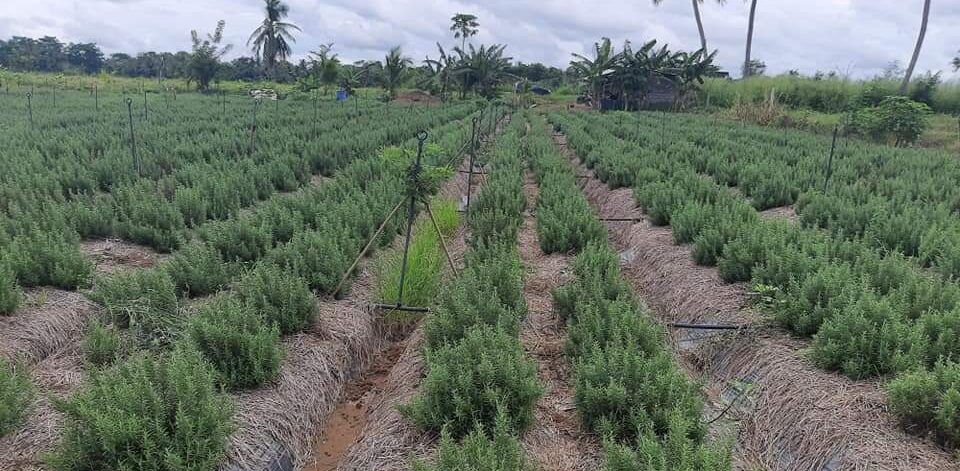
Farming herbs in Kenya is a great opportunity for both new and experienced farmers. The country’s different climate zones provide ideal conditions for growing various herbs, including popular culinary herbs and powerful medicinal plants.

The herb farming industry in Kenya has experienced significant growth due to several factors:
- Increasing demand from local restaurants and supermarkets
- Expanding export opportunities to European markets
- Growing interest in natural medicines and remedies
- Development of the cosmetic and essential oil industries
You can start a profitable herb farm with a small initial investment – as low as KSh 25,000. Most herbs have a quick growth cycle of 6-8 weeks, allowing you to see returns on your investment sooner compared to traditional crops.
Kenya’s favorable climate allows for year-round cultivation of widely used herbs such as:
- Culinary herbs: Basil, coriander, parsley
- Medicinal herbs: Aloe vera, chamomile, moringa
- Aromatic herbs: Lavender, peppermint, rosemary
With careful planning and connections in the market, a quarter-acre herb farm has the potential to earn KSh 50,000 per month, making it an appealing business opportunity for aspiring farmers.
To further enhance your herb farming venture:
- Explore advanced agricultural techniques like tissue culture to obtain higher yields and disease-resistant seedlings.
- If you’re interested in diversifying your farm with other profitable crops such as avocados or bananas, consider attending professional training sessions for valuable insights.
- Choose the right nursery that aligns with your farming requirements by understanding the key qualities of a good nursery.
- Plan your farming activities more effectively by familiarizing yourself with the seasonal planting calendar for fruit seedlings in Central Kenya.

Benefits of Farming Herbs in Kenya
Kenya’s diverse climate zones create ideal growing conditions for herb farming across multiple regions:
- Coastal Areas: Perfect for heat-loving herbs like basil and lemongrass
- Highland Regions: Excellent for herbs like thyme and rosemary
- Mid-Altitude Zones: Ideal for versatile herbs such as mint and coriander
Starting a herb farm requires minimal initial investment compared to traditional crops:
- Land requirements: As small as 1/4 acre
- Basic tools and equipment: KSh 15,000-25,000
- Seeds and seedlings: KSh 10,000-20,000
- Simple irrigation setup: KSh 5,000-10,000
The quick maturity cycle of herbs creates rapid income potential:
- Coriander: 4-6 weeks
- Basil: 6-8 weeks
- Mint: 4-8 weeks
- Parsley: 8-10 weeks
These fast growth periods allow for multiple harvests per year, maximizing your earning potential. A well-managed quarter-acre herb farm can yield 3-4 harvests annually, generating consistent income throughout the year.
The adaptability of herbs to different growing conditions reduces the need for expensive inputs:
- Natural pest resistance
- Minimal fertilizer requirements
- Low water consumption
- Reduced labor costs
Many herbs thrive in Kenya’s natural soil conditions, requiring minimal soil amendments and making them an economically viable farming option. This is similar to the benefits seen in grafted fruit seedlings, which also offer a lucrative farming opportunity.
If you’re considering expanding your agricultural endeavors beyond herb farming, you may want to explore options like starting an avocado orchard, which can be highly profitable with the right guidance.
For those who are looking to purchase avocado seedlings online, understanding certain [farming mistakes to avoid](https://royalseeedlings.com/avocado-farming-mistakes-to-avoid-for-a-bountiful-harvest) is crucial for ensuring a bountiful harvest. Additionally, it’s important to seek expert advice on preparing your land before receiving seedling delivery to optimize your farming results.

Profitable Herbs to Farm in Kenya
The Kenyan market presents lucrative opportunities for herb farmers, with specific varieties showing exceptional market demand and profitability potential. Let’s explore the most profitable herbs you can cultivate in Kenya’s diverse climate zones.
1. Culinary Herbs
The restaurant industry’s growth and increasing health consciousness among Kenyans have created a steady demand for fresh culinary herbs. Here are the top performers in the Kenyan market:
Basil (Mrihani)
- Market Price: KSh 250-300 per kg
- Growth Cycle: 6-8 weeks
- High demand in Italian restaurants
- Popular varieties: Sweet basil, Thai basil
- Year-round cultivation possible
Coriander (Dhania)
- Market Price: KSh 200-250 per kg
- Growth Cycle: 3-4 weeks
- Essential ingredient in local cuisine
- High demand in both retail and wholesale markets
- Multiple harvests per season
Parsley
- Market Price: KSh 200-300 per kg
- Growth Cycle: 70-90 days
- Used in high-end restaurants
- Both flat-leaf and curly varieties are marketable
- Excellent companion plant for other herbs
Thyme
- Market Price: KSh 300-400 per kg
- Growth Cycle: 90-180 days
- Growing demand in hotels and specialty stores
- Drought-resistant perennial
- Low maintenance requirements
These culinary herbs thrive in well-drained soil with regular watering and full sun exposure. The market demand remains consistent throughout the year, with price spikes during dry seasons. Hotels, restaurants, and supermarkets form the primary customer base, while export opportunities exist for certified organic producers.
Local markets prefer fresh herbs, while export markets accept both fresh and dried varieties. Value addition through proper packaging and organic certification can increase profit margins by 30-50%. The rising trend of home cooking and healthy eating habits continues to drive demand for these essential kitchen herbs.
Additionally, Royal Seedlings provides resources to support women and youth in agribusiness, which could be beneficial for aspiring herb farmers. They also offer valuable insights on various aspects of farming such as identifying and preventing common avocado seedling diseases, choosing the right mango variety for your Kenyan farm, or exploring areas like Muranga which is known for quality Hass avocado seedling production. Moreover, understanding the future of e-commerce in agriculture could provide farmers with an edge in reaching wider markets.
2. Medicinal Herbs
Medicinal herbs represent a high-value segment in Kenya’s agricultural market, with aloe vera and chamomile leading the pack in terms of demand and profitability.
Aloe Vera
- Thrives in Kenya’s arid and semi-arid regions
- Harvest cycle: 12-18 months
- Market value: KSh 400-600 per kg (processed gel)
- Primary buyers: Pharmaceutical companies, cosmetic manufacturers
- Key applications: Skin care products, health supplements, natural medicine
Chamomile
- Ideal for highland areas with moderate temperatures
- Harvest cycle: 60-65 days
- Market value: KSh 800-1,200 per kg (dried flowers)
- Primary buyers: Tea manufacturers, wellness centers
- Key applications: Herbal teas, essential oils, natural sleep aids
Additional Market Opportunities
- Direct supply to local hospitals and clinics
- Export potential to European and Middle Eastern markets
- Value addition through processing into oils and extracts
- Partnership possibilities with natural medicine practitioners
The rising global demand for natural remedies has created a steady market for these medicinal herbs. Local processing facilities offer farmers the opportunity to transform raw herbs into value-added products, increasing profit margins by 40-60%.
Both aloe vera and chamomile require minimal pesticides, making them excellent choices for organic certification. This certification can increase market value by up to 75% compared to conventional farming methods.
It’s worth noting that the success of these crops can also be influenced by factors such as proper spacing during planting. As highlighted in this article on the importance of proper spacing when planting fruit trees, similar principles can apply to the cultivation of medicinal herbs like aloe vera and chamomile. Proper spacing can enhance growth, yield, and overall profitability of these high-demand crops.

3. Aromatic Herbs
Aromatic herbs are a valuable part of Kenya’s farming herbs industry. These fragrant plants have various uses, including producing essential oils and being used in aromatherapy.
Lavender Cultivation
Lavender is grown in Kenya’s highland areas where the soil drains well. With proper care, farmers can harvest lavender 3 to 4 times a year. The dried flowers have a market value ranging from KSh 800 to KSh 1,200 per kilogram. Spa facilities and cosmetic manufacturers are the main buyers of lavender, while farmers can also earn extra income by creating products like sachets and oils.
Peppermint Production
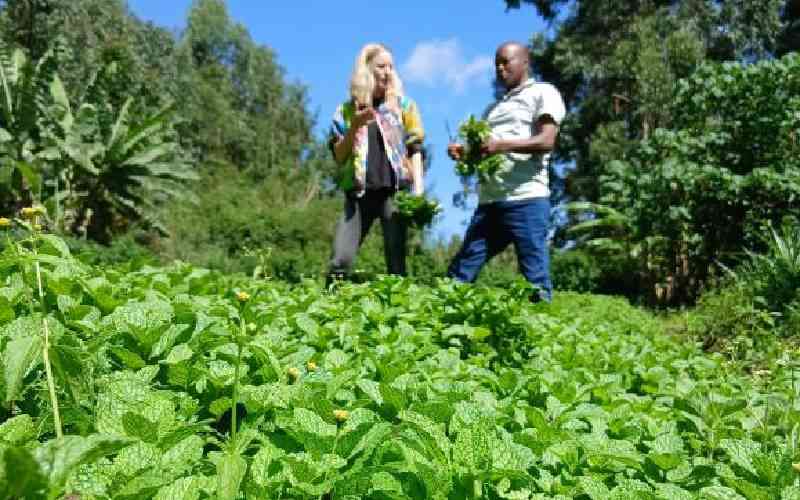
Peppermint is versatile and can thrive in different climates across Kenya. It is a fast-growing crop that can be harvested in just 45 days. Fresh peppermint leaves are sold for KSh 400 to KSh 600 per kilogram, with tea manufacturers showing strong demand for this herb. Additionally, peppermint is a popular ingredient in natural cleaning products.
Value-Added Opportunities
Farmers have the opportunity to increase their profits by extracting essential oils from lavender and peppermint, which can yield three times the amount compared to selling fresh herbs. They can also package dried herbs for retail markets, create custom blends for aromatherapy practitioners, and supply local hotels and wellness centers directly.
The aromatic herb sector in Kenya is experiencing steady growth due to the rising consumer interest in natural products. Local farmers have the potential to access both domestic and international markets, with opportunities for exporting quality aromatic herbs to countries in the Middle East and Europe where demand remains high.
Key Practices for Successful Herb Farming
1. Location Matters
Selecting the right location is crucial forfarming herbs success. Your herbs need 6-8 hours of daily sunlight for optimal growth. Consider these location requirements:
- Sunlight Exposure: South-facing plots receive maximum sunlight, areas free from tall structures or trees, and natural windbreaks to protect delicate herbs.
- Drainage: Choose elevated areas with good drainage to prevent waterlogging.
- Microclimates: Take advantage of coastal regions that benefit from morning sun exposure and highland areas that require protection from strong winds.
2. Prepare Your Soil
Soil Preparation plays a vital role in herb cultivation. Create a nutrient-rich growing medium:
- Mix existing soil with organic compost (1:1 ratio)
- Add well-rotted manure for enhanced fertility
- Maintain soil pH between 6.0-7.0
- Ensure proper drainage through raised beds
For those interested in understanding the soil requirements for different fruit trees, it’s important to note that similar principles apply to herb farming. In fact, you might find it beneficial to explore sustainable practices that can enhance both your herb and fruit tree farming efforts.
3. Choose the Right Propagation Method
Propagation Methods vary based on herb types:
- Seed Propagation: Direct sowing for basil and coriander, seed trays for delicate herbs.
- Vegetative Propagation: Stem cuttings for rosemary and lavender, root division for mint and lemongrass, layering for trailing herbs.
The success of your herb farm depends on choosing elevated areas with good drainage. Coastal regions benefit from morning sun exposure, while highland areas require protection from strong winds. Prepare dedicated nursery beds for sensitive herbs that need special attention during their early growth stages.
If you’re also considering diversifying into other crops like Pixie oranges or avocado farming, these guidelines can be adapted to suit those specific needs as well.
Furthermore, if you’re interested in exploring the potential of growing native plants alongside your herbs, you might find some useful insights in this resource about native plant materials. Additionally, if you’re contemplating expanding your farming venture to include crops like pomegranates, you can refer to this comprehensive guide on pomegranate production which could provide valuable information on best practices and strategies.
Efficient Farming Herbs Techniques
Successful farming herbs relies heavily on proper water management and effective pest control strategies. Here’s how you can optimize these crucial aspects:
Water Management
- Deep watering encourages roots to grow deeper, creating stronger plants
- Water early morning or late evening to minimize evaporation
- Apply mulch 2-3 inches thick around plants to:
- Retain soil moisture
- Suppress weed growth
- Regulate soil temperature
- Reduce water usage by up to 30%
Natural Pest Control Solutions
- Neem oil application:
- Mix 2-3 tablespoons per gallon of water
- Spray bi-weekly during growing season
- Target leaf undersides where pests hide
- Effective against aphids, whiteflies, and mites
Beneficial Insects Integration
- Release these natural predators in your herb farm:
- Ladybugs – control aphids
- Praying mantis – eat various pest insects
- Parasitic wasps – manage caterpillars
- Plant companion flowers like marigolds and nasturtiums to attract beneficial insects
Pro Tip: Create dedicated “insect hotels” using hollow stems and wood blocks to provide shelter for beneficial insects, ensuring they stay in your herb garden long-term.

Marketing Strategies for Herb Farmers
Successful farming herbs in Kenya requires strategic marketing approaches to maximize profits and establish sustainable business relationships.
Direct Sales Channels
- Build relationships with local supermarket chains like Naivas, Carrefour, and Quickmart
- Partner with high-end restaurants and hotels seeking fresh, quality herbs
- Supply health food stores and organic markets in urban areas
- Establish connections with herbal practitioners and wellness centers
Export Market Opportunities
- Join agricultural cooperatives to access international markets
- Meet GlobalGAP certification requirements for export eligibility
- Target European Union markets through established export channels
- Connect with Middle Eastern buyers seeking premium Kenyan herbs
- Explore lucrative opportunities in the Hass avocado export market, which can also provide valuable insights for herb farmers looking to expand their export reach.
Value Addition Strategies
- Transform fresh herbs into dried products with longer shelf life
- Create essential oils using steam distillation methods
- Develop herbal tea blends for retail markets
- Produce herb-based cosmetics and personal care items
Price Positioning
- Fresh culinary herbs: KSh 200-300 per kilogram (local market)
- Export-quality herbs: KSh 500+ per kilogram
- Value-added products: 200-300% markup on base herb prices
- Bulk supply discounts for regular commercial clients
Digital Marketing Tools
- Create social media presence to showcase your herb farm
- List products on agricultural e-commerce platforms
- Develop partnerships through LinkedIn with international buyers
- Use WhatsApp Business for direct customer communication
Establishing multiple revenue streams through diverse marketing channels helps secure consistent income and reduces dependency on single buyers. Regular market research and price monitoring ensure competitive positioning in both local and international markets. Additionally, leveraging resources like essential tips for caring for newly planted avocado seedlings can also enhance the overall productivity of a farm, whether it’s focused on herbs or avocados.
Financial Aspects of Farming Herbs in Kenya
Starting a farming herbs venture in Kenya requires careful financial planning. Here’s a breakdown of the essential costs and revenue potential:
Initial Investment Requirements
- Land preparation: KSh 10,000 – 15,000
- Quality seeds and planting materials: KSh 8,000 – 12,000
- Basic irrigation setup: KSh 7,000 – 18,000
- Tools and equipment: KSh 5,000 – 8,000
Market Price Analysis
Local market fresh herb prices:
- Basil: KSh 200-250/kg
- Coriander: KSh 180-220/kg
- Mint: KSh 200-300/kg
- Rosemary: KSh 250-350/kg
Export market prices:
- Premium culinary herbs: KSh 500-800/kg
- Medicinal herbs: KSh 600-1000/kg
- Organic certified herbs: KSh 800-1200/kg
Profit Maximization Strategies
To maximize profits in herb farming, consider choosing between local and imported apple varieties for Kenyan climates, which can diversify your farming venture. Additionally, implementing the science behind grafting can significantly improve crop yield and quality.
Here are some strategies to enhance profitability based on farm profitability strategies:
- Plant fast-growing herbs like coriander and basil for quick returns
- Integrate high-value perennials such as rosemary and lavender
- Combine seasonal herbs with year-round varieties
- Allocate 60% space to high-demand culinary herbs
- Reserve 40% for premium medicinal and aromatic herbs
A quarter-acre herb farm can generate monthly revenues of KSh 50,000-80,000 when properly managed. Your profit margins increase significantly by targeting export markets and implementing value-addition processes. Direct sales to local restaurants and hotels offer better prices than wholesale markets.

Sustainability and Community Impact of Herb Farming
Herb farming is a shining example of sustainable agriculture in Kenya, bringing about positive changes in local communities. The natural resilience of herbs reduces the need for chemical pesticides, making them environmentally friendly crops.
Sustainable Practices in Herb Farming:
- Companion planting with herbs naturally repels pests
- Minimal water requirements compared to traditional crops
- Root systems prevent soil erosion
- Natural soil enrichment through leaf decomposition
- Biodiversity enhancement by attracting beneficial insects
Community Benefits:
Employment Creation
- Small-scale farmers can start with minimal capital, similar to the training opportunities for aspiring commercial fruit growers in Muranga County
- Local youth engagement in cultivation and processing
- Women empowerment through herb-based enterprises
- Job opportunities in value addition processes
Health and Wellness Impact
- Access to fresh medicinal herbs for local communities
- Traditional healing knowledge preservation
- Reduced healthcare costs through natural remedies
- Enhanced nutrition through herb incorporation in meals
Economic Empowerment
- Knowledge sharing among community members
- Formation of herb farming cooperatives
- Income generation through local market sales, which can be significantly boosted by the economic impact of quality seedlings on smallholder incomes
- Skills development in herb processing and preservation
The integration of herb farming into Kenyan communities creates a self-sustaining cycle. Farmers practicing organic herb cultivation contribute to soil health improvement, while their harvests provide both economic opportunities and natural healthcare solutions for local residents. This agricultural approach builds resilient communities while preserving traditional herbal knowledge for future generations.
Moreover, the success stories from other sectors such as pomegranate farming in Kenya demonstrate the potential of diversifying into other profitable crops alongside herbs.
Conclusion
Herb farming in Kenya is a great opportunity for aspiring farmers. With the potential to earn KSh 50,000 monthly from a quarter-acre plot, it’s clear that this venture can be very profitable.
The key to success in herb farming is within your reach:
- Low initial investment (KSh 25,000-45,000)
- Quick returns with harvest cycles of 6-8 weeks
- Diverse market opportunities both locally and internationally
- Sustainable farming practices that benefit the environment
You can start your journey into herb farming today. With Kenya’s ideal climate, increasing market demand, and various value-addition options, the herb farming industry is ready for you to join. Take the first step – whether it’s growing culinary herbs for local restaurants or medicinal herbs for export markets, your success story in Kenyan herb farming starts with action.
Are you ready to make your agricultural dreams come true? The herb farming industry in Kenya is full of opportunities – don’t miss out.
Contact Royal Seedlings:
 Phone: +254 711315313
- Email: Julius.murega@royalseedlings.
com, - Website:www.royalseedlings.com
 Phone: +254 711315313
 Email:
  Website:
FAQs (Frequently Asked Questions)
What makes Kenya an ideal location for herb farming in 2025?
Kenya offers a perfect climate with diverse regions suitable for cultivating various herbs. The country’s favorable weather conditions, combined with low startup costs and quick maturity periods of herbs, make it an ideal location for profitable herb farming.
Which herbs are most profitable to farm in Kenya?
Profitable herbs in Kenya include culinary herbs like basil, coriander (dhania), parsley, and thyme; medicinal herbs such as aloe vera and chamomile; and aromatic herbs like lavender and peppermint. These herbs have high market demand locally and internationally.
What are the key practices for successful herb farming in Kenya?
Successful herb farming involves selecting suitable locations with adequate sunlight, preparing soil using organic compost, and employing effective propagation methods. Proper water management through deep watering and mulching, along with natural pest control techniques like using neem oil and beneficial insects, are also essential.
How can herb farmers in Kenya effectively market their produce?
Herb farmers can market their products through direct sales to supermarkets and restaurants, tapping into export markets via cooperatives, and adding value by producing dried herbs, essential oils, herbal teas, powders, and cosmetics. These strategies help maximize profits and expand market reach.
What are the financial considerations for starting an herb farm in Kenya?
Starting an herb farm requires an initial investment that is relatively low compared to other agricultural ventures. Farmers should consider local versus export market prices to maximize profits and explore crop diversification to enhance earnings from herb farming.
How does herb farming contribute to sustainability and community development in Kenya?
Herb farming promotes sustainability through eco-friendly cultivation practices. It benefits communities by providing natural remedies, creating employment opportunities, and supporting local economies, thereby enhancing social welfare alongside environmental conservation.