

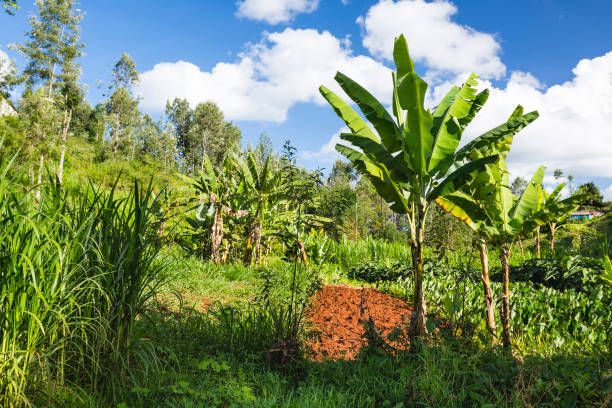
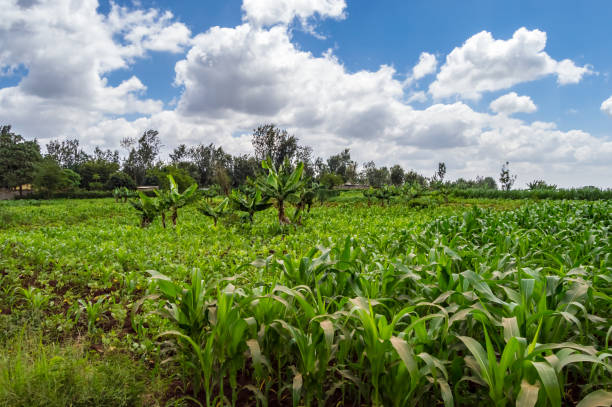
Farming in Kitale is a backbone to the economy of East Africa, and Kenya in particular. Kitale, located in Trans-Nzoia County, is known as Kenya’s agricultural hub. It has earned the title of the “cereal basket of Kenya” due to its successful farming practices and innovative approaches to agriculture over the years.

Importance of Kitale’s Agriculture
Kitale’s agricultural impact goes beyond its own region, playing a vital role in ensuring food security for Kenya. The town is known for its significant production of:
- Maize – the main crop grown in the area
- Wheat – contributing to the country’s grain reserves
- Dairy products – providing sustenance to millions across the nation
Diverse Farming Activities in Kitale
The farming scene in Kitale is diverse, with local farmers engaging in various agricultural activities. Some of the crops being cultivated include:
- Iron-rich beans
- Irish and sweet potatoes
- Indigenous vegetables like Sukuma wiki (kale)
- Amaranthus
- High-value fruits
This agricultural hub serves as an example of sustainable farming practices, showcasing how traditional cereal production can coexist with modern horticultural ventures.
Embracing Innovation for Sustainable Farming
Local farmers are increasingly adopting innovative methods such as caring for newly planted avocado seedlings, which is part of a larger movement towards sustainable agriculture.
This shift not only boosts productivity but also empowers women and youth in agribusiness, providing them with fresh opportunities and economic empowerment.
Preparing Land for Seedling Delivery
Looking ahead, it is crucial to continue preparing our land effectively before receiving seedlings delivery to ensure successful planting and growth. The committed farming community in this region is well-prepared to embrace these changes and uphold agricultural excellence in Kenya.
Growing Interest in Fruit Cultivation
In addition to traditional crops, there is also a rising interest in fruit cultivation. Farmers now face the choice of selecting between local and imported apple varieties for Kenyan climates, which presents both challenges and opportunities in diversifying their produce.
The combination of traditional knowledge and modern techniques positions Kitale as a leading force in Kenya’s agricultural landscape, ensuring a sustainable future for generations to come.

Importance of Modern Farming Methods in Kitale
Modern farming methods are transforming agriculture in Kitale, where the land is fertile and ideal for growing crops. These new techniques are designed to increase productivity and sustainability in farming practices.
Key Innovations in Agriculture
Some of the key innovations that are being implemented in Kitale include:
- Precision Agriculture: Using GPS-guided tractors and soil mapping technology to optimize resource use
- Smart Irrigation Systems: Implementing drip irrigation and moisture sensors for water conservation
- Integrated Pest Management: Combining biological controls with targeted pesticide application
The Role of Crop Diversification
Crop diversification is a fundamental aspect of modern farming in Kitale. By growing a variety of crops instead of relying on a single one, farmers can enjoy several benefits:
- 40% higher income stability through multiple harvest seasons
- Enhanced soil fertility through crop rotation
- Reduced risk from crop-specific diseases and pests
- Year-round food availability for better household nutrition
The Benefits of Certified Seeds
Another important factor contributing to the success of modern farming in Kitale is the adoption of certified seeds. These seeds offer numerous advantages over traditional ones:
- Disease Resistance: Enhanced immunity to common crop diseases
- Climate Adaptability: Seeds specifically bred for Kitale’s climate conditions
- Higher Yields: Up to 30% increase in crop production per acre
- Quality Assurance: Guaranteed genetic purity and germination rates
Support from Agricultural Extension Services
Local agricultural extension services play a crucial role in promoting these modern techniques among farmers. They provide practical training and guidance on how to implement them effectively.
For instance, understanding how to choose the right mango variety can significantly enhance the success of fruit farming in the region. Furthermore, employing grafting techniques can lead to improved crop yield and quality. Additionally, recognizing the importance of proper spacing when planting fruit trees is crucial for maximizing growth potential.
The combination of certified seeds, diversified crops, and modern farming technologies creates a robust agricultural system that strengthens both food security and economic stability in Kitale.
Focus on Fruit Farming and Horticulture Projects
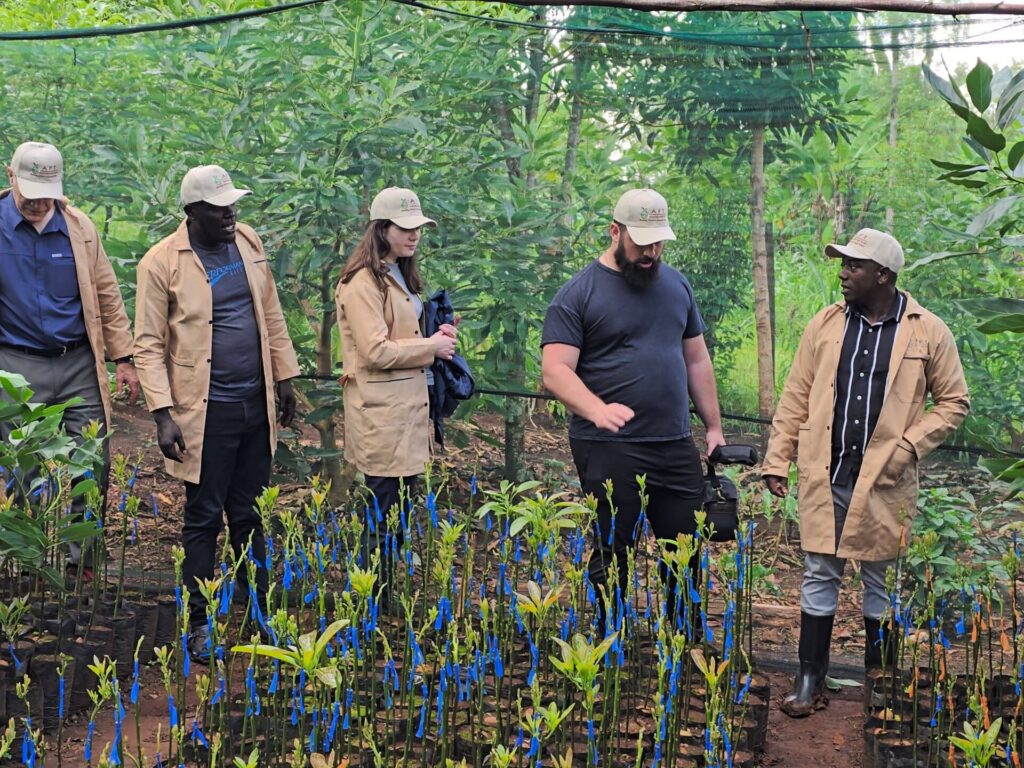
Fruit farming is a key part of Kitale’s agricultural transformation, creating opportunities for both local consumption and export markets. The region’s climate is suitable for growing various fruits, with avocados becoming a popular choice among farmers.
Avocado Varieties in Kitale:
- Hass Avocado: Dark, rough-skinned fruit with rich, creamy flesh
- Fuerte Avocado: Smooth, green-skinned variety with excellent oil content
These premium avocado varieties command strong market prices and offer versatile uses – from fresh consumption to processing into oils and cosmetics. A single mature avocado tree can yield 1,000-1,500 fruits annually, providing steady income streams for farmers.
To maximize these benefits, local farmers are encouraged to undergo professional training sessions such as those offered in Muranga County. These sessions cover essential aspects of avocado farming, including the understanding of different avocado varieties and their specific care requirements.
Sustainable horticulture projects in Kitale focus on building climate-resilient farming systems through:
- Water-efficient irrigation techniques
- Soil conservation practices
- Integrated pest management
- Mixed cropping systems
Local farmers receive hands-on training in climate-smart agriculture practices, enabling them to adapt to changing weather patterns while maintaining productive orchards. These sustainable approaches include:
- Mulching to conserve soil moisture
- Companion planting for natural pest control
- Rainwater harvesting systems
- Organic fertilizer application
The implementation of these practices has resulted in increased fruit quality and improved farm resilience against extreme weather events, securing both food supply and farmer livelihoods. Furthermore, understanding the benefits of grafted fruit seedlings can significantly enhance the productivity of these farms.
In addition to avocados, farmers can benefit from following a seasonal planting calendar for fruit seedlings, which takes into account the optimal times for planting various fruit types based on local climatic conditions.

Improving Quality for Export Markets
Farmers in Kitale, like those in Muranga who are known for producing high-quality Hass avocado seedlings, must meet strict quality standards when selling to international markets. To meet these standards, farmers need to follow specific farming practices and have quality control measures in place:
Key Export Standards
- Global GAP certification
- Pesticide residue limits
- Size and grade specifications
- Proper packaging requirements
- Traceability systems
In Kitale, farmers are focusing on practical steps to improve the quality of their crops:
1. Pre-harvest Management
- Soil testing and analysis
- Integrated pest management
- Proper irrigation scheduling
- Regular crop monitoring
2. Post-harvest Handling
- Temperature-controlled storage
- Grading and sorting facilities
- Clean packaging materials
- Safe transportation methods
Building connections with export companies is crucial for sustainable farming practices. This can be achieved through:
- Direct partnerships with export companies
- Contract farming agreements
- Training programs on quality assurance
- Support in negotiating prices
- Regular updates about market conditions
Local collection centers equipped with modern facilities play a vital role in helping farmers maintain the quality of their produce. These centers offer services such as sorting, grading, and temporary storage to ensure that products meet the requirements for export.
Successful market linkages in Kitale depend on consistent delivery of high-quality products. Farmers receive training on important tasks such as documentation, record-keeping, and certification processes to ensure they can continue accessing international markets. This is especially important as Kenyan farmers have the potential to earn significant profits from exporting Hass avocados.
To support this goal, it is essential for farmers to implement best practices when purchasing avocado seedlings online and understand the [economic impact of high-quality seedlings on smallholder incomes](https://royalseedlings.com/the-economic-impact-of-quality-seedlings-on-smallholder-incomes). This knowledge will empower farmers to make informed decisions that enhance their profitability in the export market.
Small-Scale Farming Initiatives and Cluster Formation
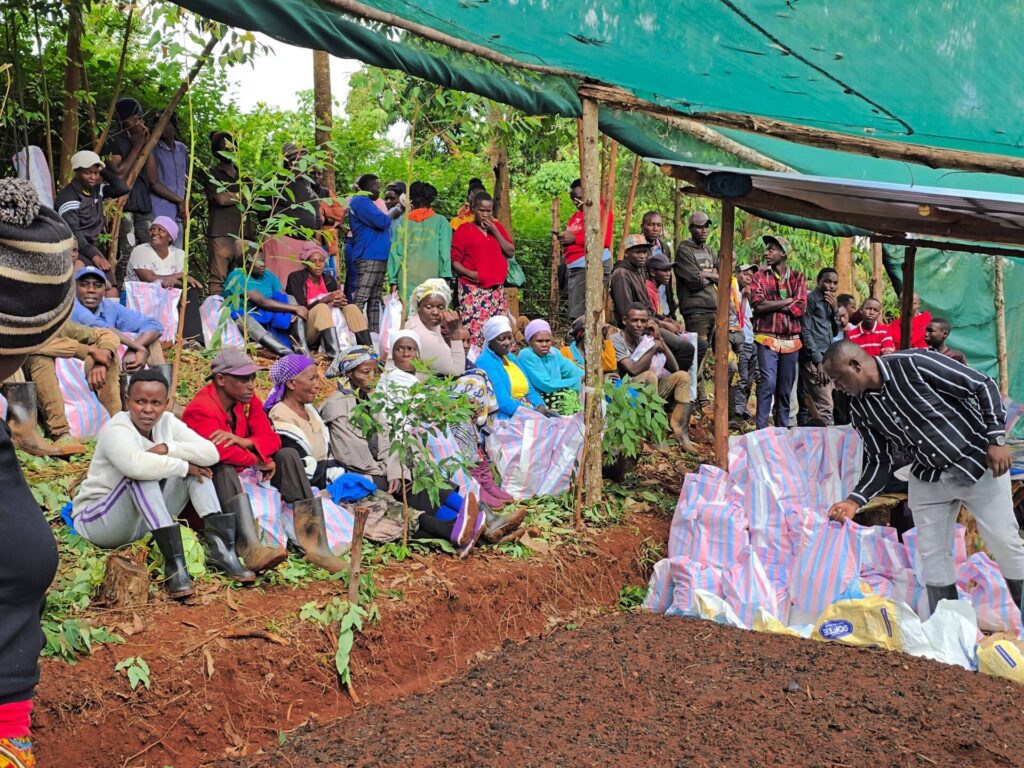
Small-scale farmers in Kitale are discovering the power of collective action through organized farming initiatives. These initiatives provide essential resources, training, and market access opportunities that individual farmers might struggle to obtain alone.
Key Benefits of Grower Associations:
- Access to bulk purchasing discounts for inputs
- Shared knowledge and farming techniques
- Collective bargaining power for better market prices
- Regular updates on industry trends and standards
- Pooled resources for storage and transportation
The integration of poultry farming with vegetable cultivation has emerged as a successful model for small-scale farmers. This combination creates multiple income streams while maximizing land use efficiency. Chicken manure serves as organic fertilizer for vegetable plots, reducing input costs and promoting sustainable farming practices.
Integrated Farming Success Factors:
- Strategic placement of chicken coops near vegetable gardens
- Rotation of vegetable crops to maximize nutrient uptake
- Balanced distribution of resources between poultry and crops
- Year-round income generation through diversified production
Local grower associations provide structured support systems for farmers transitioning to integrated farming methods. These groups organize regular training sessions, facilitate market connections, and help members access quality inputs at competitive prices. The collaborative environment enables farmers to share experiences, troubleshoot challenges, and adapt successful strategies from their peers.
Among the various crops that can be cultivated using these integrated farming methods, avocado is a lucrative option that requires careful planning to avoid common pitfalls. Similarly, the pixie orange which thrives in the region’s climate, offers another profitable avenue for small-scale farmers. Additionally, exploring pomegranate farming in Kenya could unveil new opportunities despite its challenges, further diversifying the income sources for these farmers.
Moreover, implementing integrated farming practices not only enhances productivity but also contributes significantly towards achieving sustainability in agriculture.
Driving Farmer Incomes and Sustainability in Kitale
Kitale’s agricultural success depends on strong support systems designed to empower local farmers. The region’s comprehensive education programs equip farmers with essential skills in:
- Financial management and record keeping
- Modern farming techniques
- Post-harvest handling
- Market analysis and pricing strategies
Seed financing initiatives provide critical startup capital, enabling farmers to:
- Purchase high-quality certified seeds
- Invest in proper irrigation systems
- Access necessary farming equipment
- Implement soil conservation measures
Market sustainability drives long-term income growth through structured partnerships. Local farmers benefit from:
- Direct contracts with processing companies
- Access to premium export markets
- Price stabilization mechanisms
- Value addition opportunities
The strategic approach to improving farmer incomes combines practical training with financial support. Farmers receive hands-on guidance in:
- Crop diversification planning
- Risk management strategies
- Quality control measures
- Supply chain optimization
These integrated support systems create a sustainable agricultural ecosystem in Kitale. Local farmers now participate in value-added processing, establish reliable market connections, and build resilient farming operations that withstand market fluctuations and climate challenges.
To further enhance their agricultural practices, farmers can explore e-commerce trends which are shaping the future of agriculture. Additionally, understanding how to identify and prevent common avocado seedling diseases can significantly improve their yields, as outlined in this comprehensive guide.
Conclusion
Kitale’s agricultural potential offers endless opportunities for both new and experienced farmers. Your journey toward successful farming starts with quality seedlings and reliable partnerships.
Ready to start your farming venture?
- Order high-quality seedlings tailored to Kitale’s climate
- Join our network of successful farmers
- Access expert guidance and support
- Benefit from established market connections
To ensure successful farming, it is crucial to start with the right resources. This includes sourcing quality seedlings, which can significantly impact your yield. Our team specializes in providing high-quality seedlings that are well-suited for the local climate.
In addition to supplying seedlings, we also offer expert guidance to help you navigate the complexities of farming. Whether you’re interested in starting an avocado orchard or need advice on preventing pest infestations in young orchards naturally, our network of successful farmers is here to support you.
We understand that embarking on a farming journey can be daunting, especially when it comes to online purchases. That’s why we’ve compiled a list of frequently asked questions about avocado seedling purchases online to help ease your concerns.
Take the first step today – your farming success story awaits. Our team stands ready to support your agricultural goals with proven strategies and quality materials.
Connect with us:
Phone: 0711315313
Email: julius.murega@royalseedlings.com
Transform your farming dreams into reality. Whether you’re starting small or scaling up, we’re here to help you succeed in Kitale’s thriving agricultural landscape. Order your seedlings now and become part of our growing farming community.
Start your farming journey today
FAQs (Frequently Asked Questions)
What makes Kitale a significant agricultural hub in Kenya?
Kitale is known as the cereal basket of Kenya, boasting diverse farming activities that contribute significantly to the country’s agriculture. Its fertile lands and favorable climate support various crops, making it a key agricultural town.
Why are modern farming methods important for farmers in Kitale?
Modern farming methods in Kitale encourage crop diversification, enhance nutrition and food security, and promote the use of certified seeds. Adopting these techniques leads to improved crop yields and sustainable farming practices.
What role does fruit farming, especially avocado cultivation, play in Kitale’s agriculture?
Fruit farming is emphasized for both local consumption and export markets in Kitale. The region focuses on avocado varieties such as Hass and Fuerte, alongside sustainable horticulture projects that promote climate resilience.
How are farmers in Kitale improving the quality of their produce for export markets?
Farmers in Kitale strive to meet export standards by enhancing produce quality through strategic practices. They also develop strong market linkages to ensure sustainable farming practices and better access to international markets.
What initiatives support small-scale farmers and cluster formation in Kitale?
Small-scale farming initiatives promote grower associations that provide industry updates and foster collaboration. Additionally, integrating poultry farming with vegetable cultivation supports diversified income streams for farmers.
How does the support system in Kitale help drive farmer incomes and sustainability?
Support systems like education programs, seed finance, and market sustainability efforts are essential in Kitale. These initiatives aim to improve long-term income growth for farmers while ensuring sustainable agricultural practices.