

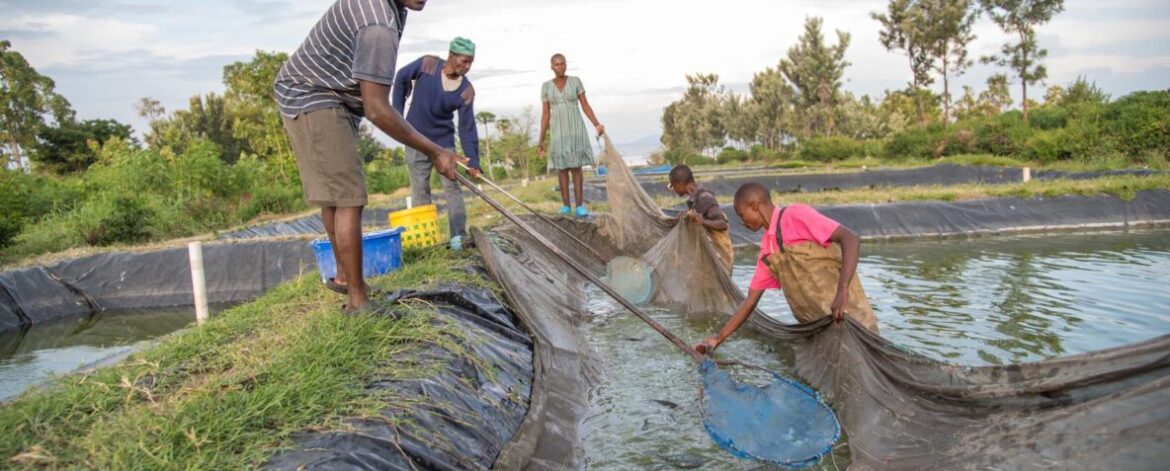
Fish farming in Kenya is a crucial part of the country’s agriculture, helping to meet the increasing need for protein as the population grows. With urban areas expanding and dietary preferences changing, aquaculture has become a sustainable solution to balance the demand and supply of fish.
The practice of fish farming in Kenya has seen remarkable growth, transforming from traditional small-scale operations to modern commercial ventures. This shift has created opportunities for:
- Food security enhancement
- Job creation in rural communities
- Economic diversification
- Sustainable protein production
Additionally, this comprehensive guide equips you with essential knowledge to start and manage a successful fish farm in Kenya. You’ll discover:
- Popular Fish Species: In-depth analysis of suitable species for Kenyan conditions
- Farming Methods: Detailed breakdown of pond types and infrastructure requirements
- Feeding Practices: Expert insights on nutrition management
- Disease Control: Practical strategies for maintaining healthy fish stocks
- Industry Challenges: Real solutions to common obstacles
- Growth Opportunities: Market trends and innovation possibilities
Whether you’re a beginner exploring aquaculture or an experienced farmer looking to expand your operations, this guide provides actionable insights for success in Kenyan fish farming. The information combines traditional practices with modern techniques, ensuring sustainable and profitable fish farming ventures.
In addition to fish farming, there’s also potential in diversifying into other agricultural ventures such as avocado farming. For those interested, here’s a step-by-step guide to starting an avocado orchard in Kenya. It’s important to note that successful farming requires not just hard work but also knowledge about preventing pest infestations in young orchards naturally and understanding how Royal Seedlings supports women and youth in agribusiness. ]
Furthermore, if you’re considering purchasing avocado seedlings online, you might find these frequently asked questions about avocado seedling purchases online helpful. Lastly, for those preparing land before receiving seedling deliveries, this expert advice on land preparation could prove invaluable.
Popular Fish Species for Farming in Kenya
Kenya’s aquaculture sector thrives with several fish species that adapt well to local farming conditions. Here are the primary species you can cultivate:
1. Tilapia
Tilapia is a popular choice for fish farming in Kenya due to its rapid growth and ability to thrive in various conditions. Here are some key characteristics:
- Grows rapidly in temperatures between 20-30°C
- Reaches market size within 6-8 months
- Breeds naturally in ponds without hormone treatments
- Tolerates varying water conditions
- Requires minimal maintenance
- Commands high market prices in urban areas

2. African Catfish
African catfish is another widely farmed species in Kenya, known for its adaptability and resilience. Here are the reasons why farmers choose this fish:
- Survives in turbid water conditions
- Grows to market size in 6-7 months
- Resists common diseases
- Accepts diverse feed options
- Thrives in high-density environments
- Popular in both rural and urban markets
3. Ornamental Fish Options
In addition to food fish, there is also a demand for ornamental fish farming in Kenya. Here are some options available for farmers looking to tap into this niche market:
- Goldfish: Ideal for small-scale operations
- Koi: High-value specialty market
- Guppies: Quick breeding cycle
- Swordtails: Popular among hobbyists
It’s important to note that ornamental fish require specialized care and clean water conditions to ensure their health and vibrancy.
Each species presents unique advantages for different farming scenarios. Tilapia suits beginners with its hardy nature and established market. Catfish offers flexibility in water quality management. Ornamental fish provide opportunities for specialized market niches with higher profit margins.
In addition to aquaculture, Kenya’s agricultural landscape also includes lucrative ventures such as avocado farming and pomegranate farming. These crops, like the fish species mentioned, also have specific requirements and present unique challenges and opportunities that farmers must navigate for successful cultivation.
Fish Farming Methods and Infrastructure
The success of your fish farming venture in Kenya heavily depends on selecting the right pond type and infrastructure. Here’s what you need to know about the main pond options:

1. Earthen Ponds
- Most cost-effective and popular choice
- Natural ecosystem supports fish growth
- Excellent water retention in clay-rich soils
- Requires regular maintenance to prevent erosion
- Best suited for rural areas with ample space
2. Lined Ponds
- Perfect for areas with sandy or porous soils
- Prevents water seepage
- Higher initial investment but longer lifespan
- Easier to clean and maintain
- Ideal for semi-arid regions
3. Concrete Tanks
- Suitable for urban farming
- Space-efficient design
- Complete control over water quality
- Higher construction costs
- Durable and low maintenance
Also, for beginners, a 300-square-meter pond provides manageable operations while ensuring profitable production. This size accommodates approximately 900-1,200 tilapia or 600-800 catfish siphoning off resources from nearby agricultural activities such as pixie orange farming or hass avocado seedling production.

Construction Costs Breakdown:
- Earthen ponds: KSh 50,000 – 80,000
- Lined ponds: KSh 100,000 – 150,000
- Concrete tanks: KSh 150,000 – 200,000+
Your construction costs will vary based on:
- Local material prices
- Soil conditions
- Labor costs
- Site accessibility
- Drainage requirements
Consider leveraging techniques like grafting which could potentially enhance crop yield and quality in your agricultural pursuits alongside fish farming.
Additionally, understanding the various fish farming methods can provide you with valuable insights into optimizing your venture. Furthermore, familiarizing yourself with the essential aspects of fish farming infrastructure is crucial for ensuring the success of your fish farming operations.
Feeding Practices for Kenyan Fish Farmers
Proper feeding practices are critical for successful fish farming operations. Different fish species require specific nutritional compositions at various growth stages to achieve optimal development.
Nutritional Requirements by Species
- Tilapia: 25-35% protein content
- Catfish: 35-40% protein content
- Fingerlings: Higher protein requirements (40-45%)
- Adult fish: Lower protein needs (25-30%)
Commercial Pellets vs. Homemade Feeds
Commercial Pellets
- Balanced nutritional content
- Consistent quality
- Ready to use
- Higher cost implications
- Limited availability in rural areas
Homemade Feed Options
- Rice bran: 12-15% protein content
- Wheat bran: 15-17% protein content
- Fishmeal: 60-65% protein content
- Cost-effective alternative
- Quality variations
- Labor-intensive preparation
Natural Food Sources
- Green algae
- Phytoplankton
- Zooplankton
- Water insects
- Aquatic plants
You can stimulate natural food production by:
- Adding organic fertilizers
- Maintaining proper water depth
- Regular pond monitoring
- Controlling water transparency
The combination of commercial feeds, homemade alternatives, and natural food sources creates a sustainable feeding system. Many successful farmers integrate multiple feeding strategies to optimize costs while maintaining fish growth rates.
In addition to these practices, it’s also crucial for farmers to understand the overall farming ecosystem, which includes aspects like soil requirements for other crops they might be growing alongside fish farming. For instance, understanding soil requirements for different fruit trees in Kenya can significantly improve their yield if they are also cultivating fruit trees.
Moreover, when it comes to purchasing seedlings for other farming ventures such as avocado or mango farming, knowing the best practices for smallholder farmers when buying avocado seedlings online or how to choose the right mango variety for your Kenyan farm can provide invaluable guidance.
Lastly, if farmers are considering expanding their operations to include a nursery, understanding what makes a good nursery and the key qualities Kenyan farmers should look for will be beneficial.
Disease Management Strategies in Fish Farming
Disease prevention is crucial for successful fish farming in Kenya. Here are some strategies to manage diseases effectively:
Water Quality Management
Maintaining good water quality is essential for preventing diseases. Regularly monitor the following parameters:
- pH levels: Aim for a range of 6.5-9.0
- Dissolved oxygen: Keep it above 5mg/L
- Temperature: Maintain between 20-30°C
- Ammonia concentrations: Ensure it’s below 0.02mg/L
Also, you can implement proper filtration systems to remove waste products and maintain clean water conditions. Use mechanical filters to remove solid waste and biological filters to process dissolved pollutants.
Quarantine Protocols
When introducing new fish into your farm, it’s important to have quarantine protocols in place:
- Isolate new fish for 14-21 days
- Monitor them closely for any signs of illness
- Use separate equipment for quarantine tanks
- Maintain strict biosecurity measures
Common Diseases and Treatments
Here are some common diseases that can affect Kenyan fish farms along with their treatments:
Bacterial Infections
- Aeromonas: Causes skin ulcers and hemorrhages
- Treatment: Approved antibiotics under veterinary guidance
Parasitic Infections
- Ichthyophthirius multifiliis (Ich): White spots on skin and gills
- Treatment: Salt baths or commercial anti-parasitic medications
Fungal Diseases
- Saprolegnia: Cotton-like growth on fish
- Treatment: Potassium permanganate baths
Regular Health Checks
Perform regular health checks on your fish population and take immediate action at the first sign of disease. This proactive approach can help prevent widespread outbreaks in your farm.
Documentation for Improvement
Keep records of any disease occurrences in your farm. This documentation will help you track patterns over time and improve your prevention strategies accordingly.
The principles of disease management in aquaculture can also be applied to other forms of farming, such as avocado farming, where identifying and preventing common seedling diseases is crucial. For instance, this guide provides valuable insights into seedling disease management.
Moreover, just as proper spacing is important when planting fruit trees to ensure their health and productivity, similar considerations might be relevant in aquaculture when it comes to stocking density and space allocation for fish. Also, understanding these spacing requirements can greatly enhance the overall success of your farming venture.

Challenges Facing Fish Farmers in Kenya
Fish farmers in Kenya face significant operational hurdles that impact their success and profitability. The rising cost of commercial fish feeds stands as a primary challenge, with prices reaching KSh 150-200 per kilogram. Notably, these high feed expenses can consume up to 70% of production costs, squeezing profit margins for small-scale farmers.
Inconsistent Supply of Quality Fingerlings
Quality fingerling supply remains inconsistent across the country. Also, the limited number of certified hatcheries forces farmers to:
- Purchase from unreliable sources
- Accept substandard fingerlings with poor growth rates
- Travel long distances to access quality stock
- Deal with seasonal shortages
Interestingly, these seasonal shortages could be alleviated with better planning and access to reliable resources.
Market Competition and Price Volatility
Market dynamics create additional pressure on fish farming operations. Local farmers compete with cheaper imported fish, particularly from China, which often floods the market. Notably, price fluctuations can be severe:
- Peak season prices drop by 30-40%
- Storage facilities are often inadequate
- Transportation costs to market centers are high
- Middlemen control significant market share
Climate Change Impacts
Climate change impacts pose growing challenges for fish farmers, as highlighted by the EPA’s report:
- Water scarcity during drought periods
- Flooding risks during heavy rains
- Temperature fluctuations affecting fish growth
- Disease outbreaks linked to weather changes
Limited Access to Technical Knowledge and Financial Resources
Access to technical knowledge remains limited in rural areas, where many farmers lack proper training in modern aquaculture practices. Financial constraints also restrict farmers’ ability to invest in essential infrastructure and technology upgrades needed for efficient production.
Moreover, the lack of access to quality fingerlings has a profound impact on the overall productivity and income of smallholder farmers. In addition, the economic impact of quality seedlings on smallholder incomes is a clear indication of how crucial it is to address these supply chain issues in aquaculture as well.
In response to these challenges, a comprehensive strategy that includes improved access to quality fingerlings, affordable fish feeds, and advanced technical training is essential. Such an approach aligns with the USDA’s strategic plan, which emphasizes sustainable practices and resource management.
Opportunities for Growth and Innovation in Kenyan Aquaculture Industry
Kenya’s aquaculture industry presents substantial growth potential for both new and established fish farmers. Also, the local demand for fish continues to rise at an impressive rate of 10% annually, driven by increasing health consciousness and population growth in urban areas.
Market Expansion Opportunities:
- Direct sales to restaurants and hotels
- Value-added products like fish fillets and smoked fish
- Export markets in neighboring East African countries
- Online marketplaces and delivery services
Additionally, the Kenyan government actively supports aquaculture development through various initiatives:
Economic Stimulus Program Benefits:
- Financial grants for pond construction
- Subsidized fingerlings for new farmers
- Technical training programs
- Access to modern farming technologies
Additional Growth Avenues:
- Integration with sustainable agriculture practices
- Adoption of recirculatory aquaculture systems
- Development of fish feed production facilities
- Formation of farmer cooperatives for stronger market presence
Note that, the rise of innovative technologies has opened new possibilities for fish farmers. Mobile apps now help monitor water quality and feeding schedules, while solar-powered systems reduce operational costs. Also, these advancements, combined with growing institutional support, create a favorable environment for aquaculture entrepreneurs to establish and expand their operations in Kenya.
Interestingly, the principles of sustainable agriculture that are being integrated into aquaculture practices can also be applied to other sectors, such as horticulture. For instance, choosing between local and imported apple varieties for Kenyan climates presents similar opportunities for growth and innovation.
Case Study: Successful Fish Farming Enterprises in Kenya
Victory Farms in Homa Bay County is Kenya’s largest commercial fish farm, showcasing the immense potential of large-scale aquaculture operations. Located on the shores of Lake Victoria, this enterprise has transformed fish farming through its comprehensive vertically integrated model.
The Operations of Victory Farms
The company’s operations include:
- Breeding: State-of-the-art hatchery producing millions of high-quality tilapia fingerlings
- Growing: Advanced cage culture systems in Lake Victoria
- Processing: Modern facilities for cleaning, filleting, and packaging
- Distribution: Cold chain network reaching markets across East Africa
Commitment to Sustainability
Victory Farms’ commitment to sustainability shapes their entire operation:
- Solar-powered facilities reducing carbon footprint
- Eco-friendly feed formulations minimizing environmental impact
- Water recycling systems conserving resources
- Cage culture technology protecting lake ecosystems
Notably, the enterprise employs over 500 local community members and produces 8,000 tons of fish annually. Their success comes from:
- Strategic Location: Proximity to Lake Victoria enables efficient water access
- Technology Integration: Use of data analytics for production optimization
- Quality Control: Strict adherence to international food safety standards
- Market Understanding: Direct relationships with retailers and exporters
A Model for Other Agricultural Sectors
In addition to its remarkable achievements in fish farming, Victory Farms also serves as a model for other agricultural sectors in Kenya. For example, the success of Hass avocado exports could be replicated by adopting similar sustainable practices and strategic market understanding.
Moreover, the rise of e-commerce in agriculture presents an exciting opportunity for farmers. By leveraging online platforms, they can reach a wider audience and also increase their sales.
Victory Farms shows how modern aquaculture practices, combined with sustainable operations, can create a profitable and environmentally responsible fish farming business in Kenya. Also, their innovative approach aligns with recent findings from research on sustainable aquaculture practices, which emphasizes the importance of integrating sustainable methods into fish farming.
Additionally, the successful implementation of these practices not only benefits the environment but also enhances productivity and profitability, as highlighted in a study on technology integration in agriculture.
Getting Started with Fish Farming in Kenya
Starting a fish farm in Kenya requires careful planning and adherence to local regulations. Here’s what you need to know:
Site Selection
- Access to clean, reliable water source
- Well-draining soil with good water retention
- Flat or gently sloping land
- Protection from flooding
- Proximity to target markets
- Access to electricity
Legal Requirements
- Business registration certificate
- Environmental Impact Assessment (EIA) from NEMA
- Water use permit from Water Resources Authority
- County government approval
- Fish farming permit from State Department of Fisheries
Initial Setup
- Conduct soil tests to determine pond suitability
- Design farm layout based on chosen production system
- Hire experienced contractors for pond construction
- Install proper drainage and water supply systems
- Set up security measures to protect stock
The startup costs range from KSh 100,000 to KSh 500,000 depending on farm size and infrastructure choices. In addition, many successful farmers start with a single pond to gain experience before expanding operations.
While the focus here is on fish farming, it’s worth noting that the principles of site selection and soil management can also apply to other forms of agriculture, such as avocado seedling care. This could provide additional opportunities for diversification in your farming venture.
Call To Action
Ready to dive into fish farming? Your journey starts with quality fingerlings and expert guidance. In addition to providing fish farming skills, we’re here to support your aquaculture venture with:
- Premium tilapia and catfish fingerlings
- Professional consultation services
- Partnership opportunities
- Training and setup assistance
Our expertise doesn’t stop at fish farming. We also provide valuable insights into other agricultural sectors. For instance, you can also learn about the role of tissue culture in banana seedling production, which could be beneficial if you’re considering diversifying your farming efforts.
Additionally, we offer training opportunities for aspiring commercial fruit growers in Muranga County, providing you with the knowledge needed to succeed in fruit farming. If avocado farming is of interest, our professional avocado farming training session can equip you with essential skills.
Moreover, understanding the benefits of grafted fruit seedlings can significantly improve your yield and profitability.
Start Your Fish Farm Today
Call us at 0711315313 or email Julius.murega@royalseedlings.com to:
- Order your first batch of fingerlings
- Schedule a consultation
- Discuss partnership possibilities
- Get personalized guidance for your farm setup
Lastly, take the first step toward building your profitable fish farming enterprise in Kenya – contact us now.
FAQs (Frequently Asked Questions)
What are the most popular fish species for farming in Kenya?
The most popular fish species for farming in Kenya include Tilapia, known for its adaptability and fast growth; Catfish, which tolerates less clean water and grows rapidly; and ornamental fish such as goldfish, koi, and guppies that have high market demand.
What types of fish farming ponds are commonly used in Kenya?
Common pond types in Kenyan fish farming include earthen ponds, which are the most popular; lined ponds suitable for areas with high water loss; and concrete tanks ideal for limited space. Also, beginners are recommended to start with ponds around 300 square meters.
How should Kenyan fish farmers approach feeding their fish?
Kenyan fish farmers should understand the nutritional needs of different fish species at various growth stages. Feeding options include commercial pellets and homemade feeds like rice bran, wheat bran, and fishmeal. In addition, natural pond food such as algae can also supplement artificial feeds to optimize nutrition and cost-effectiveness.
What are effective disease management strategies in Kenyan aquaculture?
Effective disease management includes maintaining good water quality through regular monitoring and filtration, quarantining new stock before introduction to existing populations, and identifying common diseases like bacterial infections (Aeromonas) or parasites (Ich) with appropriate treatment measures.
What challenges do fish farmers face in Kenya’s aquaculture industry?
Fish farmers in Kenya face challenges such as high costs of commercial feeds affecting profitability, limited availability of quality fingerlings due to few large-scale hatcheries, and market fluctuations caused by competition from imported products and seasonal demand variations.
What opportunities exist for growth in Kenya’s fish farming sector?
Opportunities include a growing local demand for fish with an estimated 10% annual consumption increase, government support programs like the Economic Stimulus Program offering grants and training, and potential partnerships with established enterprises promoting sustainable aquaculture practices.