

Choosing between open-pollinated and hybrid varieties is a crucial decision in fruit production. This choice impacts everything from your growing strategy to the characteristics of your final harvest.
Open-pollinated varieties represent nature’s traditional approach, allowing plants to pollinate through natural mechanisms like wind, insects, or birds. These varieties offer stable genetics and the ability to save seeds for future plantings.

Hybrid varieties emerge from controlled crossbreeding between different parent plants, creating offspring with specific desired traits. These varieties often deliver enhanced yields and uniform fruits, though they lack reliable seed-saving capabilities.
Your selection between these two options shapes:
- Seed-saving potential
- Crop yield expectations
- Fruit uniformity
- Disease resistance
- Production costs
- Flavor profiles
The key insight? Neither option is universally superior. Your specific growing goals, whether focused on commercial production or home gardening, will guide your ideal choice. This comprehensive comparison will help you make an informed decision aligned with your fruit production objectives.
Understanding Open-Pollinated Varieties
Open-pollinated varieties represent nature’s traditional approach to fruit reproduction. These plants rely on natural pollinators like bees, butterflies, and wind to transfer pollen between flowers of the same species. This natural process creates genetically stable offspring that maintain their parent plants’ characteristics generation after generation.
The Importance of “True-to-Type” Plants
The defining feature of open-pollinated seeds lies in their ability to produce “true-to-type” plants. When you save and plant these seeds, you can expect fruits with consistent:
- Size and shape
- Color patterns
- Flavor profiles
- Growth habits
- Ripening times
Adaptability to Local Conditions
Open-pollinated varieties shine in their remarkable adaptability to local growing conditions. These plants develop resilience to specific:
- Climate patterns
- Soil types
- Local pests
- Regional diseases
The Significance of Heirloom Varieties
Heirloom varieties, a subset of open-pollinated plants, carry rich genetic diversity passed down through generations. This diversity translates into unique flavor profiles you won’t find in standardized commercial fruits. Many gardeners praise heirloom fruits for their:
- Complex taste notes
- Enhanced aromatics
- Traditional characteristics
- Historical significance
For more insight into the world of heirloom seeds and their benefits, check this resource.
Seed-Saving Potential and Self-Sufficiency
The seed-saving potential of open-pollinated varieties creates a path to self-sufficiency. You can harvest seeds from your best-performing plants, gradually developing a strain perfectly suited to your garden’s specific conditions. This practice:
- Reduces yearly seed costs
- Preserves genetic diversity
- Supports food sovereignty
- Creates locally adapted varieties
Natural Variation and Agricultural Heritage
These varieties often display subtle variations in fruit characteristics, adding visual interest and diverse flavor experiences to your harvest. This natural variation allows for selection and adaptation, making open-pollinated varieties a living part of our agricultural heritage.
Exploring Hybrid Varieties
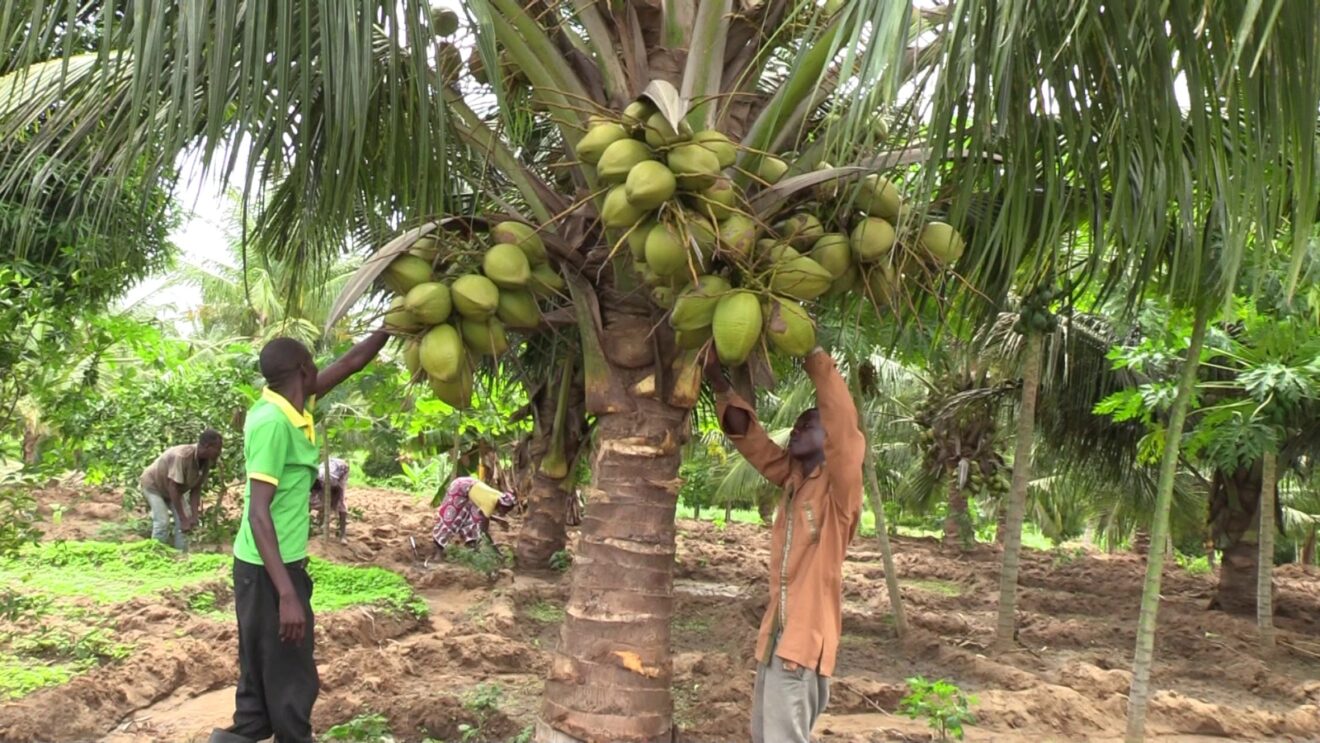
Hybrid varieties represent a significant advancement in fruit production, created through controlled crossbreeding between two distinct parent plants. Plant breeders select parent plants with specific desirable traits and manually cross-pollinate them to create offspring with combined characteristics.
The resulting hybrid seeds harness a phenomenon known as hybrid vigor, or heterosis. This biological advantage manifests in several ways:
- Enhanced Growth Characteristics
- Faster growth rates
- Stronger root systems
- Improved stress tolerance
- Greater disease resistance
- Fruit Production Benefits
- Higher yields per plant
- Uniform fruit size and shape
- Consistent ripening times
- Extended shelf life
The controlled breeding process allows scientists to develop fruits with specific traits suited to commercial production. A prime example is disease-resistant apple varieties that maintain the desired sweetness and texture while requiring fewer pesticides.
Hybrid varieties shine in large-scale agricultural operations where predictability and uniformity are essential. The standardized fruit characteristics make harvesting and packaging more efficient, reducing labor costs and waste.
These varieties also demonstrate remarkable resilience in challenging growing conditions:
- Resistance to specific plant diseases
- Better tolerance to temperature fluctuations
- Improved drought resistance
- Enhanced ability to withstand pest pressure
The genetic makeup of hybrid varieties creates a protective effect against common crop diseases, making them particularly valuable in regions where certain pathogens pose significant threats to fruit production.
Key Differences Between Open-Pollinated and Hybrid Varieties
The genetic stability between open-pollinated and hybrid varieties creates distinct advantages and limitations for fruit producers. Open-pollinated varieties produce true-to-type seeds, allowing growers to save and replant seeds that maintain consistent characteristics generation after generation. Hybrid varieties lack this genetic stability – seeds saved from hybrid fruits typically produce plants with unpredictable traits that differ from their parent plants.
Cost and Resource Implications:
- Open-pollinated seeds cost less initially
- Hybrid seeds require annual purchasing
- Open-pollinated varieties need minimal external inputs
- Hybrid production demands controlled growing conditions
Flavor and Quality Characteristics:
- Open-pollinated fruits offer diverse flavor profiles
- Hybrid varieties prioritize shelf life and appearance
- Traditional varieties excel in taste complexity
- Hybrid fruits provide consistent size and shape
The adaptability factor plays a crucial role in variety selection. Open-pollinated plants develop natural resistance to local pests and diseases through successive generations of adaptation. These varieties thrive in specific microclimates and soil conditions. Hybrid varieties maintain uniform growth patterns across different environments but may struggle without optimal growing conditions.
Growing Conditions Impact:
- Open-pollinated varieties adapt to local climates
- Hybrids require specific growing conditions
- Traditional varieties show resilience to weather variations
- Hybrid plants need precise nutrient management
The genetic diversity in open-pollinated varieties creates a buffer against environmental stresses. This natural variation allows some plants to survive challenging conditions, preserving the variety. Hybrid varieties offer predictable performance under controlled conditions but may show reduced resilience to unexpected environmental changes.

Advantages of Open-Pollinated Varieties in Fruit Production
Open-pollinated varieties shine in their ability to support sustainable gardening practices through reliable seed saving. You can harvest seeds from your best-performing fruits, store them properly, and plant them the following season with confidence that they’ll produce similar characteristics. This practice eliminates the need for annual seed purchases and allows you to develop fruit varieties specifically adapted to your local growing conditions.
Seed Saving Benefits:
- Create your own seed bank
- Reduce dependency on commercial seed suppliers
- Build regional resilience through locally-adapted varieties
- Share seeds with other gardeners in your community
The flavor profiles of open-pollinated fruits often surpass their hybrid counterparts. Heirloom varieties, particularly, are known for their complex taste characteristics. Many gardeners prize these varieties for their unique flavors that have been preserved through generations of careful selection.
Notable Flavor Characteristics:
- Rich, complex taste profiles
- Distinctive varietal characteristics
- Traditional flavor notes
- Enhanced aromatics
Open-pollinated varieties adapt to local environmental conditions over time. Through natural selection, plants that thrive in your specific climate pass their genetics to subsequent generations. This adaptation process results in:
- Improved drought tolerance
- Better pest resistance
- Enhanced soil compatibility
- Increased cold or heat tolerance
The genetic diversity within open-pollinated varieties creates a natural buffer against environmental stresses. Each plant can respond slightly differently to challenges, increasing the chances that some will survive and produce fruit even under adverse conditions.
Considerations for Growers When Choosing Between Open-Pollinated and Hybrid Varieties
Your growing goals directly influence the choice between open-pollinated and hybrid varieties. Here’s what you need to consider:
1. Market Requirements
- Commercial growers need uniform fruit size and appearance
- Local market customers often value unique varieties and flavors
- Restaurant suppliers require consistent produce quality
2. Resource Assessment
- Initial seed cost investment
- Available growing space
- Labor capacity for seed saving
3. Environmental Factors
- Local climate conditions
- Disease pressure in your area
- Length of growing season
4. Production Scale
- Small-scale gardeners benefit from seed-saving economics
- Large operations require predictable yields
- Mid-size farms might blend both variety types
5. Time Management
- Seed saving requires dedicated time and storage
- Hybrid varieties offer time-saving uniformity
- Crop rotation planning impacts variety selection
The decision matrix shifts based on your specific situation. A market farmer might choose hybrids for main-season crops while maintaining open-pollinated varieties for specialty products. Home growers can experiment with both types to find their ideal balance. Understanding the glossary of gardening terms and concepts can also aid in making informed decisions, especially when considering specific crop types such as beans, which have unique production requirements.
Distinction Between Hybrids and GMOs in Fruit Production
Hybrid fruits are created through traditional crossbreeding between parent plants of the same species. This process replicates natural pollination but in a controlled environment, resulting in offspring that inherit traits from both parents.
GMOs, on the other hand, involve a different method altogether:
- Laboratory Modification: Scientists directly alter the plant’s DNA by inserting genes from different species
- Cross-Species Engineering: GMOs can contain genetic material from unrelated organisms, such as bacteria or animals
- Precise Gene Selection: Specific traits are targeted and modified at the molecular level
Traditional hybridization produces variations through:
- Natural gene combinations within the same species
- Selection of parent plants with desired characteristics
- Cross-pollination techniques that could occur in nature
The main difference between hybrids and GMOs is how they modify genes. Hybrid varieties stick to species boundaries and depend on natural reproduction. GMOs go beyond these limits by directly manipulating genes, enabling traits that conventional breeding methods can’t achieve.
Conclusion
The choice between open-pollinated and hybrid varieties shapes your fruit production journey in distinct ways. Open-pollinated varieties shine with their seed-saving potential, unique flavors, and adaptability to local conditions. These traits make them ideal for home gardeners and small-scale growers focused on sustainability and preserving heritage varieties.
Hybrid varieties deliver exceptional performance through increased yields, disease resistance, and uniform fruit production – characteristics that appeal to commercial growers and those prioritizing consistent harvests.
Your growing goals should guide your selection:
- Choose open-pollinated varieties if you value:
- Seed saving capabilities
- Rich, diverse flavor profiles
- Lower initial costs
- Local climate adaptation
- Select hybrid varieties if you prioritize:
- High crop yields
- Disease resistance
- Uniform fruit size
- Predictable harvest times
Both approaches have earned their place in modern fruit production. The best choice aligns with your specific needs, whether you’re growing for market sales, personal consumption, or preserving genetic diversity.
Stuck between choosing open pollinated or hybrid crops?
Contact Royal Seedlings:
 Phone: +254 711315313
- Email: Julius.murega@royalseedlings.
com, - Website:www.royalseedlings.com
 Phone: +254 711315313
 Email:
  Website:
FAQs (Frequently Asked Questions)
What are the main differences between open-pollinated and hybrid fruit varieties?
Open-pollinated fruit varieties are produced through natural pollination, resulting in true-to-type seeds that allow for seed saving and adaptation to local climates. Hybrid varieties are created through controlled crossbreeding, offering hybrid vigor with increased crop yields and uniform fruit size, but their seeds often do not breed true.
What advantages do open-pollinated fruit varieties offer to growers?
Open-pollinated varieties provide benefits such as the ability to save seeds reliably, support self-sufficiency, offer unique heirloom flavor profiles, and adapt well to diverse local growing conditions, making them ideal for growers prioritizing flavor quality and seed saving.
How do hybrid fruit varieties benefit commercial fruit production?
Hybrid varieties deliver benefits like enhanced disease resistance, greater uniformity in fruit size and shape, and increased crop yields due to hybrid vigor. These traits make hybrids suitable for commercial growers seeking high productivity and consistency.
Can I save seeds from hybrid fruit varieties for planting next season?
Seeds saved from hybrid fruit varieties generally do not breed true-to-type because hybrids result from specific controlled crosses. Therefore, saved seeds may produce plants with unpredictable traits, unlike open-pollinated seeds which remain genetically stable.
Are hybrids the same as genetically modified organisms (GMOs) in fruit production?
No, hybrids are developed through traditional crossbreeding techniques between different parent plants, whereas GMOs involve direct genetic modification at the molecular level. This distinction is important when considering fruit variety choices.
How should growers decide between planting open-pollinated or hybrid fruit varieties?
Growers should consider their goals: if seed saving, flavor diversity, and local adaptation are priorities, open-pollinated varieties are preferable. For higher yields, uniformity, and disease resistance needed in commercial settings, hybrids may be more suitable. Personal preferences and production needs ultimately guide the choice.