

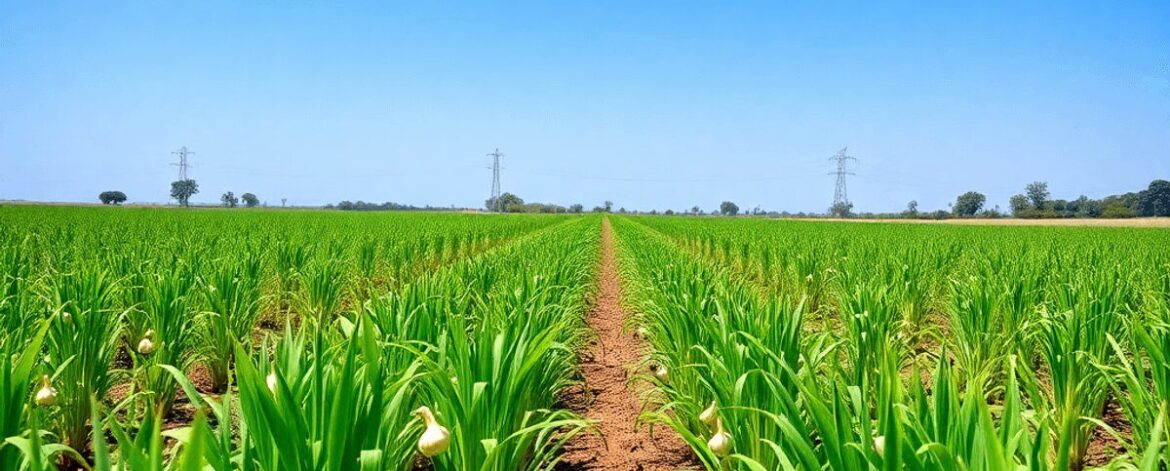
Garlic farming in Kenya is a hidden treasure in the agricultural sector. Even though there is a growing demand for garlic in both local and international markets, Kenya still imports 80% of its garlic supply, mainly from China and India.
This agricultural venture offers promising returns for farmers willing to invest their time and resources. A quarter-acre farm can generate returns exceeding KSh 100,000 within just four months, making it an attractive option for both small-scale and commercial farmers.
Garlic’s dual role as a culinary spice and medicinal plant drives its high market demand. In Kenyan households, garlic is valued for:
- Boosting immune system function
- Providing potent antioxidant properties
- Supporting cardiovascular health
- Adding rich flavor to traditional dishes
The current market gap presents a significant opportunity for Kenyan farmers. With proper farming techniques and quality production methods, local farmers can tap into this lucrative market while reducing the country’s dependency on imports.
This guide will walk you through everything you need to know about starting and maintaining a successful garlic farming operation in Kenya, from selecting the right varieties to implementing effective cultivation practices and maximizing your market returns. For instance, exploring Pixie Orange farming or pomegranate farming could provide additional insights into diversifying your agricultural ventures.
Moreover, it’s essential to recognize the role of women and youth in agribusiness. Resources like those provided by Royal Seedlings can be invaluable in this regard.
Lastly, as we look towards the future, understanding the trends in e-commerce within agriculture could provide a competitive edge in reaching wider markets.
Health Benefits Driving the Demand for Garlic in Kenyan Households and Markets
The rising demand for garlic in Kenya stems from its powerful health-promoting properties. Research shows garlic’s active compounds strengthen the immune system, helping fight common infections and reducing the severity of cold symptoms. Its natural antioxidants protect cells from damage while supporting heart health by lowering blood pressure and cholesterol levels.
Main Garlic Varieties in Kenya
Three main garlic varieties dominate the Kenyan market:
Softneck Varieties
- Africa Giant: Known for high yield and strong flavor
- Arusha Giant: Disease-resistant with excellent storage life
- Rwanda Giant: Adapts well to various growing conditions
Hardneck Varieties
- Produce larger cloves
- Intense flavor profile
- Shorter storage life
Elephant Garlic
- Largest bulb size
- Mild, sweet taste
- Premium market prices
Why Softneck Garlic is Preferred by Farmers
Softneck garlic remains the preferred choice among Kenyan farmers due to its:
- Extended shelf life (6-8 months when properly stored)
- Consistent market demand
- Higher resistance to local pests
- Milder flavor appealing to most consumers
Your variety selection directly impacts farm profitability. Softneck varieties typically yield 20-30% more marketable bulbs compared to hardneck types. The stable storage characteristics also allow farmers to hold inventory longer, capitalizing on seasonal price fluctuations.
This principle of selecting the right variety isn’t limited to garlic alone. For instance, choosing between local and imported apple varieties or selecting the right mango variety can significantly influence profitability in those sectors as well. Additionally, exploring other lucrative export markets like Hass avocado could further enhance farmers’ income potential.
Understanding the Ideal Growing Regions and Environmental Conditions for Successful Garlic Farming in Kenya
Garlic thrives in specific regions across Kenya, with several counties offering optimal growing conditions. The most successful garlic farming regions include:
Prime Growing Counties:
- Nyeri
- Murang’a
- Kiambu
- Kirinyaga
- Machakos
- Embu
- Meru
- Laikipia
- Nakuru
- Narok
- Kajiado
- Bomet
The ideal altitude for garlic cultivation ranges from 500 to 2,000 meters above sea level. At these elevations, temperatures typically fluctuate between 12°C to 30°C, creating perfect conditions for bulb development.
Soil Requirements:
- pH level: 5.5 to 7.0
- Well-draining soil structure
- Rich in organic matter
- Loamy texture preferred
- Good water retention capacity
Your soil’s drainage capacity plays a crucial role in garlic farming success. Heavy clay soils can lead to waterlogging and root rot, while sandy soils might require additional organic matter to improve water retention.
The selected growing site should receive full sun exposure for at least 6 hours daily. Areas with partial shade can result in smaller bulbs and reduced yields.
Interestingly, some of the counties listed above, such as Murang’a, also present favorable conditions for other types of farming like avocado cultivation. This opens up the possibility of diversifying into grafted fruit seedling farming or even starting an avocado orchard. However, it’s essential to note that transitioning to new crops such as avocados would require proper training and understanding of the specific needs of those plants, which can be acquired through professional training sessions.
Once you decide to venture into avocado farming, remember that proper care is crucial for newly planted seedlings. Following some essential tips for caring for newly planted avocado seedlings can significantly increase your chances of success.
If you have any queries regarding online purchases of avocado seedlings or need more information about them, you can refer to these frequently asked questions about avocado seedling purchases online.
Preparing Your Garlic Farm: From Seed Cloves to Soil Preparation Techniques
Successful garlic farming starts with selecting high-quality certified disease-resistant seed cloves. These certified seeds offer:
- Better resistance to common diseases
- Higher germination rates
- Improved yield potential
- Guaranteed varietal purity
Soil Preparation Steps:
Before you start the soil preparation, it’s crucial to understand the specific soil requirements for your garlic crop. Here are some steps to follow:
- Clear the land of debris and weeds
- Deep plow to a depth of 30cm
- Break down large soil clumps
- Mix in well-decomposed organic matter:
- Farmyard manure (2-3 kg per square meter)
- Compost (1-2 kg per square meter)
Bed Preparation Guidelines:
- Create raised beds 15-20cm high
- Make beds 1 meter wide
- Leave 50cm paths between beds
- Level the surface for uniform water distribution
Planting Layout:
- Space cloves 15cm apart within rows
- Maintain 30cm between rows
- Plant cloves 5-7cm deep
- Position cloves with pointed end up
Mulching Requirements:
Apply a 5cm layer of:
- Dry grass
- Straw
- Dried leaves
The mulch layer helps:
- Retain soil moisture
- Suppress weed growth
- Regulate soil temperature
- Prevent soil erosion
Your soil pH should be tested before planting – adjust if needed using agricultural lime for acidic soils or sulfur for alkaline conditions. Following these expert advice on preparing your land before receiving seedlings delivery will ensure a successful garlic farming venture.
Planting Techniques and Crop Management Strategies to Maximize Your Garlic Yield
When planting garlic, ensure that the cloves are placed with the pointed end facing upward at a depth of 2-3 inches. The flat base should rest firmly against the soil to encourage strong root development. This consistent planting depth ensures uniform emergence and growth across your field.
Essential Watering Guidelines:
- Water immediately after planting to settle soil around cloves
- Maintain soil moisture at 50-75% field capacity
- Reduce irrigation during the last 2-3 weeks before harvest
- Install drip lines 6 inches apart for optimal water distribution
Drip irrigation proves superior to overhead systems by delivering water directly to the root zone. This precision watering method prevents leaf wetness, reducing disease risks while conserving water resources.
Mulching Best Practices:
- Apply a 2-3 inch layer of organic mulch after planting
- Use clean straw, dried grass clippings, or leaf matter
- Keep mulch 1 inch away from plant stems to prevent rot
- Add extra mulch during dry spells to retain moisture
Your garlic plants need consistent moisture throughout their growing cycle. Monitor soil moisture levels by inserting your finger into the soil – if it feels dry at 1 inch depth, it’s time to irrigate. Adjust irrigation frequency based on rainfall patterns and seasonal temperature changes.
For those interested in expanding their agricultural knowledge beyond garlic farming, understanding seasonal planting calendars can be beneficial. This knowledge is especially useful when considering proper spacing when planting fruit trees, which is crucial for maximizing yield and quality.
Additionally, if you’re venturing into other crops such as avocados, it’s essential to be aware of common farming mistakes that could hinder your success. Lastly, exploring techniques like grafting could significantly improve your crop yield and quality.
Effective Weed Control Strategies for Healthy Garlic Plants
Weed management plays a critical role in garlic farming success. Weeds compete with garlic plants for nutrients, water, and sunlight, potentially reducing yields by up to 40%.
Manual Weed Control Methods
- Hand hoeing between rows at 2-3 week intervals
- Shallow cultivation to avoid damaging garlic roots
- Remove weeds before they set seed
- Best done early morning when soil is slightly moist
Natural Weed Management
- Apply organic mulch 5-10cm thick around plants
- Use straw, dry grass, or leaves as mulch material
- Practice crop rotation with:
- Legumes (beans, peas)
- Cereals (maize, wheat)
- Leafy vegetables
Chemical Weed Control
- Apply pre-emergence herbicides within 48 hours of planting
- Use selective post-emergence herbicides for broad-leaf weeds
- Recommended herbicides:
- Pendimethalin for grass weeds
- Oxyfluorfen for broad-leaf control
- Apply herbicides when weeds are young and actively growing
Safety Considerations
- Wear protective gear during herbicide application
- Follow manufacturer’s recommended dosage
- Apply during calm weather to prevent drift
- Maintain buffer zones near water sources
Integrated weed management combining these methods provides the most effective control while maintaining soil health and garlic quality.
Safeguarding Your Garlic Crop from Pests and Diseases: Common Threats and Sustainable Control Measures
Protecting your garlic crop from pests and diseases requires vigilant monitoring and timely intervention. Here are the main threats you’ll encounter in Kenyan garlic farming:
Common Pests
- Red ants: These attack young plants and damage bulbs
- Thrips: Cause silvery patches on leaves, reducing photosynthesis
- Aphids: Cluster on leaves, stunting growth and spreading viral diseases
Major Diseases
- Leaf rust: Orange-brown spots on leaves that reduce yield
- White rot: Fungal disease causing yellowing leaves and rotting bulbs
- Downy mildew: Gray fuzzy growth on leaves during humid conditions
- Powdery mildew: White powdery coating on leaves in dry weather
Sustainable Control Methods
- Apply neem-based sprays for pest control
- Use copper-based fungicides for rust and mildew
- Practice crop rotation to break disease cycles
- Remove infected plants immediately
- Maintain proper spacing for air circulation
Preventive Measures
- Plant certified disease-resistant varieties
- Keep fields clean of plant debris
- Monitor crops weekly for early detection
- Use companion planting with pest-repelling herbs
- Apply beneficial insects like ladybugs for aphid control
Regular inspection helps catch problems early. Start with organic solutions before considering chemical pesticides. Maintain detailed records of pest occurrences and treatment effectiveness to improve future management strategies.
In addition to garlic, if you’re also dealing with avocado seedlings, you may find it useful to refer to this farmer’s guide which provides valuable insights into identifying and preventing common avocado seedling diseases.
Harvesting and Storing Your Garlic: Best Practices for Quality Bulbs that Command High Prices in the Market
Successful garlic farming hinges on proper harvesting and storage techniques. The right timing and methods directly impact your crop’s market value and shelf life.
Identifying the Perfect Harvest Time
- Watch for 50-70% browning of lower leaves while upper leaves remain green
- Check bulb formation by gently brushing soil away from a few sample plants
- Pull test: Leaves should resist gentle tugging, indicating mature bulbs
- Harvest during dry weather to prevent bulb damage and fungal growth
Proper Harvesting Technique
- Loosen soil around bulbs using a garden fork
- Gently lift plants without pulling stems
- Keep roots and leaves intact during harvest
- Handle bulbs carefully to prevent bruising
Essential Curing Process
- Clean bulbs by brushing off excess soil
- Tie plants in bundles of 10-15
- Hang bundles in a well-ventilated, shaded area
- Maintain good air circulation around hanging bundles
- Cure for 2-3 weeks until outer skins become papery
Storage Requirements for Maximum Shelf Life
- Temperature: Maintain 0-4°C consistently
- Humidity: Keep between 60-70%
- Ventilation: Ensure steady airflow
- Light: Store in dark conditions
- Container: Use mesh bags or wooden crates
Storage Space Preparation
- Clean storage area thoroughly
- Install temperature monitoring devices
- Set up humidity controls if needed
- Create adequate spacing between stored bulbs
- Check regularly for signs of sprouting or rot
Quality Indicators for Market-Ready Garlic
- Firm, intact bulbs
- Dry, papery outer skins
- No visible damage or disease
- Strong, characteristic aroma
- Properly sized cloves within variety standards
Your stored garlic can maintain quality for up to six months under these conditions. Regular monitoring helps identify potential issues before they affect your entire harvest. Proper documentation of storage conditions and regular quality checks help maintain premium market prices for your crop.
In addition to garlic, it’s important to understand the broader context of agricultural practices. For instance, best practices for smallholder farmers when buying avocado seedlings online can significantly improve their yield and income. Moreover, regions like Murang’a, known for quality Hass avocado seedling production in Kenya, can serve as a model for other agricultural sectors. The economic impact of quality seedlings on smallholder incomes is another crucial aspect that emphasizes the importance of high-quality planting materials in achieving better market prices and overall profitability.
Economic Viability of Garlic Farming in Kenya: Yields, Costs, Market Prices, Challenges & Opportunities
A well-managed garlic farm in Kenya yields 4,000-5,000 kg per acre under optimal conditions. This impressive yield potential makes garlic farming an attractive venture for both small-scale and commercial farmers.
Cost Breakdown for Quarter-Acre Farm
- Land preparation: KSh 10,000
- Certified seed cloves: KSh 25,000
- Fertilizers and manure: KSh 15,000
- Labor costs: KSh 20,000
- Pest control: KSh 5,000
- Total initial investment: KSh 75,000
Market Dynamics and Price Variations
The garlic market in Kenya experiences significant price fluctuations:
- Peak season (May-September): KSh 300-400 per kg
- Low season (December-January): KSh 150-200 per kg
- Average annual price: KSh 250 per kg
Key Challenges
-
Seed Quality Issues
- Limited access to certified disease-resistant varieties
- High cost of quality seed cloves
- Risk of counterfeit seeds in the market
-
Production Constraints
- Rising costs of fertilizers and pest control products
- Labor-intensive cultivation practices
- Irregular rainfall patterns affecting irrigation needs
To mitigate some of these challenges, farmers could consider leveraging advanced agricultural techniques such as tissue culture for seed production. This method not only ensures the quality of seed cloves but also reduces the risk of counterfeit seeds flooding the market.
Value Addition Opportunities
Processing Options
- Garlic powder production
- Garlic oil extraction
- Dried garlic flakes
- Pre-peeled garlic packaging
Market Expansion Strategies
- Organic certification for premium pricing
- Export markets in East African Community
- Contract farming with processing companies
- Direct supply to major supermarket chains
Investment Returns
A quarter-acre farm can generate:
- Yield: 1,000-1,250 kg
- Revenue: KSh 300,000-375,000 (at KSh 300/kg)
- Net profit: KSh 225,000-300,000 per harvest cycle
In addition to these strategies, it’s also crucial to implement effective pest control measures during the farming process to maximize yield and profitability. Furthermore, farmers should seek out reputable sources for their seedlings by understanding what makes a good nursery, ensuring they receive high-quality products that will lead to better farming outcomes.
Lastly, as farmers consider expanding their operations into other areas such as fruit growing, they may find valuable training opportunities beneficial in acquiring the necessary skills and knowledge for successful commercial fruit farming.
Conclusion
Garlic farming in Kenya presents a lucrative agricultural venture with significant growth potential. The high market demand, coupled with Kenya’s suitable growing conditions, creates an ideal environment for successful garlic cultivation.
Ready to start your garlic farming journey? Royal Seedlings offers certified garlic seedlings and expert guidance to help you establish a thriving garlic farm. Our partnership opportunities include:
- Premium quality seed cloves
- Technical support throughout your farming cycle
- Market linkages for your harvest
- Value addition consultation
Contact Royal Seedlings today to order your seedlings and transform your agricultural aspirations into a profitable garlic farming enterprise.
FAQs (Frequently Asked Questions)
What are the best regions and environmental conditions for garlic farming in Kenya?
The best regions for garlic cultivation in Kenya include counties like Nyeri, Murang’a, and Kiambu. Ideal altitude ranges from 500 to 2000 meters with temperatures between 12°C to 30°C. Garlic thrives in well-drained soils with a pH level between 5.5 and 7.0, ensuring optimal growth and yield.
Which garlic varieties are commonly grown in Kenya and which is preferred?
Kenya commonly grows softneck varieties such as Africa Giant, Arusha Giant, and Rwanda Giant, as well as hardneck and elephant garlic. Softneck varieties are preferred due to their superior flavor and longer shelf life, making them more marketable both locally and internationally.
How should I prepare my farm and plant garlic cloves for maximum yield?
Start with certified disease-resistant seed cloves to ensure healthy crops. Prepare beds enriched with organic matter like compost or manure. Plant cloves spaced 15 cm apart within rows, with rows 30 cm apart. Mulching with straw or dry leaves helps retain moisture and suppress weeds. Employ drip irrigation to provide consistent watering without waterlogging.
What are effective pest and disease management strategies for garlic farming in Kenya?
Common pests include red ants, thrips, and aphids; diseases such as leaf rust, white rot, downy mildew, and powdery mildew also affect crops. Sustainable control measures involve using recommended organic pesticides and fungicides. Regular monitoring, crop rotation, and maintaining farm hygiene further help safeguard the crop.
When is the ideal time to harvest garlic in Kenya and how should it be stored?
Harvest garlic when the lower leaves turn brown while upper leaves remain green. After harvesting, cure bulbs in ventilated dry areas to reduce moisture content before storage or sale. Store cured garlic at temperatures between 0–4°C with humidity levels of 60–70% to prolong shelf life up to six months.
Is garlic farming economically viable in Kenya and what opportunities exist for value addition?
Garlic farming is profitable with expected yields of 4,000–5,000 kg per acre under good practices. Production costs include seedlings, fertilizer, and labor (~KSh 75,000 per quarter-acre). Market prices fluctuate seasonally around KSh 300–400/kg. Challenges include access to quality seed cloves and managing pests/diseases effectively. Opportunities for value addition include processing garlic into powder or oil and exploring organic certification to tap into niche markets domestically and internationally.