


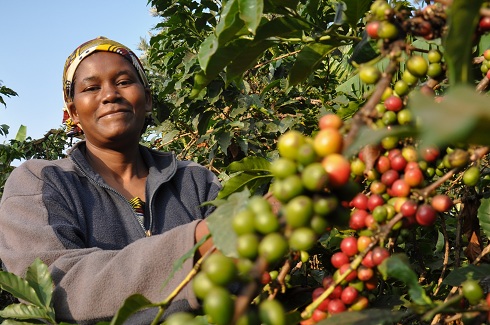
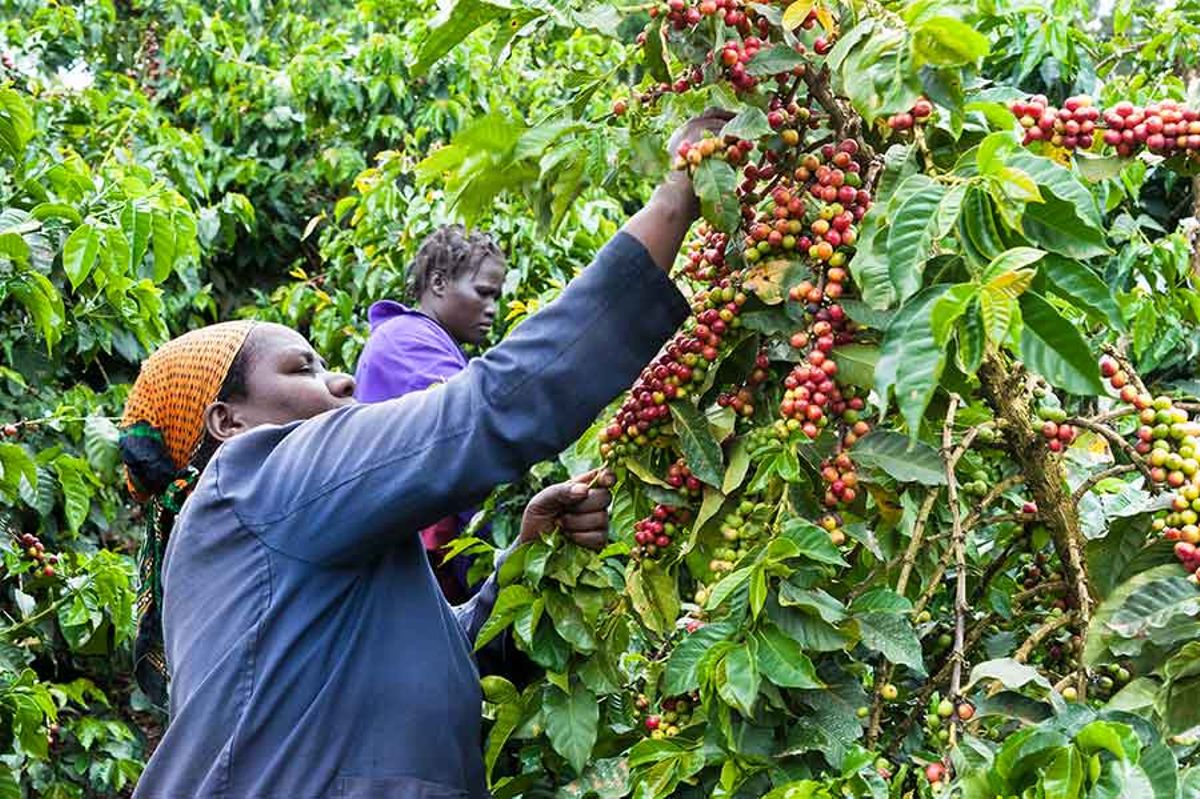
Kenya’s export coffee industry is a shining example of excellence in the global coffee market. The country’s rich volcanic soils, high altitudes, and perfect climate create ideal growing conditions for premium coffee beans that command attention worldwide.
Key Features of Kenya’s Coffee Industry:
- Produces approximately 50,000 metric tons of coffee annually
- Known for distinctive flavor profiles featuring bright acidity and full-bodied taste
- Ranks among the top African coffee exporters
- Uses advanced auction systems and direct trade channels
The Kenyan coffee sector operates under strict quality control measures, ensuring only the finest beans reach international markets. From small-scale farmers to large estates, the industry maintains high standards through regulated processing methods and grading systems.
Understanding these best practices can significantly enhance the quality of coffee produced. This thriving market presents opportunities for exporters who follow proper procedures and maintain quality standards.
You can tap into this thriving market by understanding the export process. Whether you’re an established trader or new to coffee exports, Kenya’s structured system provides clear pathways to success. The growing global demand for premium Kenyan coffee creates opportunities for exporters who follow proper procedures and maintain quality standards.
This guide walks you through the essential steps to export coffee from Kenya. You’ll learn about registration requirements, quality control measures, documentation needs, and market access strategies that position you for success in the international coffee trade.
Understanding the Unique Appeal of Kenyan Coffee in International Markets
Kenyan coffee stands out in international markets with its distinctive flavor profile, characterized by bright, wine-like acidity and a full-bodied taste. The unique combination of high altitude growing conditions, rich volcanic soils, and careful processing methods creates coffee beans with:
- Complex Fruit Notes: Blackberry, citrus, and stone fruit undertones
- Floral Aromatics: Jasmine and bergamot hints
- Sweet Undertones: Wine-like qualities with chocolate notes
- Clean, Bold Finish: Crisp and lingering aftertaste
Grading System and Quality Certifications
The grading system adds another layer of distinction to Kenyan coffee. The highest grade, AA, consists of beans 17/18 screen size, followed by AB (16/17 screen size). These premium grades command top prices in international markets.
Quality certifications enhance market access and value:
- Organic Certification: Verifies sustainable farming practices
- Fair Trade: Ensures ethical trading relationships
- Rainforest Alliance: Validates environmental stewardship
- UTZ Certification: Confirms responsible farming methods
Consistency and Reliability in International Markets
International buyers particularly value Kenyan coffee’s consistency and reliability. The structured auction system and rigorous quality control measures ensure that each batch meets strict standards. Specialty coffee roasters in North America, Europe, and Asia actively seek Kenyan beans for their premium blends and single-origin offerings.
Exploring Other Export Opportunities for Kenyan Farmers
In addition to coffee, Kenyan farmers are exploring other lucrative export markets. For instance, Hass avocado exports present a significant opportunity for profit. However, it’s essential for farmers to be aware of common avocado seedling diseases that could impact yield.
Moreover, understanding the nuances of choosing between local and imported apple varieties can also be beneficial for farmers looking to diversify their crops. Similarly, knowing how to select the right mango variety for their specific farm conditions can lead to better yields and profitability.
Step 1: Registering as a Coffee Exporter in Kenya
Starting your coffee export business in Kenya requires specific licenses and registrations from multiple regulatory bodies. Here’s what you need to secure:
Coffee Directorate Registration Requirements:
- Valid business registration certificate
- Tax compliance certificate from KRA
- Physical business premises documentation
- Bank reference letter
- Minimum paid-up capital of KES 5 million
- Proof of coffee handling experience
License Application Process:
- Submit application forms to the Coffee Directorate
- Pay registration fees (KES 50,000)
- Schedule premises inspection
- Obtain Coffee Directorate approval
- Receive export license valid for one year
Kenya Revenue Authority Compliance:
- Register for VAT if annual turnover exceeds KES 5 million
- Obtain PIN certificate
- File monthly tax returns
- Maintain proper accounting records
Additional Requirements:
- Register with Kenya National Chamber of Commerce
- Obtain single business permit from county government
- Apply for coffee dealer’s license from Coffee Board
- Secure health and safety certifications
The registration process typically takes 14-21 working days. Your export license needs annual renewal, requiring updated compliance certificates and fee payments. These licenses grant you access to participate in coffee auctions and engage in direct trade relationships with international buyers.
While focusing on coffee export, it’s worth noting that Kenya’s agricultural sector offers diverse opportunities beyond just coffee. For instance, the seasonal planting calendar for fruit seedlings in Central Kenya can provide insights into other lucrative crops such as avocados, which you can learn more about through this step-by-step guide to starting an avocado orchard in Kenya.
Moreover, understanding the soil requirements for different fruit trees in Kenya can significantly enhance your farming practices should you decide to diversify into other fruit farming sectors like pomegranate farming.
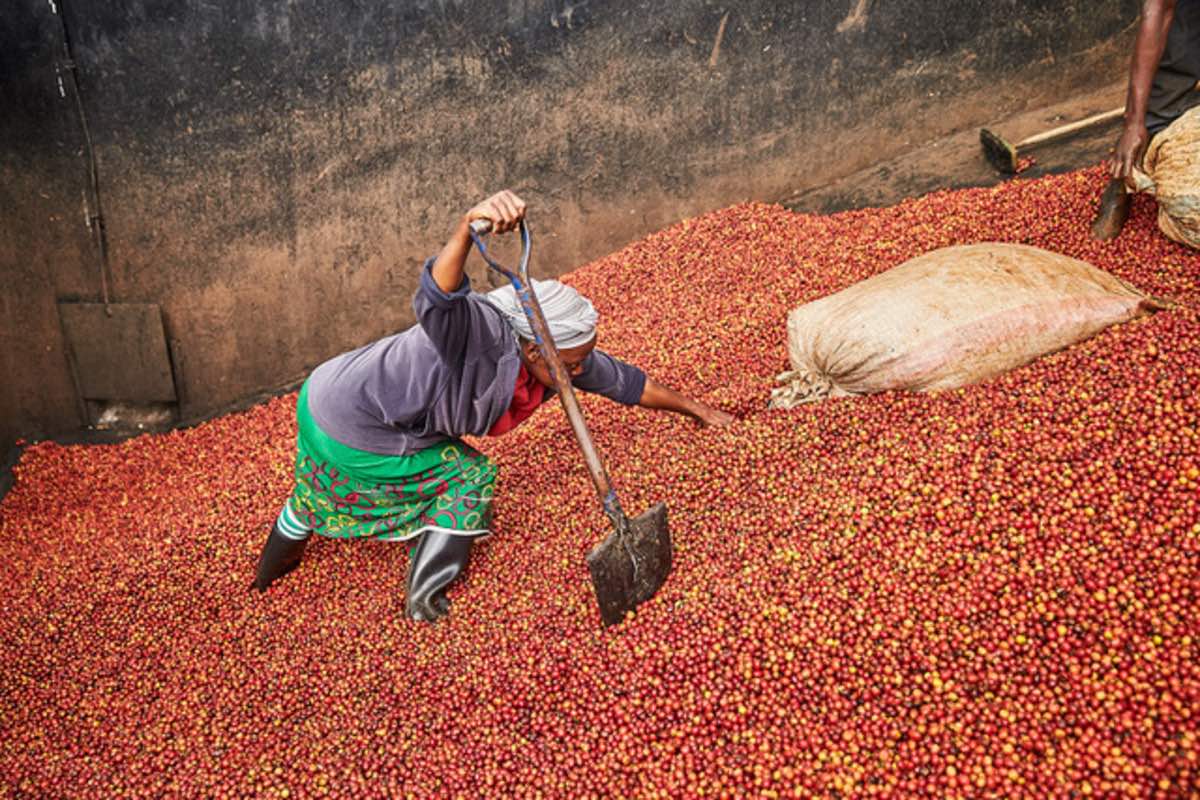
Step 2: Processing Methods That Enhance Quality Control in Kenyan Coffee Exporting
The washed processing method stands as Kenya’s signature approach to coffee production, creating the bright, clean flavors that international buyers seek. Here’s how it works:
1. Sorting Stage
- Cherries undergo density sorting in water tanks
- Floating cherries are removed as defective
- Only ripe, dense cherries proceed to processing
2. Pulping Process
- Mechanical removal of outer cherry skin
- Separation of beans from fruit flesh
- Initial grading based on bean size
3. Fermentation Phase
- 12-48 hours of controlled fermentation
- Natural enzymes break down remaining mucilage
- Regular monitoring ensures optimal flavor development
4. Washing and Drying
- Clean water removes fermented mucilage
- Beans dry on raised beds for 7-14 days
- Moisture content reduced to 10-12%
In addition to the washed method, there’s also the dry processing method, which offers an alternative approach:
- Whole cherries dry in the sun for 20-30 days
- Creates fuller body and fruit-forward flavors
- Less common but growing in popularity
Kenyan Coffee Grades
- AA: Screen size 17/18, premium quality
- AB: Screen size 15/16, excellent cup profile
- PB: Peaberry beans, unique rounded shape
- C Grade: Smaller beans, typically for local market
Each grade commands different market prices, with AA fetching premium rates in international markets. The strict grading system ensures buyers receive consistent quality aligned with their specific needs.
In addition to coffee, regions like Murang’a, known for its quality Hass avocado seedling production, also contribute significantly to Kenya’s agricultural exports. The economic impact of quality seedlings on smallholder incomes is substantial, providing them with a reliable source of income.
Furthermore, understanding the science behind grafting can provide insights into how it improves crop yield and quality across various agricultural sectors in Kenya.
For a broader perspective on coffee processing methods beyond the Kenyan context, you might find this glossary of coffee processes useful.
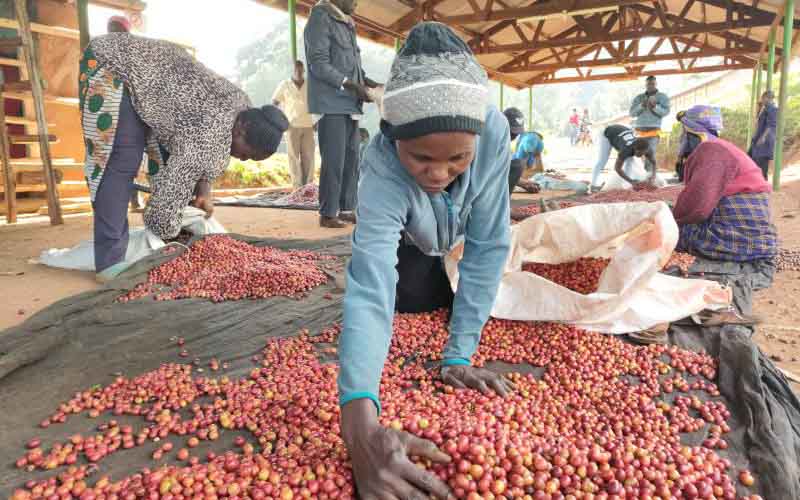
Step 3: Ensuring Quality Control Through Cupping Tests and Certifications for Exported Kenyan Coffee
Quality control is crucial in maintaining Kenya’s reputation for exceptional coffee. Professional Q-graders conduct thorough cupping tests, evaluating coffee samples on a 100-point scale. These certified experts assess:
- Aroma: Both dry and wet fragrance
- Flavor Profile: Distinctive taste characteristics
- Acidity: Brightness and complexity
- Body: Mouthfeel and texture
- Aftertaste: Lingering sensations
- Balance: Harmony of different elements
- Uniformity: Consistency across samples
- Clean Cup: Absence of defects
The minimum acceptable score for specialty grade Kenyan coffee is 80 points, with premium lots often scoring 85+.
International Certifications Enhance Market Access and Value
International certifications enhance market access and value. Key certifications include:
- Organic Certification: Verifies chemical-free cultivation
- Fair Trade: Ensures ethical trading practices and fair farmer compensation
- Rainforest Alliance: Focuses on environmental sustainability
- UTZ: Promotes sustainable farming and better market opportunities
These certifications command price premiums of 10-30% above standard market rates. Buyers from premium markets specifically seek certified Kenyan coffee, making certification investment worthwhile for exporters targeting high-value segments.
Systematic Approach to Quality Assessment
Q-graders document their findings in detailed scoring sheets, providing valuable feedback for quality improvement. This systematic approach to quality assessment helps maintain Kenya’s position as a producer of world-class coffee.
In addition to coffee, the principles of quality control can also be applied to other agricultural sectors in Kenya, such as banana seedling production where tissue culture plays a significant role, or in the planting of fruit trees where proper spacing is crucial.
Step 4: Preparing Export Documentation That Meets International Standards for Kenyan Coffee Exports
Successful coffee exports from Kenya require precise documentation to meet international trade standards. Here’s your essential document checklist:
Primary Export Documents
- Coffee Exporters’ Declaration from the Coffee Directorate
- Phytosanitary Certificate issued by KEPHIS confirming pest-free status
- Certificate of Origin from Kentrade or Chamber of Commerce
- Commercial Invoice detailing transaction specifics
- Detailed Packing List with lot numbers and weights
Additional Required Documentation
- Bill of Lading for maritime shipments
- Customs Entry Forms (C17B)
- ICO Certificate of Origin
- Quality Analysis Report from Coffee Research Institute
- Health Certificate from Port Health Services
Your commercial invoice must include:
- Buyer and seller details
- Product description
- Price per unit
- Total value
- Payment terms
- Delivery conditions
The Certificate of Origin proves your coffee meets Kenyan origin requirements. This document includes:
- Coffee grade
- Processing method
- Farm/cooperative source
- Harvest season
- Export destination
Each document requires specific stamps and signatures from authorized bodies. Keep digital copies of all documentation for tracking and verification purposes. Submit your paperwork at least 48 hours before scheduled shipment to avoid delays at port.
To ensure the successful export of your coffee, it’s crucial to maintain the quality of your produce right from the farm. This involves preventing pest infestations in your orchards, which can be achieved through various natural methods. Additionally, proper land preparation is key before receiving seedlings delivery, and seeking expert advice on preparing your land can significantly enhance your yield.
Moreover, with the rise of e-commerce, understanding the future trends in e-commerce in agriculture can provide valuable insights into expanding your market reach. Lastly, if you’re an aspiring commercial fruit grower in areas like Muranga County, consider exploring training opportunities that can equip you with necessary skills.
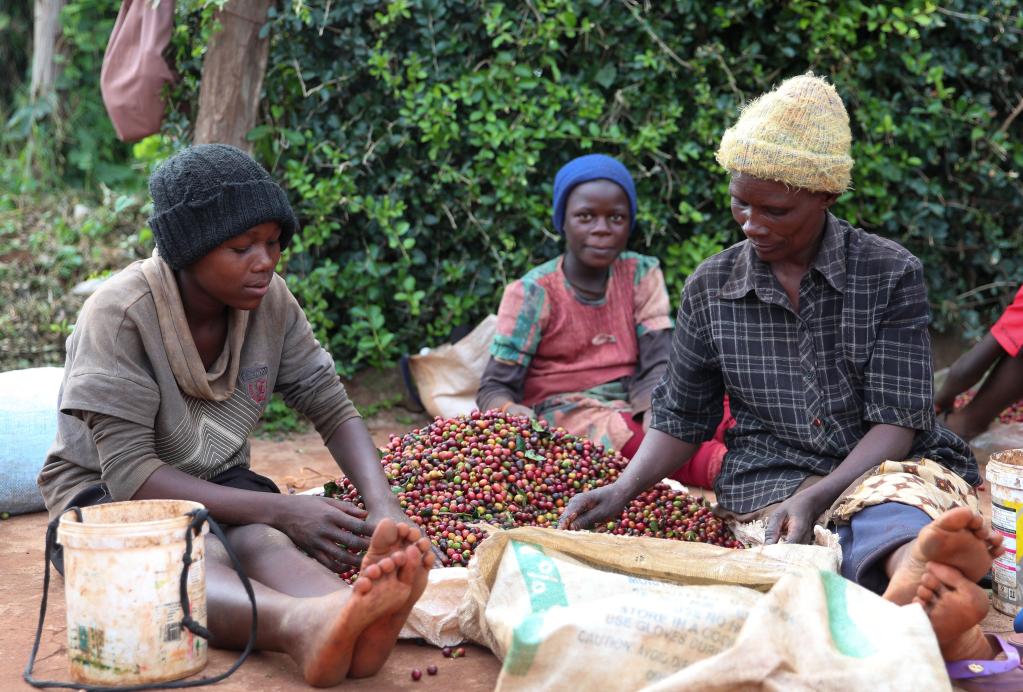
Step 5: Navigating Market Access Strategies Like Auctions and Direct Trade Relationships for Successful Exporting from Kenya
The Nairobi Coffee Exchange (NCE) auction system operates as Kenya’s primary coffee trading platform. Licensed buyers gather weekly to bid on coffee lots based on quality grades and cup scores. The auction process follows a structured format:
1. Pre-auction Activities
- Coffee samples are distributed to potential buyers
- Quality assessment reports become available
- Reserve prices are set based on market conditions
2. Auction Day Operations
- Bidding starts at 10:00 AM every Tuesday
- Buyers compete through an open outcry system
- Prices fluctuate based on demand and quality
- Successful bids are recorded and confirmed immediately
Direct Trade Relationships offer an alternative path to market access. This approach creates valuable connections between exporters and international buyers:
- Build long-term partnerships with specialty roasters
- Negotiate premium prices for high-quality beans
- Receive direct feedback on coffee quality
- Create customized shipping schedules
- Develop exclusive coffee offerings
Benefits of Direct Trade
- Higher profit margins through price premiums
- Stable income through long-term contracts
- Enhanced market reputation
- Access to specialty coffee markets
- Direct communication channels with buyers
You can leverage both auction systems and direct trade relationships to maximize your market reach. The auction system provides immediate sales opportunities, while direct trade relationships ensure sustainable business growth through dedicated buyer partnerships.
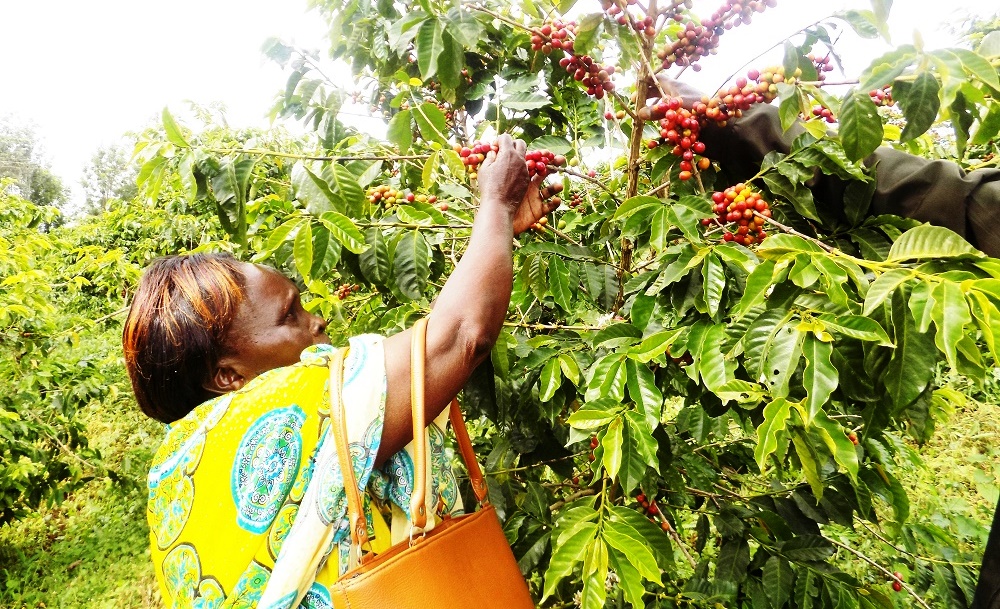
Conclusion
Exporting coffee from Kenya presents lucrative opportunities for businesses ready to embrace quality standards and sustainable practices. The adoption of sustainability certifications strengthens your market position and opens doors to premium buyers worldwide.
Your success in Kenyan coffee exports depends on:
- Maintaining rigorous quality control measures
- Building strong relationships with producers and buyers
- Implementing efficient logistics management systems
- Securing relevant certifications
- Staying updated with market trends and regulations
Ready to start your coffee export journey?
We support aspiring exporters not only with high-quality coffee seedlings but also with expert guidance. Our team helps you navigate the complexities of Kenyan coffee exports while maintaining the highest quality standards.
In addition to coffee, we also provide professional training for other agricultural ventures, such as avocado farming, which could diversify your export portfolio. We offer grafted fruit seedlings that are known for their superior quality and yield.
For those interested in purchasing avocado seedlings online, we provide a seamless process backed by our expertise. We also share essential tips for caring for newly planted avocado seedlings to ensure your farming venture thrives.
Contact us to begin your coffee export venture:
- 📞 Phone: 0711315313
- ✉️ Email: julius.murega@royalseedlings.com
The path to successful coffee exports from Kenya awaits – let’s partner together to bring premium Kenyan coffee to international markets.
FAQs (Frequently Asked Questions)
What makes Kenyan coffee unique in international markets?
Kenyan coffee is renowned for its bright acidity and full body, offering a distinctive flavor profile that appeals to international coffee consumers. Its quality and certifications help differentiate it in global markets.
How do I register as a coffee exporter in Kenya?
To register as a coffee exporter in Kenya, you must apply through the Coffee Directorate under the Agriculture and Food Authority (AFA), obtain the necessary licenses from the Coffee Board of Kenya, and comply with tax regulations set by the Kenya Revenue Authority (KRA).
What processing methods are used to enhance Kenyan coffee quality?
Kenyan coffee commonly undergoes washed (wet) processing involving sorting, pulping, fermentation, washing, and sun-drying. The dry (natural) processing method is also used, impacting flavor profiles. Coffee grading based on size and quality (AA, AB, PB, C Grade) further affects marketability.
How is quality control ensured for exported Kenyan coffee?
Quality control involves cupping tests conducted by certified Q-graders using a 100-point scale. Additionally, obtaining certifications like Organic, Fair Trade, Rainforest Alliance, and UTZ is crucial for accessing premium international markets.
What export documentation is required for Kenyan coffee exports?
Essential documents include the Coffee Exporters’ Declaration, phytosanitary certificates confirming pest-free status, commercial invoices, packing lists, and certificates of origin issued by Kentrade or the Chamber of Commerce to meet international standards.
What market access strategies can Kenyan coffee exporters use?
Exporters can participate in the Nairobi Coffee Exchange auction system to sell lots to licensed buyers or establish direct trade relationships with international roasters and importers. Adopting sustainability certifications and efficient logistics management further improves market access.