

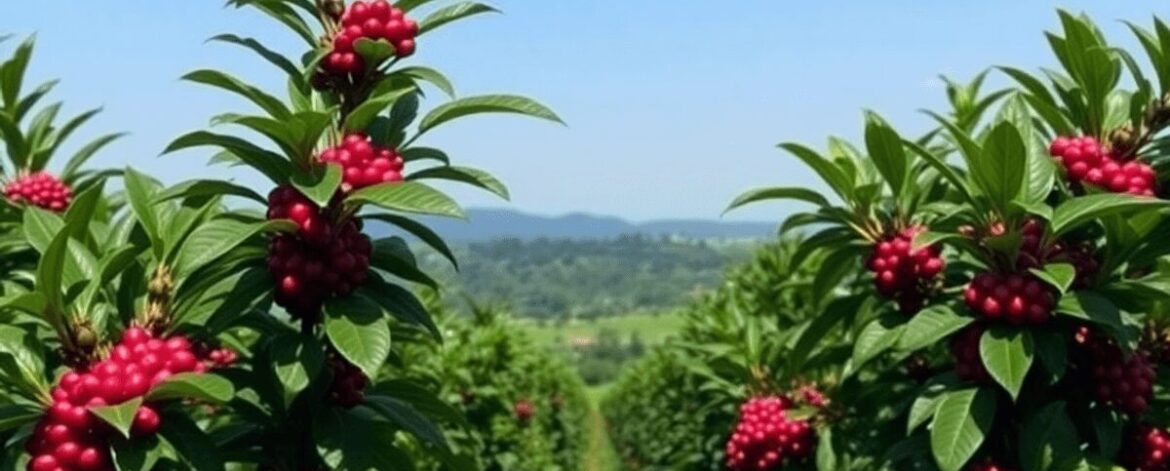
Ruiru 11 coffee seedlings are a game-changer for Kenyan coffee farming. This compact hybrid variety, developed by the Coffee Research Foundation, has transformed the landscape of coffee production with its remarkable disease resistance and high-yield potential.
For coffee farmers, maximizing yields isn’t just about increasing production—it’s about securing sustainable livelihoods and contributing to the global coffee supply chain. Ruiru 11’s unique characteristics allow for higher planting densities of 2,000-3,000 plants per hectare, creating opportunities for enhanced productivity and improved returns on investment.
This guide will equip you with practical strategies to optimize your Ruiru 11 coffee yields through:
- Strategic cultivation techniques
- Disease management practices
- Effective propagation methods
- Water resource optimization
- Climate adaptation strategies
Whether you’re an experienced coffee farmer looking to improve your yields or considering transitioning to Ruiru 11 seedlings, you’ll discover valuable insights to maximize your coffee production potential.
Understanding Ruiru 11 Coffee Seedlings
The Coffee Research Foundation developed Ruiru 11 in response to devastating Coffee Berry Disease outbreaks in Kenya during the late 1960s. Released in 1985, this innovative hybrid coffee variety revolutionized Kenyan coffee farming through its disease-resistant properties and high yield potential.
Genetic Makeup of Ruiru 11
The genetic makeup of Ruiru 11 combines:
- Female Parent: Catimor lines providing compact growth and resistance traits
- Male Parent: A complex hybrid featuring genetic material from:
- Rume Sudan
- Timor Hybrid lines
- K7, SL28, SL34 varieties
- N39 and Bourbon varieties
This careful genetic composition grants Ruiru 11 strong resistance to Coffee Berry Disease and intermediate resistance to coffee leaf rust. The compact growth habit of these plants creates unique advantages for farm management and productivity.
Advantages of Ruiru 11’s Characteristics
Ruiru 11’s distinctive characteristics enable higher planting densities than traditional coffee varieties:
- 2,000-3,000 plants per hectare with multiple-stem pruning
- Increased yield potential per unit area
- Efficient use of available farmland
The variety’s genetic structure supports:
- Enhanced disease resistance mechanisms
- Improved adaptation to local growing conditions
- Superior cup quality characteristics
These plants display remarkable vigor and productivity when provided with proper growing conditions. Their compact size facilitates easier harvesting and maintenance operations, making them particularly suitable for small-scale coffee farmers seeking to maximize their land use efficiency.
Importance of Genetic Stability in Ruiru 11
The genetic stability of Ruiru 11 requires careful management during propagation to maintain its desired characteristics. Proper selection of parent materials and controlled pollination processes ensure the continuation of its beneficial traits through subsequent generations.
Key Factors Influencing Yields with Ruiru 11 Seedlings
Disease Resistance
Disease resistance stands as a critical factor in achieving maximum yields with Ruiru 11 coffee seedlings. The variety’s built-in resistance to Coffee Berry Disease (CBD) and coffee leaf rust allows plants to maintain healthy foliage and cherry development throughout the growing season. You’ll notice reduced crop losses and decreased need for fungicide applications, directly contributing to higher yields and lower production costs.
Drought Stress Management
Water stress significantly impacts cherry development in Ruiru 11 plants. These seedlings show particular sensitivity to drought conditions, displaying visible signs of stress through leaf wilting and reduced flowering. The timing of water stress can affect both the quantity and quality of your harvest.
Signs of Drought Stress in Ruiru 11 Seedlings
- Leaf wilting during dry periods
- Reduced flowering intensity
- Smaller cherry size
- Irregular ripening patterns
- Potential yield losses of 20-30%
Water Source Requirements
Access to reliable water sources plays a vital role in optimizing Ruiru 11 yields. You need approximately 1,500-2,000mm of water annually, distributed evenly throughout the growing season. Installing efficient irrigation systems helps maintain consistent soil moisture levels, especially during critical growth stages like flowering and cherry development.
Water Management Strategies for Ruiru 11 Seedlings
- Irrigation systems
- Water harvesting techniques
- Soil moisture conservation
- Mulching practices
- Shade management
The combination of proper disease management and adequate water supply creates optimal growing conditions for Ruiru 11 seedlings. Your irrigation strategy should align with local rainfall patterns and soil characteristics to maximize water use efficiency. Implementing water conservation practices, such as mulching and shade management, helps maintain soil moisture levels during dry periods.
Effective Propagation Techniques for Ruiru 11 Seedlings
The production of Ruiru 11 seedlings requires careful manual pollination to create F1 hybrid seeds. This process involves:
- Selecting healthy mother plants from Catimor lines
- Identifying suitable male parent plants
- Hand-pollinating flowers during peak flowering season
- Monitoring seed development until harvest
Seed availability presents significant challenges for farmers due to the complex hybridization process. The manual pollination requirement creates a bottleneck in seed production, leading to:
- Limited seed quantities
- Higher costs compared to traditional varieties
- Extended waiting periods for farmers
- Increased risk of counterfeit seeds in the market
However, top-working techniques offer an efficient alternative for propagating Ruiru 11. This method involves grafting Ruiru 11 scions onto established rootstock:
- Select healthy, disease-free rootstock
- Cut the main stem at 12-18 inches above ground
- Insert 2-3 Ruiru 11 scions into the cut stem
- Seal the graft union with grafting tape
- Monitor growth for 3-4 months
Top-working provides several advantages:
- Faster establishment compared to new plantings
- Utilization of existing root systems
- Higher success rates in field conditions
- Cost-effective propagation method
Farmers can maximize success rates by selecting young, vigorous rootstock and maintaining proper moisture levels during the grafting process. Professional grafting services can ensure higher success rates for large-scale operations.
Cultivation Practices to Maximize Yields with Ruiru 11 Seedlings
Ruiru 11’s disease tolerance creates opportunities for strategic cultivation practices that boost yields while maintaining coffee quality. You can leverage this natural resistance by implementing targeted management strategies:
Disease Management Integration
- Reduce fungicide applications by up to 60%
- Monitor plant health regularly for early intervention
- Maintain field hygiene to prevent disease spread
The compact growth habit of Ruiru 11 allows for higher planting densities, transforming your yield potential. Here’s how to optimize spacing:
Density Optimization
- Plant 2,000-3,000 trees per hectare
- Space rows 2 meters apart
- Maintain 1-1.5 meter spacing between plants
- Implement multiple-stem pruning systems
Cup quality remains essential for market value. These cultivation practices help enhance flavor profiles:
Quality Enhancement Techniques
- Selective harvesting of fully ripe cherries
- Proper shade management (30-40% coverage)
- Balanced fertilization programs
- N: 100-150 kg/ha/year
- P: 30-50 kg/ha/year
- K: 100-120 kg/ha/year
Soil management plays a crucial role in maximizing both yields and quality:
Soil Management Practices
- Maintain soil pH between 5.5-6.5
- Apply organic matter annually (5-10 tons/ha)
- Use mulching to retain moisture
- Install proper drainage systems
These cultivation practices create synergistic effects, leveraging Ruiru 11’s genetic advantages while addressing its specific requirements for optimal performance.
Addressing Challenges and Future Research Directions in Cultivating Ruiru 11 Seedlings
Pest Pressures
Pest pressures present significant challenges for Ruiru 11 coffee cultivation. Recent studies identify coffee berry borer and white stem borer as emerging threats to yield stability. Research teams at KALRO are developing integrated pest management strategies specific to Ruiru 11’s genetic makeup.
Climate Variability Impacts
Climate variability impacts Ruiru 11 seedlings through:
- Irregular rainfall patterns affecting flowering cycles
- Temperature fluctuations disrupting cherry development
- Extended dry periods increasing plant stress
Agricultural scientists are exploring adaptive solutions including:
- Drought-resistant rootstock development
- Modified irrigation systems tailored to changing weather patterns
- Shade management techniques to buffer temperature extremes
Current Research Priorities
Current research priorities focus on:
- Genetic improvement programs to enhance pest resistance
- Development of climate-resilient Ruiru 11 variants
- Advanced propagation methods to increase seedling availability
Collaborative Projects with International Partners
The Kenya Coffee Research Institute has launched collaborative projects with international partners to study:
- Soil microbiome interactions
- Natural pest control methods
- Water-efficient cultivation techniques
These research initiatives aim to strengthen Ruiru 11’s resilience while maintaining its high-yield characteristics. Scientists are utilizing advanced breeding technologies to develop improved varieties that combine the best traits of Ruiru 11 with enhanced environmental adaptability.
In line with these efforts, there’s a growing recognition of the importance of ex situ conservation strategies for coffee. These strategies not only preserve genetic diversity but also provide valuable resources for breeding programs aimed at developing more resilient coffee varieties.
Furthermore, ongoing studies into the impact of climate change on coffee cultivation are crucial in informing future research directions and agricultural practices.
Conclusion
Ruiru 11 coffee seedlings are a prime example of Kenya’s agricultural innovation, transforming the country’s coffee industry with their resistance to diseases and ability to produce high yields. This variety has turned small-scale farming operations into thriving businesses, allowing farmers to increase their profits while still meeting coffee quality standards.
The success of Ruiru 11 relies on:
- Effective cultivation practices that make use of its compact growth habit
- Advanced propagation techniques that ensure genetic purity
- Flexible management approaches that address environmental challenges
Research continues to be crucial in improving the performance of Ruiru 11. Scientists and agricultural experts are constantly working to develop better cultivation methods and tackle new pest pressures and climate-related issues. Their efforts guarantee that this variety remains a sustainable solution for Kenyan coffee farmers.
The ongoing journey of maximizing yields with Ruiru 11 coffee seedlings demonstrates a continuous dedication to agricultural excellence. It combines traditional farming knowledge with modern scientific advancements to secure the future of Kenya’s coffee industry.
FAQs (Frequently Asked Questions)
What are Ruiru 11 coffee seedlings and why are they important for maximizing yields?
Ruiru 11 coffee seedlings are a hybrid coffee variety developed by the Coffee Research Foundation, known for their compact growth habit and disease resistance. They play a crucial role in maximizing yields due to their genetic composition that enhances productivity and resilience against common coffee diseases.
How does disease resistance in Ruiru 11 seedlings influence coffee yield?
Disease resistance in Ruiru 11 seedlings is vital for maximizing yields as it reduces crop losses caused by prevalent coffee diseases. This resilience ensures healthier plants, leading to higher cherry development and improved overall productivity.
What cultivation practices can help maximize yields with Ruiru 11 coffee seedlings?
To maximize yields with Ruiru 11 seedlings, farmers should utilize their disease tolerance by implementing proper disease management, optimize planting densities to increase productivity, and adopt cultivation methods that enhance cup quality, ensuring both quantity and quality of the harvest.
How do propagation techniques like manual pollination and top-working affect the production of Ruiru 11 seedlings?
Propagation techniques such as manual pollination and top-working are essential for producing high-quality Ruiru 11 seedlings. These methods address challenges related to seed availability and demand, improving the efficiency of seedling production which directly supports maximizing yields in coffee farming.
What challenges do farmers face when cultivating Ruiru 11 seedlings, and how can these be addressed?
Farmers cultivating Ruiru 11 seedlings encounter challenges like pest pressures and climate variability. Addressing these involves adopting integrated pest management strategies, utilizing reliable water sources to mitigate drought stress, and staying informed about ongoing research aimed at developing adaptive cultivation practices.
Why is continuous research important for the future of Ruiru 11 coffee seedling cultivation?
Continuous research is vital for overcoming evolving challenges in Kenyan coffee production involving Ruiru 11 seedlings. It facilitates the development of improved cultivation techniques, enhances disease resistance, adapts to climate variability, and ultimately ensures sustainable maximization of yields in the future.