

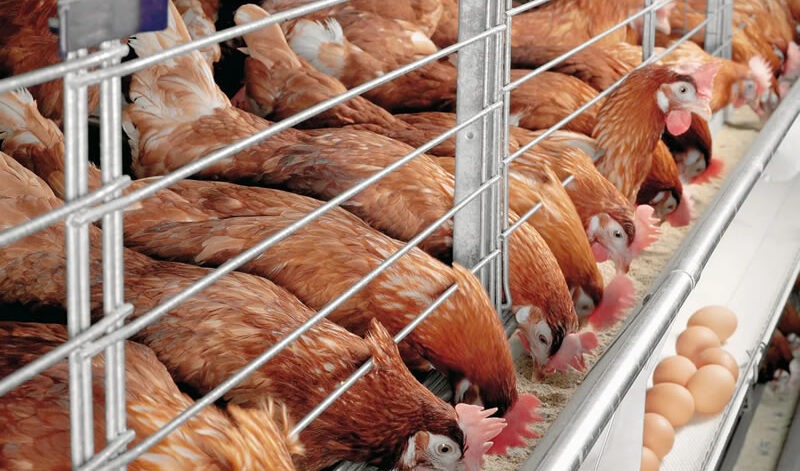
Layers farming in Kenya represents a dynamic agricultural venture focused on raising chickens specifically for egg production. This specialized form of poultry farming has gained significant traction across the country, offering both small-scale and commercial farmers a path to sustainable income generation.

The benefits of starting a layers farming operation are substantial:
- Steady Income Stream: Daily egg production provides consistent revenue
- Low Initial Investment: Compared to other agricultural ventures
- Quick Returns: Hens start laying eggs at 18-22 weeks
- High Market Demand: Eggs remain a staple protein source in Kenyan households
In this comprehensive guide, you’ll discover:
- Essential steps to launch your layers farming business
- Critical aspects of farm management and bird health
- Proven strategies for maximizing egg production
- Marketing techniques to ensure profitable sales
- Real insights from successful Kenyan layer farmers
While layers farming is a lucrative venture, it’s important to explore other agricultural opportunities that complement this endeavor. For instance, pomegranate farming in Kenya presents another viable option. Additionally, understanding the benefits of grafted fruit seedlings can be advantageous for diversifying your agricultural portfolio.
This guide equips you with practical knowledge to establish and run a successful layers farming operation in Kenya while also providing insights into other lucrative agricultural ventures.
1. Preparing for Layers Farming in Kenya
Starting a successful layers farming venture requires careful preparation and strategic planning. Here’s what you need to focus on:
Selecting the Right Chicken Breeds
The choice of chicken breeds directly impacts your farm’s productivity. Kenya’s climate suits these high-performing layer breeds:
- Isa Brown: Produces 300-320 eggs annually
- White Leghorn: Known for 280-300 eggs per year
- Rhode Island Red: Delivers 250-280 eggs yearly
- Light Sussex: Adapts well to local conditions
Understanding Legal Requirements
Your layers farming venture must comply with these key regulations:
- Register with the Kenya Poultry Farmers Association
- Obtain necessary permits from county agricultural offices
- Meet environmental health standards for waste management
- Comply with food safety regulations for egg handling
Creating Your Business Plan
A solid business plan helps secure funding and guides your operations. Include these essential elements:
- Market Analysis
- Current egg prices in your target area
- Competitor assessment within a 10km radius
- Potential customers (hotels, shops, institutions)
- Production Goals
- Number of birds to start with
- Expected egg production rates
- Growth projections for years 1-3
- Financial Projections
- Initial investment requirements
- Operating costs breakdown
- Revenue forecasts
- Break-even analysis
Your business plan should also account for seasonal variations in egg demand and prices, particularly during festive seasons when consumption typically increases. To better understand such seasonal patterns, you might find it beneficial to refer to this seasonal planting calendar for fruit seedlings in Central Kenya. This resource can provide valuable insights into how different seasons affect agricultural productivity, which could be relevant to your layers farming venture as well.
Moreover, if you’re considering diversifying into other agricultural areas such as avocado farming, this step-by-step guide to starting an avocado orchard in Kenya could serve as a useful resource.
In addition to the above, it’s crucial to ensure that your land is well-prepared before receiving any seedlings delivery. For expert advice on this subject, you can check out this comprehensive guide on preparing your land before receiving seedlings delivery.
Lastly, understanding the soil requirements for different fruit trees in Kenya is vital. This resource on understanding soil requirements for different fruit trees in Kenya offers valuable information that can assist in making informed decisions regarding soil management and crop selection.

2. Financial Planning and Budgeting for Layers Farming
Smart financial planning creates the foundation for a sustainable layers farming business. A well-structured budget helps you track expenses, predict cash flow, and maintain profitability throughout your farming journey.
Here’s a detailed cost breakdown for starting a 200-layer chicken farm in Kenya:
Initial Setup Costs:
- Layer chicks (200 birds): KSH 26,000
- Housing construction: KSH 45,000
- Feeders and drinkers: KSH 8,000
- Brooding equipment: KSH 12,000
- Lighting system: KSH 5,000
Operational Costs (First 6 Months):
- Feed requirements:
- Chick mash (8 weeks): KSH 48,000
- Grower mash (12 weeks): KSH 58,800
- Vaccinations and medications: KSH 6,200
- Labor costs: KSH 36,000
- Utilities (water/electricity): KSH 12,000
Additional Considerations:
- Emergency fund (10%): KSH 25,700
- Marketing and distribution: KSH 10,000
Total Investment Required: KSH 292,700
Your actual costs might vary based on:
- Location and accessibility of your farm
- Local material prices
- Choice of housing system
- Feed prices in your region
- Labor rates
Tracking these expenses through proper bookkeeping helps identify areas where you can optimize costs without compromising on quality. Creating separate accounts for operational expenses and emergency funds protects your business during unexpected challenges like disease outbreaks or market fluctuations.
When it comes to the future of e-commerce in agriculture, adopting online platforms for marketing and distribution can significantly reduce costs and expand your customer reach.
Remember to factor in recurring costs such as feed replacement, regular health checks, and equipment maintenance when planning your monthly budget. This ensures steady cash flow management and maintains optimal production levels. Additionally, if you plan to diversify into fruit tree farming in the future, it’s crucial to understand the importance of proper spacing when planting fruit trees as this can greatly impact yield and overall farm productivity.
3. Setting Up Farm Structures and Ensuring Biosecurity Measures
Proper housing design directly impacts your layers’ health, comfort, and egg production rates. A well-planned farm structure incorporates these essential elements:
Ventilation Requirements
- Install adjustable windows on opposite walls
- Position the house east to west to minimize direct sunlight
- Create roof vents to release hot air
- Use curtains or nets for temperature control
Space Allocation
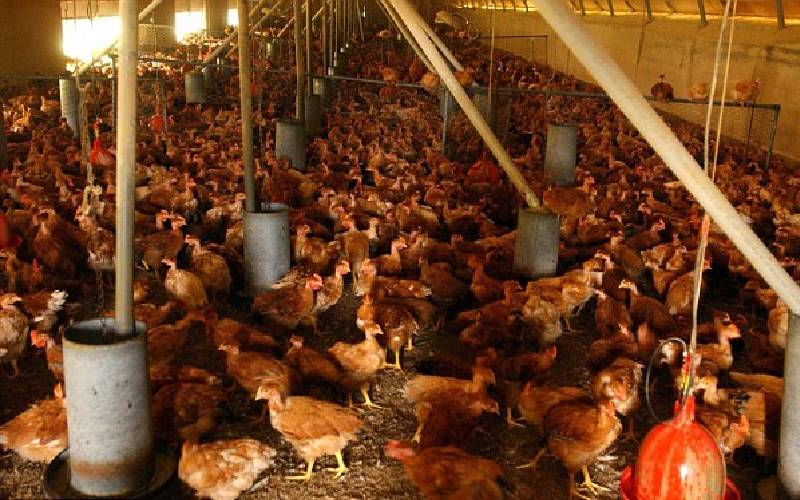
- 2-3 square feet per bird in deep litter systems
- 8-10 birds per square meter in cage systems
- 15% extra space for movement and stress reduction
Essential Housing Features
- Raised floor (at least 45cm above ground)
- Concrete foundation to prevent predator entry
- Sloped roof with 2-foot overhang
- Waterproof flooring material
Nesting Boxes
- 1 nest box per 4-5 hens
- Dark, quiet locations within the house
- Soft bedding material (wood shavings or straw)
- Regular cleaning schedule
Biosecurity Elements
- Footbath at entrance points
- Perimeter fencing with lockable gates
- Designated areas for equipment storage
- Separate isolation area for sick birds
Lighting System
- Natural light supplemented with artificial lighting
- 16-hour light period for optimal egg production
- Light-proof housing to control exposure
- Uniform light distribution throughout the structure
Your housing structure needs regular maintenance checks to identify potential issues early. Clean all equipment weekly and maintain proper documentation of maintenance activities.
In addition to these structural considerations, if you’re contemplating diversifying your farm’s produce, such as incorporating mango farming, it’s crucial to understand how to choose the right mango variety for your Kenyan farm. This knowledge can significantly enhance your farming productivity and profitability.
4. Procuring Quality Layer Chicks from Reputable Sources
The success of your layers farming venture heavily depends on the quality of chicks you start with. Selecting healthy, genetically superior chicks directly impacts your farm’s egg production potential and profitability.
Here’s what to look for when sourcing layer chicks:
- Certified Hatcheries: Choose hatcheries registered with the Kenya Poultry Farmers Association (KPFA) or similar regulatory bodies.
- Health Documentation: Request vaccination records and health certificates for the parent stock.
- Breed Performance: Ask for documented egg production records of the parent flock.
- Physical Inspection: Look for:
- Active, alert chicks
- Clear, bright eyes
- Clean, dry vents
- Well-formed legs and feet
- Uniform size and coloring
It’s important to follow certain criteria for selection of poultry to ensure you’re making the right choice.
Top Layer Breeds in Kenya:
- ISA Brown
- Hy-Line Brown
- Lohmann Brown
- Bovans Brown
Red Flags to Watch For:
- Unusually low prices compared to market rates
- Reluctance to show parent stock facilities
- Lack of proper documentation
- History of disease outbreaks
- Poor after-sale support
Consider establishing relationships with multiple reliable suppliers to ensure consistent access to quality chicks throughout your farming journey. Regular communication with your chosen hatchery helps secure timely deliveries and maintains the quality standards you need.
In addition to poultry farming, it’s worth exploring other agricultural ventures such as avocado farming, which can also be lucrative. For instance, understanding essential tips for caring for newly planted avocado seedlings or learning about Murang’a’s role in producing quality Hass avocado seedlings could provide valuable insights.
Moreover, recognizing the economic impact of quality seedlings on smallholder incomes or understanding the science behind grafting and how it improves crop yield and quality can further enhance your farming knowledge and success. Additionally, it’s crucial to understand the health management practices in poultry farming to ensure optimal growth and productivity of your layer chicks.
5. Feed Management Strategies to Maximize Egg Production Potential
Feed management directly impacts your layers’ egg production capacity. A well-structured feeding program ensures optimal nutrition at each growth stage, resulting in consistent laying performance and high-quality eggs.
Growth Stage Nutrition Requirements:
- Day 1-8 weeks: Chick starter mash (20-22% protein)
- 8-18 weeks: Grower mash (16-18% protein)
- 18+ weeks: Layer mash (16-17% protein)
Daily Feeding Schedule:
- 60% feed portion in morning hours
- 40% feed portion in afternoon
- Fresh feed available throughout the day
Essential Nutrients for Peak Production:
- Calcium: 3.5-4% for strong eggshells
- Phosphorus: 0.5% for metabolic functions
- Protein: 16-17% for egg formation
- Vitamins A, D3, E: Support reproductive health
Practical Feeding Tips:
- Maintain consistent feeding times
- Provide 120g feed per bird daily
- Install proper feeder height at back level
- Use one feeder per 25 birds
- Keep feeders clean and dry
Feed Storage Guidelines:
- Store in cool, dry areas
- Protect from rodents and moisture
- Use within 3 weeks of purchase
- Monitor for mold or contamination
Tracking feed consumption helps identify health issues early. A sudden drop in feed intake often signals potential problems requiring immediate attention. Regular feed quality checks ensure your layers receive optimal nutrition for sustained egg production.
In addition to these strategies, it’s interesting to note the role of advanced agricultural techniques such as tissue culture in enhancing the quality of feed crops like bananas. By improving the nutritional value of the feed through such methods, you could potentially further increase your layers’ egg production capacity.
6. Water Management Techniques for Healthy Laying Hens
Water management plays a critical role in maintaining healthy laying hens and optimal egg production. Your layers need access to clean, fresh water 24/7 to support their biological functions and egg formation process.
Daily Water Requirements:
- Each laying hen consumes 230-300ml of water per day
- Water intake increases during peak laying periods
- Consumption doubles during hot weather conditions
Water Quality Standards:
- Temperature: Keep water between 10-25°C
- pH level: Maintain between 6.0-8.0
- Free from debris, algae, and contaminants
- Regular testing for bacterial content
Environmental Factors Affecting Water Consumption:
- Ambient temperature
- Humidity levels
- Feed composition
- Bird age and size
- Production stage
Practical Water Management Tips:
- Install nipple drinkers at appropriate heights
- Clean and sanitize water lines weekly
- Monitor water pressure to prevent leakage
- Place drinkers away from feed to minimize contamination
- Provide one drinking point per 8-10 birds
Signs of Inadequate Water Access:
- Reduced egg production
- Decreased feed intake
- Pale combs and wattles
- Concentrated droppings
- Restless behavior near water sources
Regular monitoring of water consumption patterns helps identify potential health issues early. Track daily water intake through meter readings or visual inspection of drinker levels to maintain optimal flock performance.
7. Disease Prevention Strategies to Safeguard Your Layer Flock’s Health
Disease prevention is crucial for successful layers farming. Here are the common diseases affecting layer hens in Kenya and their prevention measures:
Common Diseases to Watch For:
- Newcastle Disease: Causes respiratory issues and reduced egg production
- Infectious Bronchitis: Results in poor egg quality and respiratory problems
- Fowl Pox: Creates lesions on unfeathered body parts
- Coccidiosis: Leads to bloody diarrhea and weight loss
- Gumboro Disease: Affects immunity and causes high mortality rates
Essential Prevention Measures:
- Vaccination Schedule
- Day 1: Marek’s Disease
- Day 7: Newcastle Disease + Infectious Bronchitis
- Day 14: Gumboro Disease
- Week 8: Fowl Pox
- Week 16: Newcastle Disease booster
- Daily Health Checks
- Monitor feed consumption patterns
- Check for unusual behavior or symptoms
- Record mortality rates
- Observe egg production levels
- Biosecurity Practices
- Restrict visitor access to your farm
- Use footbaths with disinfectant at entry points
- Keep different age groups separated
- Remove sick birds immediately
- Clean and disinfect equipment regularly
- Professional Support
- Partner with a qualified veterinarian
- Schedule regular health inspections
- Keep detailed health records
- Stay updated on disease outbreaks in your area
Remember to isolate new birds for at least 14 days before introducing them to your existing flock. This quarantine period helps identify potential health issues before they spread to your main flock.
While this guide primarily focuses on layer hens, it’s important to note that similar disease prevention strategies can be applied across various types of farming, including avocado seedling farming.
8. Efficient Egg Collection, Storage, and Marketing Practices for Layers Farmers in Kenya
Proper egg collection and storage practices directly impact your farm’s profitability. However, best practices for smallholder farmers when it comes to handling and marketing your eggs effectively can make a significant difference.
Collection Guidelines
- Collect eggs 3-4 times daily
- Start early morning collections by 7 AM
- Schedule last collection before 4 PM
- Use clean, cushioned collection baskets
- Wear sanitized gloves during collection
Storage Best Practices
- Store eggs at 13-15°C (55-60°F)
- Maintain 70-85% relative humidity
- Position eggs with pointed end down
- Use clean egg trays or cartons
- Rotate stock using “first in, first out” principle
Quality Control Measures
- Check for cracks or defects
- Remove dirty or damaged eggs
- Grade eggs by size and quality
- Clean slightly soiled eggs with dry cloth
- Avoid washing eggs unless necessary
Marketing Strategies
When it comes to marketing, it’s essential to build relationships with various sectors such as:
- Local hotels and restaurants
- Retail shops
- School canteens
- Bakeries
- Direct consumers
Additionally, exploring export markets could be beneficial. For instance, Kenyan farmers can profit from Hass avocado exports, which could supplement income from layers farming.
Pricing Structure
To determine your pricing strategy:
- Research current market rates
- Consider production costs
- Set competitive wholesale prices
- Implement quantity discounts
- Adjust prices seasonally
Value Addition Options
To enhance the value of your products:
- Brand your eggs
- Use attractive packaging
- Include nutritional information
- Highlight farm-fresh quality
- Consider organic certification
Establishing reliable distribution channels helps maintain consistent sales. Create a delivery schedule that matches your production capacity and customer demands. Building strong relationships with regular buyers ensures steady income streams for your layers farming business.
9. Practical Insights from Experienced Layers Farmers in Kenya: Lessons Learned Over Years of Practice
Successful layers farmers in Kenya have embraced innovative practices that significantly boost productivity. Here’s what they’ve learned through years of experience:
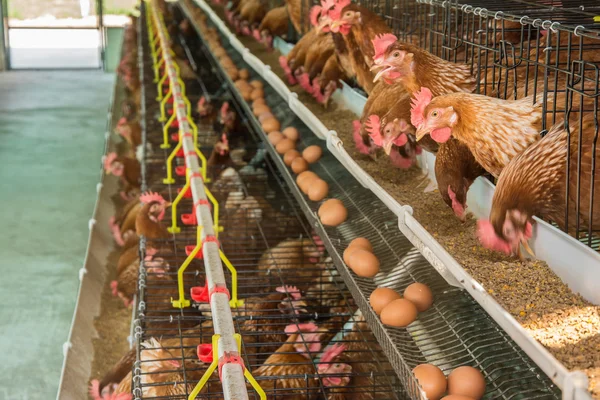
Enriched Cage Systems
- Multi-tier cage systems maximize vertical space utilization
- Automated feeding tracks reduce labor costs by 40%
- Built-in egg collection belts minimize breakage rates
- Improved ventilation systems maintain optimal temperature
Alternative Feed Solutions
- Black soldier fly larvae supplement protein requirements
- Kitchen waste composting creates sustainable feed sources
- Sprouted grains boost egg quality and shell strength
- Local feed mixing reduces dependency on commercial feeds
Technology Integration
- Smart sensors monitor temperature and humidity levels
- Mobile apps track egg production and feed consumption
- Automated lighting systems regulate laying cycles
- RFID tags help monitor individual bird health
Cost-Cutting Strategies
- Solar panels reduce electricity costs by up to 60%
- Rainwater harvesting systems lower water bills
- Bio-gas production from chicken waste
- Direct marketing through WhatsApp groups increases profit margins
Welfare Improvements
- Natural perches reduce stress levels
- Dust bathing areas promote natural behaviors
- Regular health monitoring prevents disease outbreaks
- Social housing arrangements improve flock dynamics
These innovations have helped farmers achieve:
- 15% increase in egg production
- 30% reduction in operational costs
- 25% improvement in egg quality
- 40% decrease in mortality rates
Conclusion: Embracing Layers Farming as a Viable Pathway Towards Sustainable Agriculture Development in Kenya
Layers farming stands as a transformative force in Kenya’s agricultural landscape. The industry’s growth directly impacts national food security by providing a consistent supply of high-quality protein through egg production. Small-scale farmers across regions have witnessed significant income improvements through well-managed layer operations.
The data speaks for itself:
- A single layer farm with 1,000 birds can produce up to 900 eggs daily
- Layer farming creates employment opportunities for youth and women
- The demand for eggs in Kenya continues to rise by 8% annually
- Small-scale farmers report 40-60% profit margins with proper management
The success stories from various regions demonstrate the adaptability of layer farming:
“I started with 200 birds in Nakuru. Today, I manage 2,000 layers and supply eggs to major supermarkets. Layer farming changed my life.” – Sarah Kimani, Successful Layer Farmer
Ready to Start Your Layer Farming Journey?
We’re here to support your venture into layer farming. Our team provides:
- Expert guidance on farm setup and management
- Access to high-quality layer chicks
- Technical support throughout your farming journey
- Connection to reliable market channels
Partner With Us Today!
Take the first step toward building your successful layer farming enterprise. Contact us for personalized support and guidance:
Contact Royal Seedlings:
- 📱 Phone: +254 711315313
- 📧 Email: Julius.murega@royalseedlings.com
- 🌐 Website: www.royalseedlings.com
Book a Free Consultation
Our experts will help you:
- Develop a customized farm plan
- Calculate potential returns
- Access quality inputs
- Connect with successful farmers
In addition to layer farming, there are other lucrative agricultural avenues worth exploring. For instance, training opportunities for aspiring commercial fruit growers in Muranga County can provide valuable skills and knowledge. If you’re interested in avocado farming, we offer professional training sessions that cover essential aspects of the trade.
However, it’s crucial to avoid common pitfalls in avocado farming. Our guide on avocado farming mistakes to avoid for a bountiful harvest can be instrumental in ensuring your success.
For those considering venturing into citrus fruits, our comprehensive resource on pixie orange farming serves as an excellent starting point.
Moreover, if you’re looking for high-quality seedlings or understanding what makes a good nursery, we have the expertise to assist you.
Join the growing community of successful layer farmers in Kenya. Your journey to agricultural success starts here.
FAQs (Frequently Asked Questions)
What are the key benefits and profitability potential of layers farming in Kenya?
Layers farming in Kenya offers significant benefits including a steady supply of fresh eggs to meet local demand, opportunities for sustainable income generation, and contributions towards national food security. With proper management, layers farming can be highly profitable due to consistent egg production and market demand.
How do I prepare for starting a layers farming business in Kenya?
Preparing for layers farming involves researching suitable chicken breeds optimized for egg production, understanding local regulations and compliance requirements, and developing a comprehensive business plan that analyzes market demand and competition to ensure viability.
What financial considerations should I make when budgeting for a layers farm with 200 chicks?
Financial planning is critical for sustainability. Budgeting should include costs for purchasing quality layer chicks, constructing appropriate housing with adequate ventilation and space, feed expenses tailored to different growth stages, healthcare including vaccinations, and other operational overheads. A detailed cost breakdown helps estimate initial investment and ongoing expenses accurately.
How can I ensure good health and high productivity in my layer hens through farm setup and management?
Ensure well-ventilated housing that provides sufficient space per bird to prevent overcrowding. Maintain strict biosecurity measures to minimize disease risks. Provide balanced nutrition aligned with hens’ growth stages, consistent access to clean drinking water, and adhere to recommended vaccination schedules based on veterinary advice.
What are effective egg collection, storage, and marketing practices for layers farmers in Kenya?
Collect eggs multiple times daily using gentle handling methods such as hand gathering or automated systems to reduce breakage. Store eggs properly in cool, clean environments to maintain quality until sale. Explore diverse marketing channels including direct sales to consumers or local businesses to maximize profits.
Where can I get support or resources for my layers farming venture in Kenya?
Partnering with reputable suppliers who provide high-quality layer chicks is essential. Additionally, seeking assistance from experienced farmers or agricultural service providers can offer valuable insights. Contact details are available for sourcing chicks and accessing necessary resources throughout your layers farming journey.