

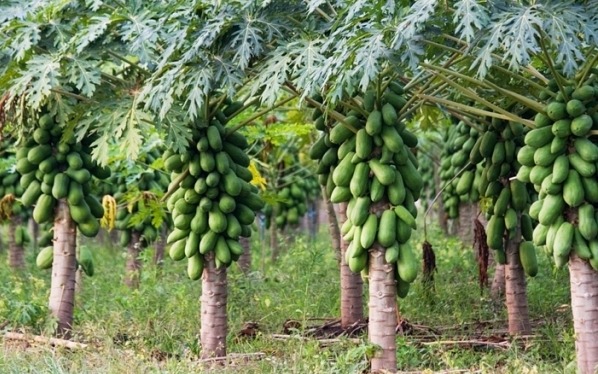
Pawpaw farming is one of Kenya’s most promising agricultural ventures, offering farmers a way to earn a sustainable income by growing this nutritious tropical fruit. The sweet, golden-fleshed papaya has gained popularity in both local and international markets, creating exciting opportunities for Kenyan farmers.

The demand for pawpaw is rising in various sectors:
- Fresh fruit markets in urban areas
- Export opportunities to neighboring countries
- Increasing interest from processing industries
- Growing health-conscious consumer base
Quick Returns, Lasting Profits
You can start harvesting pawpaw within 8-12 months after planting – a remarkably short period compared to many other fruit crops. A well-managed acre of pawpaw farm yields 30-40 tons annually, with current market prices averaging KES 30 per kilogram. This translates to potential earnings of up to KES 900,000 per year from a single acre.
The advantages of pawpaw farming include:
- Year-round production capability
- Low maintenance requirements
- Multiple revenue streams through value addition
- Strong market demand
As climate-smart agriculture becomes more important, pawpaw farming emerges as an ideal choice for both small-scale and commercial farmers in Kenya. The fruit’s adaptability to various regions, combined with its high nutritional value and market appeal, makes it an attractive agricultural investment.
To maximize these benefits, it’s essential to consider understanding the benefits of grafted fruit seedlings which can significantly enhance yield and fruit quality. Additionally, following the importance of proper spacing when planting fruit trees can lead to better growth and production outcomes.
Understanding Pawpaw Farming in Kenya
Kenya’s diverse agricultural zones create perfect conditions for pawpaw cultivation across multiple regions. You’ll find thriving pawpaw farms in:
- Coastal Region: Mombasa, Kilifi, Kwale
- Eastern Kenya: Meru, Embu, Machakos
- Western Kenya: Kisumu, Bungoma
- Rift Valley: Selected areas with suitable microclimates
The success of pawpaw farming depends heavily on specific climate requirements. Your pawpaw trees need:
- Temperatures between 20-35°C
- Annual rainfall exceeding 1000mm
- Protection from strong winds
- Full sun exposure
Soil Specifications
Your soil quality directly impacts pawpaw growth and fruit production. The ideal soil characteristics include:
- Well-draining composition
- pH levels between 6.0 and 6.5
- Rich organic matter content
- Deep soil profile (minimum 45cm)
For a more detailed understanding of the [soil requirements for different fruit trees in Kenya](https://royalseedlings.com/understanding-soil-requirements-for-different-fruit-trees-in-kenya), including pawpaws, it’s beneficial to refer to specialized resources.
Popular Pawpaw Varieties in Kenya
-
Solo Sunrise
- Red flesh variety
- Sweet taste profile
- Medium-sized fruits
- High market demand
-
Calina Papaya IPB9
- Dwarf variety
- Early fruiting
- Compact growth habit
- Ideal for small farms
-
Red Lady Dwarf
- Self-pollinating
- Disease resistant
- 1kg average fruit weight
- Consistent yields
-
Mountain Pawpaw
- Altitude tolerant
- Hardy variety
- Good shelf life
- Local market favorite
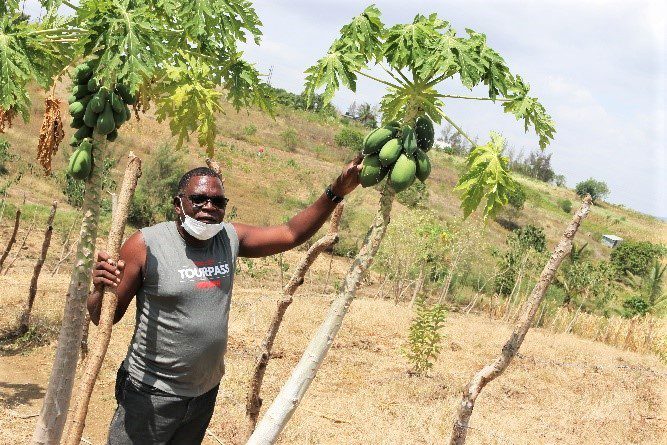
These varieties have proven successful in Kenya’s growing conditions, with yields ranging from 30-40 tons per acre annually. Your choice of variety should align with your local climate, market demands, and farming goals.
If you’re also considering diversifying into other fruit farming ventures such as avocado or mango farming, you might find our step-by-step guide to starting an avocado orchard in Kenya and insights on [how to choose the right mango variety for your Kenyan farm](https://royalseedlings.com/how-to-choose-the-right-mango-variety-for-your-kenyan-farm) helpful.
Additionally, if you’re interested in exploring other fruit farming opportunities like pomegranates, we have a comprehensive article on pomegranate farming in Kenya – opportunities and challenges that could provide valuable insights.
Lastly, for those looking to strategically plan their planting schedules, our [seasonal planting calendar for fruit seedlings in Central Kenya](https://royalseedlings.com/seasonal-planting-calendar-for-fruit-seedlings-in-central-kenya) could serve as a useful resource.
Essential Steps to Prepare for Pawpaw Farming
Proper soil preparation creates the foundation for successful pawpaw farming. Your land requires deep plowing to a depth of 30-45cm to break up compacted soil and improve root penetration. This process helps eliminate hidden obstacles like rocks and roots that might hinder root development.
Key soil preparation steps:
- Clear existing vegetation and remove weeds
- Plow the land twice to achieve ideal soil texture
- Level the ground to prevent water logging
- Add well-decomposed manure at 20kg per planting hole
- Create planting holes 60cm x 60cm x 60cm
The success of your pawpaw farm depends on correct transplanting techniques. Plant your seedlings when they reach 15-20cm in height – this typically occurs 6-8 weeks after germination. The ideal spacing between plants is 3 meters, creating rows 3 meters apart. This spacing allows:
- Sufficient room for root development
- Easy access for maintenance activities
- Maximum sunlight exposure
- Proper air circulation
Planting tips:
- Mix topsoil with manure in a 3:1 ratio
- Place seedlings at the same depth they grew in nursery bags
- Water immediately after transplanting
- Support young plants with stakes if needed
Your farm layout should incorporate proper drainage channels to prevent waterlogging during heavy rains. Create raised beds in areas prone to flooding to protect your pawpaw plants from root rot.
While these tips are essential for pawpaw farming, similar principles apply to other types of farming as well, such as avocado farming. Understanding the common mistakes in avocado farming can also provide valuable insights into successful crop management.
Moreover, if you’re considering expanding your farming venture to include avocado trees, it’s crucial to know how to properly care for newly planted avocado seedlings and understand the grafting process which significantly improves crop yield and quality.
If you have any questions regarding purchasing avocado seedlings online, don’t hesitate to seek clarification.
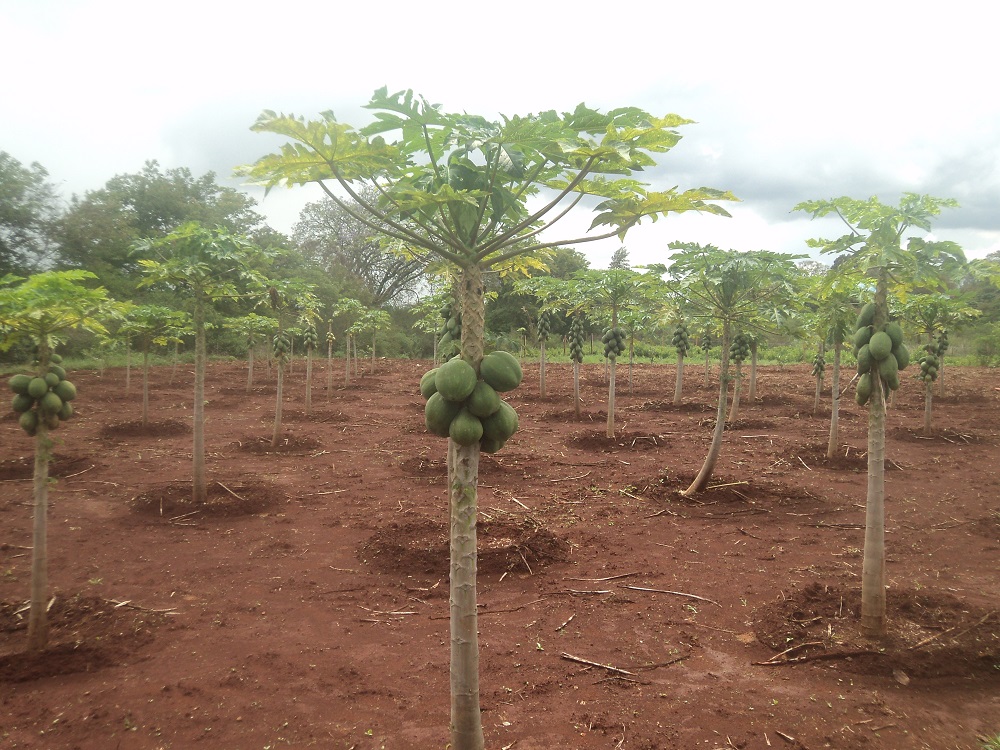
Effective Water Management and Irrigation Practices for Pawpaw Farming
Pawpaw plants require consistent soil moisture to produce high-quality fruits and maintain healthy growth. Your pawpaw trees need 1-2 inches of water per week during the growing season, with increased requirements during fruit development.
Drip Irrigation Benefits:
- Delivers water directly to plant roots
- Reduces water wastage by 30-50%
- Minimizes leaf wetness, preventing fungal diseases
- Allows precise control of water distribution
- Saves on labor costs through automation
Setting up a drip irrigation system costs KES 50,000-70,000 per acre but pays off through water savings and improved yields. Install drippers 30cm from the plant stem, using 2-4 drippers per tree based on soil type.
Effective Mulching Practices:
- Apply organic mulch 10-15cm thick
- Keep mulch 15cm away from tree trunk
- Use materials like:
- Dried grass clippings
- Straw
- Dried leaves
- Wood chips
Mulching your pawpaw farm helps maintain soil temperature, reduces evaporation, and suppresses weed growth. Replace mulch materials every 3-4 months as they decompose.
Soil Moisture Monitoring:
- Check soil moisture at 15-30cm depth
- Maintain consistent moisture without waterlogging
- Adjust irrigation schedule based on:
- Rainfall patterns
- Temperature
- Plant growth stage
In addition to these practices, employing advanced techniques like tissue culture can significantly enhance seedling production in pawpaw farming. This method not only ensures high-quality seedlings but also contributes to better overall farm productivity by providing disease-free and genetically uniform plants.

Managing Pests and Diseases in Pawpaw Farming
Successful pawpaw farming requires vigilant pest and disease management. Here’s what you need to know about protecting your pawpaw crop:
Common Pests and Control Measures
- Fruit Flies: These pests lay eggs in ripening fruits, causing rot and significant crop losses
- Use fruit fly traps with methyl eugenol lures
- Apply biological controls like neem-based pesticides
- Remove fallen fruits promptly to break the pest cycle
- Spider Mites: Tiny pests that cause leaf yellowing and reduced fruit quality
- Spray affected areas with miticides
- Maintain proper plant spacing for good air circulation
- Regular monitoring of leaf undersides for early detection
Disease Management Strategies
- Powdery Mildew
- Plant resistant varieties like Red Lady Dwarf
- Maintain proper spacing between plants
- Apply fungicides during humid conditions
- Remove infected leaves and destroy them
- Anthracnose
- Practice crop rotation
- Use certified disease-free seedlings
- Apply copper-based fungicides preventively
- Maintain field hygiene by removing plant debris
For a more holistic approach, consider integrating pest management strategies into your farming practices such as regular field scouting to detect problems early, use of beneficial insects like ladybugs, maintaining clean farm tools and equipment, practicing crop rotation where possible, and keeping records of pest occurrences and treatment effectiveness.
Additionally, it’s crucial to be aware of potential diseases that could affect your pawpaw crop. Implementing effective disease prevention strategies can significantly reduce the risk of these diseases.
Harvesting, Post-Harvest Handling Techniques, and Marketing Opportunities for Pawpaw Farmers in Kenya
Proper harvesting and handling practices determine the quality and market value of your pawpaw fruits. You’ll need to identify the right harvesting indicators and implement effective post-harvest techniques to maximize your returns.
Harvesting Indicators:
- 25% yellow coloration on fruit surface
- Slight softening at the blossom end
- Light yellow streaks appearing between the ridges
- Latex flow reduces when fruit is scratched
Harvesting Best Practices:
- Use clean, sharp harvesting tools
- Pick fruits during cool morning hours
- Handle fruits gently to prevent bruising
- Place harvested fruits in padded collection baskets
- Sort fruits based on ripeness and size
Storage Requirements:
- Store partially ripe fruits at 10-15°C
- Maintain relative humidity at 85-90%
- Ensure proper ventilation in storage areas
- Use clean, dry storage containers
- Keep storage area free from ethylene-producing fruits
Marketing Channels in Kenya:
Local Markets:
- Fresh produce markets in urban centers
- Supermarket chains (Naivas, Carrefour, Quickmart)
- Hotels and restaurants
- Local fruit vendors
- Processing companies
Export Markets:
Kenyan farmers can explore various export markets to enhance their profitability. For instance, Hass avocado exports have shown promising potential. This not only diversifies the market but also increases the overall income from farming.
Value Addition Opportunities:
Engaging in value addition opportunities such as dried pawpaw products, pawpaw juice production, pawpaw jam and preserves, or pawpaw-based cosmetic products can significantly boost your profits. You can maximize your profits by establishing direct relationships with buyers and maintaining consistent quality standards.
Regular market research helps you identify premium pricing opportunities and new market segments for your pawpaw produce. Additionally, engaging in training opportunities for aspiring commercial fruit growers can equip you with essential skills to improve your farming practices.
Investment Costs, Profitability Analysis, Challenges in Pawpaw Farming and How to Overcome Them
Starting a pawpaw farm requires careful financial planning. Here’s a detailed breakdown of initial investment costs per acre:
Initial Setup Costs (Per Acre)
- [Land preparation](https://royalseedlings.com/expert-advice-preparing-your-land-before-receiving-seedlings-delivery): KES 15,000 – 20,000
- Seedlings (440 plants @ KES 150): KES 66,000
- Manure and fertilizers: KES 20,000 – 25,000
- Irrigation system setup: KES 35,000 – 45,000
- Labor costs: KES 17,500 – 22,500
Your total initial investment ranges between KES 123,500 to KES 173,500 per acre.
Profitability Analysis
A well-managed pawpaw farm yields impressive returns:
- Annual yield: 30-40 tons per acre
- Average farm-gate price: KES 30/kg
- Potential annual turnover: KES 900,000
- First harvest: 8-12 months after planting
- Production cycle: 3-4 years
Key Challenges and Solutions
Disease Management
- Challenge: Viral diseases affecting crop yield
- Solution: Plant resistant varieties like Red Lady Dwarf or explore options like Pixie Orange, which are also supported by Royal Seedlings.
- Practice: Regular farm inspection and immediate removal of infected plants
Water Management
- Challenge: Irregular rainfall patterns
- Solution: Install efficient drip irrigation systems
- Practice: Implement mulching for water conservation
Market Price Fluctuations
- Challenge: Unstable market prices
- Solution: Diversify market channels
- Practice: Form farmer groups for better bargaining power
Post-Harvest Losses
- Challenge: Fruit damage during handling
- Solution: Invest in proper storage facilities
- Practice: Train workers in proper handling techniques
You can minimize these challenges through proper planning and implementation of recommended farming practices. Regular soil testing, crop monitoring, and adherence to good agricultural practices significantly reduce risks and enhance profitability. It’s also essential to choose the right nursery for your seedlings. Understanding what makes a good nursery can greatly influence your farming success.
Additionally, Royal Seedlings’ initiative to support women and youth in agribusiness could provide valuable resources and assistance in your farming journey.

Conclusion
Pawpaw farming in Kenya is a great opportunity for both new and experienced farmers. The increasing demand for high-quality pawpaw products, both locally and internationally, creates a sustainable market for your harvest.
Key reasons to start your pawpaw farming journey:
- Quick returns within 8-12 months
- High yields of 30-40 tons per acre annually
- Strong market demand across Kenya and beyond
- Relatively low maintenance requirements
- Multiple revenue streams through value addition
Your success in pawpaw farming starts with quality seedlings and expert guidance. We offer premium pawpaw seedlings and comprehensive support to help you establish and grow your profitable pawpaw farm. It’s important to note that the economic impact of quality seedlings on smallholder incomes is substantial, making it crucial to choose the right ones.
Furthermore, as the agricultural landscape evolves, understanding the future of e-commerce in agriculture can provide valuable insights into expanding your farming business.
Ready to start your pawpaw farming venture?
- Call us: 0711315313
- Email: julius.murega@royalseedlings.com
Transform your agricultural dreams into reality with Royal Seedlings – your trusted partner in pawpaw farming success.
FAQs (Frequently Asked Questions)
What are the ideal climatic and soil conditions for pawpaw farming in Kenya?
Pawpaw farming in Kenya thrives best in regions with temperatures ranging between 20-35°C and annual rainfall exceeding 1000mm. The soil should be well-drained with a pH level between 6.0 and 6.5 to ensure optimal growth and yield.
Which pawpaw varieties are commonly cultivated in Kenya, and what are their characteristics?
Commonly grown pawpaw varieties in Kenya include Solo Sunrise, Calina Papaya IPB9, Red Lady Dwarf, and Mountain Pawpaw. Each variety offers unique traits such as fruit size, taste, and adaptability to local climatic conditions, making them suitable for different farming needs.
How should I prepare my farm for pawpaw cultivation to maximize profitability?
Effective preparation involves deep plowing, thorough weeding, leveling the land, and applying manure to enrich the soil. Seedlings should be transplanted at an optimal height of 15-20cm with proper spacing of about 3 meters apart to promote healthy growth and maximize yield.
What water management techniques are recommended for successful pawpaw farming?
Consistent soil moisture is vital for healthy pawpaw growth. Utilizing drip irrigation systems helps conserve water while reducing disease incidence. Additionally, mulching plays a crucial role in retaining soil moisture and controlling weed growth around the plants.
How can I manage pests and diseases effectively in my pawpaw farm?
Integrated Pest Management (IPM) strategies are essential to control common pests like fruit flies. For fungal diseases such as powdery mildew, maintaining farm hygiene and planting resistant varieties are effective measures to minimize outbreaks and protect your crop.
What is the expected profitability of pawpaw farming in Kenya, including investment costs and returns?
Initial investment per acre includes land preparation, approximately 440 seedlings, manure, irrigation setup, and labor costs. Farmers can expect yields of 30 to 40 tons annually with average farm-gate prices around KES 30 per kilogram, potentially generating turnovers up to KES 900,000 per year. Addressing challenges like disease through good practices ensures sustainable profitability.