

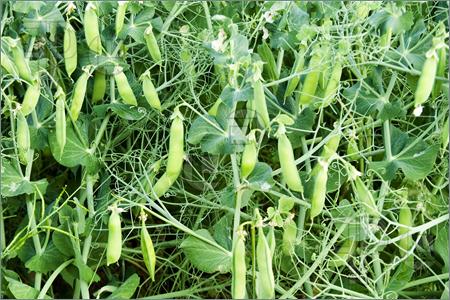
Peas farming in Kenya is a key part of agricultural success, providing significant economic opportunities for both small-scale and commercial farmers. This adaptable crop has changed rural communities, creating sustainable income sources while supporting the country’s food security efforts.
The demand for Kenyan peas continues to surge, driven by:
- Growing local market preferences for nutritious, fresh produce
- Expanding export opportunities in European and Middle Eastern markets
- Rising popularity in restaurants and supermarket chains
- Increased awareness of plant-based protein sources
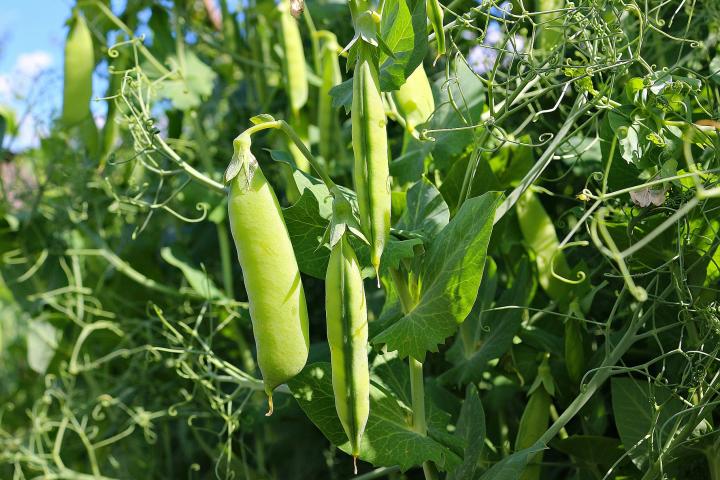
Under optimal farming conditions, pea yields can reach an impressive 6,000 kg per acre, making it a highly profitable venture for dedicated farmers. The crop’s short growing cycle of 2-3 months enables multiple harvests annually, providing steady income throughout the year.
The economic impact of peas farming extends beyond individual farmers:
- Creates employment opportunities in rural areas
- Supports auxiliary industries like transportation and packaging
- Contributes to foreign exchange earnings through exports
- Enhances food security at both household and national levels
For farmers looking to expand their agricultural activities, peas farming offers an attractive opportunity with relatively low initial investment needs and high profit potential. The crop’s ability to improve soil fertility also makes it an environmentally friendly option, reducing reliance on chemical fertilizers.
However, diversifying into other crops such as avocados can further enhance these benefits. Starting an avocado orchard in Kenya could provide additional income streams. With the right care for newly planted avocado seedlings, farmers can ensure a successful transition into this lucrative market.
Moreover, it’s important to be aware of potential challenges such as pest infestations. Implementing strategies for preventing pest infestations in young orchards can help mitigate these risks.
Additionally, Royal Seedlings not only provides quality avocado seedlings but also supports women and youth in agribusiness, promoting inclusivity and empowerment within the agricultural sector.
Ideal Growing Conditions for Peas in Kenya
Successful pea farming in Kenya requires specific environmental conditions for optimal growth and yield. The ideal temperature range falls between 10-25°C, making highland areas particularly suitable for cultivation.
Peas thrive with an annual rainfall of 500-700 mm, distributed throughout the growing season. You can supplement natural rainfall with irrigation during dry spells to maintain consistent moisture levels. This is similar to the rainfed agriculture crop suitability that is practiced in some regions.
The crop performs best in:
- Well-drained loamy soils rich in organic matter, similar to the understanding soil requirements for different fruit trees in Kenya
- Soil pH levels between 5.5 and 7.0
- Areas with good air circulation
- Fields protected from strong winds
Sandy loam soils allow proper root development and prevent waterlogging, which can lead to root rot. Adding organic matter improves soil structure and water retention capacity, creating optimal growing conditions for your pea crop. It’s also crucial to be aware of the common avocado seedling diseases that could potentially affect your crop if you’re also farming avocados alongside peas.
In addition to these factors, understanding the specific growing conditions for other crops can provide valuable insights into managing a successful farm.

Major Pea-Growing Regions in Kenya
Kenya’s pea production thrives across three distinct geographical regions, each offering unique advantages for cultivation:
1. Central Kenya
- Kiambu: Rich volcanic soils support year-round pea farming
- Murang’a: High altitude areas produce premium quality peas. This region also offers training opportunities for aspiring commercial fruit growers, which can be beneficial for diversifying crops.
- Nyeri: Cool climate enables consistent crop cycles
- Kirinyaga: Mount Kenya slopes provide ideal growing conditions
2. Rift Valley
- Nakuru: Large-scale commercial pea production
- Uasin Gishu: Extensive farming with mechanized systems
- Bomet: Small-scale farmers dominate pea cultivation
3. Western Kenya
- Kakamega: Mixed farming practices with peas as rotation crops
- Bungoma: Rain-fed pea cultivation in small holdings
- Busia: Border location facilitates regional trade
These regions benefit from favorable climatic conditions, established farming communities, and proximity to major markets. The Mount Kenya and Aberdare Range areas provide additional high-altitude growing zones with excellent soil fertility. Additionally, the knowledge gained from professional avocado farming training session or understanding the benefits of grafted fruit seedlings could enhance the agricultural practices in these regions.
Moreover, it’s important to note that while these regions have their unique strengths, there are also challenges that need to be addressed. For instance, the reliance on traditional farming methods in some areas limits productivity and sustainability. To counter this, innovative agricultural practices should be embraced to improve yields and ensure food security.
Furthermore, understanding the socio-economic aspects of agriculture in these regions can provide valuable insights into market trends and consumer preferences, ultimately aiding farmers in making informed decisions about their production strategies.
Popular Pea Varieties Cultivated in Kenya
Kenyan farmers cultivate several distinct pea varieties, each offering unique characteristics and market advantages.
1. Garden Peas (Pisum sativum)
- Sweet, starchy texture ideal for cooking
- Round, plump pods containing 6-8 peas
- Mature in 60-70 days
- Popular varieties: KS Mwenje, Kamande
2. Snow Peas (Pisum sativum var. saccharatum)
- Flat, edible pods with tiny peas inside
- Harvested before peas develop fully
- Ready for picking in 50-60 days
- Common varieties: Kenya Beauty, Oregon Sugar Pod
3. Sugar Snap Peas
- Combines features of garden and snow peas
- Sweet, crunchy pods eaten whole
- Matures in 55-65 days
- Leading variety: Sugar Bon
These varieties thrive in Kenya’s diverse agricultural zones, with farmers selecting specific types based on local growing conditions and market demands.
Land Preparation and Planting Techniques for Successful Pea Farming in Kenya
Proper land preparation sets the foundation for successful pea farming in Kenya. Your field requires thorough clearing of plant debris, rocks, and weeds before cultivation begins.
Essential Land Preparation Steps:
- Deep plowing at 20-30cm depth to break soil compaction
- Multiple harrowings to achieve fine tilth
- Leveling the field to prevent water logging
Before you start this process, it’s advisable to follow some expert advice on preparing your land which can significantly enhance the outcome.
Planting Methods:
- Create furrows 30cm apart for optimal plant spacing
- Set raised beds 1m wide with 45cm paths between them
- Plant seeds at 2-3cm depth for best germination
The raised bed method works exceptionally well in areas with heavy rainfall, preventing waterlogging and root rot. For sloping land, contour plowing helps control soil erosion while maintaining moisture levels.
Your soil pH should be tested before planting – peas thrive in slightly acidic to neutral conditions. Add lime if needed to adjust soil acidity at least two weeks before planting.
When planning your planting schedule, consider using a seasonal planting calendar to optimize your yields. Additionally, understanding the importance of proper spacing when planting can also contribute significantly to the success of your pea farming venture.
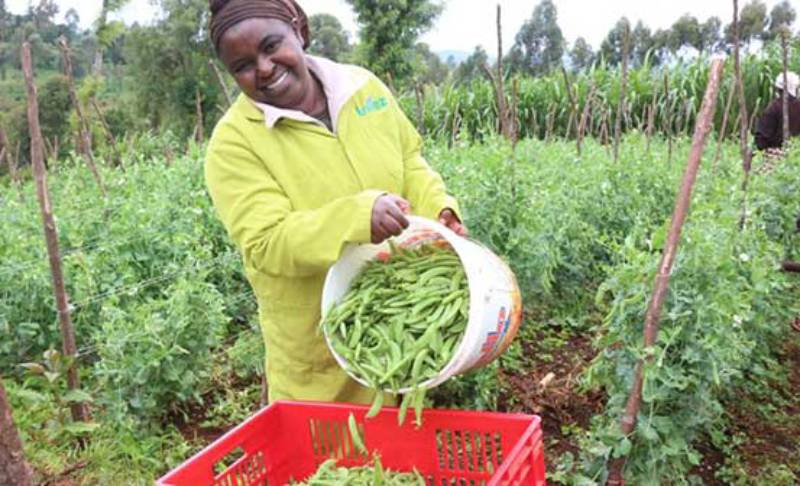
Crop Management Practices for Optimal Yield in Peas Farming
Effective crop management practices maximize pea yields through precise irrigation and weed control strategies.
Irrigation Methods
- Drip systems deliver water directly to plant roots, reducing water waste
- Sprinkler irrigation provides uniform coverage for larger fields
- Water early morning or late evening to minimize evaporation
Weed Management
- Remove weeds manually every 2-3 weeks
- Apply organic mulch around plants to:
- Suppress weed growth
- Retain soil moisture
- Regulate soil temperature
- Use clean mulch materials like straw or dried grass
- Maintain mulch layer thickness of 2-3 inches
Soil Moisture Monitoring
- Check soil moisture levels regularly
- Adjust irrigation frequency based on:
- Weather conditions
- Plant growth stage
- Soil type
In addition to these practices, embracing the future of e-commerce in agriculture can also significantly enhance your farming operations. Furthermore, understanding the science behind grafting can provide insights into improving crop yield and quality.
Harvesting Guidelines for Different Pea Types in Kenyan Farms
Proper harvesting techniques directly impact the quality and market value of your pea crop. Here’s what you need to know about harvesting different pea varieties:
Garden Peas
- Harvest when pods are firm, plump, and bright green
- Pick pods once seeds have reached full size but remain tender
- Test by opening a few pods – seeds should be sweet and easily crushed
Snow Peas
- Pick when pods are flat and seeds are barely visible
- Harvest before seeds start swelling
- Look for crisp, tender pods with a glossy appearance
Harvesting Best Practices
- Use both hands – one to hold the vine, another to pick
- Gently twist and pull pods away from the plant
- Pick during cool morning hours to maintain freshness
- Harvest every 2-3 days to encourage continuous production
In addition to these harvesting guidelines, if you’re considering diversifying your farm produce, it might be worthwhile to explore other crops such as mangoes. Understanding how to choose the right mango variety for your Kenyan farm can open up new avenues for profit.

Post-Harvest Handling and Storage Techniques to Maintain Quality in Kenyan Peas Farming
Proper post-harvest handling determines the market value and shelf life of your peas. Here’s what you need to do right after harvest:
1. Clean and Sort
- Remove dirt, debris, and damaged pods
- Sort peas by size and quality grade
- Discard any discolored or diseased pods
2. Storage Guidelines
- Pack peas in ventilated plastic crates or woven baskets
- Store at temperatures between 0-4°C
- Maintain relative humidity at 90-95%
- Keep storage area clean and well-ventilated
3. Quick Tips
- Handle pods gently to prevent bruising
- Avoid washing peas before storage
- Check stored peas daily for signs of deterioration
- Use perforated bags for retail packaging
The shelf life of properly stored peas extends up to 2 weeks, maintaining their crisp texture and bright green color. Commercial farmers can explore cold storage facilities for longer preservation periods.
In addition to these practices, it’s essential to avoid common farming mistakes that could impact your overall yield. For instance, avocado farming mistakes to avoid for a bountiful harvest can serve as a valuable lesson in other crop management strategies. Furthermore, understanding the economic impact of quality seedlings on smallholder incomes can provide insights into the importance of seed quality in achieving optimal harvests.
Environmental Benefits of Sustainable Pea Farming Practices in Kenya
Pea farming brings significant ecological advantages to Kenyan agricultural systems. The plants’ natural nitrogen-fixing abilities create a self-sustaining nutrient cycle, reducing the need for synthetic fertilizers by up to 30%. This biological process enriches soil fertility while cutting down farming costs.
The dense foliage of pea plants serves as protective ground cover, shielding soil from harsh weather conditions. Their root systems help:
- Prevent soil erosion during heavy rains
- Maintain soil structure
- Increase water retention capacity
- Support beneficial soil microorganisms
Pea crops also create natural habitats for beneficial insects and pollinators, promoting biodiversity in farming ecosystems. The plant residues left after harvest decompose into organic matter, improving soil health for subsequent crops.
These environmental benefits make pea farming a sustainable choice for Kenyan farmers looking to minimize their ecological footprint while maintaining productive agricultural systems.
Challenges Facing Pea Farmers in Kenya and Possible Solutions
Pea farmers in Kenya face significant hurdles that impact their production capacity and profitability. Climate variability poses a critical challenge, with unpredictable rainfall patterns affecting seed germination and pod development. Extended dry spells reduce yields, while excessive rainfall increases disease prevalence.
Small-scale farmers struggle with:
- Limited access to quality seeds and fertilizers
- High costs of modern farming equipment
- Inadequate storage facilities
- Poor market linkages
Practical Solutions:
- Implementation of drought-resistant pea varieties
- Formation of farmer cooperatives to share resources
- Adoption of water harvesting techniques
- Partnership with agricultural extension services for technical support
- Development of contract farming arrangements with reliable buyers
To tackle the issue of limited access to quality seeds, farmers can benefit from understanding the key qualities that make a good nursery. This knowledge can help them source better seeds, not only for peas but also for other crops such as avocados, where best practices for purchasing seedlings online could be applied.
The Kenya Agricultural Research Institute (KARI) actively supports farmers through training programs and improved seed varieties, helping address these production constraints. In regions like Murang’a, known as the heart of quality Hass avocado seedling production in Kenya, the principles applied in avocado farming could provide valuable insights for pea farmers as well.
Moreover, implementing certain agricultural practices such as those outlined in this study on the effects of various factors on pea yield, could significantly improve productivity and profitability for these farmers.
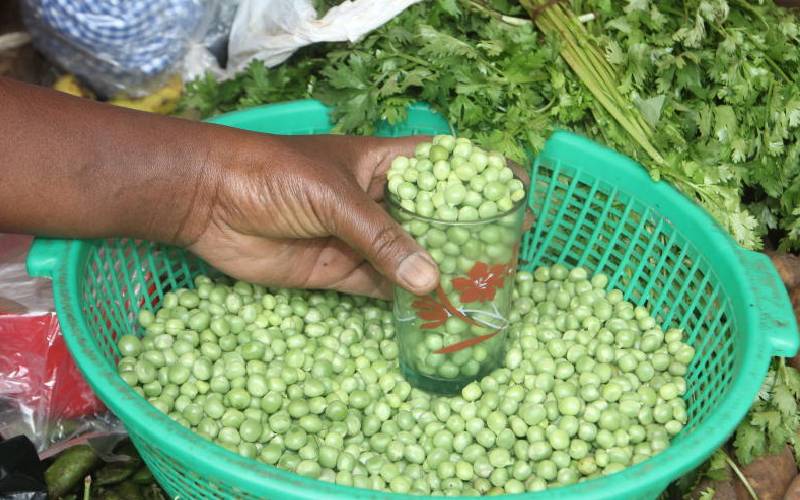
Market Opportunities for Kenyan Peas: Local Demand and Export Potential
The market for Kenyan peas presents diverse opportunities across local and international channels. Local supermarket chains like Naivas, Carrefour, and Quickmart maintain steady demand for fresh peas, offering competitive prices to farmers. High-end restaurants and hotels in urban areas seek quality peas for their menus, creating premium market segments.
Export markets show significant potential, similar to the Hass avocado exports which have seen a rise in demand:
- European Union
- UK and Netherlands lead demand
- Strict quality standards
- Premium prices for organic certification
- Middle East
- UAE and Saudi Arabia show growing interest
- Year-round demand
- Less stringent certification requirements
Direct partnerships with exporters can help farmers access these lucrative markets. Value addition through processing and packaging creates additional revenue streams, while organic certification opens doors to premium market segments. The insights gained from choosing between local and imported apple varieties could also be beneficial in understanding consumer preferences and improving product quality.
Technological Advancements Boosting Productivity in Kenyan Pea Farming Systems
Modern technology is transforming pea farming practices in Kenya through precision agriculture techniques.
Smart Sensors and GPS-Guided Equipment
- Smart sensors monitor soil moisture levels, enabling farmers to optimize irrigation schedules.
- GPS-guided equipment ensures precise application of fertilizers and pesticides, reducing waste and environmental impact.
Digital Farming Apps and Drone Technology
Digital farming apps help track:
- Crop growth stages
- Weather patterns
- Disease outbreaks
- Market prices
Drone technology provides aerial imagery for:
- Plant health assessment
- Pest detection
- Yield estimation
These technological tools integrate with mobile platforms, allowing farmers to make data-driven decisions. Remote sensing technologies help identify stressed crops early, enabling timely interventions. The adoption of these smart farming practices leads to increased yields and reduced production costs for Kenyan pea farmers.

Ready to start peas farming in Kenya?
Contact Royal Seedlings:
 Phone: +254 711315313
- Email: Julius.murega@royalseedlings.
com, - Website:www.royalseedlings.com
 Phone: +254 711315313
 Email:
  Website:
FAQs (Frequently Asked Questions)
What are the ideal growing conditions for peas farming in Kenya?
Peas farming in Kenya thrives best under optimal conditions including a temperature range of 10-25°C, annual rainfall between 500-700 mm, well-drained loamy soils, and a soil pH level ranging from 5.5 to 7.0. These conditions ensure healthy growth and maximize potential yields.
Which regions in Kenya are most suitable for pea cultivation?
Major pea-growing regions in Kenya include Central Kenya (notably Kiambu, Murang’a, Nyeri, Kirinyaga), the Rift Valley (Nakuru, Uasin Gishu, Bomet), and Western Kenya (Kakamega, Bungoma, Busia). These areas offer favorable climatic and soil conditions for successful peas farming.
What are the popular pea varieties cultivated in Kenya?
In Kenya, popular pea varieties include Garden Peas, known for their sweet and starchy pods, and Snow Peas characterized by their flat edible pods. Both varieties cater to diverse market demands locally and internationally.
What crop management practices enhance peas yield in Kenyan farms?
Optimal crop management for peas farming involves efficient irrigation methods such as drip and sprinkler systems, regular weeding every 2–3 weeks combined with mulching to conserve moisture and suppress weeds. These practices contribute significantly to achieving high yields.
How should peas be harvested and handled post-harvest to maintain quality in Kenya?
Harvesting garden peas should be timed when pods are firm and bright green using manual techniques to avoid pod damage. Post-harvest handling includes thorough cleaning of pods and packaging them in breathable containers to maintain freshness and quality during storage.
What economic opportunities does peas farming present for Kenyan farmers?
Peas farming in Kenya offers significant economic opportunities including income diversification for rural farmers, contribution to food security through local production, rising demand from supermarkets and restaurants locally, as well as export potential targeting European and Middle Eastern markets.