

Pepino melon farming has emerged as an exciting agricultural venture in Kenya’s diverse farming landscape. This exotic fruit, scientifically known as Solanum muricatum, captures attention with its distinctive appearance and sweet, aromatic flesh.

The growing popularity of pepino melons stems from their:
- Rich nutritional profile packed with vitamins and minerals
- Unique market position as a premium exotic fruit
- Versatile uses in fresh consumption, juices, and value-added products
- Strong profit potential with retail prices ranging from Ksh 100-168 per kilogram
Kenyan farmers are discovering the potential of this crop, particularly in regions with suitable climatic conditions at altitudes between 1,500 and 3,000 meters above sea level. The fruit’s increasing demand in local supermarkets, specialty stores, and export markets creates promising opportunities for both small-scale and commercial farmers. For instance, Hass avocado exports have shown significant profit potential which could be mirrored in the pepino melon market.
This comprehensive guide equips you with essential knowledge to start and succeed in pepino melon farming. It covers everything from selecting the right varieties – similar to how one would choose the right mango variety for a Kenyan farm – to implementing effective cultivation practices and accessing profitable markets. The economic impact of quality seedlings on smallholder incomes is also a crucial aspect we will delve into, highlighting the importance of investing in quality seedlings for successful farming ventures.
1. Understanding Pepino Melon: Characteristics and Varieties
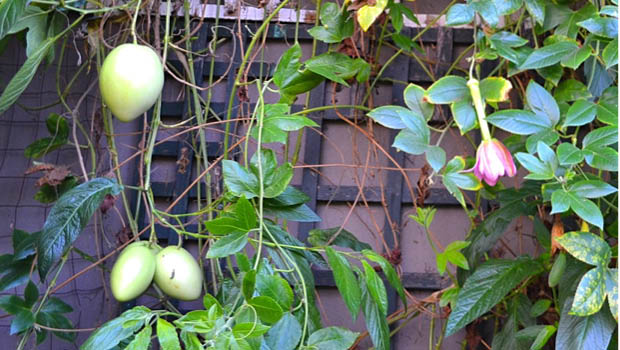
The pepino melon (Solanum muricatum) is a unique fruit that grows as a perennial evergreen shrub, reaching heights of 1-1.5 meters. Its branches spread outward, creating a bushy appearance with dark green, oval-shaped leaves.
Distinctive Characteristics
The fruit displays distinctive characteristics:
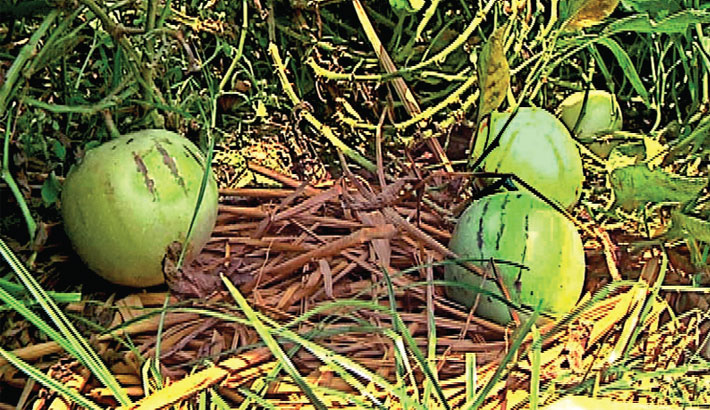
- Size: 10-15 cm long, oval or heart-shaped
- Color: Light green base with purple stripes when mature
- Flesh: Golden-yellow, tender, and aromatic
- Texture: Similar to a honeydew melon but firmer
- Taste: Sweet with hints of cantaloupe and cucumber
Popular Varieties in Kenya
Popular varieties cultivated in Kenya include:
- El Camino: Large fruits with pronounced purple stripes
- Suma: Compact plants ideal for small-scale farming
- Vista: High-yielding variety with excellent disease resistance
- Miski: Sweet fruits with intense aroma
The fruit’s edible skin contains high levels of vitamin C, while its flesh offers significant amounts of potassium and beta-carotene. Fresh pepino melons can be stored at room temperature for 1-2 weeks, maintaining their nutritional value and distinct flavor profile.
For successful cultivation of pepino melons in Kenya, it’s essential to consider the seasonal planting calendar for fruit seedlings in the region. Additionally, understanding the soil requirements for different fruit trees can significantly enhance growth and yield.

2. Ecological Requirements for Successful Cultivation
Growing pepino melons in Kenya requires specific environmental conditions for optimal yield. The plants thrive in temperatures between 12°C to 25°C, making certain regions in Kenya perfect for cultivation.
Ideal Growing Conditions:
- Altitude: 1,500 – 3,000 meters above sea level
- Annual Rainfall: 800mm – 1,200mm
- Temperature Range: 12°C – 25°C
- Humidity: 65% – 85%
Soil Requirements:
- Well-drained fertile soil
- pH range: 5.5 – 7.5
- Rich in organic matter
- Sandy loam to clay loam texture
The best growing regions in Kenya include parts of Central Kenya, Western Highlands, and Rift Valley areas. These locations provide the right combination of altitude, rainfall, and temperature patterns needed for successful pepino melon farming.
Protection from strong winds helps prevent physical damage to plants and reduces water loss through evaporation. Light shade during intense sunshine can benefit young plants, while mature plants tolerate full sun exposure.
3. Propagation Methods and Nursery Management
Pepino melons offer two propagation methods: seeds and stem cuttings. While both methods work, stem cuttings prove more efficient with a success rate of 85-90%. Cuttings develop into mature plants within 4-6 weeks, compared to 8-10 weeks for seeds.
Stem Cutting Process:
- Select healthy, disease-free stems (15-20cm long)
- Remove lower leaves, leaving 2-3 pairs at the top
- Dip cutting base in rooting hormone
- Plant in sterilized nursery mix at a 45° angle
This method mirrors some [advanced techniques used in other crops](https://royalseedlings.com/the-role-of-tissue-culture-in-banana-seedling-production) such as tissue culture in banana seedling production, which also yields high success rates.
Nursery Management Guidelines:
- Use well-draining soil mix (2:1:1 ratio of topsoil, sand, compost)
- Maintain 70-80% shade coverage
- Water twice daily during first week
- Reduce watering to once daily after root development
Understanding [what makes a good nursery](https://royalseedlings.com/what-makes-a-good-nursery-key-qualities-kenyan-farmers-should-look-for) is crucial for successful plant growth.
Transplanting Indicators:
- Strong root system development
- 4-6 healthy leaves
- Plant height of 15-20cm
- Hardened seedlings (exposed to direct sunlight for 3-4 days)
The nursery phase typically spans 4-6 weeks. Successful transplanting depends on proper timing – early morning or late evening hours minimize transplant shock. Prepare planting holes one week before moving seedlings to ensure optimal root establishment.
For farmers considering expanding their crop varieties, exploring the [benefits of grafted fruit seedlings](https://royalseedlings.com/understanding-the-benefits-of-grafted-fruit-seedlings) could provide valuable insights. Additionally, those interested in diversifying into areas like pomegranate farming or starting an avocado orchard, should take note of these propagation and nursery management strategies.
4. Land Preparation and Planting Techniques
Proper land preparation creates optimal growing conditions for pepino melons in Kenya. Start by clearing the selected area of weeds and debris. The soil should be thoroughly tilled to a depth of 30-40 cm to break up compacted layers.
Creating Raised Beds
- Build beds 20-30 cm high and 1 meter wide
- Leave 50 cm walking paths between beds
- Incorporate well-decomposed manure at 2kg per square meter
- Level the beds and ensure proper slope for drainage
Expert Advice on Preparing Your Land
For a more comprehensive guide on preparing your land before receiving seedlings delivery, consider these additional tips that can greatly enhance your land preparation process.
Planting Specifications
- Space plants 1 meter apart within rows
- Maintain 1.5 meters between rows
- Plant depth: 10-15 cm for rooted cuttings
- Support each plant with a stake at planting time
The best planting time coincides with the onset of rains – typically March-April or October-November in Kenya. Plant on cloudy days or late afternoon to minimize transplant shock. Water the planting holes thoroughly before and after transplanting.
Pro tip: Apply a thick layer of mulch around newly transplanted seedlings to retain moisture and suppress weed growth. If you’re also considering avocado seedling purchases online, it’s essential to follow some essential tips for caring for newly planted avocado seedlings too, as these practices can significantly improve seedling survival rates.
Furthermore, it’s worth noting how organizations like Royal Seedlings are making strides in supporting women and youth in agribusiness, a commendable effort that deserves recognition (how Royal Seedlings supports women and youth in agribusiness).

5. Irrigation and Water Management Practices
Proper water management is crucial for successful pepino melon farming in Kenya. Your plants need consistent moisture without waterlogging to thrive and produce quality fruits.
Recommended Irrigation Methods:
- Drip irrigation: Delivers water directly to plant roots, minimizing water waste
- Furrow irrigation: Creates channels between plant rows for efficient water distribution
- Hand watering: Suitable for small-scale farms, requires careful monitoring
Water Requirements by Growth Stage:
- Seedling stage: Light, frequent watering
- Vegetative growth: Moderate watering every 2-3 days
- Flowering and fruiting: Increased water needs, maintain steady moisture
Effective Mulching Practices:
- Apply organic mulch 5-10cm thick around plants
- Use materials like:
- Dried grass clippings
- Straw
- Dried leaves
- Black plastic mulch
Mulching offers multiple benefits for your pepino crop:
- Reduces soil water evaporation
- Suppresses weed growth
- Maintains stable soil temperature
- Prevents soil erosion
- Enriches soil as organic mulch decomposes
Regular soil moisture monitoring helps prevent both under-watering and waterlogging issues. A simple stick test can determine when to water – insert a wooden stick into the soil; if it comes out clean, your plants need water.
6. Pest and Disease Management Strategies
Pepino melon crops face several pest and disease challenges that require vigilant monitoring and control. Here are the primary threats and effective management strategies:
Common Pests:
- Aphids – These tiny insects cluster under leaves, causing yellowing and stunted growth
- Whiteflies – Watch for white, moth-like insects that weaken plants by sucking sap
- Spider Mites – Look for fine webbing and stippled leaves, particularly during dry conditions
- Fruit Flies – They damage ripening fruits, leaving brown spots and internal rot
Major Diseases:
- Powdery Mildew – Appears as white, powdery spots on leaves
- Bacterial Wilt – Causes rapid wilting and collapse of entire plants
- Early Blight – Creates dark spots with concentric rings on leaves
- Root-Knot Nematodes – Results in stunted growth and root deformities
Effective Control Methods:
- Apply neem oil spray every 14 days during pest outbreaks
- Use yellow sticky traps to monitor and reduce flying pest populations
- Introduce beneficial insects like ladybugs to control aphids naturally
- Practice crop rotation with non-solanaceous crops every 2-3 seasons
- Maintain field hygiene by removing infected plant debris
- Install physical barriers such as insect nets around young plants
- Preventing pest infestations in young orchards naturally can also be an effective strategy.
- Use copper-based fungicides for early disease prevention
Regular scouting helps detect problems early, enabling timely intervention and reducing crop losses. Combining these strategies creates a robust defense system against pests and diseases.

7. Nutrient Management for Optimal Growth
Successful pepino melon farming starts with comprehensive soil testing before planting. This crucial step reveals your soil’s nutrient profile, pH levels, and organic matter content, enabling precise fertilizer application plans.
Growth Stage-Specific Fertilization:
- Vegetative Stage: Apply nitrogen-rich fertilizers (NPK 20:10:10) at 200kg/ha
- Flowering Stage: Switch to balanced fertilizers (NPK 17:17:17) at 150kg/ha
- Fruiting Stage: Use potassium-rich fertilizers (NPK 12:12:17) at 180kg/ha
Organic Matter Integration:
- Mix well-decomposed manure (5-10 tons/ha) into soil before planting
- Add compost tea every 2-3 weeks during growing season
- Use green manure crops in rotation cycles
Micronutrient Management:
- Apply foliar sprays containing calcium (15-20ml/L) during fruit development
- Use boron supplements (10-15ml/L) to prevent fruit cracking
- Spray magnesium sulfate (2-3g/L) to enhance chlorophyll production
Regular leaf tissue analysis helps monitor nutrient uptake and adjust feeding programs. Yellow leaves signal nitrogen deficiency, while purple leaf discoloration indicates phosphorus shortage.
8. Harvesting Techniques and Post-Harvest Handling
Pepino melons reach harvest readiness 70-90 days after planting, with full maturity achieved within 4-6 months. The fruits display distinct ripeness indicators:
- Color Change: Skin transitions from green to yellowish-orange
- Texture: Slight softness when gently pressed
- Aroma: Sweet, fruity scent becomes noticeable
- Size: Fruits reach 10-15 cm in length
Harvesting Best Practices:
- Use clean, sharp scissors or pruning shears
- Cut the fruit stem 1-2 cm above the fruit
- Handle fruits gently to prevent bruising
- Harvest during cool morning hours
- Place harvested fruits in padded collection baskets
Storage Requirements:
- Clean fruits with soft cloth
- Store at 10°C-15°C
- Maintain relative humidity at 85-90%
- Avoid storing below 10°C to prevent chilling injury
- Keep fruits separate from ethylene-producing crops
Under optimal storage conditions, pepino melons maintain quality for up to three weeks. Regular monitoring helps identify and remove any damaged fruits to prevent spread of decay.
It’s important to note that while these practices are essential for pepino melons, similar [harvesting techniques and post-harvest handling](https://royalseedlings.com/avocado-farming-mistakes-to-avoid-for-a-bountiful-harvest) can be applied to other crops such as avocados. Moreover, understanding [the importance of proper spacing when planting fruit trees](https://royalseedlings.com/the-importance-of-proper-spacing-when-planting-fruit-trees) can significantly improve yield and quality.
Additionally, employing [the science behind grafting](https://royalseedlings.com/the-science-behind-grafting-how-it-improves-crop-yield-and-quality) can further enhance crop productivity. For example, in regions like Muranga, known for its high-quality Hass avocado seedling production, these principles are often put into practice successfully.
Conclusion
Pepino melon farming stands as a lucrative venture in Kenya’s agricultural landscape. The growing market demand, coupled with retail prices ranging from Ksh 100-168 per kilogram, creates substantial income opportunities for dedicated farmers.
Your success in pepino farming hinges on implementing the agronomic practices outlined in this guide:
- Proper soil preparation
- Effective pest management
- Strategic irrigation
- Careful post-harvest handling
The time to start your pepino farming journey is now. We’re here to support your venture with high-quality pepino seedlings and expert guidance.
Before you embark on this journey, consider enhancing your skills with our training opportunities for aspiring commercial fruit growers in Muranga County. We also offer specialized training sessions such as professional avocado farming training which could be beneficial if you plan to diversify your farming ventures.
We are also equipped to provide you with resources for other profitable farming ventures like pixie orange farming, and we have insights into the best practices for smallholder farmers when buying avocado seedlings online.
Moreover, it’s essential to stay updated on the future of e-commerce in agriculture as this could significantly impact your farming business.
Join the growing community of successful pepino farmers in Kenya and tap into this profitable agricultural opportunity.
Seedling Orders and Partnership Inquiries:
 Phone: +254 711315313
 Email:
  Website: www.royalseedlings.co.ke
FAQs (Frequently Asked Questions)
What are the key characteristics and common varieties of Pepino Melon grown in Kenya?
Pepino Melon (Solanum muricatum) is an exotic fruit known for its sweet taste and unique appearance, featuring a smooth, pale yellow skin with purple stripes. In Kenya, popular varieties include those adapted to local climatic conditions, offering high yield and quality fruits favored in the market.
What ecological conditions are ideal for successful Pepino Melon farming in Kenya?
Pepino Melon thrives in Kenya’s altitudes ranging from 1,500 to 3,000 meters above sea level with temperatures between 12°C and 25°C. The crop requires well-drained fertile soil with a pH of 5.5 to 7.5 and annual rainfall between 800mm and 1,200mm for optimal growth.
Which propagation method is preferred for Pepino Melon cultivation in Kenya and why?
Stem cuttings are preferred over seed propagation for Pepino Melon farming in Kenya due to their faster growth rate and higher survival chances. Proper nursery management including soil preparation and shade protection ensures healthy seedlings ready for transplanting.
How should land be prepared and what planting techniques optimize Pepino Melon yields?
Prepare well-drained raised beds or ridges to enhance drainage before planting. Recommended spacing is one meter between plants and 1.5 meters between rows to allow adequate airflow and nutrient access. Transplant seedlings during the best seasonal window to ensure establishment.
What are effective pest and disease management strategies for Pepino Melon farming in Kenya?
Integrated pest management practices including monitoring for aphids, whiteflies, spider mites, powdery mildew, and bacterial wilt are essential. Use neem oil sprays, insecticidal soaps, crop rotation, and maintain field hygiene to minimize infestations and promote healthy crops.
When is the optimal time to harvest Pepino Melons in Kenya and how should post-harvest handling be done?
Pepino Melons are typically harvested 70–90 days after planting or when fruits reach full maturity at 4–6 months. Ripe fruits exhibit a yellowish-orange color with slight softness and a sweet aroma. Handle fruits carefully to avoid bruising; store at temperatures between 10°C–15°C to preserve quality without chilling injury.