

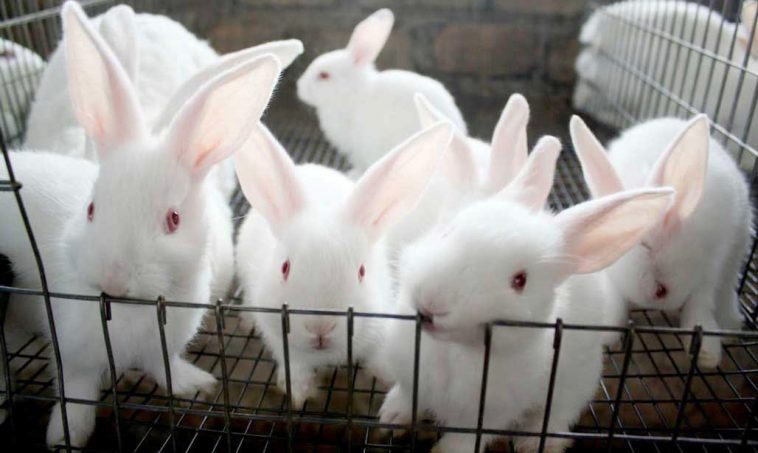
Rabbit farming in Kenya has emerged as a transformative agricultural venture in 2025. This low-resource intensive practice offers farmers a sustainable path to income generation while meeting the rising demand for healthy protein sources.

The Kenyan agricultural landscape has witnessed significant growth in rabbit farming operations, ranging from small backyard setups to commercial enterprises. These farms contribute substantially to the country’s food security and economic development through:
- Creation of employment opportunities
- Generation of sustainable income streams
- Production of organic fertilizers
- Supply of high-quality protein
The demand for rabbit meat has skyrocketed due to its impressive health benefits:
- Low cholesterol content
- High protein concentration
- Essential amino acids
- Lower environmental impact compared to traditional livestock
The Rabbits Breeders Union Association of Kenya (RABAK) reports a surge in consumer interest, particularly in urban areas where health-conscious consumers seek lean meat alternatives. Local restaurants, supermarkets, and butcheries have expanded their rabbit meat offerings to meet this growing demand.
In addition to rabbit farming, there’s also a growing interest in other forms of agriculture such as grafted fruit farming, which offers numerous benefits including better yield and disease resistance. The sector’s growth has received support from government agencies, providing training and resources to aspiring farmers. This backing, combined with relatively low startup costs and quick returns, positions rabbit farming as an attractive venture for both new and experienced farmers in Kenya’s agricultural landscape.
Moreover, the integration of various agricultural practices like seasonal planting for fruit seedlings or starting an avocado orchard could further enhance income generation potential. Additionally, adopting organic methods could aid in preventing pest infestations in young orchards while promoting sustainability.
It’s also worth noting that initiatives like Royal Seedlings’ support for women and youth in agribusiness are paving the way for a more inclusive agricultural sector, empowering underrepresented groups within the industry.
Profitability and Demand
The rabbit meat industry in Kenya faces significant supply challenges despite its growing profitability potential. The Rabbits Breeders Association of Kenya (RABAK) operates at a weekly slaughter capacity of 200 rabbits – a figure that falls short of meeting the current market demands.
Key market challenges include:
- Limited breeding stock availability
- Inconsistent supply chains
- Insufficient slaughter facilities
- Lack of organized collection centers
The supply gap creates opportunities for new farmers to enter the market. RABAK has implemented strategic measures to boost production:
-
- Guaranteed market prices for farmers
- Technical support and training
- Access to quality breeding stock
-
- Establishment of regional collection points
- Cold chain infrastructure development
- Quality control standards implementation
The current market price ranges from KSh 400-600 per kilogram of rabbit meat, with premium cuts fetching higher prices in urban markets. Hotels and high-end restaurants display increasing interest in rabbit meat, creating steady demand channels for farmers.
Projected Growth Numbers:
- Annual demand increase: 25%
- Current supply deficit: 60%
- Market potential: 500,000 rabbits annually
These figures highlight the substantial room for growth in Kenya’s rabbit farming sector, making it an attractive venture for both small-scale and commercial farmers.
In addition to rabbit farming, essential tips for caring for newly planted avocado seedlings could also benefit farmers looking to diversify their agricultural ventures. Furthermore, understanding the future of e-commerce in agriculture can provide insights into modern selling strategies that can enhance profitability. Lastly, leveraging the science behind grafting could significantly improve crop yield and quality, providing another avenue for growth in the agricultural sector.
Popular Rabbit Breeds
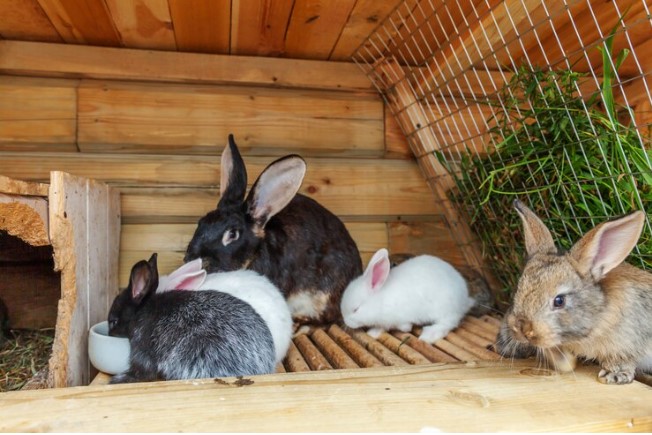
The success of your rabbit farming venture heavily depends on choosing the right breeds. Kenya’s rabbit farming landscape features several productive breeds adapted to local conditions.
1. New Zealand White
- Fast-growing meat breed reaching 4-5kg at maturity
- Excellent feed conversion rate
- High fertility with 8-10 kits per litter
- White fur valued in textile industry
2. California White
- Compact body with good meat-to-bone ratio
- Disease resistant
- Adaptable to various climates
- Average weight of 4kg at maturity
3. Kenyan Local Rabbit
- Natural resistance to common diseases
- Well-adapted to local climate conditions
- Lower feed requirements
- Reduced veterinary costs
Your breed selection should consider these key factors:
- Purpose (meat, fur, or both)
- Climate adaptability
- Growth rate
- Feed efficiency
- Initial cost
- Market preferences
The Kenyan Local Rabbit stands out for small-scale farmers due to its hardy nature and minimal maintenance requirements. These rabbits thrive on locally available feeds and demonstrate remarkable resistance to diseases common in tropical climates. Their adaptability to local conditions makes them an economical choice for farmers starting with limited resources.
To further enhance your farming venture, it’s crucial to understand what makes a good nursery for quality seedlings, which can complement your rabbit farming with other agricultural activities. Additionally, as you consider expanding your farming portfolio, exploring export markets such as Hass avocado could be a lucrative option.
If you’re also contemplating diversifying into apple or mango farming, you might find our guides on choosing between local and imported apple varieties and how to choose the right mango variety for your Kenyan farm very useful. Lastly, if you’re located in Muranga or planning to source Hass avocado seedlings from there, understanding why it’s considered the heart of quality Hass avocado seedling production in Kenya could provide valuable insights.

Housing and Feeding Practices
Proper housing and nutrition are crucial for successful rabbit farming in Kenya. A well-designed housing system directly impacts rabbit health, growth, and farm profitability.
Hutch Design Requirements
- Raised hutches positioned 3-4 feet above ground
- Wood and wire mesh construction for durability
- Sloped floors for effective waste drainage
- Roof overhang to protect from rain and direct sunlight
- Cross-ventilation design to prevent respiratory issues
Space Allocation
- Adult rabbits: 3 square feet minimum per animal
- Pregnant does: 4 square feet with nesting box
- Growing kits: 2 square feet each
- Buck housing: Individual compartments of 3 square feet
Balanced Diet Components
A balanced diet is essential for rabbit health. This should include:
- 70% hay or grass (fresh Napier grass, Rhodes grass)
- 16-18% protein commercial pellets
- Fresh vegetables (10% of daily diet)
- Clean, fresh water available 24/7
Cost-Effective Feeding Strategies
To ensure a cost-effective feeding strategy, consider the following tips:
- Grow your own Napier grass, which can also improve soil quality.
- Use safe kitchen scraps as supplements
- Store feed in dry, rodent-proof containers
- Feed twice daily at consistent times
- Monitor feed intake to prevent wastage
These feeding strategies will not only help in maintaining a healthy diet for the rabbits but also assist in managing the overall costs effectively.
The combination of proper housing and balanced nutrition creates optimal conditions for rabbit growth and reproduction. Regular cleaning of hutches and careful feed management help maintain healthy rabbits while reducing operational costs. For those interested in rabbit breeding techniques, it is essential to implement these practices effectively.

Disease Management Strategies
Disease prevention is essential for successful rabbit farming in Kenya. Two major diseases that significantly affect rabbit farm productivity are Coccidiosis and Pasteurellosis.
Understanding the Diseases
Coccidiosis
Coccidiosis is a parasitic infection that primarily affects the intestines of rabbits. It can lead to severe health issues and even death, particularly in young rabbits. The following symptoms are indicative of Coccidiosis:
- Severe diarrhea
- Weight loss
- Reduced growth rates
- Death in young rabbits
Pasteurellosis
Pasteurellosis, on the other hand, is a bacterial infection that primarily affects the respiratory system of rabbits. It can cause various health problems and negatively impact breeding performance. The symptoms associated with Pasteurellosis include:
- Respiratory issues
- Nasal discharge
- Loss of appetite
- Decreased breeding performance
Prevention Measures
Prevention is key when it comes to managing these diseases. Here are some effective measures that rabbit farmers can implement:
- Clean hutches daily to maintain a hygienic environment.
- Disinfect equipment weekly to eliminate any potential pathogens.
- Install proper drainage systems to prevent water accumulation and reduce the risk of disease.
- Maintain 6-inch spacing between cages, which is crucial to prevent disease spread and ensure better air circulation, similar to the importance of proper spacing when planting fruit trees.
- Remove wet bedding immediately to prevent the growth of bacteria and parasites.
- Isolate sick rabbits to prevent them from infecting healthy ones.
Nutrition-Based Disease Prevention
In addition to hygiene practices, nutrition also plays a vital role in disease prevention. Here are some dietary strategies that can help boost the immune system of rabbits:
- Feed high-quality hay as the primary source of fiber.
- Provide fresh, clean water daily to keep them hydrated.
- Include probiotics in feed to promote gut health.
- Add vitamin supplements during stress periods to support their immune function.
Veterinary Care Protocol
Regular veterinary care is essential for early detection and management of diseases. Here are some protocols that rabbit farmers should follow:
- Schedule monthly health checks to monitor the overall well-being of the rabbits.
- Maintain vaccination records to ensure timely administration of vaccines.
- Monitor weight changes regularly as sudden fluctuations may indicate health issues.
- Keep detailed health histories for each rabbit to track any recurring problems.
- Implement parasite control programs as per veterinary recommendations.
The Benefits of Early Disease Detection
Early disease detection through regular veterinary visits can save farms substantial treatment costs. Professional health assessments help identify potential issues before they spread through the colony.
Farms implementing comprehensive disease management strategies report 30% higher survival rates and improved meat quality.
The combination of strict hygiene protocols, proper nutrition, and regular veterinary care creates a robust defense against common rabbit diseases in Kenya’s farming environment.
This approach mirrors successful strategies used in other sectors of agriculture, such as tissue culture in banana seedling production or identifying and preventing common avocado seedling diseases, which also emphasize the importance of disease management for optimal productivity.
Moreover, similar to how the economic impact of quality seedlings on smallholder incomes is significant, effective disease management in rabbit farming can lead to substantial economic benefits as well.
Marketing Channels and Economic Viability
Rabbit farming stands out as a lucrative venture due to its remarkable reproductive rates. A single doe can produce 6-10 kits per litter, with breeding starting at 5-6 months old. This high fertility rate translates to rapid stock multiplication and quick returns on investment.
The market landscape for rabbit products in Kenya offers diverse opportunities:
1. Local Markets
- Butcheries in urban centers
- High-end restaurants specializing in exotic meats
- Premium supermarket chains
- Local meat processing facilities
2. Digital Platforms
The rise of digital platforms has transformed how agricultural products are marketed and sold. Farmers can now leverage digital agriculture to reach wider audiences. Some of the popular digital platforms include:
- Facebook Marketplace listings
- WhatsApp group sales networks
- E-commerce websites
- Direct-to-consumer apps
3. International Markets
- Export opportunities to neighboring countries
- Specialty meat distributors
- Global organic food markets
Current market prices range between Ksh 400-600 per kilogram of rabbit meat, creating substantial profit margins for farmers. The growing health-conscious consumer base drives demand for lean meat alternatives, positioning rabbit meat as a premium protein source.
RABAK’s market data shows a consistent supply shortage, with slaughterhouses operating below capacity. This gap creates opportunities for new farmers to enter the market and existing ones to scale their operations.
The rising urban middle class has sparked increased demand for rabbit meat in restaurants and retail outlets, making it an attractive time to invest in rabbit farming ventures.
In addition to rabbit farming, diversifying into other agricultural ventures such as pomegranate farming, avocado seedling purchases online, or exploring pixie orange farming could further enhance profitability. Moreover, understanding the best practices for smallholder farmers when buying avocado seedlings online could ensure successful integration of such crops into existing farming operations.
In light of the insights from the World Social Report 2021, it is clear that leveraging these market trends and diversifying agricultural practices can significantly improve economic viability for farmers in Kenya.

By-Products and Value Addition
Rabbit farming generates valuable by-products beyond meat production. Rabbit urine stands out as a premium organic fertilizer, selling for over Sh500 per half liter in Kenya. Farmers harness this natural resource for:
- Crop fertilization
- Natural pest control
- Soil enrichment
- Organic farming certification
The manure serves as an excellent composting material, creating additional revenue streams for farmers while promoting sustainable agricultural practices.
Employment and Economic Impact
Rabbit farming creates diverse employment opportunities across the value chain:
- Direct farm employment
- Feed production and supply
- Transportation services
- Processing facilities
- Marketing and distribution
- Veterinary services
Small-scale farmers can start with minimal capital investment, making it an accessible entry point for youth and women entrepreneurs in agriculture.
Government Support and Infrastructure
Local government officials actively support rabbit farming through:
- Technical Support: Extension services providing expert guidance
- Input Supply: Access to quality breeding stock
- Market Linkages: Connecting farmers with buyers
- Training Programs: Skills development workshops such as those offered in professional avocado farming training sessions
- Financial Assistance: Access to agricultural loans
Investment Landscape
The rabbit farming sector offers multiple investment opportunities:
- Commercial breeding operations
- Feed manufacturing facilities
- Processing plants
- Cold storage facilities
- Distribution networks
- Export facilities
Current market gaps present strategic entry points for investors seeking sustainable returns in Kenya’s agricultural sector.
Comprehensive Farming Services
Rabbit Choice Farms exemplifies the integrated service model gaining traction in Kenya’s rabbit farming sector. Their services include:
- Breeding program management
- Feeding system optimization
- Hutch construction guidance
- Disease prevention protocols
- Contract farming arrangements
- Market access facilitation
These comprehensive services help farmers maximize productivity and ensure sustainable operations.
Success Factors
Key elements for successful rabbit farming in Kenya include:
- Knowledge: Understanding breeding and feeding practices, potentially gained from training opportunities focusing on various aspects of agriculture.
- Infrastructure: Proper housing and equipment
- Health Management: Regular veterinary care
- Market Access: Strong distribution networks
- Quality Control: Maintaining high breeding standards
Take Action Now
Ready to start your rabbit farming journey? Here’s how:
- Research: Study successful rabbit farming operations.
- Connect: Join local agricultural training programs that offer valuable insights into different farming practices, such as avocado farming which could provide transferable skills.
- Prepare Land: Seek expert advice on land preparation before receiving seedlings delivery, which is crucial for any type of farming including rabbit farming.
Would you like to start rabbit farming in Kenya?
Contact Royal Seedlings:
 Phone: +254 711315313
- Email: Julius.murega@royalseedlings.
com, - Website:www.royalseedlings.com
 Phone: +254 711315313
 Email:
  Website:
FAQs (Frequently Asked Questions)
What is the current state of rabbit farming in Kenya in 2025?
Rabbit farming in Kenya has grown significantly by 2025, becoming an important part of the agricultural sector due to rising consumer demand for rabbit meat, which is valued for its health benefits. The industry is supported by organizations like RABAK and local government initiatives promoting sustainable agribusiness.
Which rabbit breeds are most popular and suitable for farming in Kenya?
The most popular rabbit breeds in Kenya include New Zealand White, California White, and the Kenyan Local Rabbit. Breed selection depends on factors like adaptability to local conditions, growth rates, and disease resistance. The Kenyan Local Rabbit is particularly beneficial due to its suitability for the local environment.
What are the best housing and feeding practices for rabbits in Kenya?
Raised hutches with adequate ventilation are essential for maintaining hygiene and ensuring good airflow. Each rabbit requires sufficient space to promote health and productivity. A balanced diet comprising quality forage, grains, and supplements tailored to rabbits’ nutritional needs is vital for optimal growth and disease resistance.
How can diseases affecting rabbits in Kenya be managed effectively?
Common diseases such as coccidiosis and pasteurization can be prevented through maintaining cleanliness, ensuring good ventilation, providing proper nutrition to boost immunity, and conducting regular veterinary checks for early detection and treatment. Effective disease management enhances productivity and profitability.
What marketing channels exist for rabbit meat in Kenya, and how profitable is rabbit farming?
Rabbit meat can be marketed locally through restaurants, supermarkets, and online platforms, with opportunities also available for international markets. The high reproductive rate of does allows quick returns on investment, making rabbit farming a profitable venture when combined with effective marketing strategies.
What additional benefits does rabbit farming offer beyond meat production?
Beyond meat production, rabbit farming provides valuable by-products such as urine used as organic fertilizer and biopesticides. It contributes to job creation and economic growth in Kenya. Local governments support farmers with input supplies, extension services, training programs like those offered by Rabbit Choice Farms, and there are promising investment opportunities within this sustainable agribusiness sector.