

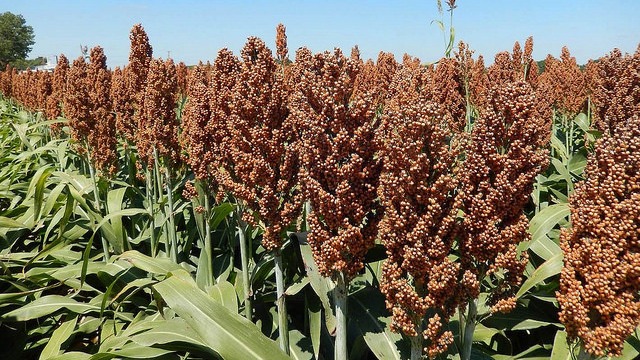
Sorghum farming is a crucial part of Kenyan agriculture, especially in areas where other crops struggle to grow. This hardy cereal crop has become an essential food source in Kenya’s dry and semi-arid regions, supporting millions of people and providing significant income for farming communities.

Why Sorghum Matters
Sorghum is more than just a basic food staple in Kenya. Its importance lies in its ability to combat food insecurity as a drought-resistant crop. Unlike many other cereals that falter in harsh climatic conditions, sorghum thrives and adapts. This resilience has led small-scale farmers in arid regions to adopt sorghum farming practices, turning previously unproductive lands into valuable agricultural resources.
Beyond Sorghum: Other Promising Crops
While sorghum holds great potential for Kenyan agriculture, it’s not the only crop with promise. Bananas and avocados are also gaining recognition for their economic viability. For example, tissue culture has transformed banana farming, making it more efficient and productive. Similarly, professional avocado farming training sessions offer valuable insights for those interested in entering this lucrative industry.
This comprehensive guide covers all aspects of successful sorghum farming in Kenya:
- Land preparation techniques
- Optimal planting methods
- Crop management strategies
- Harvesting best practices
- Post-harvest handling
- Market opportunities
Whether you’re an experienced farmer looking to improve your yields or a beginner exploring sorghum cultivation, this guide offers practical tips to enhance your farming success. It combines traditional knowledge with modern agricultural techniques, empowering you to maximize your sorghum production.
If you’re considering diversifying your crop production, resources such as the step-by-step guide to starting an avocado orchard in Kenya can be incredibly helpful. Additionally, if you’re planning to purchase avocado seedlings online, it’s important to familiarize yourself with the process through our frequently asked questions about avocado seedling purchases online.
Understanding Sorghum and Its Suitability in Kenya
Sorghum stands out as a resilient cereal crop, capable of thriving in harsh conditions where other crops struggle to survive. Its deep root system and waxy coating on leaves enable efficient water use, making it an ideal choice for Kenya’s diverse agricultural landscapes.
Optimal Growing Conditions
- Temperature: 15-30°C
- Altitude: 0-2,500 meters above sea level
- Rainfall: 250-900mm annually
- Growing period: 115-140 days
Soil Requirements
- pH range: 5.0-8.5
- Well-draining soils
- Sandy to clay loam textures
- Medium to high fertility levels
Understanding the soil requirements for different fruit trees in Kenya can also provide valuable insights into optimizing sorghum cultivation alongside other crops.
Popular Kenyan Sorghum Varieties
Gadam
- Early maturing (3-4 months)
- High market demand
- Excellent for brewing
Serena
- Disease resistant
- Good grain quality
- Suitable for medium altitude areas
Seredo
- Bird resistant
- High yielding
- Adaptable to various regions
E1291 Hybrid
- Superior drought tolerance
- Enhanced pest resistance
- Higher yield potential
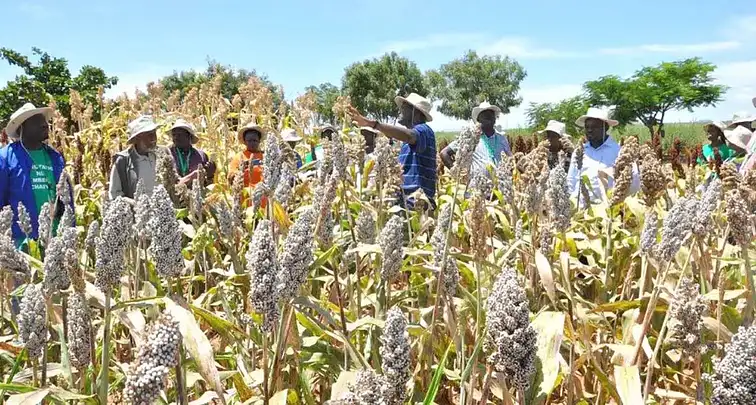
The selection of sorghum varieties depends on your specific location, intended use, and market requirements. Each variety offers unique characteristics suited to different farming conditions and end-user needs. These varieties have been developed and tested to perform well in Kenya’s agricultural zones while meeting both local and commercial market demands.
In addition to sorghum, grafted fruit seedlings can also be a viable option for farmers looking to diversify their crops. Proper care is essential for the success of these seedlings, and here are some essential tips for caring for newly planted avocado seedlings that could be beneficial.
Moreover, it’s crucial to be aware of the common diseases that might affect these seedlings. This farmer’s guide to identifying and preventing common avocado seedling diseases could serve as a useful resource.
Lastly, it’s worth noting that initiatives like those by Royal Seedlings are making strides in supporting women and youth in agribusiness, which is a vital aspect of promoting sustainable agriculture in Kenya.
Preparing for Sorghum Farming
Proper land preparation creates the foundation for successful sorghum farming. The process starts with breaking hardpans using deep plowing techniques to improve water infiltration and root penetration. You’ll need to clear the field of debris, rocks, and remnant vegetation that might interfere with planting. For more detailed advice on preparing your land before receiving seedlings delivery, refer to this expert guide.
Essential Land Preparation Steps:
- Break soil clumps to create a fine tilth
- Remove weeds and crop residues
- Apply organic matter or well-decomposed manure
- Level the field to prevent waterlogging
- Create drainage channels where needed
The seedbed requires particular attention – aim for a fine, firm surface that promotes seed-to-soil contact. This setup enables uniform germination and strong root development.
Crop Rotation Benefits:
- Plant legumes like beans or cowpeas before sorghum
- Allow 2-3 seasons between sorghum crops
- Incorporate nitrogen-fixing crops to enhance soil fertility
- Reduce pest populations through rotation cycles
Your soil testing results guide the amount of organic matter needed. Apply manure or compost at least two weeks before planting to allow proper decomposition and nutrient release into the soil.
If you’re also considering diversifying your farm with other crops such as mangoes or orange trees, it’s essential to choose the right variety or understand the complete guide for farming specific crops like Pixie oranges.
Planting Sorghum: Techniques and Best Practices
Successful sorghum planting requires precise depth control and proper spacing. Plant your seeds at a depth of 2-5 cm, adjusting based on soil moisture levels. Lighter soils need deeper planting depths, while heavier soils require shallower placement.
Optimal Spacing Requirements:
- Row spacing: 60 cm between rows
- Plant spacing: 20 cm between plants
- Seed rate: 8-10 kg per hectare
The choice between improved and traditional seeds impacts your harvest potential. Improved varieties like Gadam and Serena offer:
- Higher yield potential
- Better disease resistance
- Enhanced drought tolerance
- Uniform maturity
- Superior grain quality
Traditional seeds might cost less but deliver lower yields and less consistency. Consider these factors when selecting your planting material:
- Local climate adaptation
- Market preferences
- Disease prevalence in your area
- Expected rainfall patterns
- Available resources for crop management
Plant your seeds in rows using a string or planting stick to maintain uniform spacing, which is crucial for maximizing yields. This practice not only facilitates easier weeding but also ensures optimal plant population. For more insights into the significance of proper spacing, you may want to explore this resource.
Additionally, if you’re considering diversifying your farming practices, you might find it beneficial to look into a seasonal planting calendar for fruit seedlings, which could provide valuable guidance on timing for various crops.
Lastly, if you’re in the market for avocado seedlings, it’s essential to follow best practices for smallholder farmers when buying online.

Crop Management During Growth Stages
Successful sorghum farming requires careful attention to irrigation, fertilization, and pest control throughout the plant’s growth cycle.
Irrigation Management
Sorghum needs specific water amounts during critical growth phases:
- Seedling Stage: Light, frequent irrigation to maintain soil moisture
- Vegetative Growth: Moderate irrigation every 7-10 days
- Flowering Stage: Increased water supply for optimal grain filling
- Maturity Stage: Reduced irrigation to facilitate grain drying
Fertilization Strategy
A balanced nutrient approach combines organic and inorganic fertilizers:
- Apply 2-3 tons/ha of well-decomposed manure before planting
- Add 50kg/ha of NPK (23:23:0) during planting
- Top dress with 50kg/ha CAN when plants reach knee height
- Second top dressing at flowering stage for maximum yield
Weed Control
Implement these effective weed management practices:
- Hand weeding within first 3 weeks after emergence
- Row cultivation between plant lines
- Apply pre-emergence herbicides like Atrazine
- Maintain clean field borders to prevent weed spread
Pest and Disease Management
Common pests require vigilant monitoring:
Major Pests
- Stem borers: Apply Bulldock or Thunder insecticides
- Armyworms: Use pheromone traps and targeted spraying
- Shoot flies: Early planting and resistant varieties help control infestations
Disease Control
- Downy mildew: Plant resistant varieties and practice crop rotation
- Leaf blight: Remove infected plants and maintain field hygiene
- Apply copper-based fungicides during humid conditions
Regular field monitoring helps detect and address issues early, ensuring healthy crop development and optimal yields.
Harvesting and Post-Harvest Handling of Sorghum
Successful sorghum farming hinges on proper harvesting and storage practices. You’ll know your sorghum is ready for harvest when:
- Grains feel hard when pressed between your teeth
- Seeds show a black layer at the point where they attach to the head
- Grain moisture content measures approximately 20%
- Plants display yellowing leaves and dried stalks
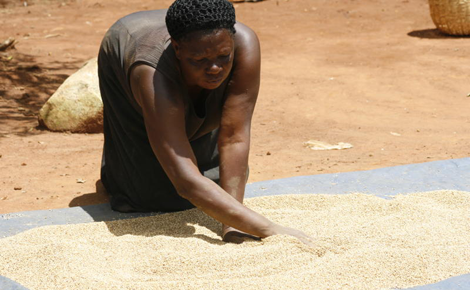
The drying process requires careful attention to achieve optimal storage conditions. Spread harvested sorghum heads on clean, raised platforms or tarpaulins under direct sunlight. Turn the grains regularly to ensure uniform drying and prevent mold growth. The target moisture content for safe storage is 12-13%.
Essential Storage Practices:
- Clean and disinfect storage facilities before use
- Package dried grains in airtight containers or bags
- Store in cool, dry places with good ventilation
- Stack bags on pallets to prevent ground moisture
- Monitor stored grains weekly for pest infestation
- Apply appropriate storage pesticides when necessary
Proper storage facilities protect your harvest from:
- Rodent damage
- Insect infestation
- Moisture absorption
- Mold contamination
- Temperature fluctuations
These post-harvest practices significantly reduce grain losses, which typically reach 30% when proper storage methods aren’t implemented. The quality of stored sorghum directly impacts market value and seed viability for future planting seasons.
It’s essential to note that similar principles apply across various types of farming, including avocado farming. Just as with sorghum, avoiding certain common mistakes in avocado farming can lead to a more bountiful harvest.
Additionally, insights from the postharvest handling of sweet potatoes can provide valuable lessons applicable to sorghum and other crops, emphasizing the importance of meticulous post-harvest handling in preserving crop quality and minimizing losses.

Market Opportunities and Uses of Sorghum in Kenya
Sorghum’s versatility creates diverse market opportunities across Kenya’s agricultural sector. The crop serves multiple industries, each offering unique revenue streams for farmers.
1. Local Market Demand:
- Commercial millers process sorghum into flour for ugali, porridge, and baked goods
- Animal feed manufacturers incorporate sorghum in livestock and poultry feeds
- Traditional brewers produce local beverages like busaa and muratina
- East African Breweries Limited (EABL) contracts farmers for commercial beer production
2. Industrial Applications:
- Food processing companies use sorghum in breakfast cereals
- Bakeries blend sorghum flour with wheat for gluten-free products
- Pharmaceutical companies extract sorghum components for supplements
3. Export Markets:
- China imports Kenyan sorghum for alcoholic beverage production
- Japan values sorghum for its gluten-free properties
- Mexican buyers source sorghum for animal feed manufacturing
Private sector engagement has transformed sorghum farming into a profitable venture. EABL’s contract farming program offers guaranteed markets and competitive prices, encouraging farmers to increase production. The company provides technical support and quality seeds to contracted farmers, ensuring consistent supply for their brewing operations.
Current market prices range from KES 25-45 per kilogram, varying by season and buyer requirements. Quality standards, including moisture content and grain size, significantly influence market value.
In addition to these opportunities, there are also various training opportunities for aspiring commercial fruit growers available in regions like Muranga County. This area is not only known for its fruit farming but also the heart of quality Hass avocado seedling production. Furthermore, the region presents unique challenges and opportunities in pomegranate farming, another lucrative venture worth exploring. Additionally, choosing between local and imported apple varieties could open up new avenues for farmers looking to diversify their crops.
Challenges Facing Sorghum Farmers in Kenya
Sorghum farmers in Kenya face significant obstacles that impact their productivity and profitability.
Weather Challenges
Drought stress remains a critical challenge, with unpredictable rainfall patterns causing up to 40% yield reduction in severe cases. Even drought-resistant varieties struggle during extended dry periods, particularly in semi-arid regions where temperatures exceed optimal growing conditions. These issues are part of broader climate impacts on agriculture that farmers are increasingly facing.
Pest and Disease Threats
Pest infestations and diseases pose persistent threats to sorghum crops. While some farmers may not have access to advanced pest management techniques, implementing strategies such as preventing pest infestations in young orchards naturally could provide useful insights for managing these challenges:
- Stem borers damage up to 30% of crops annually
- Fall armyworms can destroy entire fields within days
- Bird attacks cause significant grain losses before harvest
- Fungal diseases like leaf blight reduce photosynthetic capacity
Soil Fertility Decline
The practice of continuous cropping without proper soil management has led to declining fertility across many farming regions. Current statistics show that 65% of sorghum farmers don’t implement crop rotation or use adequate fertilizers, resulting in decreased yields year after year.
Knowledge Gaps Among Farmers
Knowledge gaps among farmers create additional hurdles:
- Only 15% of farmers use certified improved seeds
- Limited understanding of optimal fertilizer application rates
- Poor adoption of modern pest management techniques
- Insufficient knowledge about proper post-harvest handling
Inadequate Extension Services
Extension services remain inadequate, with one agricultural officer serving approximately 1,000 farmers in most regions. This ratio severely limits the dissemination of crucial farming information and technology adoption.
Market-Related Challenges
Market-related challenges compound these agricultural issues:
- Price fluctuations of up to 40% within single seasons
- Limited access to large-scale buyers
- Poor storage facilities leading to post-harvest losses
- High transportation costs to reach profitable markets
- Competition from cheaper imported grains
The lack of organized marketing channels forces many farmers to sell their produce at below-market prices to middlemen, reducing their potential income and reinvestment capacity. Exploring alternative markets, such as the Hass avocado export market, could provide new opportunities for these farmers.
Strategies for Improving Sorghum Farming Productivity
Kenyan farmers can significantly boost their sorghum yields through strategic improvements in farming practices and seed selection. Here are key approaches to enhance productivity:
1. Advanced Seed Technology
Kenya Agricultural and Livestock Research Organization (KALRO) offers improved sorghum varieties with:
- Enhanced drought tolerance
- Built-in disease resistance
- Higher yield potential
- Better grain quality
2. Smart Agricultural Practices
Implement precision farming techniques:
- Soil testing before planting
- Targeted fertilizer application
- Water conservation methods
- Integrated pest management systems
These practices align with the climate-smart agriculture approach, which aims to increase productivity while reducing greenhouse gas emissions and enhancing resilience to climate change.
3. Sustainable Soil Management
Practice crop rotation with:
- Legumes (beans, cowpeas)
- Green manure crops
Apply organic fertilizers:
- Composted manure
- Crop residues
- Biochar applications
4. Technology Integration
Adopt modern farming tools:
- Moisture sensors
- Weather monitoring systems
- Mobile apps for pest identification
Use mechanized planting and harvesting equipment
5. Knowledge Enhancement
Participate in farmer field schools
Join agricultural cooperatives
Access digital farming platforms
Connect with agricultural extension officers
These strategies, combined with proper timing and implementation, create robust farming systems that maximize sorghum productivity while maintaining soil health and environmental sustainability. Furthermore, collaborating with organizations involved in initiatives like the Partnerships for Climate-Smart Commodities can provide additional resources and support for implementing these strategies effectively.
Future Outlook for Sorghum Farming in Kenya
The future of sorghum farming in Kenya looks promising with positive changes happening in the industry. Partnerships with the private sector are creating long-lasting market opportunities for farmers, with East Africa Breweries Limited (EABL) taking the lead through contract farming initiatives.
Key Growth Indicators:
- Rising demand from breweries drives commercial production
- Increased farmer training programs enhance productivity
- Modern technology adoption improves yield quality
- Growing interest from international buyers
The export market presents substantial growth potential. Countries like China, Japan, and Mexico show increasing demand for Kenyan sorghum, particularly for varieties meeting international quality standards.
Emerging Market Opportunities:
- Health food industry expansion
- Growing animal feed sector
- Biofuel production potential
- Value-added sorghum products
Research institutions continue developing improved varieties, positioning Kenya as a competitive player in global markets. The combination of traditional farming wisdom with modern agricultural practices creates resilient farming systems.
The digital revolution brings new possibilities through:
- Mobile apps for market price tracking
- Weather monitoring systems
- Digital extension services
- Online trading platforms
These advancements, coupled with government support and private sector investment, signal a transformative period for Kenya’s sorghum industry. The crop’s role in food security, economic growth, and climate-smart agriculture positions it as a strategic commodity in Kenya’s agricultural future. Additionally, the economic impact of quality seedlings on smallholder incomes cannot be overlooked as it plays a vital role in enhancing productivity and sustainability in the farming sector.
Ready to start sorghum farming in Kenya?
Contact Royal Seedlings:
- 📱 Phone: +254 711315313
- 📧 Email: Julius.murega@royalseedlings.com
- 🌐 Website: www.royalseedlings.com
FAQs (Frequently Asked Questions)
What makes sorghum a suitable crop for farming in Kenya’s dry and semi-arid regions?
Sorghum is a drought-resistant cereal crop ideal for Kenya’s dry and semi-arid regions due to its ability to thrive under limited rainfall and high temperatures. It requires specific climatic conditions such as optimal temperature ranges, altitude, and well-drained soils with appropriate pH levels, making it highly adaptable to Kenyan environments prone to drought.
Which sorghum varieties are commonly grown in Kenya and how do farmers select the best ones?
Common sorghum varieties grown in Kenya include Gadam, Serena, Seredo, and E1291 Hybrid. Farmers select these varieties based on criteria such as drought tolerance, disease resistance, yield potential, and suitability to local climatic and soil conditions. Improved seed varieties offer benefits like higher productivity and resilience compared to traditional seeds.
What are the best practices for planting sorghum in Kenya to ensure optimal growth and yield?
Optimal sorghum planting involves sowing seeds at a depth of 2 to 5 cm depending on soil moisture, spacing rows about 60 cm apart and plants 20 cm within rows. Using improved seeds enhances germination rates and yields. Proper land preparation including creating a fine seedbed supports root development, while crop rotation with legumes helps maintain soil fertility.
How should sorghum crops be managed during their growth stages in Kenya?
Effective sorghum crop management includes tailored irrigation aligned with growth phases, balanced fertilization combining organic manure with chemical fertilizers like NPK and CAN, rigorous weed control through cultural practices and safe herbicides, plus integrated pest management targeting major pests such as stem borers and armyworms, as well as diseases like downy mildew.
When is the right time to harvest sorghum in Kenya and how should post-harvest handling be done?
Sorghum is ready for harvest when grains are hard and moisture content reaches around 20%. Post-harvest handling involves proper drying techniques to reduce moisture to safe storage levels of 12–13% to prevent spoilage. Adequate storage practices are crucial to minimize post-harvest losses which can reach up to 30%, ensuring grain quality is maintained.
What market opportunities exist for sorghum farmers in Kenya?
Sorghum has diverse market opportunities in Kenya including local demand from millers, breweries producing traditional sorghum beer, and animal feed producers. There is also export potential to countries like China, Mexico, and Japan. Partnerships with private sector players such as East Africa Breweries Limited (EABL) are driving commercialization and opening new avenues for profitable marketing of sorghum products.