

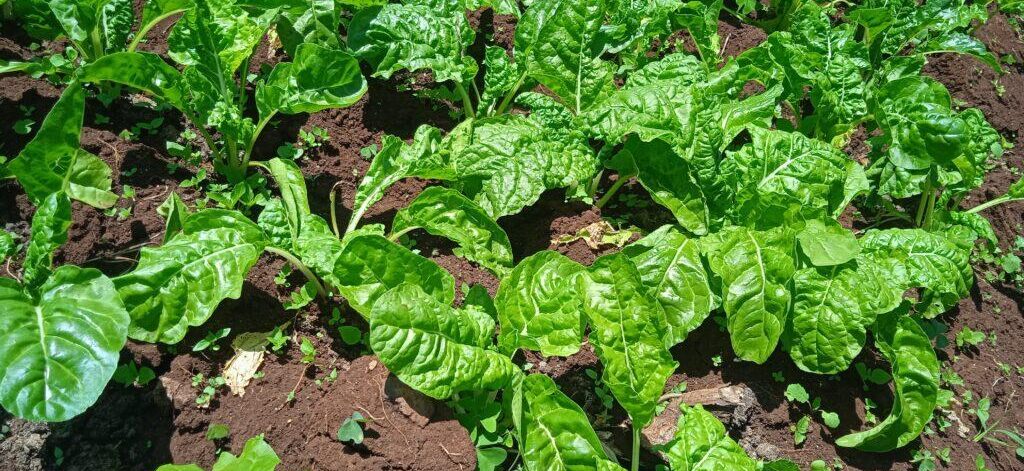
Spinach farming in Kenya has become a profitable agricultural venture, offering farmers substantial returns within short production cycles. This nutrient-rich leafy green has captured significant market attention, driven by an increasing shift towards healthier eating habits among Kenyan consumers.

The Growing Demand for Spinach
The rising health consciousness has created a steady demand for spinach across urban and rural markets. Consumers now actively seek out fresh, locally-grown spinach for its rich nutritional profile, including:
- High vitamin A and C content
- Essential minerals like iron and calcium
- Powerful antioxidants
- Low calorie content
Why Farmers are Choosing Spinach Cultivation
Farmers are drawn to spinach cultivation for several compelling reasons:
- Quick Returns: A harvest cycle of just 6-8 weeks
- Multiple Harvests: Potential for 4-6 crops annually
- Low Initial Investment: Minimal startup costs compared to other crops
- Strong Market Value: Consistent demand ensures stable pricing
- Versatile Growing Conditions: Adaptable to various Kenyan climates

The Importance of Quality Seedlings
However, the success of spinach farming largely depends on the quality of seedlings used. The economic impact of quality seedlings on smallholder incomes cannot be overstated. Therefore, investing in high-quality seedlings is crucial for maximizing yield and profitability.
Factors to Consider in Spinach Farming
Moreover, while spinach is a relatively easy crop to grow, there are still important factors to consider such as planting density and spacing. Understanding the importance of proper spacing when planting can significantly influence the growth and yield of the crop.
The combination of growing market demand and favorable cultivation characteristics makes spinach farming an attractive option for both new and experienced farmers in Kenya’s agricultural sector.

1. Suitable Regions for Spinach Cultivation
Kenya’s diverse agricultural landscape offers several prime locations for successful spinach farming. Three regions stand out for their exceptional growing conditions:
1. Central Kenya
- Rich volcanic soils with high nutrient content
- Moderate temperatures between 10-20°C
- Altitude ranges from 1,500-2,500 meters
- Regular rainfall patterns supporting year-round cultivation
2. Rift Valley
- Well-drained loamy soils ideal for root development
- Cool climate with minimal temperature fluctuations
- Protected valleys reducing wind damage
- Access to water sources for irrigation
3. Western Kenya
- Nutrient-rich soils with good water retention
- Consistent rainfall distribution
- Suitable elevation between 1,000-2,000 meters
- Natural protection from strong winds
Each region presents specific advantages and challenges for spinach farmers:
Advantages
- Natural soil fertility reducing fertilizer costs
- Reliable water sources
- Established agricultural infrastructure
- Proximity to major markets
Challenges
- Land pressure in Central Kenya
- Seasonal weather variations in Western Kenya
- Pest management needs in warmer areas
- Transportation costs to urban markets
Successful spinach cultivation requires selecting locations with proper soil pH (6.4-7.0), adequate drainage, and protection from extreme weather conditions. These regions provide the necessary environmental conditions while offering established farming communities and market access opportunities.
2. Popular Spinach Varieties in Kenya
Kenyan farmers cultivate several high-performing spinach varieties adapted to local conditions. Here are the most successful varieties in the market:
1. Fordhook Giant
- Dark green, crinkled leaves
- Heat-resistant characteristics
- Matures in 50-60 days
- High demand in urban markets
- Excellent nutritional content
2. Early Hybrid No. 7
- Fast-growing variety
- Smooth, tender leaves
- Matures in 45 days
- Perfect for commercial production
- Disease-resistant properties, which is a crucial factor considering the common [diseases that affect avocado seedlings](https://royalseedlings.com/a-farmers-guide-to-identifying-and-preventing-common-avocado-seedling-diseases)
3. Giant Noble
- Large, broad leaves
- Slow-bolting characteristics
- Matures in 55 days
- Popular in local markets
- Strong resistance to leaf spots
These varieties thrive in Kenya’s climate and meet specific market demands. Local farmers prefer these varieties for their quick maturation, disease resistance, and high market value. The choice between varieties depends on factors such as growing season, target market, and local climate conditions. For instance, when considering [choosing between local and imported apple varieties for Kenyan climates](https://royalseedlings.com/choosing-between-local-and-imported-apple-varieties-for-kenyan-climates), similar factors come into play.

3. Soil Preparation and Planting Techniques for Successful Spinach Farming
Proper soil preparation creates the foundation for healthy spinach growth and optimal yields. Your spinach plants need well-draining, fertile soil with a pH between 6.4 and 7.0 to thrive.
Essential Steps for Land Preparation:
- Clear the Land: Remove existing vegetation and debris, collect and dispose of rocks and stones, clean the area of any plastic or non-biodegradable materials.
- Test Your Soil: Take soil samples for pH testing, analyze nutrient content, check drainage capacity.
- Till the Soil: Plow to a depth of 30cm, break up soil clumps, create fine, loose texture.
- Add Organic Matter: Mix in well-decomposed manure (2-3 kg per square meter), incorporate compost to improve soil structure, add green manure if available.
- Prepare Planting Beds: Create raised beds 15-20cm high (you can find more about raised bed gardening here), make beds 1 meter wide, leave 30cm paths between beds.
Planting Guidelines:
- Space rows 30cm apart
- Plant seeds 2cm deep
- Maintain 30cm between plants
- Water thoroughly after planting
The soil temperature should stay between 15-20°C for optimal germination. You can use mulch to maintain moisture and suppress weed growth. Black plastic mulch helps warm the soil during cooler seasons.
While spinach farming requires specific techniques, it’s worth noting that similar principles apply to other crops as well, such as avocados. For instance, professional avocado farming training can provide valuable insights into effective farming practices.
Moreover, understanding the benefits of grafted fruit seedlings could enhance your overall farming strategy, whether you’re growing spinach or other fruits.
Additionally, having a seasonal planting calendar can help you plan your planting schedule effectively.
For those considering expanding their farming ventures into fruit orchards, following a step-by-step guide to starting an avocado orchard in Kenya could be beneficial.
Lastly, it’s essential to stay updated on trends in e-commerce within agriculture, as these changes could significantly impact your farming business in the near future.
4. Crop Management Practices to Maximize Yields in Spinach Farming
Effective irrigation is a critical factor in successful spinach farming. Here are the proven irrigation methods to maintain optimal soil moisture:
1. Drip Irrigation
- Delivers water directly to plant roots
- Reduces water wastage by 30-50%
- Prevents leaf diseases by keeping foliage dry
- Ideal for small to medium-scale farms
2. Sprinkler Systems
- Provides uniform water distribution
- Works well for larger plantations
- Creates a cooling effect during hot days
- Requires proper spacing to avoid water overlap
3. Manual Watering
- Suitable for small garden plots
- Uses watering cans or hoses
- Allows direct control of water quantity
- Best during early morning or late evening
The soil moisture level should stay consistent throughout the growing season. You’ll need to adjust your watering schedule based on:
- Daily temperature
- Rainfall patterns
- Soil type
- Plant growth stage
- Wind conditions
A simple moisture test helps determine watering needs – insert your finger into the soil up to the second knuckle. If it feels dry at this depth, your spinach needs water. The goal: maintain moist but not waterlogged soil to prevent root rot while ensuring steady growth.
During hot seasons, light mulching helps retain soil moisture and reduces irrigation frequency. A layer of organic mulch around your spinach plants creates an effective moisture barrier while suppressing weed growth.
To further enhance your crop yield and quality, it’s essential to understand the specific soil requirements for spinach, as they may differ from other crops. Additionally, considering grafting techniques can also significantly improve the yield and quality of your spinach crop.
5. Overcoming Challenges Faced by Spinach Farmers in Kenya
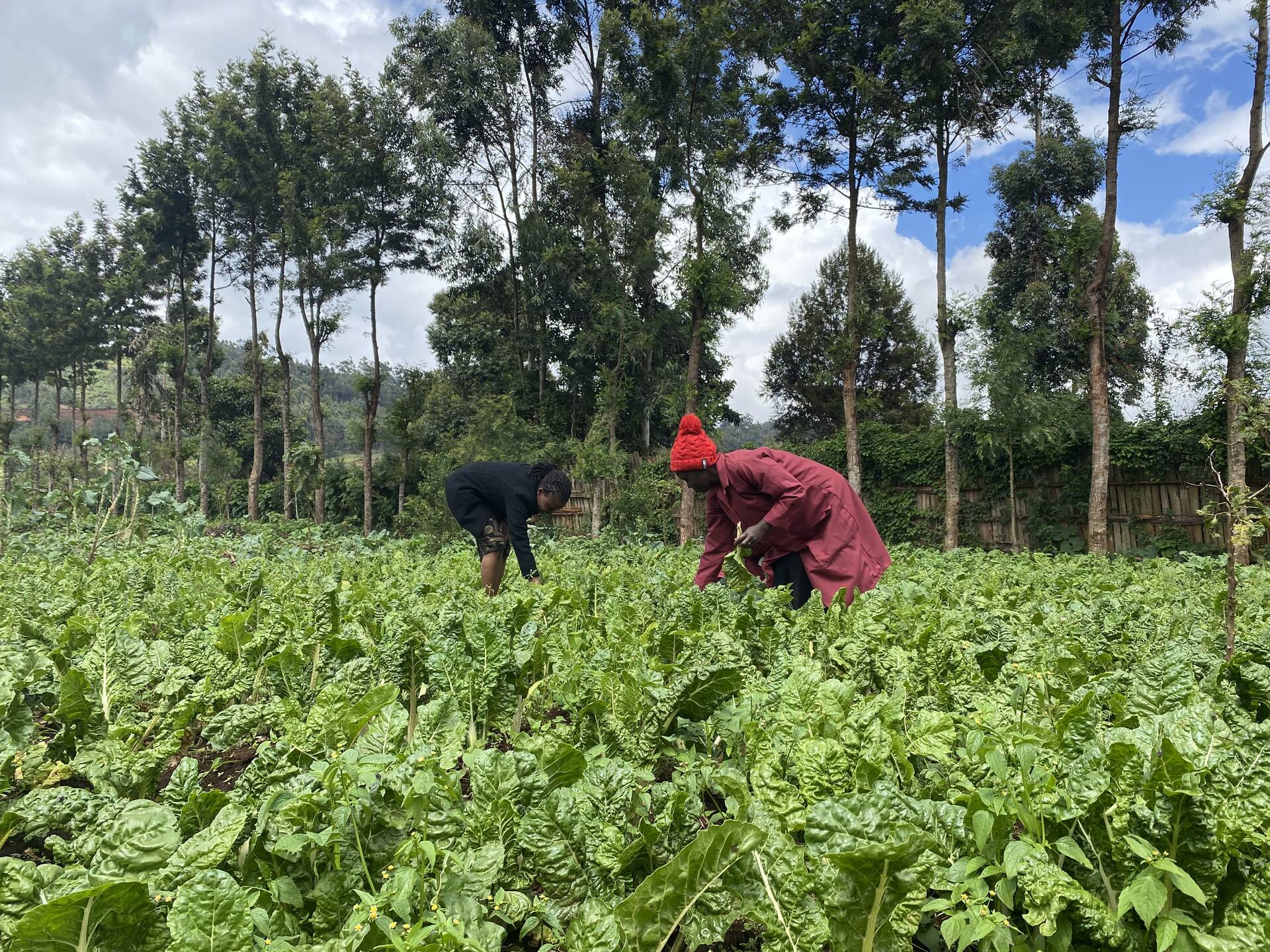
Pest management stands as a critical challenge in spinach farming. Here’s a comprehensive guide to identifying and controlling common pests while preserving beneficial insects:
Common Spinach Pests
- Leaf miners – These tiny insects create winding tunnels in spinach leaves
- Aphids – Small green or black insects that cluster on leaf undersides
- Cutworms – Night-feeding caterpillars that damage young plants
- Spider mites – Microscopic pests causing yellowing and leaf drop
Eco-friendly Control Methods
- Install yellow sticky traps to monitor and catch flying pests
- Plant companion crops like marigolds and nasturtiums to repel harmful insects
- Maintain proper plant spacing to improve air circulation
- Remove infected leaves promptly to prevent pest spread
Integrated Pest Management (IPM) Strategies
- Regular crop inspection to detect early pest infestations
- Use of biological controls like ladybugs and parasitic wasps
- Application of neem-based sprays for natural pest deterrence
- Crop rotation to break pest life cycles
Cultural Control Practices
- Maintain field hygiene by removing plant debris
- Use row covers during peak pest seasons
- Practice selective harvesting to minimize plant stress
- Create habitat zones for beneficial insects
These pest management approaches help maintain crop quality while protecting the environment and ensuring sustainable spinach production.
6. Government Support Initiatives for Spinach Farming Entrepreneurs
The Kenyan government has implemented several key policies to boost spinach farming success. The National Horticulture Policy stands as a cornerstone initiative, providing:
- Direct financial assistance for irrigation infrastructure
- Subsidized high-quality seeds and fertilizers
- Technical training programs for farmers
The Small Scale Irrigation and Value Addition Programme (SIVAP) offers specialized support through:
- Modern irrigation equipment at reduced costs
- Post-harvest handling facilities
- Market linkage assistance
Farmers Business Schools (FBS) deliver practical education on:
- Climate-smart agriculture techniques
- Financial management skills
- Value chain development
These government initiatives create a supportive ecosystem for spinach farmers. The Agricultural Finance Corporation provides low-interest loans specifically designed for horticultural ventures, while county-level agricultural offices offer free soil testing services and regular farm visits from qualified extension officers.
In addition to these initiatives, the role of advanced agricultural practices such as tissue culture in seedling production is becoming increasingly significant. For instance, areas like Muranga, known for high-quality seedling production, could serve as an inspiration for spinach farmers looking to enhance their yield and quality through similar innovative methods.
7. Future Opportunities and Trends in the Kenyan Spinach Industry
The Kenyan spinach industry has significant growth opportunities, especially in international markets. Several key export destinations have emerged as promising markets for Kenyan spinach:
Primary Export Markets
- European Union (EU) – Requires GlobalGAP certification
- Middle East – Values organic certification
- East African Community (EAC) – Accepts local certification standards
Market Entry Requirements
- Food safety certification
- Organic farming documentation
- Phytosanitary certificates
- Quality assurance systems
The UAE and Saudi Arabia present lucrative opportunities for Kenyan spinach farmers, with premium prices offered for organic produce. These markets value Kenya’s ability to supply fresh spinach year-round.
Value Addition Opportunities
- Frozen spinach processing
- Dehydrated spinach powder
- Pre-washed, packaged leaves
- Ready-to-cook spinach products
Digital platforms have opened direct market access, connecting Kenyan farmers with international buyers. Modern cold chain solutions now enable longer shelf life, making distant markets accessible.
The growing trend of health-conscious consumers worldwide creates steady demand for nutrient-rich spinach. Kenya’s strategic location and established air freight connections position local farmers to capitalize on these emerging opportunities.
In addition to spinach, aspiring commercial fruit growers in Kenya can explore other lucrative agricultural sectors. For instance, the Hass avocado export market presents a profitable venture for farmers willing to diversify their crops.
Moreover, understanding what makes a good nursery is crucial for successful farming. This knowledge can significantly impact the quality of produce, whether it’s spinach or other fruits like mangoes. Therefore, it’s essential for farmers to choose the right mango variety that suits their farm conditions and market demands.
8. Embracing Spinach Farming for a Sustainable Future in Kenya
Sustainable agriculture practices transform spinach farming into a resilient, eco-friendly venture. The adoption of strategic crop rotation disrupts pest cycles and maintains soil fertility naturally. Integrating spinach into agroforestry systems creates beneficial microclimates, enhancing crop protection and soil moisture retention.
Key Sustainable Practices for Spinach Farmers:
- Implement companion planting with marigolds and herbs to repel harmful insects, a method also effective in preventing pest infestations in young orchards naturally.
- Use organic mulch to suppress weeds and conserve water
- Apply compost tea and vermicompost for nutrient-rich soil amendment
- Establish natural windbreaks through strategic tree planting
- Practice integrated pest management with biological controls
The transition to sustainable farming methods requires initial investment and learning. Farmers might experience temporary yield adjustments during the adaptation phase. Yet, these practices deliver substantial long-term advantages:
Benefits of Sustainable Spinach Farming:
- Enhanced soil structure and fertility
- Reduced dependency on chemical inputs
- Improved water retention capacity
- Greater biodiversity on farms
- Natural pest resistance development
The market rewards sustainable farming practices. Premium prices await farmers who obtain organic certification. European and Middle Eastern markets specifically seek sustainably grown produce, offering higher returns for certified organic spinach.
Climate-smart agriculture techniques strengthen farm resilience against weather extremes. Deep-rooted cover crops prevent soil erosion during heavy rains. Drought-resistant companion plants help maintain soil moisture during dry spells. These adaptations ensure consistent spinach production throughout changing weather patterns.
Moreover, the principles of sustainable farming can be extended beyond spinach to other crops like avocados or pomegranates, which have their own unique best practices when buying seedlings online or specific opportunities and challenges in their farming.

Call to Action: Partner with Us for Quality Seedlings and Expertise!
Ready to start your farming journey? Our team of agricultural experts is here to support your success with:
- Premium quality seedlings
- Technical guidance and training
- Soil testing services
- Market linkage assistance
- Post-harvest handling support
We specialize in various types of farming, including avocado farming where we provide essential tips for caring for newly planted avocado seedlings and answer common questions about avocado seedling purchases online.
Moreover, we offer expert advice on preparing your land before receiving seedlings delivery, ensuring you avoid common pitfalls in the process.
Contact us today:
- 📱 Phone:+254 711315313
- 📧 Email: Julius.murega@royalseedlings.
com - 🌐 Website: www.royalseedlings.com
- 📍 Location: Murang’a, Kenya
Join our growing community of successful farmers. Let’s cultivate prosperity together!
FAQs (Frequently Asked Questions)
What makes spinach farming a profitable agricultural enterprise in Kenya?
Spinach farming in Kenya is profitable due to the growing health consciousness among consumers, increasing demand for leafy greens like spinach, its short growth cycle, and high market value. These factors contribute to its popularity as a lucrative venture for farmers.
Which regions in Kenya are most suitable for spinach cultivation?
The most suitable regions for spinach farming in Kenya include Central Kenya, Rift Valley, and Western Kenya. These areas offer favorable climate, soil types, and altitude that support healthy spinach growth. Each region has its advantages and challenges which farmers should consider.
What are the popular spinach varieties grown in Kenya?
Common spinach varieties cultivated by Kenyan farmers include Fordhook Giant, Early Hybrid No. 7, and Giant Noble. These varieties have unique characteristics and enjoy strong market preferences due to their quality and adaptability.
How should I prepare my soil for successful spinach farming?
Proper soil preparation is crucial for successful spinach farming. This involves clearing debris from the land, tilling the soil to improve aeration and texture, and incorporating organic matter to enhance fertility. Following these steps ensures optimal conditions for planting spinach seeds or seedlings.
What crop management practices can maximize yields in spinach farming?
Effective crop management includes employing suitable irrigation methods to maintain consistent soil moisture throughout the growing season. Additionally, integrated pest management strategies help control pests without harming beneficial insects or the environment, thereby maximizing spinach yields.
Are there government support initiatives available for spinach farmers in Kenya?
Yes, the Kenyan government promotes horticultural production through policies like the National Horticulture Policy which supports farmers engaged in crops such as spinach. These initiatives provide resources and frameworks aimed at enhancing productivity and market access for spinach farming entrepreneurs.