

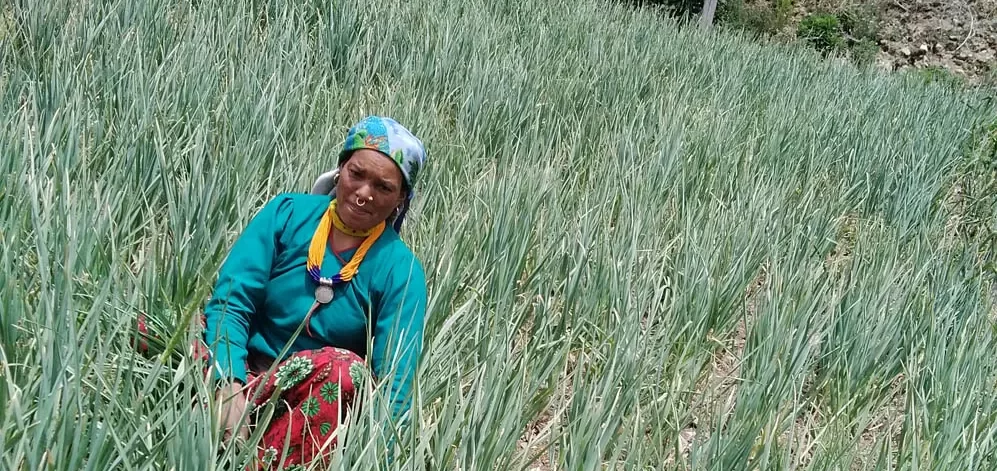
Spring onion farming stands out as a highly profitable agricultural venture in Kenya’s diverse farming landscape. This fast-growing crop matures within 60-75 days, offering farmers quick returns on their investment through multiple harvesting cycles per year.
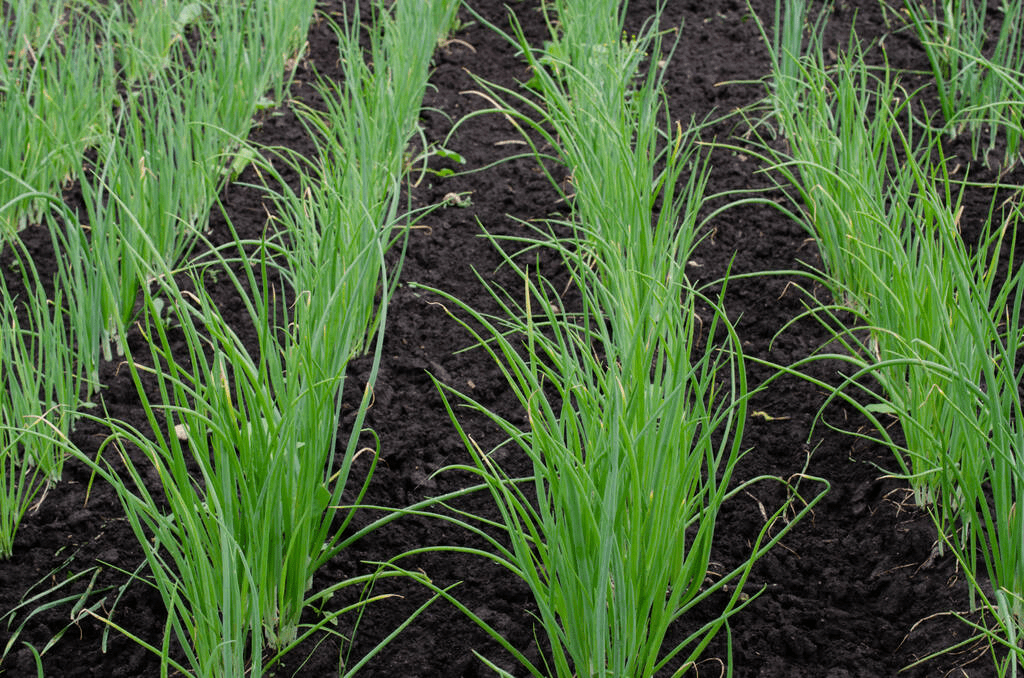
The yield potential of spring onions is remarkable, with farmers harvesting 4-8 tons per acre each season. These impressive numbers, combined with steady market demand, make spring onion farming attractive for both small-scale and commercial farmers.
Key growing regions in Kenya include:
- Kirinyaga
- Murang’a
- Meru
- Nyeri
- Nakuru
- Kisii
- Parts of the Rift Valley
In fact, Murang’a, known for its quality Hass avocado seedling production, also presents opportunities for other crops like spring onions. The market demand for spring onions remains strong year-round, with wholesale prices ranging from Ksh 50-100 per kg and retail prices reaching Ksh 100-200 per kg. This price stability creates a reliable income stream for dedicated farmers.
Spring onions require minimal initial investment compared to other crops, making them an ideal choice for farmers starting their agricultural journey. The crop’s adaptability to various Kenyan highland regions, combined with its quick maturity cycle, positions spring onion farming as a strategic choice for maximizing agricultural profits.
However, if you’re considering diversifying into other profitable ventures such as avocado farming, it’s essential to understand what to expect from a professional avocado farming training session. Additionally, knowing the key qualities of a good nursery can significantly impact your success in this field.
Starting an avocado orchard requires careful planning and execution. A comprehensive step-by-step guide to starting an avocado orchard in Kenya can provide valuable insights. It’s also crucial to follow essential tips for caring for newly planted avocado seedlings to ensure their healthy growth.

Understanding Spring Onions
Spring onions, also known as scallions, differ significantly from regular bulb onions. These non-bulbing varieties produce long, hollow green leaves and a slender white stem instead of developing large underground bulbs.
Successful Spring Onion Varieties in Kenya
The most successful spring onion varieties in Kenya include:
- White Lisbon: Mild, sweet flavor profile, fast-growing variety reaching maturity in 60 days, excellent resistance to bolting, high yield potential, strong market demand due to attractive appearance
- Evergreen Bunching: Disease-resistant properties, produces multiple stalks from single plants, ideal for continuous harvesting, tolerates diverse weather conditions, extended shelf life after harvesting
Why These Varieties Thrive in Kenya
These varieties thrive in Kenya’s agricultural conditions for several reasons:
- Adaptability to varied altitudes (500-2,500m above sea level)
- Resistance to common local pests and diseases
- Quick maturation cycle matching local growing seasons
- Strong performance in both small-scale and commercial farming
- Ability to withstand temperature fluctuations common in Kenyan regions
Benefits of Spring Onions for Farmers
The compact growing nature of spring onions makes them ideal for intensive farming systems, allowing farmers to maximize land use while maintaining high yields. Their shallow root system enables successful cultivation in areas with limited soil depth, expanding potential growing locations across Kenya’s diverse agricultural zones.
In addition to spring onions, grafted fruit seedlings are gaining popularity among Kenyan farmers due to their numerous advantages. Such advancements in agriculture not only enhance productivity but also play a crucial role in supporting women and youth in agribusiness by providing them with better resources and opportunities.
Understanding the specific soil requirements for different fruit trees is also essential for successful farming. This knowledge can greatly improve the chances of success when choosing between local and imported apple varieties, as each type has its own unique requirements and adaptability to the local environment.
Ideal Growing Conditions for Spring Onions in Kenya
Spring onions thrive under specific environmental conditions in Kenya’s diverse agricultural zones. The right combination of soil, altitude, and climate determines your farming success.
Soil Requirements
- Well-drained loamy soils rich in organic matter
- pH levels between 6.0-7.5
- Deep soil profile for root development
- Good water retention capacity
- Free from waterlogging issues
Altitude Considerations
- Optimal growth at 500-2,500 meters above sea level
- Higher altitudes produce stronger-flavored onions
- Lower altitudes yield milder-tasting varieties
- Major growing regions include Kirinyaga, Meru, and Nakuru
Climate Requirements
- Temperature range: 13°C to 25°C
- Annual rainfall: 600mm to 1,200mm
- Moderate humidity levels
- Protection from strong winds
- Full sun exposure
Your spring onions need consistent moisture without waterlogging. Sandy loam soils work best as they provide excellent drainage while retaining essential nutrients. Areas with moderate rainfall distribution throughout the growing season create ideal conditions for robust plant development.
The crop adapts well to Kenya’s highland regions where temperatures remain mild. These areas typically experience cooler nights and warm days, creating perfect conditions for leaf development and root establishment. Your plants will show optimal growth when temperatures stay within the recommended range, paired with adequate rainfall or irrigation.
In addition to these factors, the quality of seedlings plays a crucial role in determining the overall success of your farming venture. The economic impact of quality seedlings on smallholder incomes cannot be overstated, as high-quality seedlings can significantly increase yield and profitability.
Moreover, as we look towards the future of agriculture in Kenya, embracing modern trends such as the future of e-commerce in agriculture could revolutionize how we source our agricultural inputs including seeds and seedlings.

Land Preparation and Planting Techniques
Proper land preparation creates the foundation for successful spring onion farming in Kenya. The process begins with thorough land clearing to remove weeds, rocks, and plant debris that might interfere with root development.
Essential Land Preparation Steps:
- Clear the land of weeds and debris
- Deep plow to break soil clumps (15-20cm depth)
- Add well-decomposed manure (1 ton per acre)
- Level the field for uniform water distribution
- Create raised beds 15cm high for areas with heavy rainfall
For optimal results, it’s crucial to follow some expert advice on preparing your land before receiving seedling delivery.
Soil pH Adjustment:
- Test soil pH before planting
- Add agricultural lime for acidic soils
- Mix in gypsum for alkaline soil correction
- Allow 2-3 weeks for amendments to take effect
You can choose between two planting methods for spring onions:
Direct Sowing:
- Create shallow furrows 1-2cm deep
- Space rows 20cm apart
- Sow seeds thinly along furrows
- Cover lightly with soil
- Water gently
Nursery Transplanting:
- Prepare nursery beds with fine soil
- Sow seeds 1cm deep in rows
- Transplant seedlings after 4-6 weeks
- Space seedlings 10cm apart within rows
- Water immediately after transplanting
The nursery method offers better germination rates and stronger plants, making it the preferred choice for many Kenyan farmers. Direct sowing works well during the rainy season when soil moisture is reliable.
This method is similar to the tissue culture process used in banana seedling production, which also ensures healthier plants. If you’re considering diversifying into other crops like avocados or garlic, be sure to read up on common avocado seedling diseases, frequently asked questions about online avocado seedling purchases, or even explore the production and management of garlic, elephant garlic, and leek for a smoother transition.
Fertilizer and Nutrient Management Strategies for Optimal Growth in Spring Onion Farming in Kenya
Spring onions require specific nutrient management for optimal growth and high yields. A strategic fertilizer application schedule ensures your crop receives essential nutrients at critical growth stages.
Basal Fertilizer Application
- Apply DAP (Di-ammonium Phosphate) fertilizer during planting at 200kg per acre
- Mix the fertilizer thoroughly with soil before transplanting seedlings
- DAP provides essential phosphorus for root development and nitrogen for leaf growth
Top-dressing Schedule
- Apply CAN (Calcium Ammonium Nitrate) fertilizer 4 weeks after transplanting
- Use 150kg CAN per acre, applied in a band along the rows
- Repeat CAN application at 6-week intervals for continuous harvesting
Micronutrient Management
- Spray foliar feed containing zinc, magnesium, and boron every 2 weeks
- Apply micronutrients early morning or late evening
- Mix according to manufacturer’s instructions to avoid leaf burn
Soil Testing and pH Management
- Conduct regular soil tests to monitor nutrient levels
- Maintain soil pH between 6.0-7.5 for optimal nutrient absorption
- Add agricultural lime if pH falls below recommended range
Organic Supplements
- Incorporate well-rotted manure during land preparation
- Apply compost tea as a natural fertilizer supplement
- Use green manure crops in rotation to improve soil fertility
For those interested in expanding their farming ventures beyond spring onions, it’s important to understand the specific seasonal planting calendar for fruit seedlings in Central Kenya. This knowledge can aid in planning crop cycles effectively.
Moreover, if you are considering diversifying into avocado farming, be aware of common mistakes to avoid for a bountiful harvest. Such insights can be invaluable in ensuring the success of your farming endeavors.
Lastly, should you have an interest in growing Pixie oranges as part of your agricultural portfolio, this complete guide for beginners will provide comprehensive information on best practices and strategies.
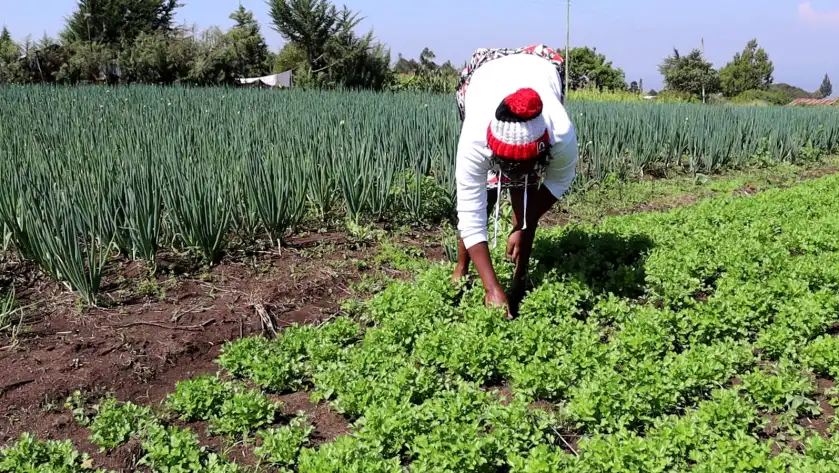
Irrigation Best Practices and Pest/Disease Management in Spring Onion Farming in Kenya
Spring onions require consistent moisture without waterlogging. The right irrigation practices protect your crop from diseases while ensuring optimal growth.
Recommended Irrigation Methods:
- Drip irrigation systems deliver water directly to plant roots
- Morning or evening watering reduces evaporation loss
- Light, frequent irrigation maintains soil moisture at 60-70%
- Water needs increase during bulb formation stage
Signs of Poor Irrigation:
- Yellowing leaves indicate overwatering
- Wilting suggests insufficient water
- Splitting or cracking stems show irregular watering
Common Pests and Diseases:
Pests:
- Thrips
- Onion maggots
- Cutworms
- Leaf miners
- Nematodes
Diseases:
- Purple blotch
- Downy mildew
- Onion rust
- Bacterial soft rot
To effectively manage these challenges, integrated pest management strategies can be employed. This includes crop rotation with non-allium plants, using natural pesticides like neem oil, regular field monitoring, removal of infected plants, maintaining field hygiene, and using disease-resistant varieties.
Disease Prevention Through Irrigation:
- Avoid overhead watering to prevent leaf diseases
- Maintain proper drainage to reduce fungal infections
- Ensure proper spacing for air circulation between plants
- Clean irrigation equipment regularly
Combining proper irrigation with effective pest management creates optimal growing conditions for your spring onions. Regular monitoring helps detect issues early, allowing for timely interventions. It’s also crucial to follow best practices when buying seedlings online, ensuring you get healthy plants that are more resilient to pests and diseases.
Harvesting Techniques, Market Demand, and Profitability
Spring onion harvesting begins when plants display specific readiness indicators:
- Tall, green succulent leaves reaching 30-35cm height
- Stem thickness of approximately 1-1.5cm
- Vibrant color and firm texture
- Maturity period of 60-75 days post-transplanting
Harvesting Methods
- Complete uprooting: Pull entire plants from soil when targeting both leaves and white stems
- Selective cutting: Trim leaves 2-3cm above soil level for continuous harvests
Market Dynamics and Profitability
- Wholesale prices: Ksh 50-100 per kg
- Retail prices: Ksh 100-200 per kg
- Potential yield: 4-8 tons per acre per season
Value Addition Opportunities
- Dried spring onion products
- Packaged fresh-cut segments
- Spice blends and seasonings
- Export-grade processing
Key Challenges
- Post-harvest losses from improper handling, a significant issue that can be mitigated through innovations and strategies in postharvest handling
- Limited storage facilities
- Price fluctuations in local markets
- Competition from imported products
- Transportation logistics to major markets
The export market presents significant opportunities, with demand from Europe and Middle East markets. Farmers meeting international quality standards can access premium prices through direct export channels or contracted farming arrangements. This is similar to the export opportunities available for other crops like Hass avocados.
In addition to spring onions, farmers in Kenya are also exploring other lucrative farming options such as pomegranate farming, which comes with its own set of opportunities and challenges.
Moreover, for those interested in expanding their agricultural knowledge and skills, there are various training opportunities for aspiring commercial fruit growers available in regions like Muranga County.

Best Practices for Successful Spring Onion Farming in Kenya
Successful spring onion farming requires careful attention to proven agricultural practices:
Select Location-Specific Varieties
- White Lisbon – ideal for mild climates, produces tender stems
- Evergreen Bunching – resistant to purple blotch disease
- Red Spear – suited for higher altitude regions
Implement Crop Rotation
- Rotate with non-allium crops every 3-4 seasons
- Plant after legumes to benefit from nitrogen fixation
Maintain Field Hygiene
- Remove crop debris after harvest
- Keep fields weed-free through regular manual weeding
- Create buffer zones between plots
Practice Soil Conservation
- Use mulching to retain moisture
- Plant across slopes to prevent erosion
- Test soil regularly for nutrient deficiencies

Conclusion
Spring onion farming stands as a rewarding agricultural venture in Kenya, offering quick returns within 60-75 days and impressive yields of 4-8 tons per acre. The low initial investment, coupled with Kenya’s suitable ecological conditions, makes this crop an attractive option for both small-scale and commercial farmers.
The success of your spring onion farm depends on implementing the practices outlined in this guide:
- Selecting disease-resistant varieties like White Lisbon
- Maintaining proper soil conditions and pH levels
- Following recommended spacing and irrigation techniques
- Applying appropriate fertilizers
- Managing pests and diseases effectively
In addition to these practices, exploring other profitable crops like mangoes could diversify your farming venture. You can learn more about choosing the right mango variety for your Kenyan farm. Also, understanding the science behind grafting could improve your overall crop yield and quality.
Ready to start your spring onion farming journey? Order your spring onion seedlings from certified suppliers in Kenya and join the growing community of successful spring onion farmers.
Ready to start spring onion farming in Kenya?
Contact Royal Seedlings:
 Phone: +254 711315313
- Email: Julius.murega@royalseedlings.
com, - Website:www.royalseedlings.com
 Phone: +254 711315313
 Email:
  Website:
FAQs (Frequently Asked Questions)
What makes spring onion farming a profitable venture in Kenya?
Spring onion farming in Kenya is highly profitable due to the crop’s quick maturity and high yield. The demand for spring onions in local markets is strong, and the relatively low investment costs combined with suitable ecological conditions make it an attractive agricultural enterprise.
Which spring onion varieties are best suited for Kenyan farming conditions?
Popular spring onion varieties grown in Kenya include White Lisbon and Evergreen Bunching. These non-bulbing onion varieties are well-adapted to Kenyan climates and soil types, making them ideal choices for successful spring onion farming.
What are the ideal growing conditions for spring onions in Kenya?
Spring onions thrive best in well-drained loamy soils with a pH between 6.0 and 7.5. Suitable altitudes range from 500 to 2,500 meters above sea level, with optimal temperatures between 13°C and 25°C. Annual rainfall should be between 600mm to 1,200mm for optimal growth.
How should land be prepared and seeds sown for effective spring onion cultivation?
Land preparation involves clearing weeds, plowing, applying about one ton of manure per acre, and adjusting soil pH as needed. Seeds can be sown directly into furrows or raised in nurseries before transplanting seedlings to the field, depending on farmer preference and resources.
What fertilizer and nutrient management strategies optimize spring onion growth in Kenya?
Applying basal fertilizers such as Diammonium Phosphate (DAP) at planting is recommended, followed by top-dressing with Calcium Ammonium Nitrate (CAN) fertilizer approximately four weeks after planting to ensure optimal nutrient availability and promote healthy growth.
What are the best irrigation practices and pest management techniques for spring onion farming?
Avoiding waterlogging through proper irrigation scheduling is crucial. Drip irrigation is advantageous as it conserves water efficiently and helps control diseases by keeping foliage dry. Regular monitoring for pests and timely interventions help maintain healthy crops.