


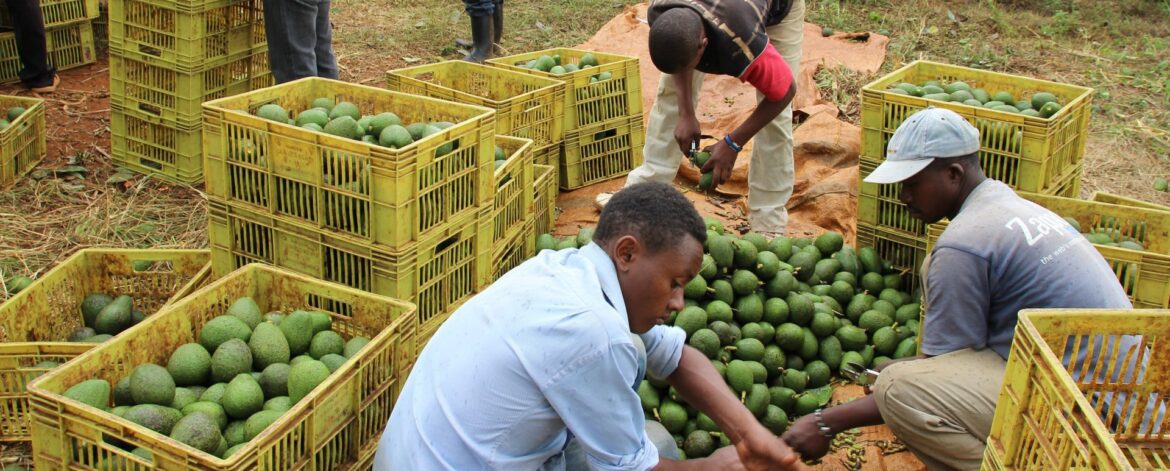
Strengthening Market Linkages: The Collaborative Efforts between Farmers and Royal seedlings
The importance of market linkages in agricultural development
Growing and sustaining a thriving agricultural sector requires more than just efficient farming methods and high-quality produce. The establishment of robust market linkages is a critical factor in ensuring the success and growth of farmers. Market linkages enhance farmers’ access to markets, enabling them to sell their products at fair prices while also connecting them to valuable resources and opportunities.
This article explores the collaborative efforts between farmers and Royal seedlings in strengthening market linkages. It delves into the challenges faced by farmers in accessing markets, the role of Royal seedlings in facilitating market access, and the various initiatives, such as training programs and market information systems, that are employed to enhance market engagement.
Additionally, the article highlights success stories showcasing the positive impact of collaborative efforts on farmers’ livelihoods and provides policy recommendations for future prospects in enhancing market linkages in agriculture.
Role of market linkages in agricultural growth
When it comes to agricultural development, market linkages play a crucial role. These linkages connect farmers to markets, opening up opportunities for growth and economic progress. By establishing strong connections between producers and consumers, market linkages ensure the smooth flow of agricultural products and resources.
Benefits of strong market linkages for farmers
Strong market linkages bring a multitude of benefits for farmers. Firstly, it provides them with access to a broader customer base, increasing their chances of finding buyers for their produce. This accessibility allows farmers to sell their products at better prices, leading to increased income and improved livelihoods.
Furthermore, robust market linkages facilitate knowledge sharing and technology transfer between farmers and consumers. This exchange of information helps farmers stay updated with market trends, consumer demands, and innovative farming practices.
Consequently, they can make informed decisions regarding crop choices, production techniques, and product quality, ultimately enhancing their competitiveness in the market.

Understanding Royal Seedlings and their role in strengthening market linkages
Overview of Royal seedlings and their mission
Royal seedlings is a pioneering organization dedicated to supporting farmers in accessing and navigating markets effectively. Their mission is to bridge the gap between farmers and consumers, ensuring a fair and sustainable agricultural system. With a focus on community development and empowerment, Royal seedlings works towards creating an inclusive and prosperous farming ecosystem.
How Royal seedlings support farmers in market access
Royal seedlings implements various initiatives to support farmers in accessing markets. They provide training programs and capacity-building workshops to enhance farmers’ knowledge and skills. By empowering farmers with market insights and business management techniques, Royal seedlings equips them with the tools they need to succeed in competitive market environments.
Moreover, Royal seedlings facilitates direct market connections by establishing networks between farmers and potential buyers. This direct access cuts out unnecessary middlemen, ensuring better prices for farmers and fairer trade practices.
Through these efforts, Royal seedlings enables farmers to establish long-term relationships with buyers, leading to more stable market linkages.
Challenges faced by farmers in accessing markets and the need for collaboration
Lack of infrastructure and transportation barriers
Farmers often face challenges in accessing markets due to inadequate infrastructure and transportation barriers. Poor road conditions and limited storage facilities make it difficult for farmers to transport their produce to markets efficiently.
Collaborative efforts are needed to address these challenges by building infrastructure and improving transportation networks, reducing the time and cost involved in reaching markets.
Limited market information and knowledge
Limited access to market information and knowledge poses a significant hurdle for farmers. They often lack awareness of market demands, pricing trends, and consumer preferences. Collaborative initiatives can play a vital role in expanding farmers’ access to market information.
By sharing market insights and conducting joint research, organizations like Royal seedlings can empower farmers with valuable knowledge, enabling them to align their production and marketing strategies with market needs.
Entry barriers and competition from larger players
Entry barriers and competition from larger market players can make it challenging for small-scale farmers to establish market linkages. Collaborative efforts, such as forming farmer cooperatives or collective marketing groups, can help smaller farmers pool their resources and negotiate better deals. By joining forces, farmers can increase their bargaining power and overcome the challenges posed by dominant market players.

Collaborative initiatives between farmers and Royal seedlings to strengthen market linkages
Farmer training and capacity-building programs
To strengthen market linkages, Royal seedlings conducts farmer training and capacity-building programs. These initiatives equip farmers with essential business skills, such as marketing strategies, financial management, and quality control. By enhancing farmers’ capabilities, Royal seedlings empowers them to navigate markets more effectively and take advantage of emerging opportunities.
Joint market research and planning
Collaboration between farmers and Royal seedlings in market research and planning is vital for identifying market trends, consumer preferences, and potential demand.
By working together, farmers and Royal seedlings can align their production and marketing strategies, ensuring that farmers grow crops that have a ready market. This collaboration minimizes the risks of oversupply or inadequate market demand, leading to more stable market linkages.
Supply chain coordination and direct marketing support
Royal seedlings facilitates supply chain coordination by connecting farmers directly to buyers and eliminating unnecessary intermediaries. By streamlining the supply chain, farmers can enjoy better prices for their produce and establish long-term relationships with buyers.
Moreover, Royal seedlings provides direct marketing support to farmers, helping them promote their products and reach a wider consumer base. This support includes branding, packaging, and market access guidance, further strengthening market linkages for farmers.
In conclusion, market linkages are crucial for agricultural development and the well-being of farmers. Through collaborative efforts between farmers and organizations like Royal seedlings, these linkages can be strengthened, providing farmers with better access to markets, fairer trade practices, and improved economic prospects.
By working together, we can create a more sustainable and inclusive agricultural system that benefits all stakeholders involved.
Training and capacity-building programs for farmers to enhance market engagement
Importance of training for farmers in market-oriented agriculture
In the ever-changing landscape of agriculture, it is crucial for farmers to stay updated and equipped with the necessary skills to thrive in a market-oriented environment. Training and capacity-building programs play a vital role in empowering farmers to engage effectively with the market.
These programs provide farmers with knowledge on emerging market trends, consumer preferences, and marketing strategies. By participating in such programs, farmers can enhance their understanding of market dynamics and make informed decisions to maximize their profits.
Topics covered in training programs
Training programs for farmers focus on a wide range of topics that are essential for market-oriented agriculture. These may include market research and analysis, branding and packaging techniques, pricing strategies, negotiation skills, and digital marketing.
Additionally, farmers receive training on quality control and post-harvest handling practices to ensure their produce meets the market’s standards and demands. By addressing these topics, farmers are better equipped to navigate the complexities of the market and adapt their farming practices accordingly.
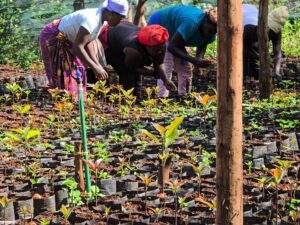
Impacts of capacity-building initiatives on farmers
Capacity-building initiatives have proven to have a significant impact on farmers’ ability to engage with the market effectively. By equipping farmers with the necessary skills and knowledge, these initiatives empower them to make informed decisions that optimize their market participation.
As a result, farmers are better positioned to negotiate fair prices for their produce, establish strong relationships with buyers, and access higher-value markets. The increased market engagement not only improves farmers’ income but also boosts their confidence and sense of agency in the agricultural sector.
Market information systems and their role in improving market linkages
Advantages of market information systems for farmers
Market information systems act as a game-changer for farmers seeking to strengthen their market linkages. These systems provide farmers with real-time, accurate, and relevant information on market prices, demand trends, and supply chain dynamics.
Armed with this information, farmers can make informed decisions regarding what to produce, when to sell, and where to sell. Market information systems also enable farmers to anticipate market fluctuations and adjust their production accordingly, reducing the risk of losses and ensuring optimal returns.
Types of market information systems available
Various types of market information systems are available to farmers, catering to their diverse needs and resources. Some systems utilize mobile applications or online platforms that provide farmers with instant access to market data.
Other systems rely on local information networks, where farmers can gather market insights through community-based organizations or agricultural extension officers.
Additionally, some regions have established market information centers, which serve as physical hubs where farmers can access information through bulletin boards, newsletters, or dedicated staff. The wide range of options ensures that farmers can choose a system that suits their preferences and technological capabilities.
Case studies highlighting the benefits of market information systems
Several case studies have shown the positive impact of market information systems on farmers’ market linkages. For instance, in a rural village in India, farmers were able to increase their income by 20% after adopting a mobile-based market information system.
This system provided them with real-time price updates, enabling them to sell their produce at the right time and secure better prices. In another case, a farmer cooperative in Kenya utilized a community-based market information network to access market data, leading to improved bargaining power and higher profits for its members.
These success stories highlight how market information systems can transform farmers’ market engagement and contribute to their overall prosperity.
Success stories and impact of collaborative efforts on farmers’ livelihoods
Examples of successful collaboration between farmers and Royal seedlings
The collaborative efforts between farmers and Royal seedlings have yielded remarkable success stories. One such example is the partnership between a group of smallholder farmers in Indonesia and Royal seedlings. Through this collaboration, farmers gained access to high-quality seeds, technical expertise, and market linkages provided by Royal seedlings.
As a result, these farmers were able to improve their crop yields and secure contracts with premium buyers. Another success story emerges from a cooperative of dairy farmers in Kenya who collaborated with Royal seedlings on a feed optimization program.
Through the use of innovative feed formulations, these farmers witnessed a significant increase in milk production, leading to improved incomes and livelihoods.
Positive changes observed in farmers’ income and quality of life
The collaborative efforts between farmers and Royal seedlings have not only impacted farmers’ income but also their overall quality of life. Increased market linkages have translated into higher incomes, allowing farmers to invest in better housing, education for their children, and improved healthcare.
Moreover, enhanced market engagement has brought a sense of empowerment and dignity to farmers, as they are recognized and valued for their contributions to the agricultural sector. This has led to increased motivation and enthusiasm among farmers, creating a positive ripple effect within their communities.
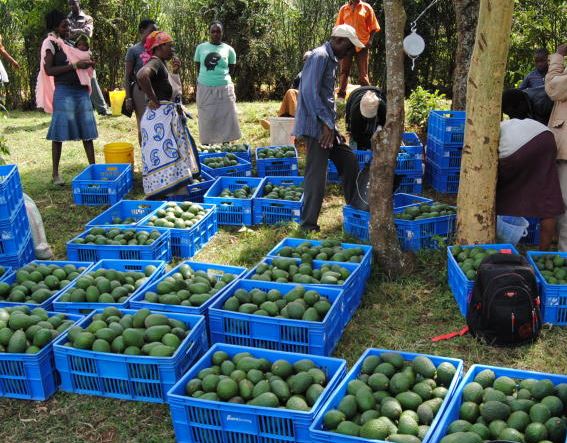
Policy recommendations and future prospects for enhancing market linkages in agriculture
Policy changes needed to support market linkages
To further strengthen market linkages in agriculture, certain policy changes are necessary. Governments should prioritize investments in infrastructure, such as roads and storage facilities, to facilitate the smooth movement of agricultural produce from farms to markets.
Additionally, policies promoting the establishment and maintenance of market information systems need to be implemented. This would involve supporting the development of digital platforms, expanding the reach of extension services, and providing training programs for farmers.
Moreover, policies that encourage collaboration between farmers, private seed companies, and other market actors can unlock new opportunities and foster innovation.
With the right policies in place, market linkages can be enhanced, and farmers can take advantage of emerging market trends, access value-added markets, and secure fair prices for their produce. In conclusion, the collaborative efforts between farmers and Royal seedlings have demonstrated their effectiveness in strengthening market linkages in agriculture.
By addressing the challenges faced by farmers, providing training and capacity-building programs, and utilizing market information systems, these collaborations have empowered farmers to access markets, increase their incomes, and improve their overall quality of life.
However, there is still work to be done. Policymakers and stakeholders must continue to prioritize and support initiatives that enhance market linkages, ensuring a sustainable and prosperous agricultural sector.
With continued collaboration and strategic measures, the future holds promising prospects for further strengthening market linkages and advancing the agricultural industry as a whole.
FAQ
How do market linkages benefit farmers?
Market linkages provide farmers with improved access to markets, allowing them to sell their products at fair prices. This helps increase their income and profitability. Additionally, market linkages connect farmers to valuable resources, information, and opportunities for growth and development.
What are some common challenges faced by farmers in accessing markets?
Farmers often face challenges such as lack of infrastructure and transportation barriers, limited market information and knowledge, and competition from larger players. These barriers can hinder their ability to reach buyers, negotiate fair prices, and access profitable market opportunities.
How do collaborative initiatives between farmers and Royal seedlings help strengthen market linkages?
Collaborative initiatives between farmers and Royal seedlings involve joint planning, supply chain coordination, and direct marketing support. These efforts help farmers overcome market access challenges by providing them with training programs, market information systems, and support in navigating the complexities of the market.
By leveraging the expertise and resources of Royal seedlings, farmers can enhance their market engagement and improve their exposure to profitable markets.
How can policymakers contribute to enhancing market linkages in agriculture?
Policymakers play a crucial role in enhancing market linkages in agriculture. They can support farmers by implementing policies that improve infrastructure, transportation, and market information systems. Additionally, policymakers can encourage collaboration between farmers and agricultural organizations, promote capacity-building programs, and create an enabling environment for fair trade and market access.
By prioritizing and investing in these areas, policymakers can foster a conducive ecosystem for strengthening market linkages in agriculture.
Royal Seedlings offers top-notch, cost-effective seedlings. Our products are known for their exceptional quality and affordability. Trust Royal Seedlings for all your seedling requirements. Call us at +254711315313 or write an email to julius.murega@royalseedlings.com for order and inquiry.