

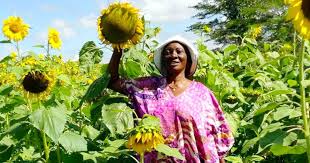
Sunflower farming in Kenya is a rapidly growing agricultural venture, transforming the country’s farming landscape. The rising demand for sunflower oil has created lucrative opportunities for farmers across the Rift Valley, western, and eastern regions.
Kenya currently faces a significant challenge in its sunflower oil market – local production meets only 40% of the domestic demand. This heavy reliance on imports presents a golden opportunity for Kenyan farmers to step in and boost local production.

Benefits of Expanding Sunflower Farming in Kenya
Expanding sunflower farming in Kenya can bring several benefits:
- Creating sustainable income streams for farmers
- Reducing the nation’s dependence on imported oil
- Supporting local agricultural processing industries
- Contributing to food security initiatives
The shift towards local sunflower production aligns with Kenya’s agricultural development goals. As health-conscious consumers increasingly prefer sunflower oil, farmers who venture into sunflower cultivation position themselves to tap into this growing market demand.
This guide walks you through essential aspects of successful sunflower farming in Kenya, from seed selection to market opportunities.
Climate and Soil Suitability for Sunflower Cultivation in Kenya
Kenya’s diverse climate creates ideal conditions for sunflower farming across multiple regions. The crop thrives particularly well in semi-arid areas, making it a valuable option for farmers in these zones. Sunflowers perform optimally in temperatures ranging from 20°C to 28°C, conditions commonly found in Kenya’s agricultural regions.
Key Climate Requirements:
- 6-8 hours of direct sunlight daily
- Annual rainfall of 500-750mm
- Altitude range of 0-2600m above sea level
- Moderate humidity levels
The plant’s natural drought tolerance allows it to flourish in areas where other crops might struggle. This resilience makes sunflowers particularly suitable for regions like the Rift Valley, Eastern, and Western Kenya.
Soil Requirements for Optimal Growth:
- Well-draining loamy soils
- pH levels between 6.0 and 7.5
- Deep soil profile (minimum 30cm)
- Good organic matter content
Your sunflower crop will thrive in areas with these soil characteristics:
- Rich in nutrients
- Free from waterlogging
- Good moisture retention capacity
- Adequate aeration
For instance, understanding the soil requirements for different fruit trees can provide insights into soil management practices that could also benefit sunflower cultivation.
The combination of Kenya’s climate and soil conditions in many regions creates an environment where sunflowers can achieve their full growth potential. These natural advantages, paired with proper farming techniques such as those outlined in a step-by-step guide to starting an avocado orchard, set the foundation for successful sunflower cultivation.
Moreover, the economic impact of quality seedlings on smallholder incomes is significant, as highlighted in this article about the economic impact of quality seedlings on smallholder incomes. This principle applies not only to fruit trees but also to sunflower cultivation.
In addition to traditional farming methods, embracing modern trends such as the future of e-commerce in agriculture can further enhance the success of sunflower farming in Kenya.

Key Steps to Successful Sunflower Farming in Kenya
The path to successful sunflower farming starts with selecting the right seeds and preparing your land properly. These foundational steps set the stage for a thriving sunflower crop.
1. Seed Selection and Land Preparation Techniques
Selecting Quality Seeds
- Kenya Fedha: A drought-tolerant variety with 40-45% oil content
- H8998: Known for high yields and adaptability to different regions
- Rekord: Popular for its disease resistance and consistent performance
Your choice of certified seeds impacts:
- Oil content yield
- Disease resistance
- Drought tolerance
- Market value
To ensure you select the best seeds, consider engaging with a professional avocado farming training session, which can provide valuable insights into seed selection.
Land Preparation Requirements
Deep Plowing
- Plow to a depth of 20-30 cm
- Break up compacted soil layers
- Improve root penetration
- Enhance water retention
Soil Bed Formation
- Clear all weeds and crop residues
- Level the field to prevent water logging
- Create ridges 75 cm apart
- Ensure proper drainage systems
Pre-planting Practices
- Test soil pH (adjust if needed)
- Remove stones and debris
- Apply base fertilizer
- Create planting rows with proper spacing
Before receiving your seedling delivery, it’s crucial to follow some expert advice on preparing your land which can greatly enhance your crop’s success rate.
The success rate of your sunflower crop depends heavily on these initial preparation steps. A well-prepared field reduces weed competition, improves water management, and creates optimal conditions for root development. Your attention to detail during land preparation directly influences plant establishment and eventual yield.
For small-scale farmers, manual land preparation methods work effectively. Larger operations benefit from mechanized equipment for uniform field preparation. The investment in proper land preparation pays off through improved germination rates and stronger plant development.
It’s also important to note that some of the best practices for caring for newly planted seedlings, such as those used in avocado farming, can be adapted for sunflower farming as well.
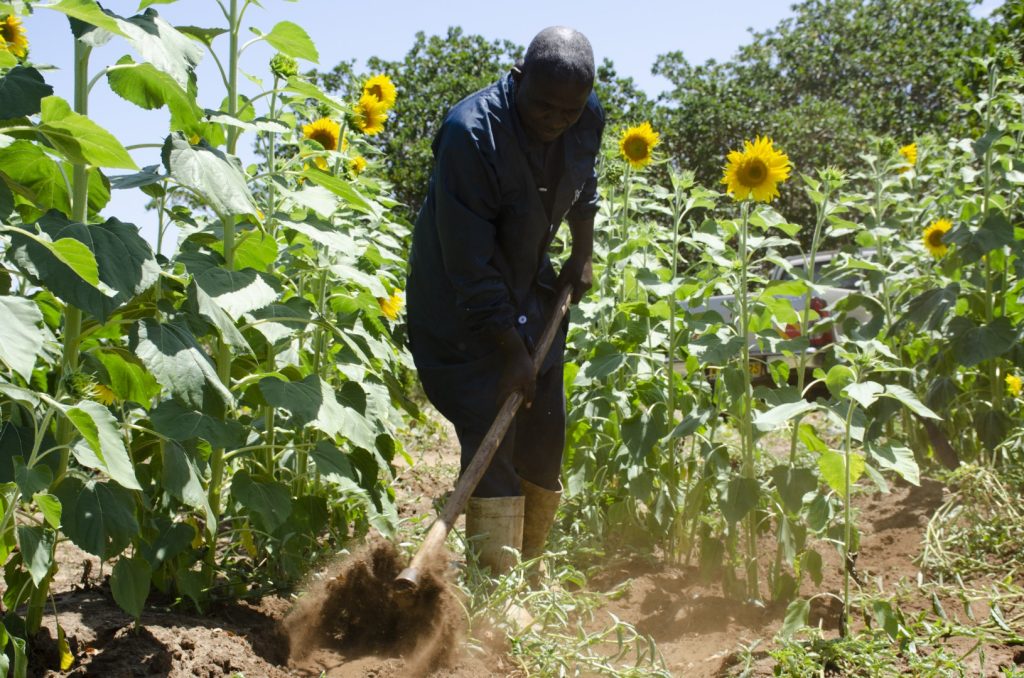
2. Planting Process and Fertilization Techniques to Maximize Sunflower Yield in Kenya
The [timing of planting](https://royalseedlings.com/seasonal-planting-calendar-for-fruit-seedlings-in-central-kenya) plays a crucial role in successful sunflower farming. Plant your sunflower seeds during Kenya’s two main rainy seasons:
- March to May (long rains)
- October to December (short rains)
Your planting depth should be 2.5-5 cm, with specific measurements based on soil type:
- Sandy soils: 5 cm deep
- Clay soils: 2.5 cm deep
Maintain proper spacing for optimal growth:
- Row spacing: 75 cm
- Plant spacing: 30-45 cm
- Population density: 44,444-53,333 plants per hectare
It’s essential to follow best practices for smallholder farmers when buying seedlings online, as this can significantly impact your yield.
Fertilization Requirements:
- At planting:
- Apply DAP fertilizer (100-150 kg/ha)
- Mix fertilizer with soil to prevent direct seed contact
- After 3-4 weeks:
- Top dress with CAN fertilizer
- Apply when soil moisture is adequate
Organic Options:
- Compost: 5-10 tons per hectare
- Well-decomposed manure: 3-5 tons per hectare
- Green manure: Incorporate leguminous crops before planting
Your sunflowers need 6-8 hours of direct sunlight daily. Position rows in a north-south direction to maximize light exposure and reduce competition between plants. This proper spacing will also help ensure optimal growth.
To further enhance your crop yield and quality, consider exploring advanced techniques such as [grafting](https://royalseedlings.com/the-science-behind-grafting-how-it-improves-crop-yield-and-quality), which have shown promising results in various farming sectors.
3. Crop Management Strategies for Thriving Sunflower Farms in Kenya
Successful sunflower farming requires vigilant crop management through strategic weed, pest, and disease control measures.
Weed Control and Soil Health
- Regular hand weeding during the first 4-6 weeks after planting
- Application of pre-emergence herbicides like Dual Gold or Stomp
- Mulching with organic materials to suppress weed growth
- Implementation of crop rotation to break weed cycles
Pest Management
- Install bird netting to protect developing seeds
- Use natural predators like ladybugs to control aphid populations
- Apply neem-based pesticides for cutworm control
- Set up yellow sticky traps to monitor pest presence
- Consider natural methods for preventing pest infestations, which can be beneficial not just for orchards but also for sunflower farms.
Disease Prevention
- Plant resistant varieties like Kenya Fedha to combat downy mildew
- Maintain proper plant spacing for adequate air circulation
- Remove infected plants to prevent disease spread
- Apply copper-based fungicides for rust control
Cultural Practices
- Monitor soil moisture levels regularly
- Remove volunteer plants that can harbor pests
- Keep field borders clean and weed-free
- Practice crop rotation with legumes or cereals
These management strategies create optimal growing conditions for sunflowers while minimizing potential yield losses from common threats. Regular field monitoring helps identify and address issues before they impact crop performance.
4. Harvesting Timeframe and Post-Harvest Practices to Ensure Quality Sunflower Seeds from Your Kenyan Farm
The success of your sunflower harvest hinges on precise timing and proper post-harvest handling. You’ll know your sunflowers are ready for harvest when:
- The back of the flower head turns yellow-brown
- Seeds display a black coloration with distinct stripes
- Seed moisture content reaches 30-35%
- Plants have lost most of their leaves
- The stem below the head turns brown
The harvesting process requires careful attention to maintain seed quality:
- Cut the heads – Use clean, sharp tools to cut the heads 15-20cm below the flower
- Initial drying – Place heads face-down in a well-ventilated area
- Moisture reduction – Dry seeds until moisture content drops to 8-10%
- Threshing options:
- Manual: Beat dried heads with sticks on clean tarpaulins
- Mechanical: Use specialized threshing machines for larger operations
Storage Requirements:
- Clean and grade seeds to remove debris
- Store in airtight containers or bags
- Keep storage area cool and dry (below 25°C)
- Maintain good ventilation
- Check regularly for pest infestation
- Label containers with harvest date and variety
For optimal long-term storage, consider following these best practices for long-term seed storage. Your properly stored sunflower seeds can maintain quality for up to 12 months when kept under optimal conditions.
In addition to sunflowers, if you’re considering diversifying your farm, you might want to explore avocado farming or mango farming. Each crop has its own unique set of challenges, such as common avocado seedling diseases or the decision of choosing between local and imported apple varieties, but with the right knowledge and practices, you can achieve a bountiful harvest in any venture.
Furthermore, it’s crucial to be aware of potential risks such as those associated with improper post-harvest practices which could lead to issues like mold growth. With careful management and adherence to these guidelines, you can significantly enhance the quality and longevity of your sunflower seeds.
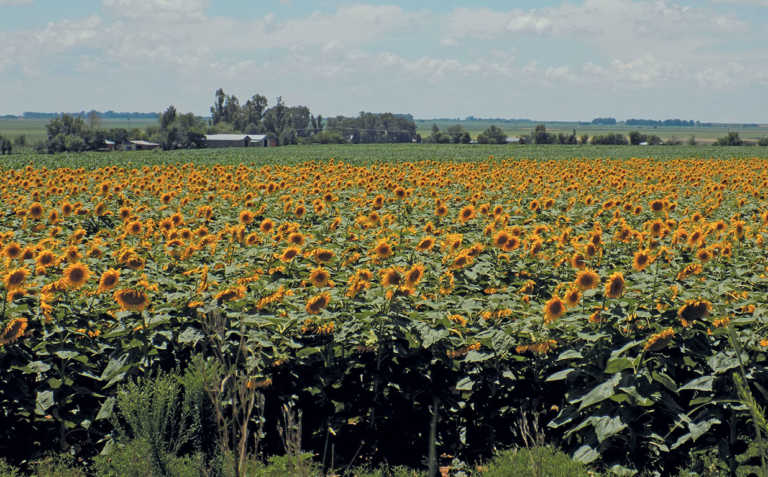
Market Opportunities and Challenges in Sunflower Farming Industry in Kenya
The sunflower farming industry in Kenya presents diverse market opportunities beyond traditional oil production. Local processors eagerly purchase sunflower seeds for oil extraction, creating a steady demand stream for farmers. The sunflower cake, a byproduct of oil processing, serves as valuable animal feed, opening additional revenue channels.
Key Market Opportunities:
- Direct sales to local oil processors
- Animal feed production from sunflower cake
- Regional export potential within East Africa, with specific focus on high-demand products like Hass avocados
- Value addition through small-scale oil processing
- Formation of farmer cooperatives for enhanced market access
Industry Challenges:
- Pest infestations affecting crop yield
- Disease outbreaks requiring constant monitoring
- Unpredictable rainfall patterns due to climate change
- Limited access to quality seeds and fertilizers
- Market price fluctuations
- Transportation constraints to processing facilities
The growing health consciousness among consumers drives increased demand for sunflower oil, creating room for market expansion. Local processing units offer opportunities for value addition, while government and NGO support programs provide essential training and financial assistance to farmers.
Regional markets in East Africa present export possibilities, particularly in Uganda and Tanzania. Farmer cooperatives strengthen bargaining power and create efficient distribution channels, enabling better returns for small-scale producers. Furthermore, exploring other lucrative farming options such as pomegranate farming, could diversify income sources for farmers. Aspiring commercial fruit growers can also benefit from training opportunities that equip them with necessary skills for successful farming ventures.
Conclusion
Sunflower farming stands as a promising agricultural venture in Kenya, offering substantial returns for dedicated farmers. The combination of favorable climate conditions, growing market demand, and potential for value addition creates a robust foundation for success.
Your journey into sunflower farming can transform idle land into a profitable enterprise. The crop’s adaptability to various regions, minimal water requirements, and short growing cycle make it an attractive option for both new and experienced farmers.
Key benefits of sunflower farming include:
- Reduced dependency on imported cooking oil
- Multiple revenue streams through oil production and animal feed
- Enhanced soil health through crop rotation
- Climate-resilient farming option
In addition to sunflower farming, you might also want to explore the benefits of grafted fruit seedlings, which could diversify your agricultural portfolio further.
Ready to start your sunflower farming journey? Begin by:
- Connecting with local agricultural extension officers
- Sourcing certified seeds from reputable suppliers
- Joining farmer groups or cooperatives
- Researching potential market partnerships
Take the first step toward agricultural success – your sunflower farm awaits.
Ready to start your sunflower farming venture?
Contact Royal Seedlings:
 Phone: +254 711315313
- Email: Julius.murega@royalseedlings.
com, - Website:www.royalseedlings.com
 Phone: +254 711315313
 Email:
  Website:
FAQs (Frequently Asked Questions)
What makes sunflower farming a profitable agricultural venture in Kenya?
Sunflower farming in Kenya is profitable due to the growing popularity and potential for increased local production of sunflower oil, which helps reduce dependency on imports. The crop’s adaptability to Kenya’s semi-arid climate and drought tolerance further enhance its viability as a lucrative farming option.
Which climate and soil conditions are ideal for sunflower cultivation in Kenya?
Sunflowers thrive in Kenya’s semi-arid regions where they benefit from drought-tolerant characteristics. The ideal soil for sunflower cultivation is well-drained with good fertility, allowing optimal growth and yield. Proper land preparation including deep plowing and weed clearance supports these conditions.
What are the key steps for successful sunflower farming in Kenya?
Successful sunflower farming in Kenya involves selecting certified, drought-tolerant, high-yield seeds such as Kenya Fedha and H8998 varieties; preparing land through deep plowing, weed clearance, and ridge formation; planting at the right time with correct seed depth and spacing; managing crops by controlling weeds, pests like cutworms and aphids, diseases such as downy mildew and rust; and timely harvesting followed by proper drying, threshing, and storage.
How can farmers maximize sunflower yield through fertilization and planting techniques?
Farmers can maximize yield by using certified seeds suited to local conditions, planting during ideal seasons with appropriate seed depth and spacing to ensure adequate sunlight exposure. Fertilization should be based on soil tests to provide balanced nutrients that support healthy plant growth throughout the crop cycle.
What post-harvest practices ensure quality sunflower seeds in Kenyan farms?
Post-harvest practices include harvesting when seed moisture content is optimal, identified through visual cues; drying seeds properly to prevent mold; using manual or mechanical threshing methods; and storing seeds under suitable conditions to maintain quality and extend shelf life.
What market opportunities and challenges exist for sunflower farmers in Kenya?
Market opportunities include producing sunflower oil for local consumption, animal feed from byproducts, and regional exports within East Africa. Challenges involve pest and disease pressures, impacts of climate change, limited access to quality inputs, and restricted market access. Addressing these challenges with proper management can unlock significant growth potential in the industry.