

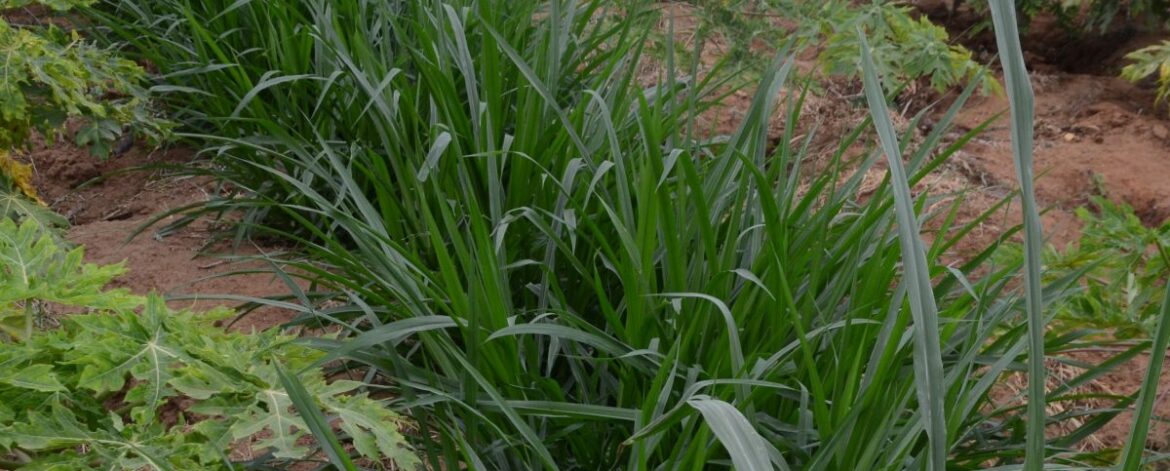
Super Napier Grass, known scientifically as the Pakchong Hybrid, is a significant advancement in the development of forage crops. This exceptional grass was created through the innovative efforts of Dr. Krailas Kiyothong in Thailand during the late 1960s.
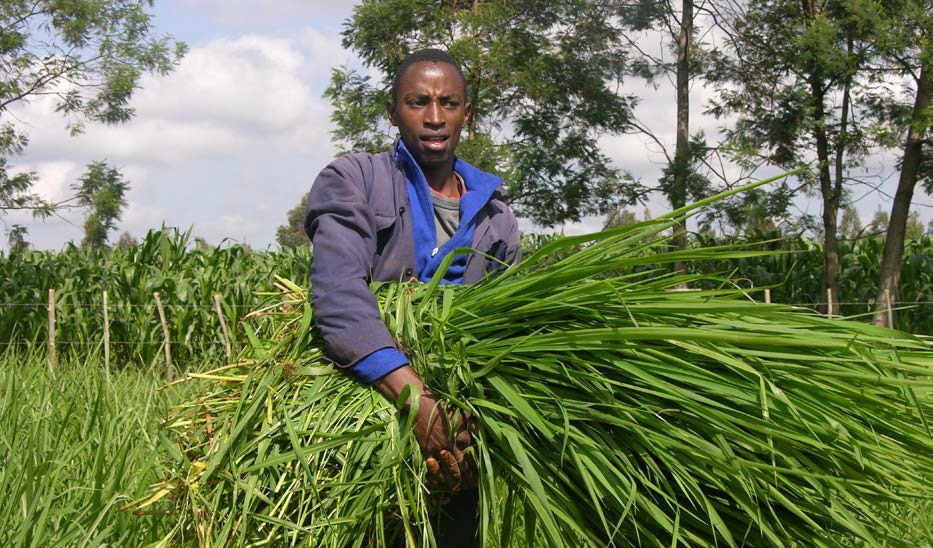
Dr. Kiyothong’s research aimed to develop an improved forage grass by combining the strong qualities of two different species: African Napier grass (Pennisetum purpureum) and pearl millet (Pennisetum glaucum). The resulting hybrid captured the best traits of both parent plants:
- The rapid growth and high biomass production of African Napier grass
- The nutritional density and adaptability of pearl millet
- Enhanced resistance to environmental stresses
The process of hybridization involved carefully selecting and crossing parent plants under controlled conditions. Dr. Kiyothong’s work at Thailand’s Pakchong Research Station led to the creation of a grass variety that would greatly benefit livestock farming throughout Southeast Asia and beyond.
This groundbreaking hybrid has transformed traditional farming methods, providing a sustainable solution for farmers in need of high-quality fodder production.
Key Characteristics of Super Napier Grass
Super Napier Grass stands out from traditional Napier varieties with its remarkable characteristics. This hybrid grass demonstrates superior performance across multiple metrics:
1. Exceptional Biomass Production
- Yields up to 200 tons per acre annually
- Doubles the output of traditional Napier grass
- Produces 7-8 harvests per year
- Maintains consistent growth throughout its 7-9 year lifespan
2. Rich Nutritional Profile
- 16-18% crude protein content (traditional varieties: 5-10%)
- Essential vitamins A, B-complex, C, E, and K
- High mineral content including:
- Calcium
- Magnesium
- Iron
- Zinc
- Balanced amino acid composition
- Enhanced dietary fiber
3. Growth and Cultivation Features
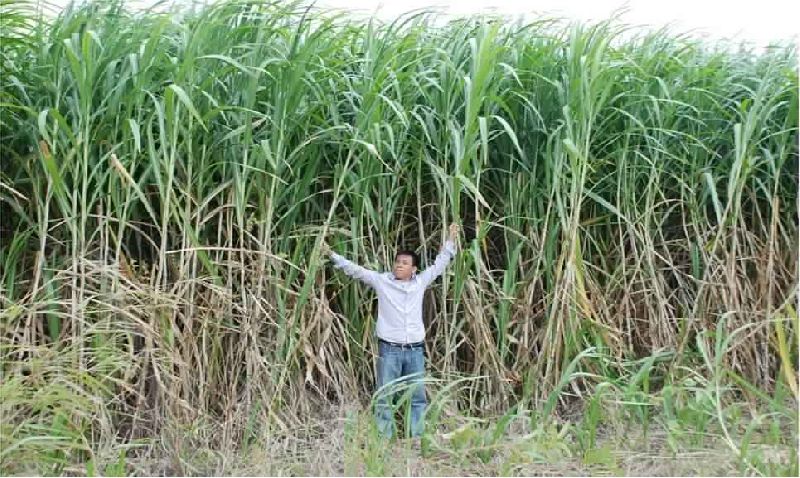
- Reaches heights of 3 meters within 60 days
- Thrives in well-drained soils
- Optimal pH range: 5.5-7.0
- Demonstrates strong drought resistance
- Adapts to various light conditions:
- Performs best under full sun
- Tolerates partial shade
- Dense foliage suppresses weed growth
- Resilient against common pests and diseases
The grass’s rapid growth rate and high nutrient density make it an ideal choice for intensive livestock farming operations. Its adaptability to diverse environmental conditions allows successful cultivation across different agricultural zones, while its robust nature ensures reliable yields even under challenging weather conditions.
For successful cultivation of Super Napier Grass or any other crop, it’s essential to choose a good nursery that possesses key qualities such as proper management and quality seedling production. You can read more about what makes a good nursery for your farming needs.
Moreover, when it comes to planting, there are some essential tips for caring for newly planted seedlings that can be beneficial. It’s also important to prepare your land adequately before receiving seedlings delivery.
Additionally, it’s worth noting that initiatives like those from Royal Seedlings are playing a crucial role in supporting women and youth in agribusiness, a sector that is increasingly becoming pivotal for economic empowerment and sustainability.

Growing Super Napier Grass starts with selecting healthy stem cuttings from mature plants aged 90-120 days. The ideal cutting should include:
- 3 visible nodes
- Green, disease-free stems
- 30-45 cm length
- No flowering parts
Planting Process:
- Prepare the soil by plowing to a depth of 20-25 cm
- Add organic matter or compost to enrich the soil
- Create furrows 30 cm apart
- Place cuttings at a 45-degree angle
- Space plants 10 cm apart within rows
- Cover with 2-3 cm of soil
- Water immediately after planting
Soil Requirements:
- pH level: 5.5-7.0
- Well-draining soil
- Full sun exposure
- Regular moisture
You can plant Super Napier Grass year-round in tropical climates, but for optimal results, you might want to consider aligning your planting schedule with the rainy season as per the seasonal planting calendar for fruit seedlings in central Kenya. The grass establishes root systems within 7-10 days under optimal conditions.
Common Planting Mistakes to Avoid:
- Planting cuttings too deep
- Using flowering stems
- Incorrect spacing
- Poor soil preparation
- Inadequate watering during establishment
The success rate of propagation reaches 95% when following these guidelines, leading to robust grass stands ready for first harvest within 90 days.
While this guide focuses on Super Napier Grass, it’s also valuable to understand how to prevent diseases in other types of seedlings, such as avocado, which can be found in this farmer’s guide. Additionally, if you’re considering diversifying your farm with apple or mango trees, resources on choosing between local and imported apple varieties for Kenyan climates and selecting the right mango variety for your Kenyan farm could prove beneficial.
Lastly, keeping abreast of the future trends in e-commerce in agriculture could provide insights into optimizing your farming business.
Harvesting and Storage Techniques for Super Napier Grass
The optimal harvest time for Super Napier Grass arrives at the 90-day mark, when the grass reaches a height of 1 to 1.5 meters. This timing ensures maximum nutritional value and biomass yield.
Key Harvesting Guidelines:
- Cut the grass 10-15 cm above ground level
- Use sharp tools to prevent damage to the stems
- Harvest during dry weather conditions
- Remove any diseased or yellowed leaves
You can utilize Super Napier Grass in two primary ways:
Fresh Feeding
- Feed directly to livestock within 24 hours of harvest
- Cut into smaller pieces (2-3 inches) for easier consumption
- Mix with other feed materials for balanced nutrition
Storage Options
- Air-dry the grass for 2-3 days in direct sunlight
- Create silage by:
- Chopping grass into small pieces
- Compressing in airtight containers
- Adding molasses (3-4% of grass weight)
- Storing for 21 days before use
The stored grass maintains its nutritional value for up to 6 months when properly preserved. Regular quality checks help identify any signs of spoilage or mold growth. Proper storage techniques preserve the grass’s 16-18% crude protein content and essential nutrients, ensuring year-round availability of high-quality fodder for your livestock.
Furthermore, incorporating advanced agricultural techniques such as grafting can significantly enhance crop yield and quality, making it a valuable practice to consider in your farming strategy.

Benefits of Super Napier Grass in Livestock Farming
Super Napier Grass is changing the game for livestock farming with its outstanding nutritional benefits and affordable production methods. This grass has a high protein content of 16-18%, which directly boosts milk production in dairy cattle, resulting in increases of up to 30% in yield.
Benefits for Livestock Growth
The impact on livestock growth rates is significant:
- Cattle gain weight 20% faster compared to traditional feed
- Improved feed conversion ratio leads to efficient meat production
- Enhanced reproductive performance in breeding stock
- Stronger immune systems reduce veterinary costs
Financial Advantages for Farmers
The financial benefits for farmers are substantial:
- Reduced Feed Costs: A single acre produces enough fodder for 4-5 dairy cows annually
- Year-round Availability: Multiple harvests eliminate seasonal feed shortages
- Lower Labor Requirements: Concentrated growing area means less time spent on feed collection
- Minimal Storage Needs: Fresh feeding options reduce storage infrastructure costs
Nutritional Efficiency
With a high digestibility rate of 65-70%, animals extract maximum nutritional value from each feeding. This efficiency translates to:
- Less feed waste
- Better nutrient absorption
- Improved milk fat content
- Higher quality meat production
Benefits for Small-scale Farmers
Small-scale farmers particularly benefit from the grass’s space efficiency – a quarter-acre plot can sustain two dairy cows throughout the year. The grass’s rapid regrowth after cutting ensures consistent feed supply, eliminating the need for expensive supplementary feeds during dry seasons.
Improved Animal Performance
Moreover, the grass’s palatability encourages higher feed intake, leading to improved animal performance. Farmers report their livestock maintain better body condition scores and show increased resistance to common diseases when fed Super Napier Grass as their primary fodder source.
Interestingly, the principles of effective farming extend beyond livestock. For instance, professional avocado farming training can provide valuable insights into crop management. Understanding the benefits of grafted fruit seedlings can also enhance fruit yield and quality.
However, it’s crucial to avoid common pitfalls in avocado farming, which could hinder productivity. Similarly, those venturing into pixie orange farming should adhere to best practices for optimal results.
In Kenya, particularly in regions like Muranga, quality Hass avocado seedling production is thriving, thanks to the adoption of advanced farming techniques.
Challenges in Super Napier Grass Farming and Their Solutions
Super Napier Grass farming presents specific challenges that require careful management strategies. Here’s what you need to know about handling these challenges effectively:
Invasiveness Management
- Create physical barriers around your Super Napier Grass plots using deep trenches.
- Implement regular cutting schedules every 45-60 days to prevent seed formation.
- Maintain a 3-meter buffer zone between Super Napier plots and other crops, which is crucial for proper spacing to avoid invasive spread.
- Monitor and remove any grass spreading beyond designated boundaries.
Nutrient Management Requirements
- Apply balanced NPK fertilizer (20:10:10) at planting time.
- Add organic manure every 3-4 months to maintain soil fertility.
- Test soil pH levels regularly – maintain between 5.5 and 7.0.
- Schedule periodic soil testing to track nutrient depletion.
Practical Solutions for Long-term Success
- Install drip irrigation systems to optimize water usage.
- Practice crop rotation in adjacent plots to prevent soil exhaustion.
- Use mulching techniques to conserve soil moisture.
- Implement integrated pest management strategies.
Management Tips for Different Seasons
- Dry Season: Increase irrigation frequency and mulch application.
- Wet Season: Enhance drainage systems to prevent waterlogging.
- Growing Season: Monitor nutrient levels closely.
- Dormant Period: Focus on boundary control and maintenance.
These management practices are essential for maintaining healthy Super Napier Grass plots while preventing unwanted spread and ensuring optimal nutrient availability for sustained productivity.
Adoption of Super Napier Grass in Kenya: A Case Study
In 2018, Kenya’s agricultural landscape underwent a significant change with the introduction of Super Napier Grass. The initial adoption started in Kiambu County and quickly spread to other regions known for dairy farming, such as Nakuru, Nyandarua, and Uasin Gishu.
Key Implementation Milestones:
- First demonstration farms established in Kiambu County
- Training programs launched for local farmers
- Development of regional seed multiplication centers
- Creation of farmer-to-farmer knowledge networks
The impact on Kenya’s dairy sector has been remarkable. A study conducted by the Kenya Agricultural Research Institute revealed:
“Dairy farms using Super Napier Grass reported a 40% increase in milk production within the first six months of implementation”
Documented Benefits for Kenyan Farmers:
- Milk production increased from 8 to 12 liters per cow daily
- Feed costs reduced by 35%
- Year-round fodder availability
- Enhanced farm sustainability
Small-scale farmers particularly benefited from the grass’s high yield potential. A single acre can support 3-4 dairy cows throughout the year, compared to 1-2 cows with traditional fodder systems.
The success in Kenya has sparked interest across East Africa. Local agricultural extension services report:
- 75% adoption rate among trained farmers
- 60% reduction in feed importation
- Creation of new income streams through grass cutting sales
- Improved soil conservation practices
The Kenyan experience demonstrates Super Napier’s potential to revolutionize dairy farming practices in developing nations. Progressive farmers like John Kamau from Githunguri showcase the transformation: “My dairy operation has doubled in size since switching to Super Napier. The grass grows faster, feeds better, and saves money.”
This success story is not limited to dairy farming alone. The adoption of other agricultural practices such as avocado farming is also gaining momentum. Understanding soil requirements for different fruit trees is crucial for these ventures. Additionally, smallholder farmers are advised to follow certain best practices when buying avocado seedlings online.
Moreover, there are also opportunities and challenges in pomegranate farming which could further diversify the agricultural landscape of Kenya.
Conclusion: Embracing Super Napier Grass for Sustainable Livestock Farming
Super Napier Grass is an innovative fodder solution that transforms traditional livestock farming practices. The grass delivers exceptional results through:
- Sustained high yields reaching 200 tons per acre annually
- Superior nutritional content with 16-18% crude protein
- Reduced feed costs through year-round availability
- Enhanced milk production and animal growth rates
- Minimal maintenance requirements
The economic benefits of Super Napier Grass create significant advantages for farmers, including lower production costs compared to commercial feed supplements. Other benefits include:
- Increased profit margins through improved livestock productivity
- Reduced dependency on external feed sources
- Long-term cost savings with a 7-9 year productive lifespan
- Minimized transportation expenses for feed procurement
This hybrid grass proves its worth as a sustainable farming solution, combining high productivity with resource efficiency. Its adaptability to various ecological zones and resilience to environmental stresses positions it as a reliable choice for modern livestock operations.
Call to Action
Ready to transform your livestock farming with Super Napier Grass? Here’s what you can do right now:
- Connect with Agricultural Extension Officers in your area to learn about local growing conditions and get hands-on guidance
- Join Local Farming Groups to share experiences and source quality stem cuttings from successful Super Napier Grass farmers
- Start Small – dedicate a test plot to grow Super Napier Grass and scale up based on your results
- Document Your Journey – track growth rates, yields, and livestock response to optimize your farming practices
Want to learn more? Visit your local agricultural research station or reach out to experienced Super Napier Grass farmers in your community. Your sustainable farming future starts today.
Share your Super Napier Grass farming experience in the comments below – we’d love to hear your story!
Ready to start Napier grass farming ?
Contact Royal Seedlings:
 Phone: +254 711315313
- Email: Julius.murega@royalseedlings.
com, - Website:www.royalseedlings.com
 Phone: +254 711315313
 Email:
  Website:
FAQs (Frequently Asked Questions)
What is Super Napier Grass (Pakchong Hybrid) and how was it developed?
Super Napier Grass, also known as Pakchong Hybrid, is a high-yielding forage grass developed by Dr. Krailas Kiyothong in Thailand through hybridization of African Napier grass and pearl millet.
What are the key characteristics and nutritional benefits of Super Napier Grass?
Super Napier Grass offers high biomass production with yield potential up to 200 tons per acre annually. It contains significant protein content and essential nutrients, making it superior to traditional Napier grass in both growth rate and nutritional value.
How is Super Napier Grass propagated and planted for optimal growth?
Propagation of Super Napier Grass is achieved through stem cuttings taken from healthy plants. Planting guidelines emphasize proper spacing and soil preparation to ensure rapid growth and maximum biomass production.
When should Super Napier Grass be harvested and what are the storage options?
The ideal harvesting timeline for Super Napier Grass is after 90 days of growth. It can be used fresh as livestock feed or dried for silage storage, providing flexibility for farmers based on their feeding strategies.
What benefits does Super Napier Grass provide in livestock farming?
Super Napier Grass enhances livestock productivity by supplying high-quality fodder that supports growth. Its high yield reduces feed costs, offering significant financial benefits to farmers through improved dairy and meat production.
What challenges might farmers face when cultivating Super Napier Grass, and how can these be managed?
Challenges include managing the invasiveness of the grass through regular cutting and boundary controls, as well as ensuring proper nutrient management to sustain long-term productivity. Implementing these practices helps maintain healthy crops and prevents environmental issues.