

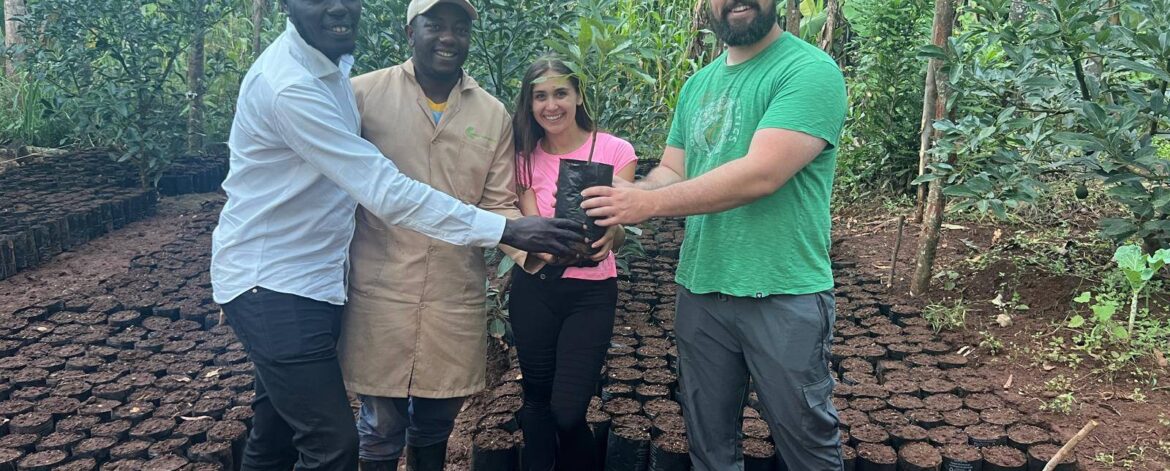
Hass avocado farming has become a major force in Kenya’s agriculture, boosting rural economies and creating significant export opportunities. Farmers in areas like Nyeri, Kiambu, Meru, and Murang’a are increasingly interested in this high-value crop, with cultivation expanding from 13,305 hectares in 2015 to over 20,000 hectares by 2017.
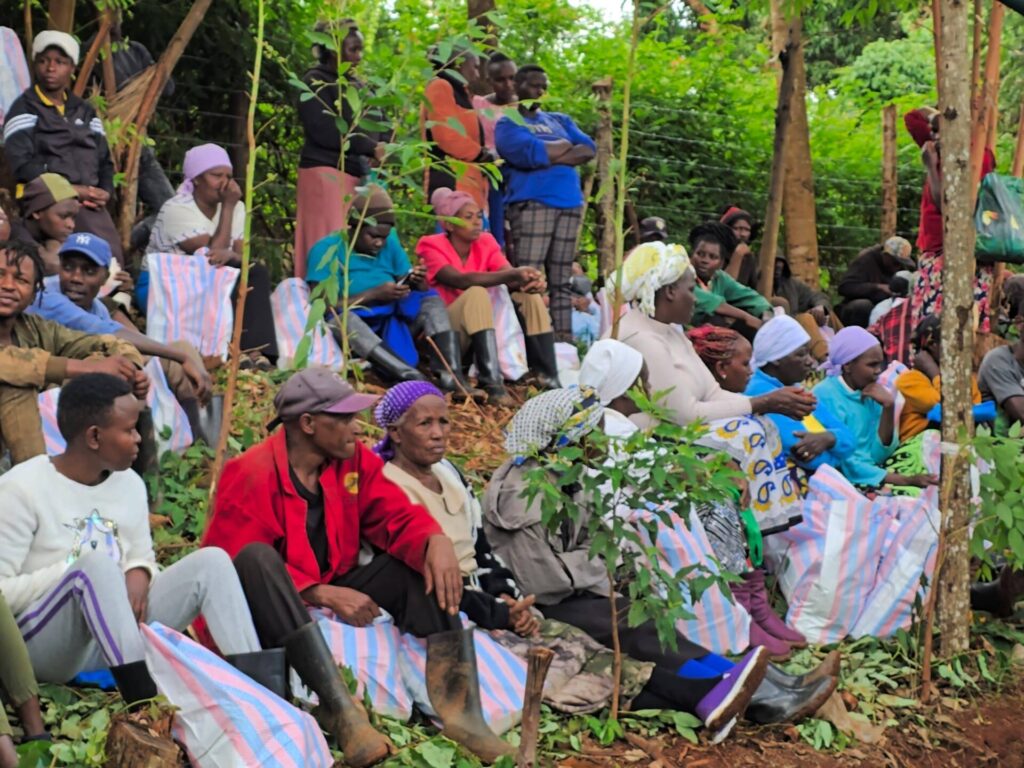
The growing global demand for Hass avocados has positioned Kenya as a key player in international markets, especially in:
- The United Kingdom
- The Netherlands
- Egypt
Kenyan Hass avocados are known for their:
- Long shelf life
- Rich, creamy texture
- High nutritional value
- Strong market demand
The success of the industry can be attributed to the support from organizations like the Avocado Society of Kenya and government initiatives promoting certified seedlings and advanced farming practices.
This comprehensive guide provides you with the essential knowledge needed to start and maintain a successful Hass avocado farm in Kenya’s fertile lands.
Climate and Soil Requirements for Hass Avocado Farming in Kenya
Successful Hass avocado farming in Kenya depends on specific environmental conditions that directly impact fruit quality and yield. Here’s what you need to know about the ideal growing conditions:
Altitude Requirements
- Optimal growing range: 1,000 to 2,100 meters above sea level
- Best production zones: Nyeri, Kiambu, Meru, and Murang’a highlands
- Higher altitudes reduce pest pressure and disease incidence
Temperature Conditions
- Ideal temperature range: 25°C to 28°C
- Trees can tolerate brief periods of cooler temperatures
- Extreme heat (above 30°C) affects fruit development and quality
Rainfall Needs
- Annual rainfall requirement: 1,000 to 1,600mm
- Well-distributed rainfall throughout the year
- Supplementary irrigation needed during dry spells
- Young trees need consistent moisture for establishment
Soil Requirements
- pH range: 5.0 to 7.0
- Deep, well-draining soils rich in organic matter
- Loamy or sandy loam textures preferred
- Understanding soil requirements for different fruit trees in Kenya is essential for success
- Avoid waterlogged areas or heavy clay soils
Your avocado trees will thrive in areas with good air circulation and protection from strong winds. The combination of these environmental factors creates the perfect microclimate for healthy tree growth and optimal fruit production.
For those interested in expanding their agricultural ventures, exploring other options like pomegranate farming could be beneficial. Additionally, understanding the seasonal planting calendar for fruit seedlings in central Kenya may also aid in planning and maximizing yield.

Planting Techniques and Tree Spacing for Successful Hass Avocado Farming
Grafted seedlings are the foundation of a thriving Hass avocado orchard. These specially designed seedlings combine strong rootstock with top-quality Hass scions, providing:
- Improved resistance to diseases
- Earlier fruit production (2-3 years)
- Consistent fruit quality
- Higher yields per tree
To understand more about what to expect from a professional avocado farming training session, you can explore this resource.
Optimal Tree Spacing
The standard spacing for Hass avocado trees in Kenya is 5×5 meters, accommodating approximately 150 trees per acre. This spacing configuration:
- Maximizes sunlight penetration
- Promotes proper air circulation
- Reduces disease spread
- Facilitates easy harvesting
- Allows machinery access
For a comprehensive understanding of how to start an avocado orchard in Kenya, refer to this step-by-step guide.
Planting Process
Your planting success depends on these critical steps:
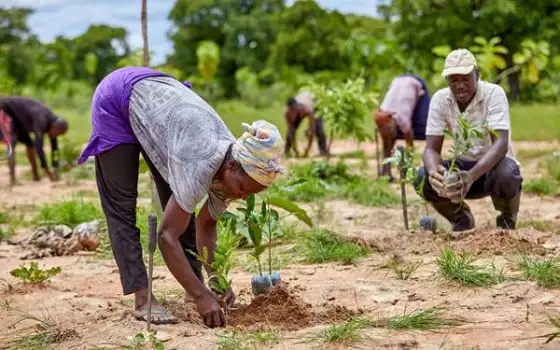
- Dig holes measuring 60x60x60 cm
- Mix topsoil with 20kg of well-decomposed manure
- Add 250g of DAP fertilizer to the mixture
- Place the grafted seedling at the same depth as its nursery level
- Create a water basin around each tree
- Apply mulch in a 1-meter radius around the stem
Protection Measures
Young trees require:
- Staking against strong winds
- Protective guards against livestock damage
- Regular watering during the first 3 months
- Mulching to retain soil moisture
For those interested in online purchases of avocado seedlings, this FAQ section could provide valuable insights.
Additionally, if you’re considering expanding your farming portfolio, exploring other crops like Pixie Oranges might be worthwhile. You can find a complete guide for beginners on Pixie Orange farming here.
Lastly, it’s crucial to know how to care for newly planted avocado seedlings properly. Here are some essential tips for their care.
Effective Farm Management Practices for Hass Avocado Farmers in Kenya
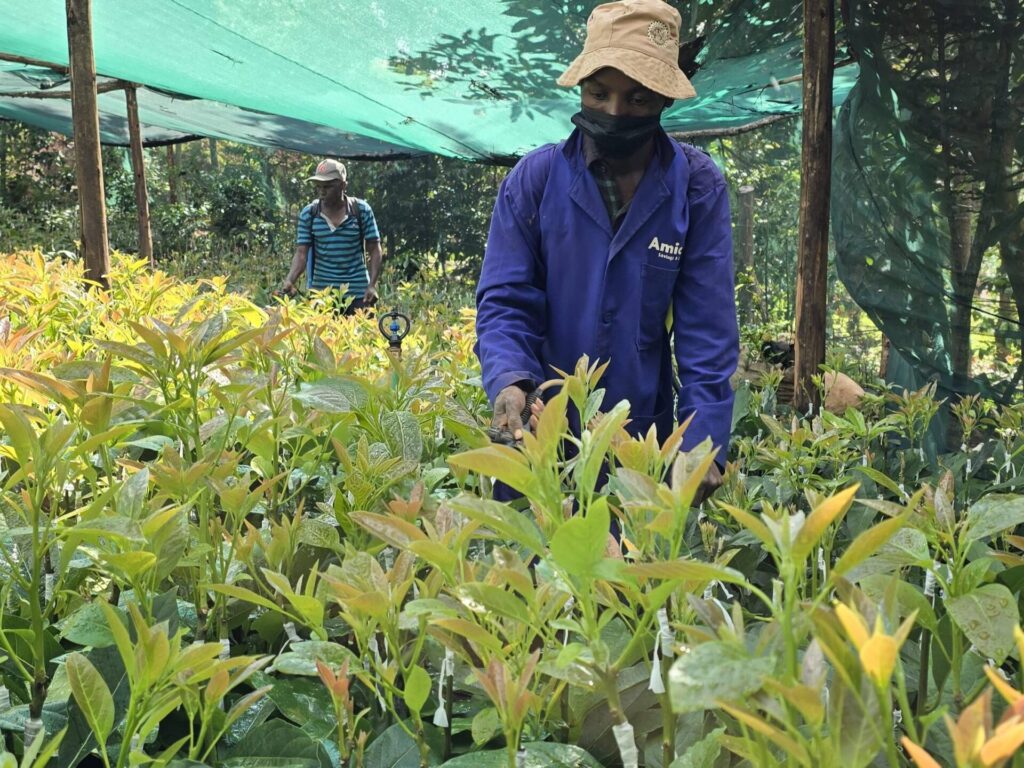
Successful Hass avocado farming demands meticulous land preparation. Start with deep plowing at a 30cm depth to break compacted soil layers. Create planting holes measuring 60cm x 60cm x 60cm, separating topsoil from subsoil during excavation.
While preparing the land, it’s essential to avoid common avocado farming mistakes that could hinder growth and yield.
Essential Fertilization Guidelines:
- Apply 20kg of well-decomposed manure mixed with topsoil during planting
- Add 100g DAP fertilizer per hole at planting time
- Feed young trees with NPK 17:17:17 fertilizer every 4 months
- Increase fertilizer quantities as trees mature, based on soil test results
Pruning Requirements:
- Remove dead branches and water shoots regularly
- Shape young trees to develop strong branch framework
- Thin out dense canopy to improve light penetration
- Maintain tree height at 6 meters for easier management
Pest Management Strategy:
- Install yellow sticky traps to monitor fruit fly populations
- Apply neem-based products for thrips control
- Use pheromone traps for false codling moth management
- Implement regular scouting schedules to detect pest issues early
Create drainage channels around your orchard to prevent waterlogging. Mulch trees with dry grass or crop residues to conserve soil moisture and suppress weed growth. Monitor soil moisture levels regularly, especially during dry seasons, to maintain consistent fruit development.
When it comes to sourcing avocado seedlings, best practices for smallholder farmers buying avocado seedlings online should be followed. This ensures that you acquire quality seedlings which have a significant economic impact on smallholder incomes.
Remember to keep detailed records of all farm management activities, including fertilizer applications, pruning dates, and pest control measures. These records help track tree performance and optimize future management decisions. Additionally, understanding [the science behind grafting](https://royalseedlings.com/the-science-behind-grafting-how-it-improves-crop-yield-and-quality) can further improve crop yield and quality.
Disease Control Measures and Harvesting Guidelines for High-Quality Hass Avocados
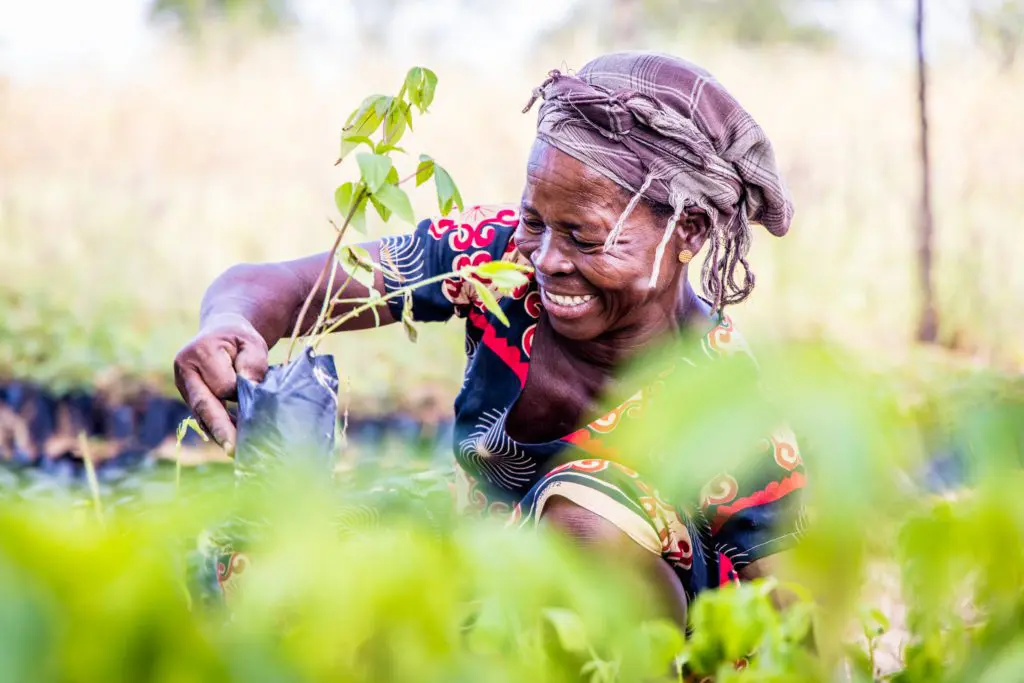
Disease control in Hass avocado farming requires vigilant monitoring and proactive management. Root rot disease poses a significant threat to avocado orchards, capable of destroying entire trees if left unchecked.
Essential Disease Control Practices:
- Install proper drainage systems to prevent water logging
- Apply copper-based fungicides during wet seasons
- Remove infected plant material promptly
- Maintain adequate spacing between trees for air circulation
Harvesting Best Practices:**
- Pick fruits when they reach maturity (8-9 months after flowering)
- Handle fruits gently to prevent bruising
- Harvest during dry weather to minimize disease spread
- Use clean, sanitized picking tools
Post-Harvest Handling:**
- Store fruits at 5-13°C for optimal shelf life
- Sort avocados by size and quality grade
- Pack in clean, ventilated crates
- Transport during cooler hours to maintain fruit quality
Root rot prevention starts with site selection and soil preparation. Raised beds and proper irrigation management help maintain optimal soil moisture levels. Regular inspection of tree trunks and roots allows early detection of potential issues, enabling timely intervention with appropriate fungicides.
Overcoming Challenges Faced by Kenyan Farmers in the Hass Avocado Industry
Kenyan Hass avocado farmers face distinct challenges that impact their production and market access. The availability of poor-quality seedlings in local markets creates a significant setback, leading to reduced yields and compromised fruit quality. You can protect your investment by sourcing certified seedlings from registered nurseries, which have key qualities that ensure better quality.
Pest Infestations
Pest infestations present persistent threats to avocado orchards:
- Fruit flies
- False codling moths
- Thrips
- Scale insects
These pests require integrated management approaches combining biological controls, traps, and approved pesticides. For instance, you can explore natural methods for preventing pest infestations which could be more sustainable in the long run.
Disease Susceptibility
Moreover, high susceptibility of seedlings to various diseases is another hurdle. Understanding common avocado seedling diseases and how to prevent them could significantly improve seedling survival rates and overall yield.
Transportation Difficulties
Transportation difficulties create substantial hurdles for farmers:
- Limited access to refrigerated vehicles
- Poor road infrastructure in rural areas
- Long distances to processing facilities
- Inadequate storage facilities
Rural infrastructure challenges affect fruit quality during transit. You can minimize these impacts by:
- Harvesting during cooler hours
- Using protective packaging
- Coordinating with reliable transport providers
- Joining farmer cooperatives for shared logistics
The high cost of farm inputs, limited access to credit, and fluctuating market prices add complexity to avocado farming operations. Successful farmers adapt by implementing cost-effective farming practices and building strong market connections.
In addition, it’s important to consider the broader implications of these challenges, including their impact on food security and nutrition in Kenya.
Exploring Opportunities for Growth in the Kenyan Hass Avocado Market
The global Hass avocado market presents lucrative opportunities for Kenyan farmers. Current market trends show a surge in demand across Europe, with countries like the Netherlands, France, and Germany leading consumption rates. Asian markets, particularly China and Japan, are emerging as promising destinations for Kenyan avocado exports. In fact, exploring export markets could significantly enhance profitability for local farmers.
Key Market Opportunities:
- Direct export partnerships with international retailers
- Premium pricing for organic certified avocados
- Growing demand in Middle Eastern markets
- Expansion into Asian territories
- Supply contracts with local and international processors
Value Addition Ventures:
- Avocado oil production for cooking and cosmetics
- Dried avocado products
- Avocado-based beauty products
- Frozen avocado pulp
- Ready-to-eat guacamole production
The processing sector offers significant potential for farmers looking to diversify their income streams. Avocado oil extraction facilities in Kenya currently operate below capacity, creating opportunities for farmers to supply processing plants. Local entrepreneurs can tap into the beauty industry by developing avocado-based skincare products, capitalizing on the fruit’s natural properties. For those interested in entering the avocado oil market, there are numerous resources available.
Market Positioning Strategies:
- Organic certification for premium market access
- Fair trade certification
- Global GAP compliance
- Implementation of traceability systems
- Quality assurance programs
These certifications enable Kenyan farmers to access high-value markets and negotiate better prices for their produce. The growing health consciousness among global consumers continues to drive demand for Hass avocados, positioning Kenya as a strategic supplier in the international market. Additionally, aspiring commercial fruit growers in regions such as Muranga County can benefit from training opportunities that equip them with necessary skills and knowledge.
Government Support Policies Enhancing Success Factors in Avocado Farming Business Ventures
The Kenyan government has implemented strategic policies to boost the avocado farming sector. These initiatives create a robust support system for both new and established farmers:
Key Government Support Programs:
- Agricultural extension services providing hands-on training in grafted seedlings selection
- Subsidized certification programs for organic farming practices
- Financial aid packages through agricultural development banks
- Research funding for pest-resistant avocado varieties
Farmer Cooperative Support:
- Tax incentives for registered farmer cooperatives
- Streamlined export licensing procedures
- Market linkage programs connecting farmers with international buyers
- Collective bargaining power enhancement through cooperative structures
The Kenya Plant Health Inspectorate Service (KEPHIS) maintains strict quality standards for nurseries producing grafted seedlings. This regulatory framework ensures farmers access high-quality planting materials, reducing crop failure risks.
Local agricultural offices offer specialized training programs covering:
- Modern farming techniques
- Post-harvest handling
- Quality control measures
- International market compliance standards
These government initiatives have strengthened Kenya’s position in the global avocado market, creating sustainable growth opportunities for local farmers.
Conclusion: Embracing Best Practices for Sustainable Success as a Kenyan Farmer
Successful Hass avocado farming requires dedication to proven agricultural practices and market-driven strategies. Your commitment to implementing proper soil management, effective pest control, and strategic irrigation positions you strongly in the competitive global market.
Key Success Factors:
- Adopt organic farming methods to tap into premium market segments
- Pursue fair trade certification to enhance product value
- Maintain consistent quality through standardized harvesting practices
- Build strong relationships with reliable export partners
- Stay updated on international market requirements and trends
The growing demand for Kenyan Hass avocados creates opportunities for farmers who align their practices with global standards. Your investment in quality seedlings, such as those sourced from Royal Seedlings, proper farm management, and certification programs sets the foundation for sustainable growth in the international avocado market.
Additionally, being aware of the future of e-commerce in agriculture can provide valuable insights into emerging trends that could further enhance your farming success.
Call to Action: Order Your Quality Seedlings Today!
Start your successful Hass avocado farming journey with certified, high-quality seedlings from Royal Seedlings. We provide:
- Premium Grafted Seedlings: Disease-resistant varieties proven to thrive in Kenyan conditions. Understanding the benefits of grafted fruit seedlings can give you an edge in farming.
- Expert Growing Support: Personalized guidance from our experienced agricultural team. We also offer expert advice on preparing your land before receiving seedlings delivery.
- Guaranteed Plant Health: Each seedling undergoes rigorous quality checks.
- Delivery Services: Available across Kenya’s major farming regions.
Your success in Hass avocado farming starts with selecting the right seedlings. Royal Seedlings has helped hundreds of Kenyan farmers establish profitable avocado orchards through our quality planting materials.
Ready to begin your avocado farming venture?
Contact us through:
- 📞 Phone: 0711315313
- ✉️ Email: julius.murega@royalseedlings.com
Limited stock available – secure your premium Hass avocado seedlings today.
Special Offer: Bulk orders qualify for discounted rates and free delivery within select regions. Ask about our current promotions when you reach out.
[Book your seedlings now and join Kenya’s growing community of successful Hass avocado farmers]. Remember, proper spacing when planting fruit trees is crucial for optimal growth and yield, so be sure to consider the importance of proper spacing when you start your planting.
FAQs (Frequently Asked Questions)
What are the ideal climate and soil conditions for Hass avocado farming in Kenya?
Hass avocado farming in Kenya thrives best at specific altitudes with optimal temperature ranges suitable for avocado growth. Adequate rainfall is essential to support healthy tree development, while soil pH levels must be balanced to promote nutrient absorption and fruit production. Ensuring these climatic and soil requirements helps maximize yield and fruit quality.
Why is using grafted seedlings important in establishing a successful Hass avocado orchard?
Grafted seedlings are crucial because they combine the desirable traits of rootstocks and scions, leading to improved disease resistance, better fruit quality, and faster maturity. Utilizing grafted seedlings ensures a higher success rate in orchard establishment and contributes significantly to sustained productivity in Hass avocado farming.
What farm management practices should Kenyan farmers adopt for effective Hass avocado cultivation?
Effective farm management includes thorough land preparation through deep plowing and hole digging, implementing fertilization schedules tailored to the nutritional needs of avocado trees, regular pruning to maintain tree structure and fruit quality, and proactive pest management strategies to protect the orchard from common threats. These practices collectively enhance tree health and maximize yields.
How can Kenyan farmers control diseases like root rot and anthracnose in their Hass avocado orchards?
Disease control involves ensuring proper drainage to prevent waterlogging that causes root rot, timely pruning to remove infected branches, and applying appropriate treatments against fungal infections such as anthracnose. Implementing these measures reduces disease incidence, preserving tree vitality and fruit quality.
What challenges do Kenyan Hass avocado farmers face, and how can they overcome them?
Common challenges include poor-quality seedlings, pest infestations, and transportation difficulties due to rural infrastructure limitations. Overcoming these requires sourcing certified grafted seedlings, adopting integrated pest management practices, and collaborating with local cooperatives or government programs that improve logistics and market access.
What opportunities exist for growth in the Kenyan Hass avocado market?
Kenya’s growing global demand for Hass avocados presents significant export opportunities. Farmers can explore value addition through products like avocado oil or dried avocados to increase profitability. Additionally, government support policies offer training programs, access to quality planting materials, and cooperative development that enhance success factors in this expanding industry.