

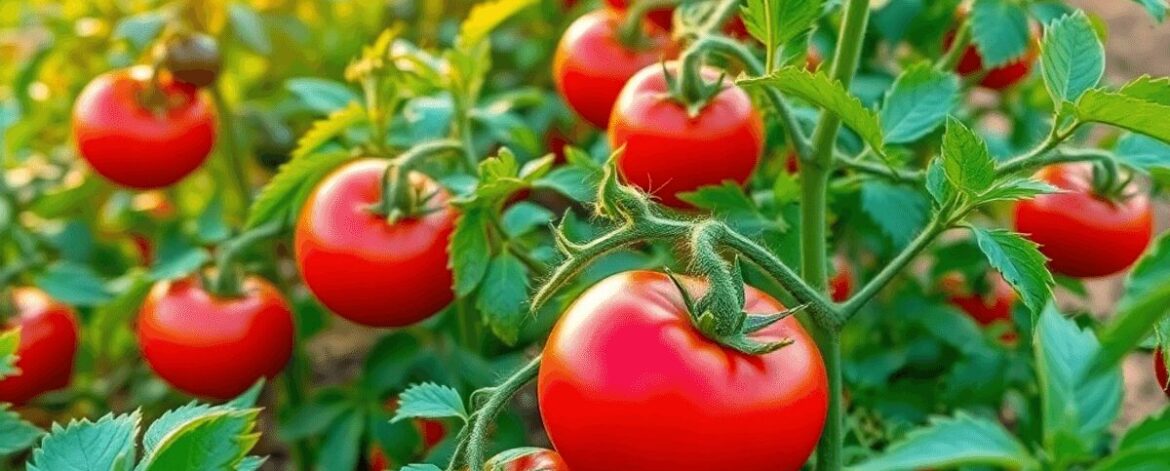
Tomato farming is a vital part of Kenya’s agriculture, providing significant income opportunities for both small-scale and commercial farmers. This versatile crop has become one of the most profitable ventures in Kenyan horticulture, with demand consistently exceeding supply in local markets.
However, your success in tomato farming depends on understanding and implementing proven cultivation practices. This comprehensive guide equips you with essential knowledge to start and maintain a thriving tomato farm in Kenya’s diverse agricultural zones.

Key Benefits of Tomato Farming in Kenya:
- High market demand throughout the year
- Quick returns – harvest possible within 70-75 days
- Multiple harvesting cycles from a single planting
- Adaptability to both open field and greenhouse cultivation
- Strong potential for value addition through processing
The Kenyan climate provides ideal conditions for tomato cultivation, supporting year-round production when proper farming techniques are applied. You’ll find both traditional and modern farming methods detailed in this guide, helping you maximize your yield while minimizing common challenges.
What You’ll Learn:
- Soil preparation and nursery management
- Transplanting techniques and timing
- Water management strategies
- Pest and disease control measures
- Harvesting best practices
- Post-harvest handling methods
This guide transforms complex farming concepts into practical, actionable steps, enabling you to establish and maintain a successful tomato farming enterprise in Kenya.
While this guide focuses on tomato farming, it’s worth noting that similar principles can be applied to other crops such as avocados. For instance, if you’re interested in diversifying your farming portfolio, you might consider professional avocado farming training. Such training sessions provide invaluable insights into the nuances of avocado cultivation, which shares some similarities with tomato farming.
Additionally, if you’re contemplating starting an avocado orchard, this guide will serve as a beneficial resource. It offers a step-by-step approach to establishing an avocado farm, complementing the information provided in this tomato farming guide.
Moreover, understanding how to care for newly planted avocado seedlings is crucial for successful avocado farming. For those seeking essential tips for caring for newly planted avocado seedlings, our resources provide detailed guidance to ensure healthy growth and high yield.
Lastly, if you have any questions regarding avocado seedling purchases online, we have compiled a list of frequently asked questions to assist you in making informed decisions.

Ecological Requirements for Tomato Farming
Selecting the right location sets the foundation for successful tomato farming in Kenya. Your farm should be situated near reliable water sources to minimize irrigation costs and ensure consistent water supply throughout the growing season.
Ideal soil conditions include:
- Deep, well-drained loam soil
- pH levels between 6.0 and 7.5
- Rich organic matter content
- Good water retention capacity
Understanding the soil requirements for different fruit trees in Kenya can also provide valuable insights for your tomato farming.
Land characteristics:
- Gentle slopes (2-5%) for proper drainage
- Protection from strong winds
- Full sun exposure
- Away from frost-prone areas
Crop rotation plays a vital role in disease prevention. Avoid planting tomatoes after:
- Potatoes
- Peppers
- Eggplants
- Other solanaceous crops
A soil analysis before planting helps determine specific fertilizer requirements for your plot. The test results guide you in applying the correct nutrients in appropriate quantities, ensuring optimal plant growth and fruit development.
For effective drainage management, create raised beds 15-20cm high. This practice prevents waterlogging during heavy rains and protects your tomato plants from soil-borne diseases.
Additionally, it’s important to consider how to prepare your land before receiving seedlings delivery. Proper land preparation can significantly enhance the success of your tomato farming venture.
Moreover, as you delve into agribusiness, remember that Royal Seedlings supports women and youth in this field, providing a great opportunity to tap into this support system.
Nursery Preparation for Tomato Farming
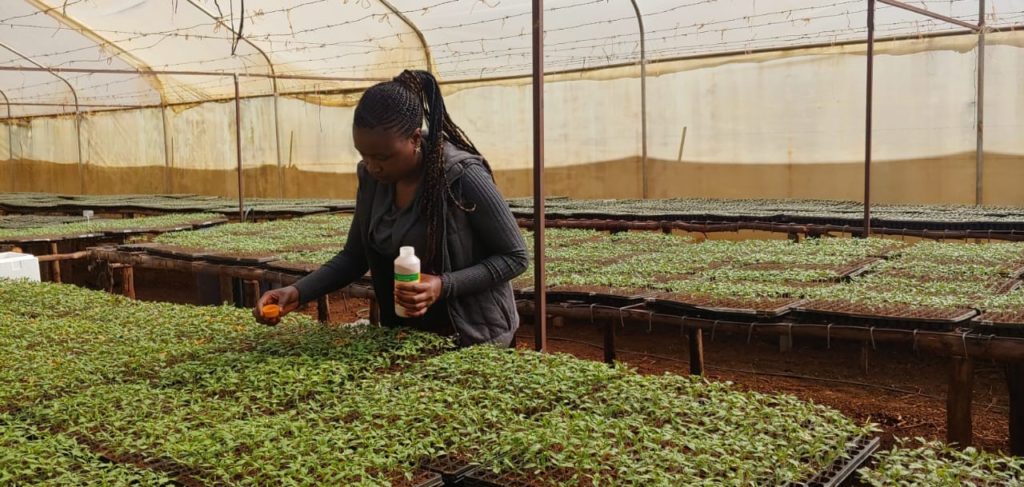
Proper nursery preparation sets the foundation for healthy tomato seedlings. Start by creating raised soil beds approximately 15 cm in
height. These elevated beds improve drainage and protect young seedlings from waterlogging. Space walkways 30 cm apart to allow easy access for watering and maintenance activities.
When planting your tomato seeds, it’s crucial to maintain proper spacing to allow seedlings to develop strong root systems without competing for nutrients. A practical tip is to use a stick or string to create straight planting lines for uniform growth. This principle of proper spacing is not only applicable to tomato farming but also vital when planting fruit trees.
Benefits of Mulching
Mulching your seedbeds brings multiple benefits:
- Maintains consistent soil moisture
- Reduces soil splash during watering
- Prevents weed growth
- Regulates soil temperature
Apply a 2-3 cm layer of organic mulch such as dry grass, rice husks, or wheat straw. Keep the mulch slightly away from the plant stems to prevent stem rot. Water the seedbeds gently using a fine spray to avoid displacing seeds or damaging emerging seedlings.
For a more effective mulching strategy, consider using pine bark mulch which can provide additional benefits over traditional organic mulches.
To ensure the success of your nursery preparation, consider looking into [what makes a good nursery](https://royalseedlings.com/what-makes-a-good-nursery-key-qualities-kenyan-farmers-should-look-for) as this could significantly impact the health of your seedlings. Additionally, staying informed about the future of e-commerce in agriculture could provide valuable insights into modern farming trends that may benefit your tomato farming venture.
Transplanting and Planting Process
When to Transplant
The transplanting process begins when seedlings reach a height of 1 foot or develop stems 4-6mm thick. It’s essential to water the nursery thoroughly before uprooting the seedlings to minimize root damage.
Steps for Transplanting
- Clear the field of weeds
- Create planting holes 60cm apart in rows
- Space rows 45cm from each other
- Water the holes before transplanting
- Plant seedlings at the same depth as in nursery
Fertilizer Application Guide
- Base application: Phosphate fertilizers for root development
- Post-transplant: Nitrogen fertilizers (Urea/CAN) for leaf growth
- Flowering stage: NPK fertilizer mix
Ideal Conditions for Transplanting
The ideal time for transplanting is early morning or late afternoon to protect seedlings from intense sunlight. Ensure the field soil is moist but not waterlogged during transplanting to prevent wilting and promote quick establishment.
Preparing the Field for Planting
Plant your seedlings in a weed-free field with well-prepared soil. Each plant requires a planting hole deep enough to accommodate the root system. After placing the seedling, firm the soil around the base to eliminate air pockets and provide stability.
For optimal results, consider utilizing tissue culture techniques in banana seedling production or exploring grafted fruit seedlings which can enhance growth and yield.
It’s also beneficial to follow a seasonal planting calendar tailored for fruit seedlings in Central Kenya, ensuring that your planting aligns with optimal seasonal conditions.
Moreover, if you’re an aspiring commercial fruit grower, there are training opportunities available in Muranga County that can provide valuable knowledge and skills. Lastly, if you’re venturing into avocado farming, be mindful of common mistakes to avoid to ensure a bountiful harvest.

Watering, Support, and Pruning Techniques
Proper watering practices are essential for successful tomato cultivation. You’ll need to water your tomatoes deeply but infrequently to encourage deep root growth. Maintaining a consistent moisture level helps prevent blossom end rot and fruit cracking.
Support Methods for Healthy Growth:
- String trellis systems – ideal for greenhouse cultivation
- Wooden stakes – perfect for small-scale farming
- Wire cages – suitable for determinate varieties
- Metal poles with cross wires – excellent for commercial production
Pruning Strategies:
- Remove side shoots (suckers) weekly
- Cut off yellowed or diseased leaves
- Trim excess foliage to improve air circulation
- Maintain 2-3 main stems per plant
Your pruning schedule should align with the plant’s growth stages. Early morning pruning allows cuts to heal quickly and reduces disease risks. Keep your pruning tools clean and sharp to make clean cuts that heal rapidly.
Regularly checking the moisture levels in the soil helps you adjust how often you water. You can use a simple soil moisture meter to help you decide when to irrigate. When you do water, make sure to apply it directly to the soil instead of overhead to prevent leaf diseases.
Weeding and Pest Management in Tomato Farming
Weeds compete with tomato plants for essential nutrients, water, and sunlight. Regular weed removal helps maintain optimal growing conditions and prevents pest harboring near your crops.
Common Tomato Pests:
- American bollworm – attacks fruits and leaves
- Cutworms – damages young plant stems
- Red spider mites – causes leaf discoloration
- Tuta absoluta – creates leaf mines and fruit holes
- Nematodes – affects root system development
Effective Pest Control Methods:
- Scout your farm twice weekly to detect early pest infestations
- Remove affected plant parts immediately
- Apply appropriate insecticides based on pest type
In addition to these methods, preventing pest infestations in young orchards naturally can also be beneficial. This involves using organic practices that deter pests without harming the environment or the plants.
Recommended Insecticides:
- Occasion Star® – controls bollworms
- Escort® – effective against spider mites
- Lexus® – manages tuta absoluta
- Kingcode Elite® – broad-spectrum control
- Pentagon® – targets multiple pest species
Apply insecticides during early morning or late evening hours for maximum effectiveness. Rotate different insecticide types to prevent pest resistance. Always follow manufacturer’s instructions for dosage and safety precautions.
Moreover, understanding the economic impact of quality seedlings on smallholder incomes can motivate farmers to invest in better seed quality, which could lead to healthier plants that are more resistant to pests and diseases.
In this regard, it’s also useful to explore the science behind grafting, a technique that can significantly improve crop yield and quality. Grafting involves joining two plants together so they grow as one, resulting in improved disease resistance and increased productivity.
Lastly, while this guide focuses on tomatoes, many of these principles can also be applied to other crops such as avocados. For instance, identifying and preventing common avocado seedling diseases can provide valuable insights into effective pest management strategies that could be adapted for tomato farming.

Disease Control Measures for Tomato Farming
Disease management is crucial for successful tomato farming. In Kenya, tomato farmers face several major diseases that can greatly affect their crop yields:
Common Tomato Diseases in Kenya:
- Tomato Blight (Phytophthora infestans): Creates dark brown spots on leaves and fruits
- Bacterial Wilt: Causes rapid wilting and plant death
- Blossom End Rot: Results in dark, sunken areas on fruit bottoms
Effective Fungicide Applications:
- Apply STAGE fungicide at first signs of disease
- Use RODAZIM for soil treatment before planting
- Spray calcium foliar fertilizers to prevent blossom end rot
- Maintain regular 7-14 day fungicide application schedules
Disease Prevention Strategies:
- Practice crop rotation with non-solanaceous crops
- Remove and destroy infected plant material immediately
- Maintain proper field drainage
- Use disease-resistant tomato varieties
- Keep 3-month breaks between tomato plantings
- Sterilize farming tools between uses
By implementing these control measures, you can establish a strong disease management system for your tomato farm. Regular monitoring will enable you to detect diseases early and respond quickly to outbreaks.
In addition to tomatoes, exploring alternative crops like pomegranates could provide new opportunities for farmers.
Harvesting Practices for Tomatoes
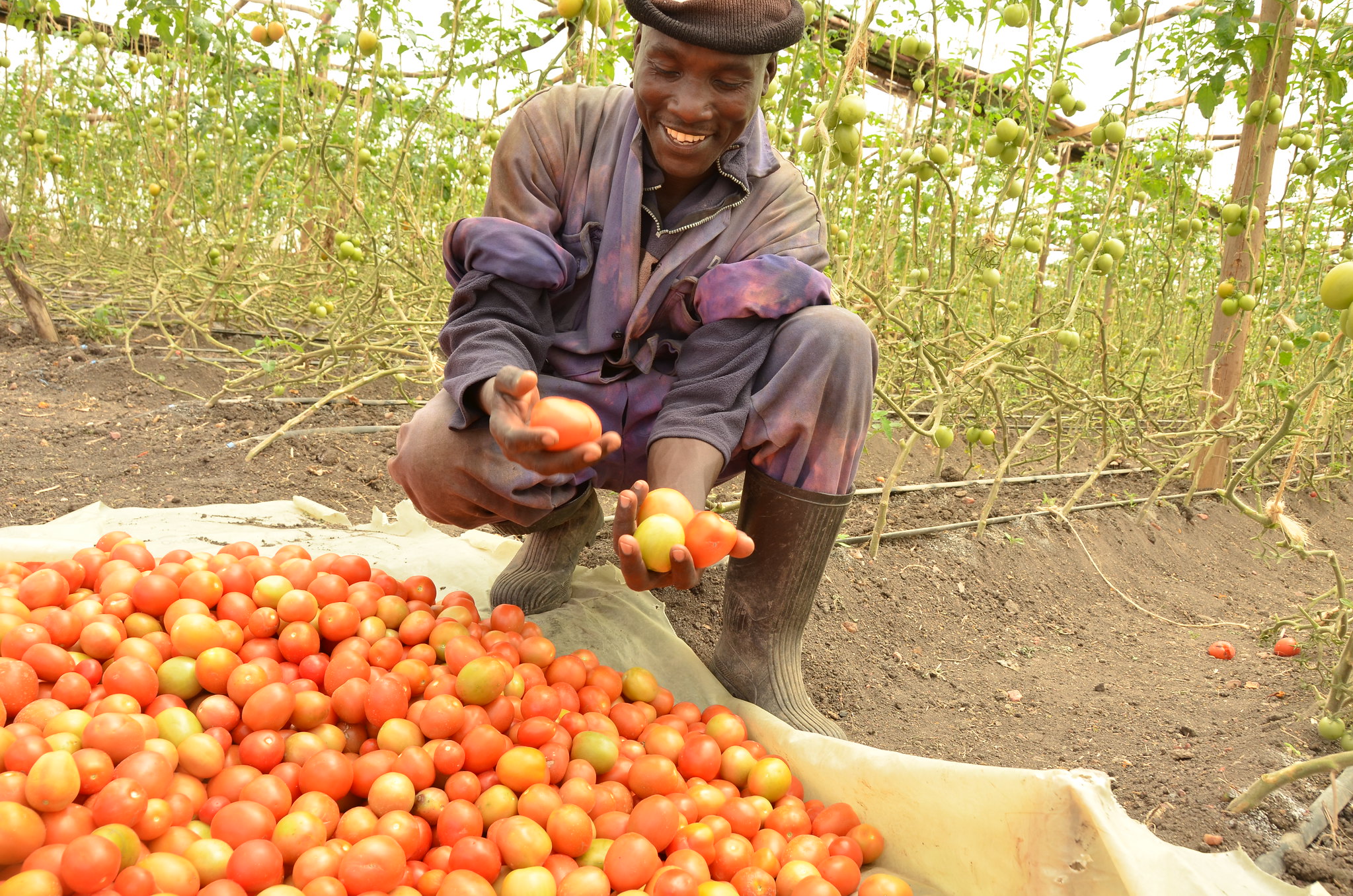
Successful tomato harvesting starts with recognizing the right maturity signs. Your tomatoes are ready for picking when they show:
- 75% red coloration
- Firm texture with slight give when pressed
- Uniform color development
- Glossy skin appearance
The optimal harvesting time is during early morning hours when temperatures are cool. You’ll achieve better fruit quality by following these handling techniques:
- Hold the fruit gently but firmly
- Twist and turn upward in one smooth motion
- Keep the calyx (green stem cap) attached
- Place harvested tomatoes in padded containers
Pro Tips for Damage Prevention:
- Use clean, disinfected harvesting containers to minimize microbial food safety hazards, as suggested in this FDA guidance.
- Avoid stacking fruits more than two layers deep
- Handle fruits with dry hands to prevent disease spread
- Sort tomatoes by ripeness level during collection
It’s crucial to be aware of potential tomato diseases and disorders, which can be found in this Clemson HGIC factsheet. Proper harvesting techniques directly impact your tomatoes’ market value and shelf life. Your fruits should be collected every 3-4 days during peak season to maintain consistent quality and prevent overripening on the vine.
It’s worth noting that these best practices are not only applicable to tomatoes but can also be beneficial when buying avocado seedlings online or choosing the right mango variety for your Kenyan farm.
Additional Practices to Enhance Tomato Farming
Seed soaking creates a strong foundation for healthy tomato plants. A mixture of AFRIKELP and RODAZIM strengthens seed resistance to diseases and accelerates germination rates. Soak your seeds for 12-24 hours before planting to achieve optimal results.
Regular field scouting helps you detect problems early:
- Check plants twice weekly for signs of pest infestation
- Look for discolored leaves, wilting, or unusual spots
- Inspect the undersides of leaves where pests often hide
- Document any changes in plant health or appearance
Proper staking and pruning techniques maximize your crop yield:
- Install stakes when plants reach 12 inches in height
- Use soft twine to secure plants without damaging stems
- Remove suckers growing between main stem and branches
- Maintain 3-4 main stems per plant for optimal fruit production
- Prune away yellowing or diseased leaves immediately
These practices combined with a consistent maintenance schedule create ideal conditions for robust tomato growth and increased fruit production.
Conclusion
Successful tomato farming in Kenya requires a thorough understanding of integrated crop management practices. This guide provides you with the necessary knowledge to turn your farming venture into a profitable business.
Your success in tomato cultivation depends on:
- Effective ecological management – choosing suitable locations, maintaining optimal soil conditions, and implementing efficient irrigation systems
- Planned nursery practices – from selecting seeds to caring for seedlings
- Scientific pest and disease control – using both preventive measures and targeted treatments
- Intelligent harvesting techniques – ensuring maximum yield and quality
The best time to start your tomato farming journey is now. Begin by:
- Conducting a thorough soil analysis of your intended farming area
- Establishing connections with reliable input suppliers
- Creating a detailed crop management calendar
- Setting up proper record-keeping systems for tracking expenses and yields
Remember: successful tomato farming requires continuous learning and adaptation. Each growing season presents opportunities to improve your techniques and increase your yields. By implementing the practices outlined in this guide, you position yourself to join Kenya’s successful commercial tomato farmers.
If you’re also considering diversifying into other profitable crops, you might find Pixie Orange Farming beneficial. Alternatively, if you’re interested in exploring the Hass avocado seedling production which is thriving in regions like Murang’a, this could be an excellent opportunity for you.
Take the first step today – your thriving tomato farm awaits.
Ready to start your tomato farming venture?
Contact Royal Seedlings:
- 📱 Phone: +254 711315313
- 📧 Email: Julius.murega@royalseedlings.com
- 🌐 Website: www.royalseedlings.com
FAQs (Frequently Asked Questions)
What are the key ecological requirements for successful tomato farming in Kenya?
Successful tomato farming in Kenya requires selecting an appropriate location with suitable soil that has good drainage. Understanding soil pH and conducting soil analysis are vital for determining fertilizer needs. Access to reliable water sources for irrigation and practicing crop rotation help prevent diseases and promote healthy plant growth.
How should I prepare a nursery for tomato seedlings in Kenya?
Nursery preparation involves preparing soil beds with proper mulching techniques, creating raised soil beds with adequate walkway spacing, and planting seeds at the correct depth and spacing. These practices ensure healthy seedling development, which is crucial for successful transplantation and overall tomato cultivation.
What is the recommended process for transplanting tomato seedlings in Kenya?
Transplanting should be done at the optimal timing with seedlings spaced appropriately to allow healthy growth. Fertilizer application during transplanting supports plant nutrition. Ideal spacing between plants ensures adequate airflow and reduces disease risk, enhancing overall yield.
How can watering, support, and pruning improve tomato farming outcomes?
Balanced watering prevents nutrient leaching while ensuring plants receive sufficient moisture. Using various plant support methods like staking helps maintain plant structure, reducing damage. Regular pruning promotes plant health by removing unnecessary growth, improving air circulation, and increasing fruit quality.
What are effective strategies for weed control and pest management in tomato farming in Kenya?
Regular weed removal is essential to minimize competition for nutrients. Identifying common pests allows targeted use of recommended insecticides to control infestations effectively. Integrated pest management practices enhance crop health and yield by reducing pest-related damages.
When is the best time to harvest tomatoes, and how should they be handled post-harvest?
Tomatoes should be harvested when they reach optimal ripeness to ensure quality. Proper fruit handling techniques during harvesting minimize damage, preserving freshness and market value. Timely harvesting coupled with careful handling contributes significantly to profitability in tomato farming.