

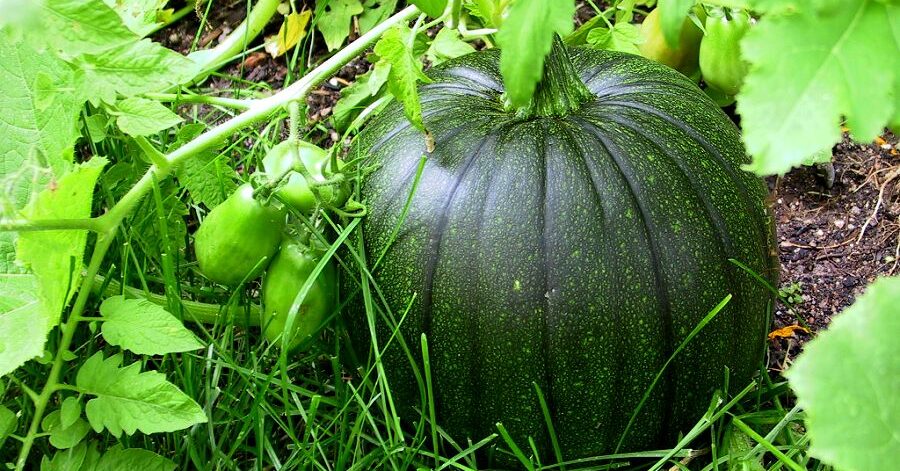
Discover the lucrative world of watermelon farming in Kenya with our comprehensive 2025 guide. This step-by-step resource equips you with essential knowledge to start and scale your watermelon farming venture successfully.
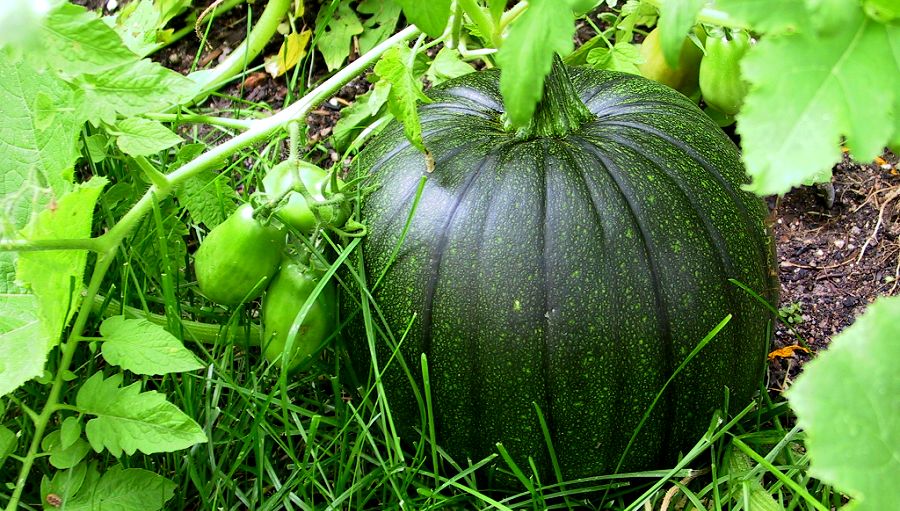
Our guide includes a downloadable PDF packed with:
- Detailed cost breakdowns per acre
- Expected profit margins
- Market analysis
- Technical farming specifications
You’ll learn to navigate Kenya’s watermelon farming landscape, from selecting premium varieties to implementing efficient irrigation systems. The guide covers profit potential ranging from Ksh 87,000 to Ksh 171,000 per acre, with yields reaching 15-30 tons depending on farming practices.
Whether you’re a beginner farmer or looking to expand your agricultural portfolio, this guide provides actionable insights for 2025 and beyond. We’ve incorporated real-world experiences from successful Kenyan watermelon farmers, practical solutions to common challenges, and proven strategies for maximizing your returns.
Moreover, if you’re also considering diversifying into other areas of agribusiness such as avocado farming, you might find our frequently asked questions about avocado seedling purchases online quite helpful.
Additionally, we believe in empowering all individuals in the agribusiness sector. Our initiatives are designed to support women and youth in agribusiness, providing them with the resources and knowledge they need to succeed.
[Download Your Free PDF Guide Here]
Understanding Watermelon Farming in Kenya
Kenya’s diverse climate creates ideal conditions for growing several watermelon varieties. Each variety brings unique characteristics suited for different market demands and growing conditions.
Popular Watermelon Varieties in Kenya:
- Sugar Baby: Compact, dark-skinned fruits with sweet red flesh
- Crimson Sweet: Large fruits with high sugar content, excellent for local markets
- Charleston Gray: Disease-resistant variety with elongated fruits
- Sukari F1: High-yielding hybrid with superior sweetness
- Black Diamond: Dark green fruits with exceptional shelf life
- Jubilee: Large fruits ideal for commercial production
Climate Requirements:
- Temperature range: 25-30°C
- Sunlight: 6-8 hours daily
- Rainfall: 500-600mm per season
- Humidity: 65-75%
Soil Specifications:
To achieve optimal growth, understanding the soil requirements is crucial.
- Type: Well-drained sandy loam soil
- pH range: 6.0-7.5
- Depth: Minimum 60cm for root development
- Organic matter: Rich in nutrients
The best growing regions include Makueni, Kitui, Tharaka Nithi counties, and coastal areas. These locations provide the perfect combination of warmth, sunlight, and soil conditions needed for successful watermelon cultivation. Farmers in these regions can produce watermelons year-round with proper irrigation systems.
In addition to watermelon farming, these regions also present opportunities and challenges for other agricultural ventures such as pomegranate farming.
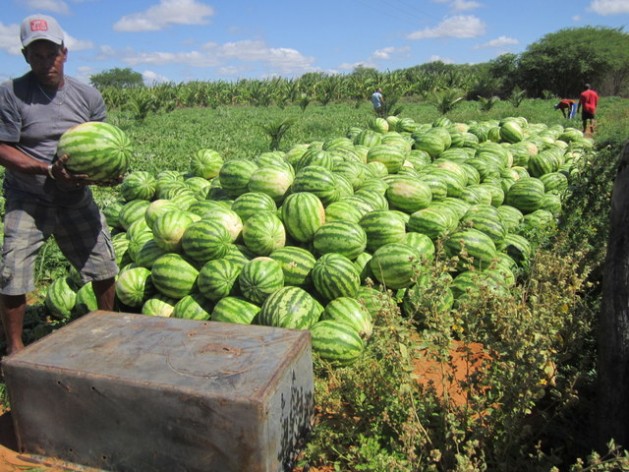
Step-by-Step Guide to Watermelon Farming
Land Preparation
- Deep plow your land to a depth of 30-40cm to break soil compaction
- Harrow the soil until fine tilth is achieved
- Apply well-decomposed manure at 10-15 tons per acre
- Create raised beds 15-20cm high, 1.5m wide for proper drainage
- For more detailed insights on preparing your land before receiving seedlings delivery, consider exploring specialized resources.
Seed Selection and Planting
- Purchase certified seeds from licensed dealers
- Test seed germination rate (should exceed 85%)
- Plant seeds at 1.5-2m between rows
- Space plants 90-100cm apart within rows
- Plant 2-3 seeds per hole at 2.5cm depth
- Thin to one seedling per hole after germination
Irrigation Management
- Water immediately after planting
- Maintain soil moisture at 70-80% field capacity
- Install drip irrigation lines along plant rows
- Reduce watering during fruit ripening stage
- Water requirements:
- Seedling stage: 2-3mm/day
- Flowering stage: 5-6mm/day
- Fruiting stage: 7-8mm/day
Weed Control
- Apply pre-emergence herbicides 2-3 days after planting
- Hand weed when plants are 3-4 weeks old
- Use black plastic mulch or organic materials
- Maintain 10cm mulch thickness around plants
- Remove weeds before they set seeds
Pro tip: Install soil moisture sensors to optimize irrigation scheduling and prevent water stress during critical growth stages
If you’re also considering diversifying your farming portfolio, you might find the following step-by-step guide to starting an avocado orchard in Kenya helpful.
Additionally, if you’re interested in exploring different fruit farming options, such as Pixie Orange farming or [choosing between local and imported apple varieties for Kenyan climates](https://royalseeedlings.com/choosing-between-local-and-imported-apple-varieties-for-kenyan-climates), there are comprehensive guides available for those as well.

Pest and Disease Management in Watermelon Farming
Effective pest and disease control determines the success of your watermelon farming venture in Kenya. Here’s what you need to know about managing common threats:
Common Pests and Control Methods
1. Aphids
- Spray neem oil solution (30ml per 20L water)
- Release natural predators like ladybugs
- Apply insecticidal soaps in severe cases
2. Fruit Flies
- Install pheromone traps (1 trap per 100 square meters)
- Use protein baits mixed with malathion
- Practice field sanitation by removing fallen fruits
3. Whiteflies
- Apply yellow sticky traps
- Spray approved insecticides during early morning
- Maintain natural enemy populations
Disease Management Strategies
1. Powdery Mildew
- Plant resistant varieties like Sugar Baby
- Maintain proper plant spacing
- Apply fungicides at first sign of white spots
2. Fusarium Wilt
- Use certified disease-free seeds from a reputable nursery, as what makes a good nursery can significantly impact your crop’s health.
- Practice crop rotation (3-4 year cycle)
- Maintain soil pH between 6.0-7.5
3. Anthracnose
- Remove infected plant debris
- Apply copper-based fungicides
- Use drip irrigation to keep foliage dry
Prevention Tips
- Monitor your crop daily
- Maintain field hygiene
- Keep detailed pest and disease records
- Implement integrated pest management (IPM)
- Test soil regularly for disease presence, especially for diseases that commonly affect other crops like avocado, which you can learn more about in this farmer’s guide to identifying and preventing common avocado seedling diseases.

Harvesting and Post-Harvest Handling of Watermelons in Kenya
Successful watermelon harvesting relies on identifying the right maturity indicators:
- Yellow-colored spot where fruit touches the ground
- Dried tendril nearest to the fruit
- Hollow sound when tapped
- Waxy, dull fruit surface
Proper Harvesting Techniques
- Cut fruits during cool morning hours
- Use sharp, clean knives to cut stems 2-3 inches from fruit
- Handle fruits gently to prevent bruising
- Place harvested melons in shade immediately
Post-Harvest Handling Protocol
- Clean fruits with soft cloth to remove dirt
- Grade watermelons into three categories:
- Premium: 8-12kg, unblemished
- Standard: 5-8kg, minor blemishes
- Local market: Under 5kg or with visible defects
Storage Guidelines
- Store at 10-15°C with 85-90% humidity
- Avoid stacking more than two layers high
- Use ventilated plastic crates for transport
- Keep fruits away from ethylene-producing crops
Quality Standards for Export Markets
- Uniform size and shape
- Free from cracks, sunburn, or pest damage
- Firm, fresh appearance
- Minimum 10% sugar content (Brix)
- Clean, trimmed stems
Regular monitoring of storage conditions prevents quality deterioration and extends shelf life up to 14 days under optimal conditions.
For those interested in diversifying their farming practices in Kenya, understanding the seasonal planting calendar for fruit seedlings can be beneficial. This knowledge can also help avoid common avocado farming mistakes that could hinder productivity.
Moreover, regions like Murang’a, known for its high-quality Hass avocado seedling production, could serve as a model for watermelon farmers aiming for excellence in seedling quality. It’s crucial to recognize the economic impact of quality seedlings on smallholder incomes, as this can significantly influence overall yield and profitability.
Profitability Analysis: Cost and Returns Per Acre in Watermelon Farming Kenya
The cost breakdown per acre of watermelon farming in Kenya ranges from Ksh 87,000 to Ksh 171,000. Here’s a detailed cost analysis:
1. Initial Setup Costs:
- Land preparation: Ksh 15,000 – 20,000
- Certified seeds: Ksh 8,000 – 12,000
- Manure and fertilizers: Ksh 25,000 – 35,000
- Irrigation system setup: Ksh 20,000 – 45,000
2. Operational Costs:
- Labor (planting to harvest): Ksh 12,000 – 25,000
- Pesticides and disease control: Ksh 7,000 – 15,000
- Water and irrigation maintenance: Ksh 10,000 – 19,000
The yield potential ranges from 15 to 30 tons per acre, influenced by:
- Variety selection
- Farming practices
- Weather conditions
- Pest and disease management
For instance, when selecting the right variety for optimal yield such as the watermelon or even exploring other crops like mangoes with this guide, it’s crucial to consider factors like climate suitability and market demand.
3. Revenue Potential:
- Market price: Ksh 25-40 per kg
- Minimum revenue (15 tons): Ksh 375,000
- Maximum revenue (30 tons): Ksh 1,200,000
Your net profit can range from Ksh 204,000 to Ksh 1,029,000 per acre per season. These figures assume optimal growing conditions and effective market access. Small-scale farmers typically achieve returns on the lower end, while commercial farmers with advanced farming techniques reach higher yields and profits.
The profit margins increase significantly when you:
- Implement drip irrigation
- Use high-yielding hybrid varieties
- Such as those obtained through grafting
- Practice integrated pest management
- Access premium markets directly
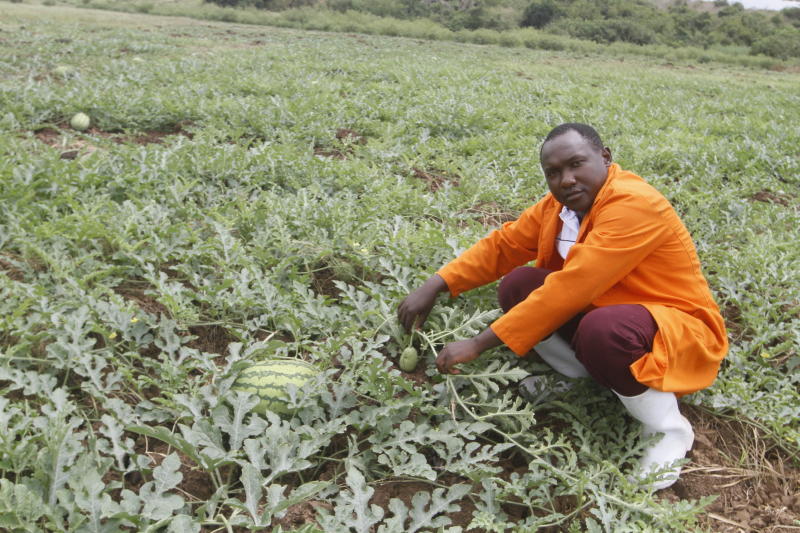
Challenges Facing Watermelon Farmers in Kenya & Solutions
Watermelon farmers in Kenya face several critical challenges that require strategic solutions for successful farming operations.
1. Water Scarcity Management
- Install drip irrigation systems to maximize water efficiency
- Build water storage tanks for rainwater harvesting
- Implement mulching techniques to retain soil moisture
- Create water catchment areas during rainy seasons
- Use soil moisture sensors for precise irrigation timing
2. Pest and Disease Control
- Establish crop rotation schedules to break pest cycles
- Plant trap crops around watermelon fields
- Use biological control agents like beneficial insects
- Apply integrated pest management (IPM) strategies
- Monitor fields regularly for early detection
- Consider preventing pest infestations in young orchards naturally as a strategy
3. Market Access Limitations
- Form farmer cooperatives for collective marketing
- Develop relationships with wholesale buyers
- Create storage facilities to extend shelf life
- Establish grading systems for premium pricing
- Build direct relationships with exporters
4. Input Cost Management
- Purchase inputs in bulk through farmer groups
- Source certified seeds from reliable suppliers, similar to the best practices for smallholder farmers when buying avocado seedlings online
- Practice soil testing to optimize fertilizer use
- Maintain detailed records of expenses
- Implement cost-effective pest control methods
5. Climate Change Adaptation
- Use drought-resistant watermelon varieties
- Install shade nets for extreme weather protection
- Practice conservation agriculture techniques
- Time planting according to weather patterns
- Diversify crop varieties to spread risk
Tips for Success in Watermelon Farming for 2025
Your success in watermelon farming hinges on strategic planning and implementation of proven practices. Here are critical tips to maximize your farming success in 2025:
Soil Testing and Preparation
- Conduct comprehensive soil tests through KALRO or certified laboratories
- Test for pH levels, nutrient content, and soil structure
- Adjust soil composition based on test results before planting
- Document soil test results for future reference and improvement tracking
Strategic Variety Selection
- Research market preferences in your target area
- Choose varieties with proven success records in your region:
- Sugar Baby: Ideal for local markets
- Crimson Sweet: Popular export variety
- Sukari F1: High disease resistance
- Match variety characteristics with your specific growing conditions
Record Keeping and Analysis
- Track all farming activities in a detailed logbook
- Document:
- Planting dates
- Input applications
- Yield data
- Market prices
- Use data to optimize future farming cycles
Market Research and Networking
- Build relationships with reliable buyers before planting
- Join local farmer groups for market intelligence
- Study price trends across different seasons
- Identify premium market opportunities for quality produce
These practices, combined with proper timing and consistent implementation, create a strong foundation for profitable watermelon farming in Kenya’s agricultural landscape.
In addition to watermelon farming, diversifying into other lucrative agricultural sectors like avocado farming could also be beneficial. For instance, adopting some essential tips for caring for newly planted avocado seedlings can enhance your overall farming success.
Furthermore, exploring the export markets for Hass avocados can provide additional revenue streams.
Lastly, staying updated with the future of e-commerce in agriculture trends can also offer new opportunities to expand your business online.
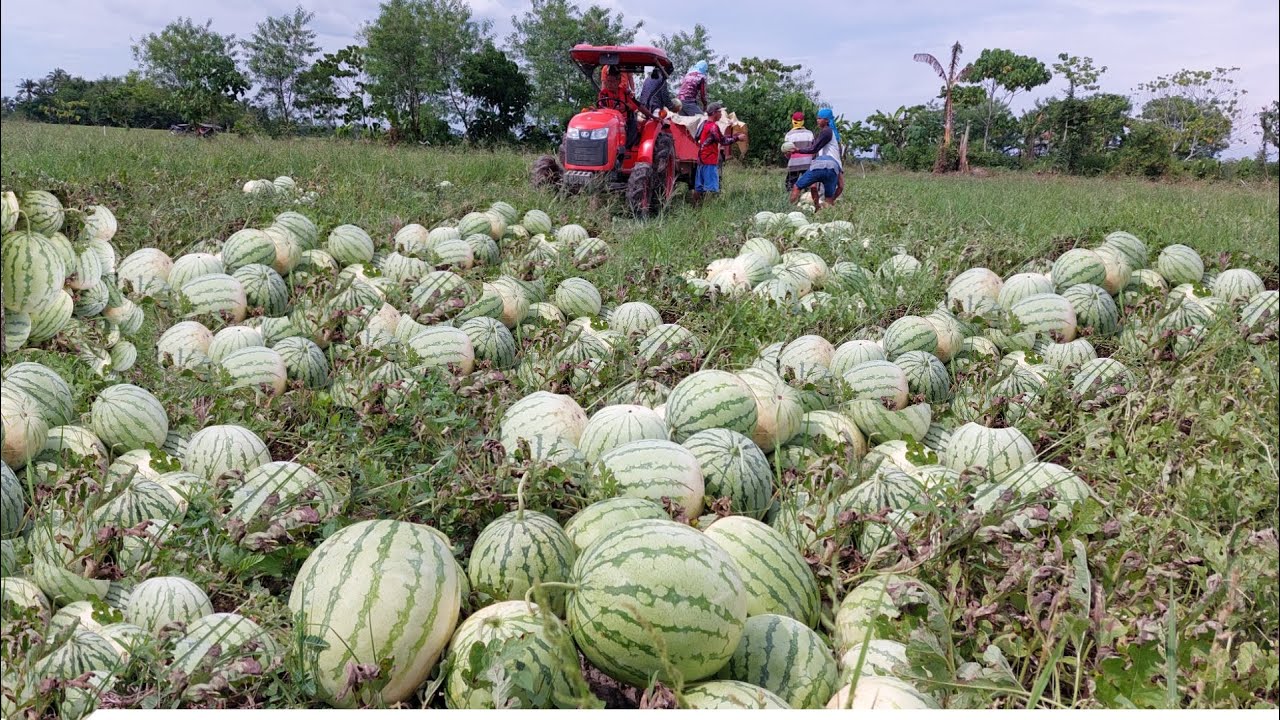
Creating a Business Plan for Watermelon Farming Success
A solid business plan acts as your roadmap to profitable watermelon farming in Kenya. Here’s what your plan should include:
Financial Projections
- Initial capital requirements: Ksh 87,000 – 171,000 per acre
- Projected revenue based on market prices (Ksh 25-40 per kg)
- Cash flow forecasts for the first 3 growing seasons
- Break-even analysis and ROI calculations
Operational Strategy
- Land acquisition or lease arrangements
- Equipment and machinery needs
- Labor requirements and management structure
- Transportation and storage solutions
Market Analysis
- Target market identification (local markets, exports, processors)
- Competitor assessment
- Price trends and seasonal variations
- Distribution channels and partnerships
Investment Readiness Checklist
- Certified seed suppliers identification
- Labor sourcing strategy
- Equipment procurement plan
- Storage facility arrangements
- Transportation logistics
Risk Management
- Weather-related contingencies
- Market price fluctuation strategies
- Pest and disease control measures
- Insurance options
Your business plan should be reviewed and updated every growing season to reflect changing market conditions and operational learnings. Include specific timelines for implementation and clear milestones to track progress against your goals.

Call To Action
Ready to start your profitable watermelon farming journey? We’re here to support your success with high-quality seedlings and expert guidance.
Get Started Today:
- Premium watermelon seedlings from proven varieties
- Direct access to farming expertise
- Partnership opportunities for large-scale ventures
- Free consultation on variety selection
Our seedlings are certified, disease-resistant, and guaranteed for optimal yields. We’ve helped hundreds of farmers across Kenya achieve success in watermelon farming.
Special Offer: Order 1000+ seedlings and receive a free on-site consultation for your farm setup.
Contact Us:
- 📞 Call/WhatsApp: 0711315313
- 📧 Email: julius.murega@royalseedlings.com
Download Your Free PDF Guide – A complete watermelon farming manual with profit calculations and step-by-step instructions.
While we specialize in watermelon, we also offer a range of other services. For instance, you might be interested in exploring the role of tissue culture in banana seedling production, which can significantly enhance your farming output.
If you’re considering expanding your fruit farming portfolio, we provide training opportunities for aspiring commercial fruit growers in Muranga County. Our professional training sessions will arm you with the necessary skills and knowledge.
Additionally, we offer insights on what to expect from a professional avocado farming training session, which can be beneficial if you’re looking to diversify into avocado farming.
Moreover, understanding the benefits of grafted fruit seedlings can also enhance your farming practices. Lastly, it’s crucial to know about the importance of proper spacing when planting fruit trees, as it can greatly influence the yield of your crops.
Take action now – transform your agricultural dreams into reality with Royal Seedlings Kenya.
FAQs (Frequently Asked Questions)
What are the best watermelon varieties to grow in Kenya for 2025?
Popular watermelon varieties grown in Kenya include Sugar Baby and Crimson Sweet. These varieties are well-suited to the Kenyan climate and offer high yields and good market demand.
What are the ideal climatic and soil conditions for watermelon farming in Kenya?
Watermelons thrive in temperatures ranging from 25–30°C. They require well-drained soils with a suitable pH level, typically sandy loam soils, for optimal growth and fruit development.
How should I prepare my land and manage irrigation for successful watermelon farming?
Land preparation involves deep plowing, harrowing, applying manure, and forming raised beds. For irrigation, consistent moisture is crucial during flowering and fruiting stages; drip irrigation systems are recommended for water efficiency.
What pest and disease management practices are effective for watermelon farming in Kenya?
Common pests include aphids, fruit flies, and whiteflies. Control methods involve neem oil applications, traps, and insecticides. Diseases like powdery mildew, fusarium wilt, and anthracnose can be managed by planting resistant varieties and maintaining good field hygiene.
What is the expected profitability of watermelon farming per acre in Kenya?
Estimated costs per acre range from Ksh 87,000 to Ksh 171,000 covering land preparation to labor. Expected yields vary between 15 to 30 tons per acre depending on farming practices and variety selection, making watermelon farming a profitable venture when managed well.
How can I order quality watermelon seedlings or partner for successful farming ventures in Kenya?
You can order quality seedlings or partner with experts by contacting Julius Murega at Royal Seedlings via phone at 0711315313 or email julius.murega@royalseedlings.com to ensure access to certified seeds and expert guidance.