

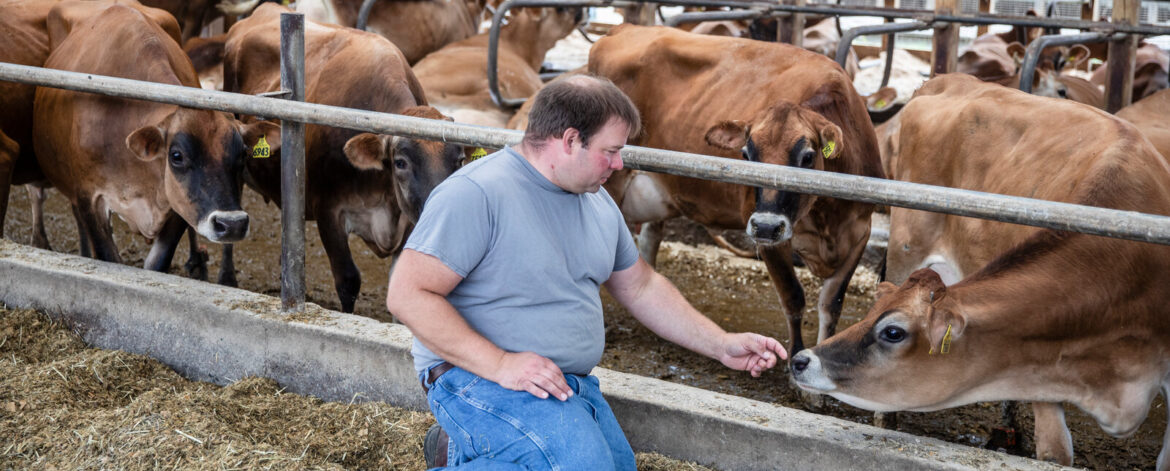
Zero grazing dairy farming has emerged as a game-changing agricultural practice in Kenya’s dairy sector. This intensive farming system keeps cattle confined in specially designed structures, providing them with cut-and-carry feed rather than allowing them to graze freely.
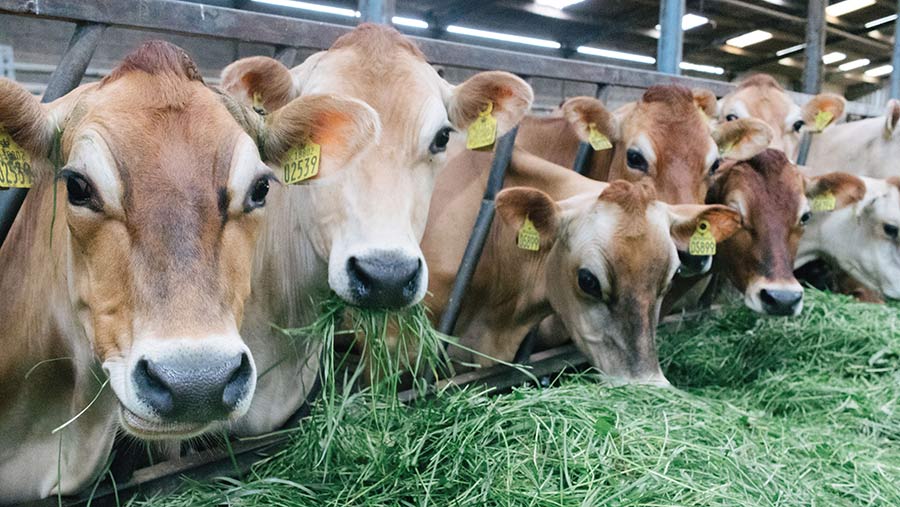
The rapid population growth in Kenya has created an unprecedented demand for milk products. Traditional grazing methods struggle to meet this growing need, especially with the increasing scarcity of land for extensive farming. A single acre under zero grazing can support 4-5 dairy cows, compared to just 1-2 cows in traditional grazing systems.
Key Features of Zero Grazing:
- Controlled feeding environment
- Efficient land utilization
- Higher milk yields per cow
- Reduced disease exposure
- Better manure management
This comprehensive guide walks you through every aspect of zero grazing dairy farming in Kenya. You’ll discover the essential components of a zero grazing unit, feeding requirements, cost considerations, breed selection, and proven strategies for success. Whether you’re a new farmer or looking to transition from traditional methods, this guide equips you with practical knowledge to establish and manage a profitable zero grazing dairy farm.
Agricultural Opportunities Worth Exploring in Kenya
In addition to dairy farming, there are other agricultural opportunities worth exploring in Kenya. For instance, starting an avocado orchard could be a lucrative venture given the rising demand for avocados both locally and internationally. It’s essential to understand what makes a good nursery when purchasing seedlings for your orchard. You might also want to consider seasonal planting calendars which can greatly enhance your yield by ensuring that you plant at the right time.
Moreover, managing an orchard comes with its own set of challenges such as pest infestations. However, there are effective strategies for preventing pest infestations in young orchards naturally which can save you a lot of trouble in the long run. If you’re considering purchasing avocado seedlings online,
it would be beneficial to familiarize yourself with some frequently asked questions about avocado seedling purchases online, to make informed decisions and ensure a successful start to your avocado farming journey.
Understanding the Zero Grazing System
A zero grazing unit consists of specialized sections designed for efficient dairy farming operations. Here’s what you’ll find in a well-designed unit:
- Cubicles: Comfortable resting areas with non-slip concrete floors and adequate space for each cow to lie down
- Feeding Area: Raised concrete platforms with feed troughs and clean water access points
- Milking Section: A designated space with proper lighting and drainage for hygienic milk collection
- Calf Pens: Separate, protected areas for young calves with proper ventilation
- Manure Storage: Concrete-lined pits or tanks for waste collection and processing
The structure requires a minimum roof height of 2.5-3 meters to ensure proper air circulation and temperature control.
The Cut-and-Carry Feeding Method
The cut-and-carry feeding method forms the backbone of zero grazing systems. Unlike traditional grazing where cattle roam pastures freely, this approach involves:
- Daily harvesting of fresh fodder crops
- Transportation of feed to the confined cattle
- Strategic chopping of fodder to reduce waste
- Precise feed portioning based on each cow’s needs
- Scheduled feeding times throughout the day
This controlled feeding system allows for:
- Better monitoring of feed intake
- Reduced feed wastage
- Protection of pasture land from overgrazing
- Efficient use of available fodder resources
- Enhanced feed conversion to milk production

Importance of Seedling Quality
In addition to these aspects, it’s important to consider the quality of the seedlings used in growing fodder crops. Essential tips for caring for newly planted avocado seedlings can be beneficial if avocado leaves are part of the cattle diet. Furthermore, understanding how Royal Seedlings supports women and youth in agribusiness can provide insights into sustainable farming practices that can be incorporated into zero grazing systems.
Future Trends in Agriculture
Moreover, as we look towards the future, it’s crucial to stay informed about the future of e-commerce in agriculture and trends every farmer should know by 2025. This knowledge could significantly impact how farmers manage their resources and operations.
Economic Impact of Quality Seedlings
Lastly, acknowledging the economic impact of quality seedlings on smallholder incomes is essential as it highlights the importance of investing in high-quality seedlings for better yield and profitability.
Environmental Factors Affecting Plant Growth
It’s also vital to consider various environmental factors affecting plant growth, as these can significantly influence the success of the seedlings used in fodder crop production. Additionally, understanding these factors will help in optimizing growth conditions and ultimately improving yield quality and quantity.
Feeding and Nutrition Management in Zero Grazing Systems
Proper nutrition management is crucial in zero grazing dairy farming. Each dairy cow needs specific amounts of feed every day to produce milk efficiently.
Daily Feed Requirements Per Cow:
- 60-70 kg of fresh Napier grass
- 2-8 kg of dairy meal (depending on milk production)
- 100-120 grams of mineral supplements
- 40-50 liters of clean water
Importance of Napier Grass
Napier grass is the main source of feed for the cows, providing them with essential fiber and nutrients. To ensure maximum nutritional value, it is important to harvest the grass when it is 3-4 feet tall.
Supplementing with Other Forage Options
In addition to Napier grass, farmers can also include other forage options in their cows’ diet such as Rhodes grass. This can help diversify the nutrition sources and meet the specific dietary needs of the cows.
Benefits of Adopting Zero Grazing Dairy Farming in Kenya
Zero grazing dairy farming delivers significant advantages that make it an attractive option for Kenyan farmers. Here’s why this intensive farming method stands out:
1. Enhanced Milk Production
- Milk yields increase up to 3 times compared to traditional grazing methods
- Daily milk production can reach 20-30 liters per cow
- Consistent production throughout the year due to regulated feeding patterns
- Better monitoring of individual cow performance
2. Disease Prevention and Animal Health
- Limited exposure to tick-borne diseases
- Reduced risk of parasitic infections
- Better control over vaccination schedules
- Quick detection of health issues through daily close monitoring
3. Resource Optimization
- Maximum utilization of small land parcels
- Efficient feed consumption with minimal wastage
- Controlled breeding programs
- Systematic collection and use of manure
4. Economic Benefits
- Steady income through year-round milk production
- Lower veterinary costs due to reduced disease exposure
- Additional income from manure sales or biogas production
- Higher returns per acre compared to traditional grazing
5. Environmental Impact
- Reduced soil erosion and land degradation
- Lower methane emissions through controlled feeding
- Protection of water sources from cattle contamination
- Sustainable land use practices
In addition to these benefits, the principles of zero grazing can also be applied to other farming practices. For instance, when considering avocado farming, understanding the common avocado seedling diseases and how to prevent them can greatly enhance yield. Similarly, the science behind grafting is a crucial aspect that can improve crop yield and quality in various farming sectors.
Moreover, as seen in the case of pixie orange farming, applying intensive farming methods like zero grazing can lead to remarkable results.
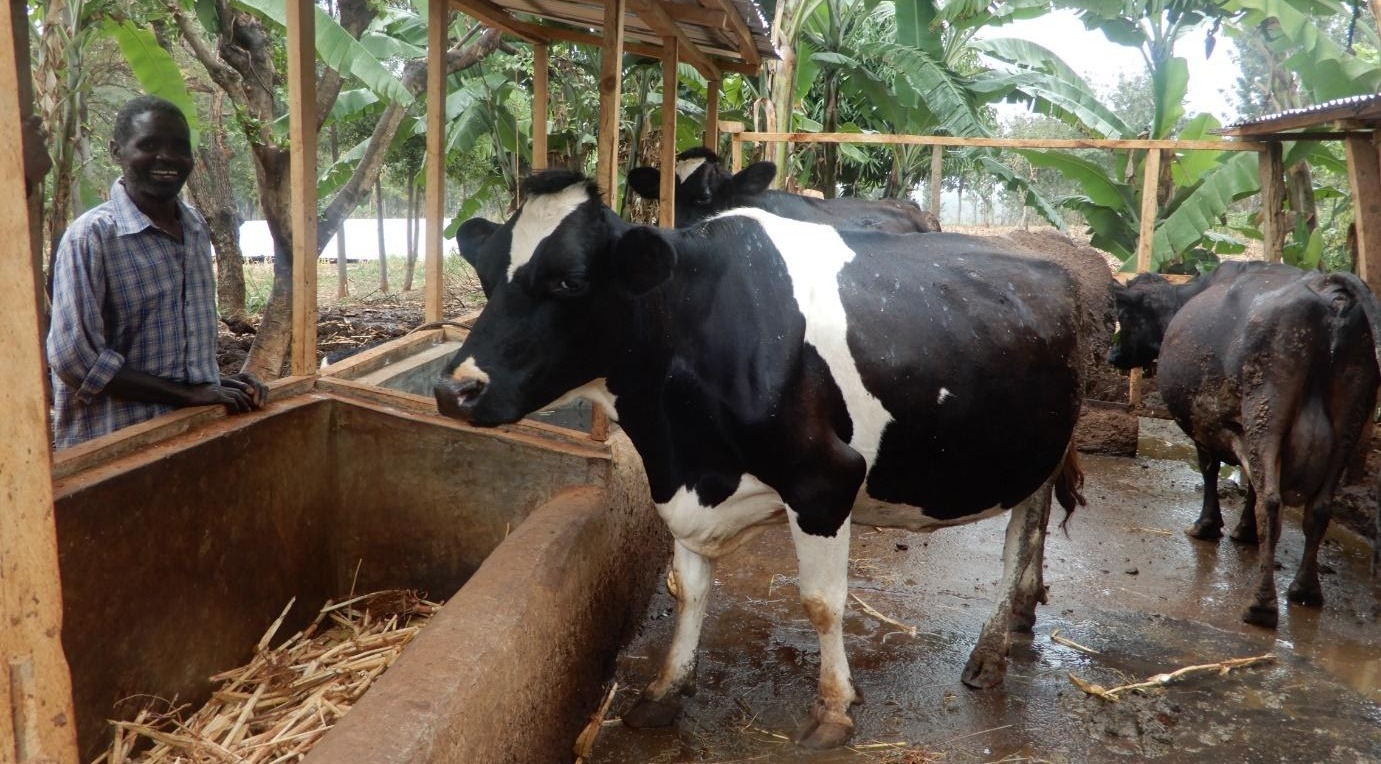
Setting Up a Zero Grazing Dairy Farm: Costs and Infrastructure Considerations
The initial investment for a zero grazing dairy farm varies based on your desired scale of operations. Here’s a breakdown of costs for different unit types:
Basic Unit (2-3 cows)
- Construction costs: KSh 80,000-120,000
- Simple concrete flooring
- Basic feeding and watering areas
- Essential shelter structure
Standard Unit (4-6 cows)
- Construction costs: KSh 150,000-250,000
- Improved ventilation systems
- Separate milking area
- Enhanced drainage systems
- Dedicated calf pens
Premium Unit (6+ cows)
- Construction costs: KSh 300,000+
- Automated milking parlor
- Advanced waste management systems
- Specialized feed storage facilities
- Climate control features
Your zero grazing unit needs specific design elements to ensure animal welfare:
- Non-slip grooved floors to prevent injuries
- Minimum roof height of 2.5-3 meters for proper air circulation
- Strategic drainage channels for waste management
- Adequate spacing (at least 2.5m² per cow). This is crucial not just for cattle but also reflects the importance of proper spacing when planting fruit trees, as it can significantly impact their growth and yield.
- Protected feeding areas to minimize feed wastage
- Proper lighting and ventilation systems
The infrastructure layout should facilitate easy movement of both animals and workers. Also position the milking area close to milk storage facilities, and ensure the manure collection points are accessible for regular cleaning.
Challenges Faced by Farmers Practicing Zero Grazing Dairy Farming
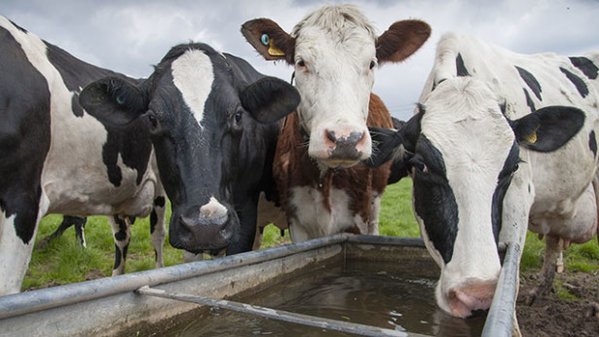
Zero grazing dairy farming presents significant operational challenges that require careful management and dedication. The labor-intensive nature of this farming system stands out as a primary concern for many farmers.
Daily Labor Requirements:
- Fodder cutting and transportation (3-4 hours daily)
- Feed preparation and chopping (2-3 hours)
- Manure collection and disposal (1-2 hours)
- Milking sessions (2 hours, twice daily)
- Cleaning and sanitizing facilities (1-2 hours)
The cut-and-carry feeding system demands substantial physical effort. Additionally, you’ll need dedicated workers to harvest and transport 60-70kg of fresh Napier grass per cow each day. This task becomes particularly challenging during rainy seasons when paths are muddy and slippery.
Manure Management Challenges:
- Regular cleaning of cubicles and walking areas
- Proper storage and disposal systems
- Heavy lifting and transportation
- Odor control in confined spaces
The confined nature of zero grazing units requires constant attention to cleanliness. A single cow produces approximately 50kg of manure daily, creating a continuous cycle of cleaning and waste management tasks.
Labor costs can consume 40-50% of your operational budget, making it essential to implement efficient work schedules and potentially invest in labor-saving equipment like chaff cutters and milking machines.
Despite these challenges, there are opportunities for diversification that can help mitigate some of the operational burdens. For instance, Hass avocado exports offer a lucrative market for farmers willing to venture beyond traditional dairy farming. Similarly, exploring pomegranate farming in Kenya could present additional revenue streams while reducing reliance on labor-intensive dairy operations.
Best Practices for Success in Zero Grazing Dairy Farming
Successful zero grazing dairy farming requires strategic planning and consistent implementation of proven practices. Here are essential strategies to optimize your farm’s performance:
1. Rotational Fodder Planting
- Divide your fodder land into multiple plots
- Plant Napier grass at 2-3 week intervals
- Maintain detailed planting schedules
- Calculate required fodder quantities based on herd size
2. Feed Management
- Chop fodder into 2-3 inch pieces for easy consumption
- Mix different types of fodder for balanced nutrition
- Store excess feed properly during abundant seasons
- Establish relationships with reliable fodder suppliers
3. Record Keeping
- Track daily milk production per cow
- Monitor feed consumption rates
- Document breeding and health records
- Analyze production costs and income
4. Farm Hygiene
- Clean feeding troughs daily
- Sanitize milking equipment after each use
- Remove manure twice daily
- Maintain dry, clean bedding in cubicles
5. Resource Optimization
- Install water harvesting systems
- Create compost from farm waste
- Use manure for biogas production
- Implement water recycling systems
These practices help create a sustainable and profitable zero grazing system. Regular assessment and adjustment of these strategies ensure continuous improvement in farm productivity. Additionally, for smallholder farmers looking to diversify their income sources, understanding the best practices when buying avocado seedlings online can be beneficial.
Choosing the Right Dairy Breeds for Zero Grazing Systems in Kenya
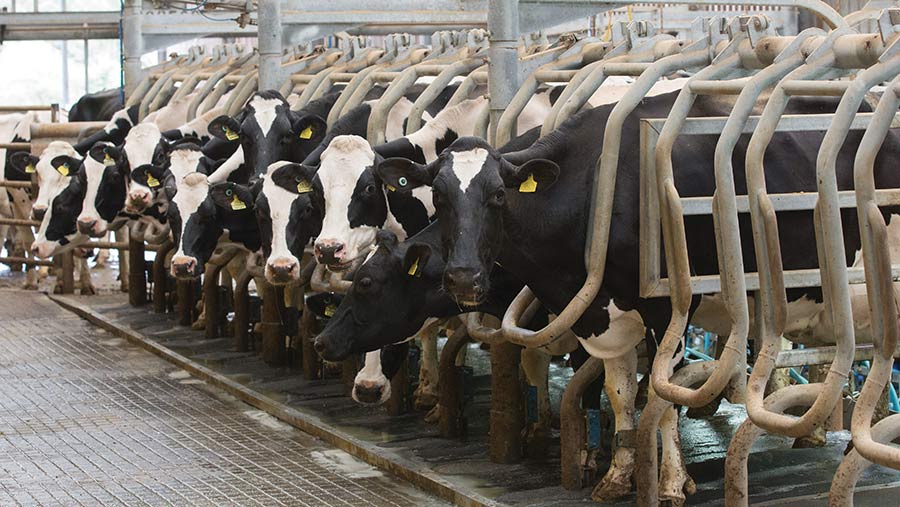
Selecting suitable dairy breeds plays a crucial role in the success of your zero grazing farm. The Friesian and Ayrshire breeds stand out as top performers in Kenya’s intensive farming systems.
Friesian Characteristics:
- High milk production capacity (25-30 liters daily)
- Efficient feed conversion rates
- Adaptable to confined spaces
- Calm temperament ideal for handling
Ayrshire Advantages:
- Heat-tolerant genetics
- Strong disease resistance
- Consistent milk production (20-25 liters daily)
- Lower feed requirements compared to Friesians
Both breeds demonstrate remarkable adaptability to zero grazing conditions. The Friesian’s high milk yield potential makes it popular among commercial dairy farmers, while the Ayrshire’s hardiness suits various climatic conditions across Kenya.
Your breed selection should consider:
- Available feed resources
- Local climate conditions
- Market demands
- Management capacity
- Initial investment budget
Interestingly, just as selecting the right apple varieties or mango varieties can significantly impact the success of fruit farming, the same principle applies to choosing the right dairy breeds.
Cross-breeding these varieties with indigenous breeds can create animals that combine high productivity with local adaptability traits.
Conclusion: Embracing Modern Intensive Dairy Farming Methods
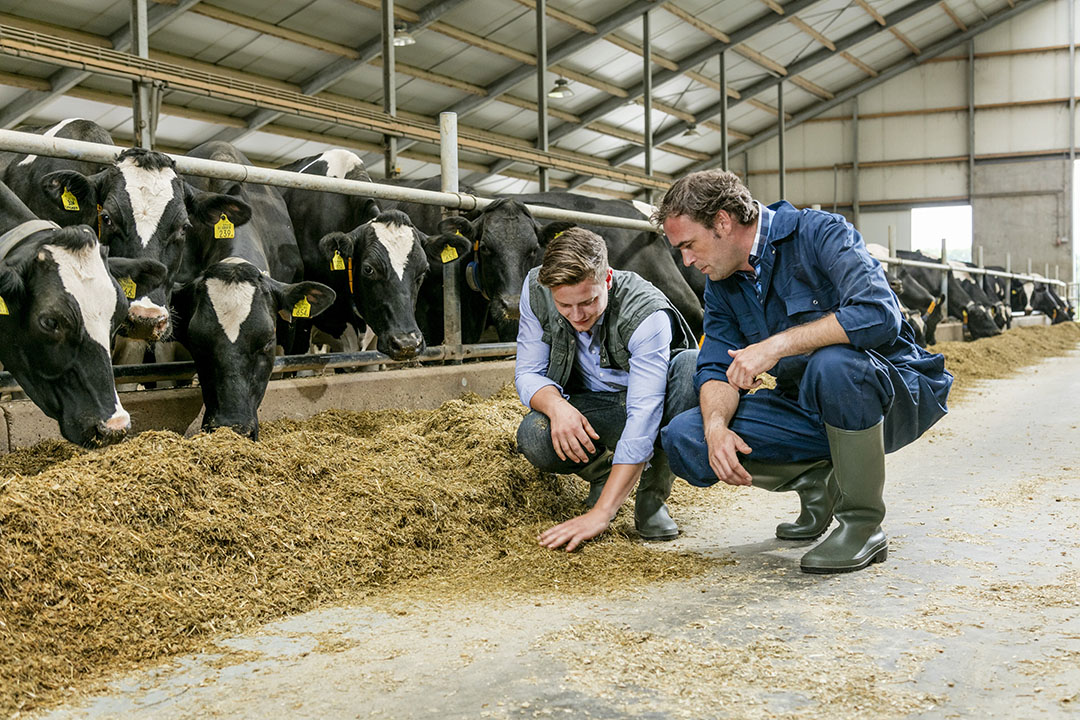
Zero grazing dairy farming represents a transformative approach to milk production in Kenya. This intensive farming method addresses critical challenges facing Kenyan farmers: limited land availability, increasing milk demand, and the need for sustainable agricultural practices.
The benefits of zero grazing are substantial:
- Higher milk yields per cow
- Efficient land utilization
- Better disease control
- Enhanced manure management
- Steady income generation
The success of your zero grazing venture depends on:
- Proper infrastructure setup
- Consistent feed management
- Regular veterinary care
- Skilled labor
- Detailed record keeping
While the initial investment might seem substantial, the long-term returns make zero grazing a viable business opportunity. A well-managed zero grazing unit can produce three times more milk than traditional grazing systems, creating a sustainable source of income for Kenyan farmers.
Ready to Start Your Zero Grazing Journey?
Royal Seedlings is here to support your transition into modern dairy farming. We offer:
- Expert guidance on farm setup
- Technical support for feed management
- Access to high-quality dairy breeds
- Ongoing consultation services
Our expertise extends beyond dairy farming. For instance, we also provide comprehensive training opportunities for aspiring commercial fruit growers in Muranga County, which could complement your zero grazing venture with additional sources of income from fruit farming. You can learn more about these training opportunities.
Additionally, if you’re considering diversifying into avocado farming, we offer professional training sessions that cover all aspects of this lucrative venture. Our avocado farming training is designed to equip you with the necessary skills and knowledge.
Take the First Step Today
Transform your dairy farming dreams into reality. Contact Royal Seedlings for personalized guidance and support:
📱 Phone: 0711315313
✉️ Email: julius.murega@royalseedlings.com
Your success in zero grazing dairy farming starts with the right partnership. Let Royal Seedlings be your trusted guide in this rewarding agricultural venture.
FAQs (Frequently Asked Questions)
What is zero grazing dairy farming and why is it important in Kenya?
Zero grazing dairy farming is an intensive livestock farming method where dairy cows are kept in confined units and fed with cut fodder instead of grazing freely. It is important in Kenya due to increasing milk demand and limited land availability, making it a sustainable approach to enhance milk production.
What are the main components of a zero grazing unit in Kenya?
A zero grazing unit typically includes cubicles for housing cows, designated feeding areas, milking areas, calf pens, and manure storage facilities. These components work together to ensure efficient management and animal welfare.
How is feeding managed in zero grazing systems, and what role does Napier grass play?
Feeding in zero grazing systems involves the cut-and-carry method where fodder like Napier grass is harvested daily and provided to the cows. Napier grass serves as a primary feed source due to its high nutritional value. Additionally, dairy meal supplements and mineral additives are used to enhance milk production.
What are the benefits of adopting zero grazing dairy farming in Kenya?
Adopting zero grazing increases milk yield potential compared to conventional grazing. It also promotes better animal health by providing controlled diets and reducing exposure to diseases, making it a beneficial practice for Kenyan farmers.
What costs and infrastructure considerations should be expected when setting up a zero grazing dairy farm?
Initial investments vary depending on the type of zero grazing unit—basic, standard, or premium. Designing infrastructure that promotes animal welfare and facilitates efficient management is crucial. Costs include building housing units, feeding areas, milking stations, and manure handling facilities.
Which cattle breeds are best suited for zero grazing systems in Kenya?
Friesian and Ayrshire breeds are well-suited for intensive zero grazing environments due to their adaptability and high milk production potential under confined management systems.