

Hass avocado farming industry is a major player in agriculture, driving economic growth and providing opportunities for thousands of smallholder farmers in Kenya. The avocado value chain has become a key contributor to the country’s foreign exchange earnings, with exports reaching significant markets in Europe and Asia.Hass avocado farming is a game chnager in the agricultural sector.
Smallholder farmers are the backbone of Kenya’s avocado production, growing these green gems in areas with perfect conditions for cultivation. They are crucial in meeting the increasing global demand for Hass avocados, known for their rich, creamy texture and exceptional nutritional value.
However, it’s important to note that Kenya’s agricultural landscape is diverse. In addition to avocado farming, onion farming, garlic farming, and sorghum farming also play significant roles in the economy. Each of these sectors has its own set of challenges and opportunities. For example, while cabbage farming is becoming more popular due to its local and international demand, sugarcane farming remains a staple in the country’s agricultural production.
This comprehensive guide on Hass avocado farming in Kenya will explore this industry in detail. We will discuss the major challenges faced by these farmers, such as difficulties in accessing markets and limitations in production. Additionally, we will highlight the promising opportunities ahead, including sustainable farming practices and improved cold chain management systems that have the potential to transform not only the avocado industry but also provide valuable insights for other sectors like onion, garlic, sorghum, cabbage, and sugarcane farming.
Challenges in Hass Avocado Farming
Kenyan Hass avocado farmers face significant marketing hurdles that impact their ability to maximize returns. The lack of direct market access forces many farmers to rely on intermediaries, reducing their profit margins and market control. These middlemen often dictate prices, leaving farmers with limited bargaining power in the value chain.
Market Access Barriers
- Limited access to international markets due to stringent certification requirements
- High costs of GlobalG.A.P certification and compliance
- Insufficient storage facilities at ports
- Unreliable transportation systems
- Complex bureaucratic registration processes
Quality Control Challenges
- Inconsistent fruit maturity levels at harvest
- Poor grading and sorting practices
- Inadequate post-harvest handling techniques
- Limited access to proper packaging materials
- High post-harvest losses during transportation
The production landscape presents its own set of challenges for Hass avocado farmers. Pest and disease management remains a critical concern, with common issues including:
- Phytophthora root rot
- Anthracnose
- Fruit flies
- Scale insects
To mitigate these pest issues, farmers can explore preventing pest infestations in young orchards naturally. Climate change impacts have intensified these production challenges. Farmers now battle:
- Unpredictable rainfall patterns
- Extended dry spells affecting flowering and fruit development
- Increased pest and disease pressure
- Soil degradation and erosion
Resource Constraints
Resource constraints are a significant hurdle for many avocado farmers. These constraints include:
- Limited access to quality inputs
- High costs of pesticides and fertilizers
- Inadequate irrigation infrastructure
- Lack of modern farming equipment
- Insufficient technical knowledge on best practices
In terms of resource constraints, the situation is not unique to avocado farming. For instance, the high costs of pesticides and fertilizers also affect maize farming in Kenya or carrot farming, where modern farming equipment is crucial for productivity.
Additionally, understanding the specific agricultural records management practices could provide insights into improving operational efficiency.
The export market poses additional complexities for smallholder farmers. Strict EU and UK regulations require:
- Investment in modern packhouses
- Advanced traceability systems
- Regular quality inspections
- Proper documentation and certification
- Temperature-controlled storage facilities
These requirements often exceed the financial and technical capabilities of many small-scale farmers, creating a significant barrier to market entry and sustainable growth in the sector.
However, there are opportunities for diversification within the agricultural sector in Kenya. For example, watermelon farming
Opportunities in Hass Avocado Farming
The Kenyan avocado sector presents significant growth opportunities through sustainable practices and innovative solutions. You can transform your farming operations by implementing these proven strategies:
1. Sustainable Agricultural Practices
- Integrated Pest Management (IPM) reduces chemical pesticide use while maintaining crop health
- Organic farming certification opens premium market opportunities
- Mulching techniques improve soil health and water retention
- Water-efficient drip irrigation systems cut costs and conserve resources
- Climate-resilient variety selection enhances crop survival rates
These sustainable practices can also be applied to other areas of agriculture. For instance, if you’re interested in diversifying your farming portfolio, you might consider exploring pumpkin farming in Kenya or arrowroot farming. Both sectors offer unique opportunities for growth and can benefit from the same sustainable practices that enhance avocado farming.
2. Cold Chain Management Systems
Implementing modern cold chain management systems is crucial for extending the shelf life of avocados. Here are some strategies:
- Modern cold storage facilities extend fruit shelf life up to 4 weeks
- Temperature-controlled transport vehicles maintain fruit quality during distribution
- Packhouse facilities with cooling systems reduce post-harvest losses by 40%
- Pre-cooling techniques prevent quality deterioration
- Real-time temperature monitoring systems ensure consistent quality
3. Value Addition Opportunities
- Processing facilities for avocado oil production
- Cosmetic product development using avocado extracts
- Packaging innovations for extended shelf life
- Direct marketing through farmer cooperatives
- Export market diversification beyond traditional destinations
4. Digital Solutions
- Mobile apps for market price information
- Online platforms connecting farmers to buyers
- Digital tracking systems for supply chain transparency
- Weather monitoring tools for improved farming decisions
- E-learning resources for farmer education, such as the training opportunities for aspiring commercial fruit growers in Muranga County
5. Financial Growth Potential
- Access to agricultural financing through cooperative societies
- Insurance products protecting against crop losses
- Contract farming arrangements with exporters
- Premium pricing for certified organic produce
- Value chain financing options
The adoption of these opportunities requires initial investment but yields substantial returns. Farmers implementing sustainable practices report yield increases of 30-40%. Cold chain systems reduce post-harvest losses from 40% to below 10%. These improvements translate to higher income potential and market competitiveness.
Your success in Hass avocado farming depends on embracing these opportunities while maintaining quality standards. The combination of sustainable practices and modern cold chain infrastructure creates a robust foundation for long-term profitability.
Moreover, as you venture into Hass avocado farming, it’s also worth considering grape farming or improved kienyeji chicken farming.
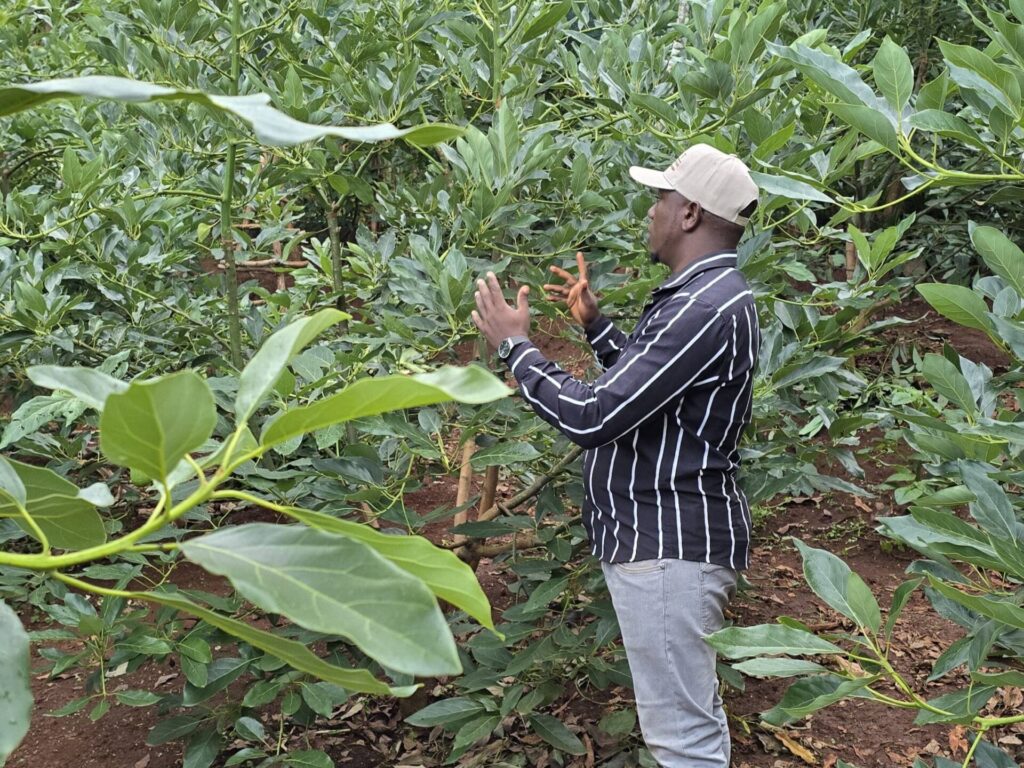
Policy Support and Capacity Building for Sustainable Hass Avocado Farming Growth
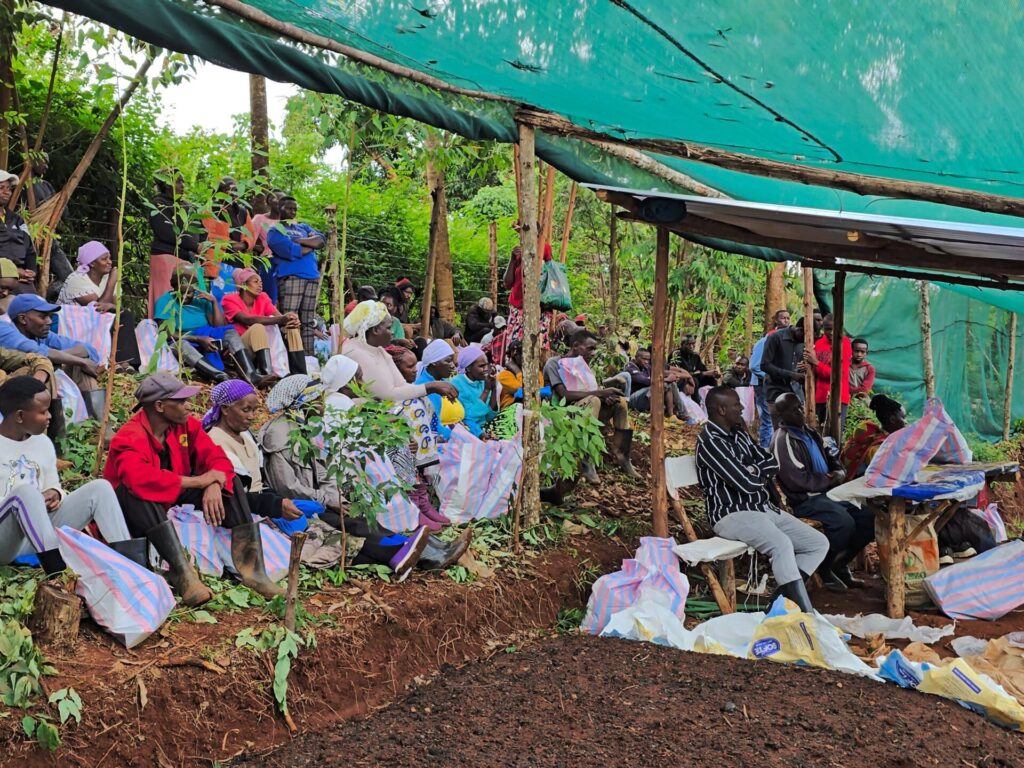
The Kenyan government’s role in supporting Hass avocado farming extends beyond regulatory frameworks. Strategic policy interventions create an enabling environment for sustainable growth in the avocado sector. Here’s how policy support shapes the industry:
Key Government Policy Initiatives
- Implementation of subsidized agricultural inputs programs
- Creation of agricultural extension services networks
- Development of market information systems
- Establishment of quality control mechanisms
- Support for research and development in avocado farming
The Agricultural Sector Development Strategy (ASDS) prioritizes capacity building for farmers through:
Technical Training Programs
- Pest management techniques
- Soil conservation methods
- Water management practices
- Post-harvest handling procedures
These technical training programs are not limited to avocado farming but also extend to other agricultural sectors such as sweet potato, coriander, wheat, and passion fruit farming.
Market Compliance Education
- GlobalG.A.P certification requirements
- Food safety standards
- Quality control measures
- Documentation procedures
County governments play a vital role by:
- Providing local extension services
- Organizing farmer field schools
- Facilitating access to credit facilities
- Supporting cooperative formation
Public-Private Partnerships in Hass avocado farming
These collaborations strengthen the avocado value chain through:
- Investment in processing facilities
- Development of storage infrastructure
- Creation of market linkages
- Technology transfer initiatives
The Kenya Plant Health Inspectorate Service (KEPHIS) supports farmers with:
- Phytosanitary certification
- Quality assurance programs
- Pest surveillance systems
- Training on international standards
In addition, policy measures such as Payment for Forest Environmental Services can further enhance sustainability efforts in agriculture by incentivizing conservation practices among farmers.
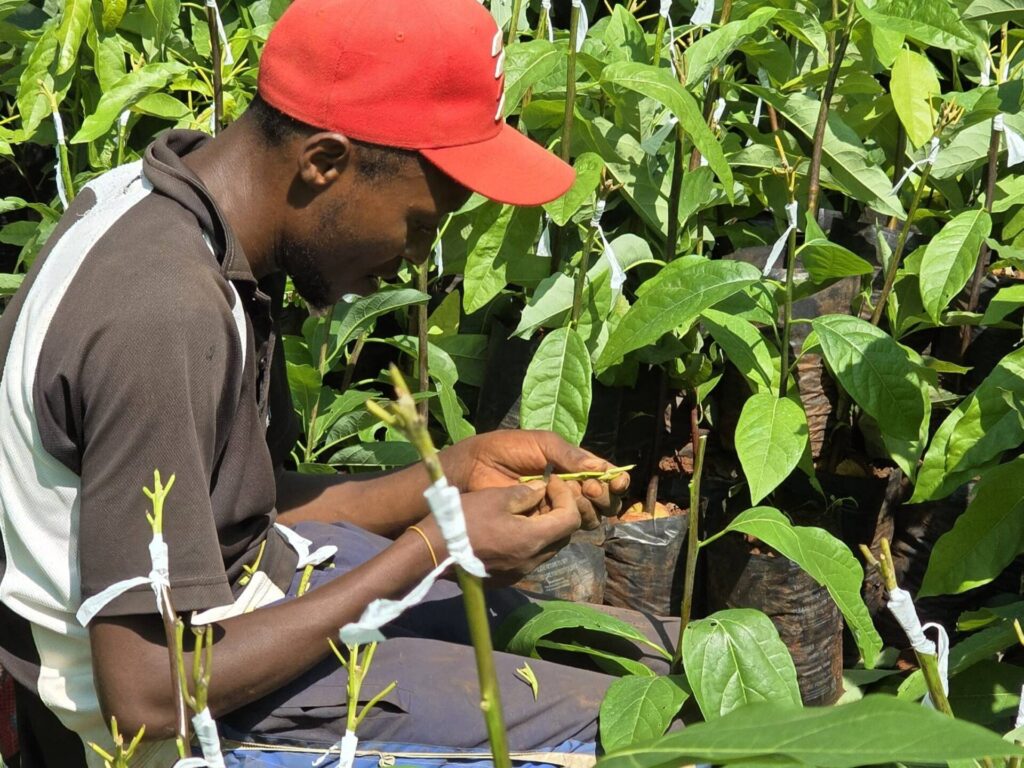
These policy measures, combined with targeted capacity building initiatives, equip farmers with essential skills and resources. The structured support system enables smallholder farmers to meet export market requirements while maintaining sustainable farming practices, which is crucial for long-term growth and food security as highlighted in various studies on sustainable agricultural practices.
Conclusion
The future of Hass avocado farming in Kenya holds immense potential for sustainable growth and economic development. The sector’s resilience, despite facing production and marketing challenges, demonstrates its capacity for transformation through innovative practices and strategic interventions.
Sustainable agricultural methods, coupled with improved market access and cold chain management, position Kenyan avocado farmers for success in the global market. The integration of climate-smart farming techniques and enhanced quality control measures creates a robust foundation for long-term industry growth.
Your participation in this growing sector can make a difference. Whether you’re an aspiring farmer or potential partner, we invite you to join us in shaping the future of Kenyan avocado farming.
Ready to Start Your Avocado Farming Journey?
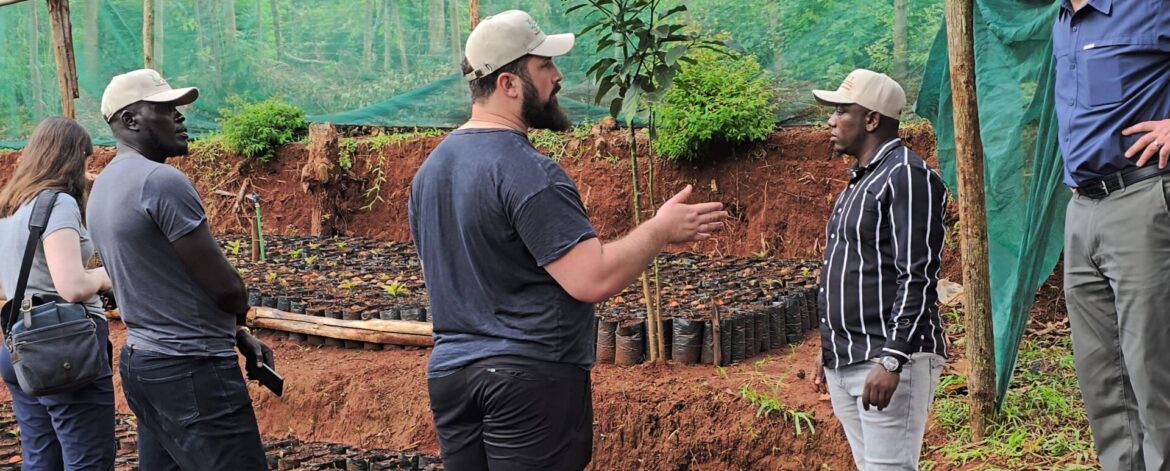
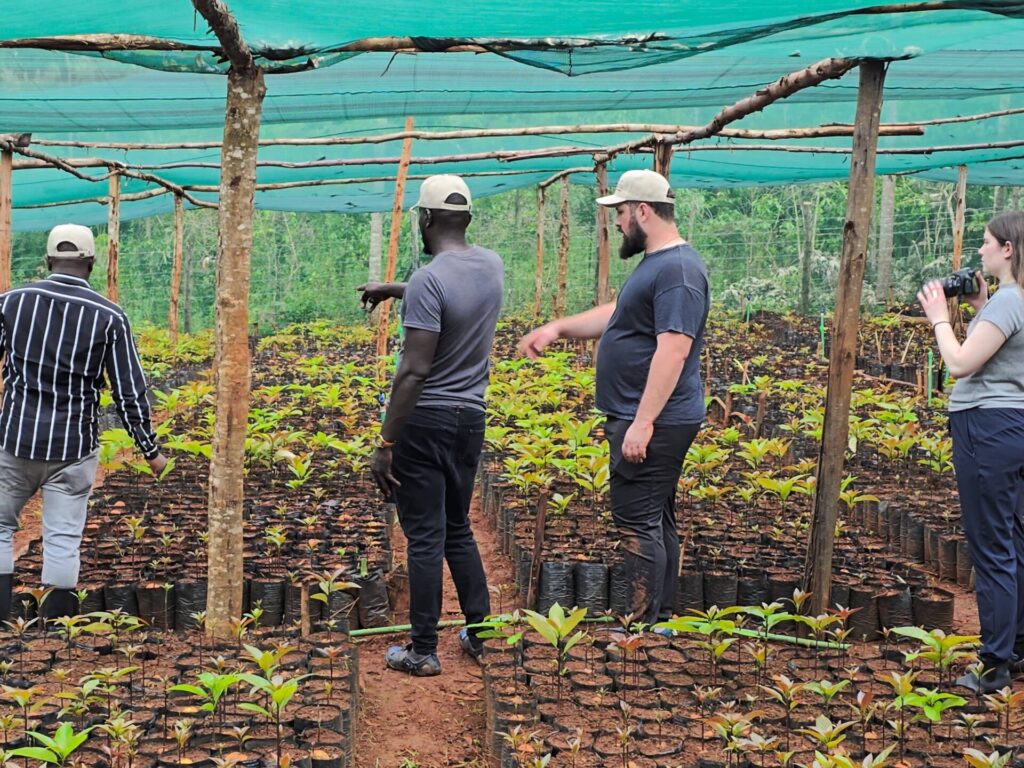
- Purchase high-quality Hass and Fuerte seedlings from our professional nursery.
- We offer grafted fruit seedlings which are known to yield better results.
- For those interested in learning more about avocado farming, we provide a comprehensive training session.
- If you’re unsure about when to plant your seedlings, refer to our seasonal planting calendar for guidance.
- For a detailed understanding of how to successfully start an avocado orchard, our step-by-step guide will be invaluable.
- Should you also have an interest in diversifying your farming activities, you might want to explore the potential income from other ventures such as dairy farming by looking into the income of a 10-cow dairy farm in Kenya.
For more information or inquiries, feel free to contact us:
 Phone: +254 711315313
- Email: Julius.murega@royalseedlings.
com, - Website:www.royalseedlings.com
 Phone: +254 711315313
 Email:
  Website:
FAQs (Frequently Asked Questions)
What are the main challenges faced by smallholder farmers in Hass avocado farming in Kenya?
Smallholder farmers in Kenya face challenges such as limited market access, inconsistent product quality, export barriers, pest and disease management issues, and the impacts of climate change on production.
How does limited market access affect Hass avocado farmers in Kenya?
Limited market access restricts farmers’ ability to sell their produce at favorable prices, leading to reduced income and difficulty in expanding their farming operations.
What opportunities exist for improving Hass avocado farming sustainability in Kenya?
Opportunities include adopting sustainable agricultural practices that enhance soil health and productivity, and developing cold chain management systems to maintain fruit quality during storage and transport.
Why is policy support important for sustainable growth in Kenyan Hass avocado farming?
Policy support from the government facilitates sustainable growth by providing frameworks for resource allocation, supporting capacity building initiatives, and helping farmers meet export market requirements.
How can capacity building help Kenyan Hass avocado farmers meet export market standards?
Capacity building initiatives equip farmers with knowledge and skills on quality control, pest management, post-harvest handling, and compliance with international standards, enabling them to access lucrative export markets.
How can interested individuals purchase Hass and Fuerte avocado seedlings or partner with the organization?
Interested individuals can purchase seedlings or explore partnership opportunities by calling 0711315313 or emailing julius.murega@royalseedlings.com for more information.