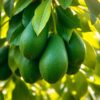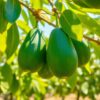



Understanding the Climate Requirements for Avocado Farming in Kenya is critical. Kenya’s avocado farming sector has emerged as a powerhouse in global agriculture, transforming from 13,305 hectares in 2015 to an impressive 20,000+ hectares by 2017. The country’s success in avocado production has captured international attention, with major exports reaching diverse markets including Egypt, Saudi Arabia, Russia, and the European Union.
The remarkable growth of Kenya’s avocado industry stems from the country’s unique climate advantages. Specific regions across Kenya offer the perfect blend of temperature, rainfall, and altitude essential for avocado cultivation. These natural conditions, combined with proper farming practices such as those outlined in this step-by-step guide to starting an avocado orchard in Kenya, create an ideal environment for producing high-quality avocados that meet international market standards.
Your success in avocado farming depends heavily on understanding and adapting to these climate requirements. The right environmental conditions directly influence:
- Fruit development and maturation
- Tree health and disease resistance
- Harvest quality and yield potential
- Export market viability
This guide explores the essential climate factors for avocado farming in Kenya, including optimal temperature ranges, rainfall requirements, and altitude considerations. You’ll discover suitable avocado varieties for different regions and learn about soil conditions that support healthy tree growth. We’ll also examine modern farming techniques and technological innovations that help maximize your farming success in Kenya’s diverse agricultural zones.
Moreover, understanding these climate requirements can also be beneficial if you’re considering diversifying your agricultural ventures. For instance, the knowledge gained from this complete guide to sugarcane farming in Kenya or this all you need to know about sweet potato farming in Kenya, can provide valuable insights into other crops that thrive under similar climatic conditions.
Additionally, if you’re facing challenges such as pest infestations in your young avocado orchards, the strategies discussed in our article on preventing pest infestations in young orchards naturally could prove useful. Lastly, exploring other successful farming practices such as those detailed in our pumpkin farming in Kenya best practices and tips article could further enhance your overall agricultural success.
1. Ideal Climatic Conditions for Avocado Farming in Kenya
Successful avocado farming in Kenya depends on specific climatic conditions that create the perfect environment for growth and fruit production.
Temperature Requirements
The ideal temperature range for avocado cultivation sits between 25-28°C. This temperature range:
- Promotes optimal photosynthesis
- Supports healthy flower development
- Ensures proper fruit set
- Maintains consistent growth patterns
Rainfall Patterns
Avocado trees require a minimum of 1000mm annual rainfall, distributed evenly throughout the year. This consistent water supply:
- Supports fruit development during critical growth stages
- Prevents fruit drop
- Maintains soil moisture levels
- Reduces irrigation needs
Altitude Considerations
The sweet spot for avocado cultivation in Kenya lies between 1500-2100 meters above sea level. This elevation range provides:
- Natural protection against certain pests
- Reduced disease pressure
- Better fruit quality
- Enhanced tree vigor
Prime Growing Regions
Kenya’s diverse landscape offers several regions with these ideal conditions:
Central Regions
- Kiambu
- Nyeri
- Murang’a
Eastern Regions
- Meru
- Embu
- Kathiani
- Mua Hills
- Machakos
Western Regions
- Eldoret
- Kisii
These areas combine the perfect mix of temperature, rainfall, and altitude requirements. The regions benefit from:
- Rich volcanic soils conducive for various crops like onions, garlic, and sorghum
- Natural wind protection
- Adequate sunlight exposure
- Reliable rainfall patterns
The combination of these specific climatic factors creates microclimates particularly suited for avocado production. Farmers in these regions experience higher success rates and better fruit quality when following proper cultivation practices. Understanding the benefits of grafted fruit seedlings can also enhance productivity.
2. Soil and Environmental Requirements for Successful Avocado Cultivation
Avocado trees require specific soil conditions to grow well and produce high-quality fruits. Well-drained soils are crucial for healthy root development. Soils that are heavy in clay or compacted can cause:
- Root rot diseases
- Stunted growth
- Reduced fruit production
- Poor nutrient absorption
The ideal soil pH range of 5 to 7 creates the best conditions for plants to take in nutrients. At this pH level, essential elements like iron, zinc, and phosphorus become easily accessible to the plants. You can maintain proper pH levels through:
- Regular soil testing
- Application of agricultural lime for acidic soils
- Addition of sulfur for alkaline soils
Land preparation is important for establishing a strong foundation for avocado trees. The recommended practices include:
- Deep plowing to 30cm depth
- Breaking up soil clumps
- Removing weeds and debris
- Creating raised beds in areas prone to waterlogging
Soil enrichment requires a balanced approach:
- Organic fertilizers such as well-decomposed manure, compost, and green manure crops
- Chemical fertilizers including NPK combinations, micronutrient supplements, and controlled-release fertilizers
Sandy loam to loam soils are ideal for growing avocados in Kenya. These soil types provide good drainage while still holding enough moisture. They also allow for proper root penetration and support the extensive root system needed for optimal tree growth and fruit production.
3. Climate-Resilient Avocado Varieties for Kenyan Farmers
The Hass variety stands as Kenya’s premier avocado choice, characterized by its exceptional commercial attributes:
- Extended Harvest Window: 8-10 months of productive harvesting
- Rich Oil Content: 18-25% oil concentration
- Compact Growing: 5×5 meter spacing allows for higher density planting
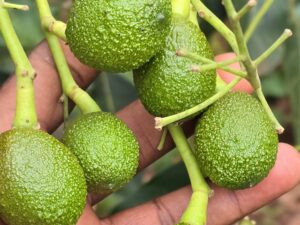
- Market Appeal: Dark, bumpy skin turns purple-black when ripe
- Storage Resilience: 2-4 weeks shelf life under proper conditions
The Fuerte variety thrives in Kenya’s highland regions, displaying:
- Temperature tolerance between 20-24°C
- Smooth, green skin
- Resistance to cold conditions
- Strong performance in areas like Nyeri and Murang’a
Regional Adaptability of Other Varieties
Puebla
- Suited for mid-altitude regions (1500-1800m)
- Performs well in Machakos and Embu
- Moderate disease resistance
- Green-skinned with medium oil content
Nabal
- Adapts to higher rainfall areas
- Thrives in Kisii and Meru regions
- Round fruit shape
- Strong resistance to fungal diseases
Pinkerton
- Suited for drier regions
- Performs well in Kathiani and Mua Hills
- Smaller tree size
- High yield potential in proper conditions
Each variety demonstrates specific climate adaptations. Hass excels in regions with consistent temperatures around 25°C, while Fuerte shows better cold tolerance. Puebla adapts well to varying rainfall patterns, making it suitable for transitional zones. Nabal’s disease resistance proves valuable in high-humidity areas, and Pinkerton’s compact growth suits regions with limited water availability.
These distinct characteristics enable Kenyan farmers to select varieties based on their specific regional climate conditions, maximizing production potential and reducing climate-related risks. To further enhance their farming practices, Kenyan farmers should consider sourcing their seedlings from reputable nurseries which ensure high-quality produce.
Additionally, diversifying into other profitable farming ventures such as dairy farming or carrot farming could also provide substantial income to these farmers.
4. Crop Management Practices Tailored to Local Climatic Conditions
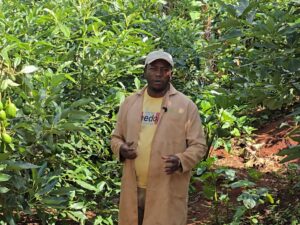
Effective crop management practices play a vital role in successful farming across Kenya’s diverse climatic regions. Whether it’s avocado or passion fruit farming, the implementation of specific techniques helps farmers maintain optimal growing conditions throughout the year.
Organic Mulching Strategies
- Apply a 10-15cm layer of organic mulch around trees
- Use locally available materials like grass clippings, dried leaves, or wood chips
- Keep mulch 15cm away from tree trunk to prevent collar rot
- Replace mulch every 4-6 months during the growing season
Organic mulching creates a protective barrier that reduces soil water evaporation by up to 70% during hot dry spells in regions like Meru and Machakos. This practice helps maintain consistent soil moisture levels and regulates soil temperature, particularly beneficial during Kenya’s dry seasons.
Strategic Pruning Practices
The timing of pruning activities directly impacts fruit quality and tree health. Here’s a region-specific pruning schedule:
High-Rainfall Areas (Kisii, Nyeri)
- Light pruning during dry spells
- Remove dead branches monthly
- Shape trees before the long rains begin
Semi-Arid Regions (Machakos, parts of Meru)
- Heavy pruning after harvest
- Remove water shoots during wet season
- Maintain lower tree height to reduce water loss
Pruning practices vary based on local rainfall patterns and help manage tree size, improve air circulation, and enhance light penetration. These adaptations allow farmers to maximize fruit production while considering their specific climatic challenges.
Regular monitoring of soil moisture levels guides the adjustment of mulching thickness and pruning intensity throughout the growing season. This responsive approach to crop management ensures optimal growing conditions for avocado trees across Kenya’s diverse agricultural zones.
5. Technological Innovations Supporting Climate-Smart Avocado Farming in Kenya
Modern technology is transforming avocado farming practices in Kenya, empowering farmers to adapt to changing climate patterns and enhance their crop management strategies.
1. Precision Irrigation Systems
- Smart moisture sensors track soil water content in real-time
- Automated watering schedules based on actual plant needs
- Water conservation during El Niño-induced dry spells
- Remote system control through mobile applications
- Reduced water waste and improved resource efficiency
2. Drone Technology Applications
- High-resolution aerial imagery for crop health assessment
- Early detection of fungal diseases in humid conditions
- Thermal imaging to identify water-stressed trees
- GPS mapping for precise fertilizer application
- Regular monitoring of large avocado orchards
These technological solutions assist Kenyan farmers in maintaining optimal growing conditions throughout various seasons. Precision irrigation systems deliver water directly to root zones, preventing over-watering while ensuring consistent soil moisture levels. The systems adapt to weather changes, automatically adjusting water distribution based on real-time data.
Drone technology revolutionizes crop monitoring by offering detailed insights into tree health. Farmers receive early alerts about potential disease outbreaks, particularly during periods of high humidity. The aerial imagery helps identify stressed trees requiring immediate attention, leading to targeted interventions and reduced crop losses.
The integration of these technologies fosters a data-driven approach to avocado farming. Farmers can access comprehensive analytics about their orchards through mobile platforms, enabling informed decision-making regarding irrigation, disease control, and nutrient management.
This technological advancement equips Kenyan avocado farmers with the tools needed to effectively tackle climate-related challenges while preserving top-notch fruit production. However, the advantages of these innovations extend beyond avocado farming alone. They hold the potential for application in other agricultural sectors such as coriander farming, wheat farming, maize farming, watermelon farming, and arrowroot farming in Kenya.
6. Post-Harvest Handling Practices Influenced by Climate Factors in Avocado Export Trade from Kenya
The success of Kenya’s avocado exports relies on effective post-harvest handling practices, especially during the difficult tropical climate conditions. Proper timing of harvest is crucial – picking avocados early in the morning when temperatures are lower helps preserve fruit quality.
Key Post-Harvest Practices for Climate Resilience:
- Immediate transfer of harvested fruits to shaded collection points
- Pre-cooling treatment within 2-4 hours of harvest
- Storage at controlled temperatures between 5-13°C
- Humidity maintenance at 85-95% during storage
The tropical climate during peak export season (March to August) poses specific challenges for Kenyan avocado farmers. High temperatures can speed up ripening and increase the risk of quality decline during transportation.
Climate-Smart Storage Solutions:
- Use of modified atmosphere packaging to slow down ripening
- Implementation of cold chain management systems
- Regular monitoring of temperature and humidity levels
- Strategic scheduling of shipments to avoid extreme weather conditions
Kenya’s avocados have a journey of 6-8 days to reach European markets and 4-5 days to Middle Eastern destinations. The superior taste profile of Kenyan avocados creates high demand in these markets, making proper handling essential for maintaining this competitive advantage.
Quality Control Measures:
- Regular inspection of storage facilities
- Temperature monitoring during transportation
- Documentation of climate conditions throughout the supply chain
- Training programs for handling staff on climate-sensitive practices
Advanced packaging technologies and refrigerated containers help maintain optimal conditions during transit, ensuring Kenyan avocados reach international markets in prime condition despite challenging climatic factors. To further enhance these post-harvest handling practices, it is important to consider the impact of climate factors on food quality, which can provide valuable insights into optimizing these procedures.
7. Growth Trends and Market Implications Related To Climate Suitability For Avocado Farming In Different Regions Of Kenya
Kenya’s avocado farming sector has experienced remarkable expansion, with cultivated area surging from 13,305 hectares in 2015 to beyond 20,000 hectares by 2017. This growth pattern directly correlates with the identification of climate-suitable zones across the country.
Key Growth Areas
- Central Highlands region leads production volumes
- Meru-Embu belt shows significant expansion
- Rift Valley zones demonstrate emerging potential
The climate-driven success of Kenyan avocados has attracted attention from diverse international markets. Current major export destinations include:
- United Arab Emirates
- Saudi Arabia
- Netherlands
- Egypt
- Russia
- Hong Kong
- Qatar
- Morocco
- South Africa
These markets specifically value Kenyan avocados for their distinct quality attributes, developed through optimal growing conditions. The combination of altitude, temperature, and rainfall patterns in Kenya’s avocado-growing regions creates ideal conditions for producing fruit with:
- Rich, creamy texture
- High oil content
- Extended shelf life
- Consistent size and shape
Regional Production Patterns
Different regions showcase varying production capacities based on their specific climatic conditions:
- Central Highlands
- Highest concentration of commercial farms
- Year-round production capability due to favorable climate and seasonal planting calendar
- Premium quality fruit for export markets
- Rift Valley Region
- Emerging production hub
- Suitable for specific varieties of crops including avocados and grapes
- Growing contribution to export volume
- Eastern Region
- Specialized production zones
- Climate-adapted varieties such as kienyeji chicken which could be integrated into avocado farming practices as part of a sustainable farming model how-to-succeed-in-improved-kienyeji-chicken-farming-in-kenya
- Strategic harvest timing for market windows
The distribution of suitable growing areas has created specialized production clusters, each targeting specific market segments based on their climatic advantages. Farmers in these regions can align their production strategies with market demands while leveraging their local climate conditions for optimal yields.
Conclusion
The success of avocado farming in Kenya depends on understanding and adapting to specific climate requirements. With knowledge about the best temperature ranges, rainfall patterns, and altitude factors, farmers can make smart choices to increase their harvests and grow high-quality fruits.
Your journey to successful avocado farming begins with choosing the right seedlings. At Royal Seedlings Limited, we specialize in producing top-quality grafted seedlings of popular varieties, including the market-leading Hass avocado. Our expert team offers:
- Professional guidance on farming practices suited to your climate
- Technical support throughout your farming journey
- High-quality, disease-resistant seedlings
- Consultation services after planting
The growing global demand for Kenyan avocados presents a golden opportunity for farmers. By implementing climate-smart practices and choosing the right varieties for your region, you position yourself for success in this lucrative market.
Ready to start your avocado farming journey?
Contact Royal Seedlings Limited:
- 📱 Phone: 0711315313
- 📧 Email: julius.murega@royalseedlings.com
Transform your farming dreams into reality with climate-appropriate strategies and quality seedlings from Royal Seedlings Limited – your trusted partner in avocado farming success.
Buy Hass seedlings in Kenya today and join the growing community of successful avocado farmers.
Additionally, if you’re interested in diversifying your farming portfolio, you might want to explore cabbage farming in Kenya, or consider leveraging tissue culture techniques for banana seedling production.
For those aspiring to become commercial fruit growers, we also offer training opportunities in Muranga County, which could be beneficial in enhancing your farming skills and knowledge.
FAQs (Frequently Asked Questions)
What are the ideal climatic conditions for avocado farming in Kenya?
The optimal temperature range for avocado growth in Kenya is between 25-28°C, with a minimum annual rainfall of at least 1000mm evenly distributed throughout the year. Suitable altitudes range from 1500 to 2100 meters, which influence crop performance and disease resistance. Regions such as Meru, Eldoret, Kiambu, Kisii, Nyeri, Murang’a, Embu, Kathiani, Mua Hills, and Machakos meet these conditions and are ideal for avocado cultivation.
What soil characteristics are best suited for successful avocado cultivation in Kenya?
Avocado trees thrive in well-drained soils with a pH ranging from 5 to 7 to ensure optimal nutrient availability and uptake. Proper land preparation including adequate plowing depth and enriching the soil with organic or chemical fertilizers creates a conducive environment for healthy root development and prevents waterlogging issues common in avocado farming.
Which avocado varieties are climate-resilient and commercially viable for Kenyan farmers?
The Hass variety is highly preferred in Kenya due to its longer harvesting period, higher oil content, better shelf life, and suitability for compact spacing (5×5 meters), making it commercially viable. Other varieties like Fuerte, Puebla, Nabal, and Pinkerton are also cultivated based on their unique traits and market demand. These varieties differ in climate adaptability and disease resistance, influencing their suitability across various Kenyan regions.
How can farmers manage avocado crops effectively according to local climatic conditions in Kenya?
Farmers can adopt crop management practices such as organic mulching to reduce soil evaporation during hot dry spells common in areas like Meru or Machakos County. Pruning schedules before flowering and after harvesting enhance fruit quality while aligning with local climate patterns like rainfall distribution that affect tree growth cycles.
What technological innovations support climate-smart avocado farming in Kenya?
The adoption of precision irrigation systems equipped with moisture sensors enables optimal water use during dry spells or uneven rainfall events caused by climate change phenomena like El Niño. Additionally, drones facilitate real-time monitoring of crop health allowing early detection of stress factors such as high humidity that may lead to fungal disease outbreaks.
How do climate factors influence post-harvest handling practices for Kenyan avocados destined for export markets?
Careful harvesting methods are crucial to maintaining fruit quality during transportation under tropical climates prevalent during peak export seasons. Heat exposure poses a risk of spoilage en route to destination countries like Europe or the Middle East. Proper handling ensures Kenyan avocados retain their superior taste profile compared to other origins, supporting their popularity in global markets.