

This is a beginner’s guide to Avocado Farming in Kenya. Kenya is a leading producer of avocados in the world, and this profitable agricultural business is changing lives throughout the country. Avocado farming has become an important factor in the growth of agriculture and the economy, from the central highlands of Kenya to the productive lands of the Rift Valley.
The statistics tell a powerful story: Kenya is one of the top exporters of avocados globally, sending high-quality fruits to Europe, the Middle East, and Asia. This flourishing industry plays a significant role in boosting the country’s foreign exchange earnings, generating jobs, and supporting numerous farming families.
What makes Kenyan avocados special?
- The soil in Kenya is rich and fertile, making it ideal for growing avocados.
- Different regions in Kenya have favorable climate conditions that are perfect for avocado cultivation.
- There is a strong demand in the market for Kenyan avocado varieties.
- Kenya has established an infrastructure for exporting avocados.
This comprehensive guide will walk you through every aspect of starting your avocado farming journey in Kenya. You’ll discover:
- Best avocado varieties for different regions
- Essential growing conditions and soil requirements
- Step-by-step planting techniques
- Water management strategies
- Pest control and disease prevention
- Harvesting best practices
- Post-harvest handling tips
- Market opportunities and success factors
Whether you’re a first-time farmer or looking to expand your agricultural portfolio, this guide equips you with practical knowledge to establish and maintain a profitable avocado farming enterprise in Kenya.

However, it’s worth noting that avocado farming is just one of many lucrative agricultural ventures in the country. Other crops like onions, garlic, sorghum, and sugarcane also offer promising opportunities. For instance, you can explore onion farming, garlic farming, sorghum farming, and sugarcane farming in Kenya as well.
Understanding Avocado Varieties Suitable for Kenya
Kenya’s avocado industry thrives on specific varieties that match market demands and local growing conditions. Here’s what you need to know about the main varieties:
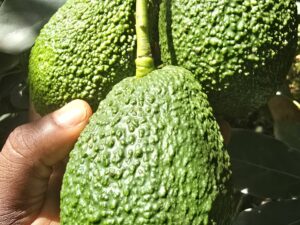
1. Hass Avocado
- Dark, pebbly skin that turns purple-black when ripe
- Creamy texture with nutty flavor
- High oil content (18-25%)
- Premium export variety
- Excellent shelf life
- Matures in 9-12 months
2. Fuerte Avocado
- Smooth, green skin
- Pear-shaped fruit
- Oil content (16-18%)
- Popular in local markets
- Early-season variety
- Matures in 7-8 months
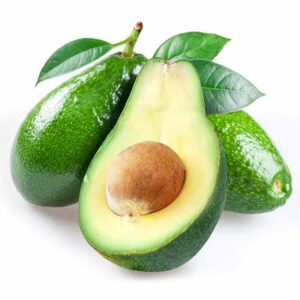
3. Additional Commercial Varieties
- Pinkerton: Large fruit, small seed
- Reed: Round shape, consistent bearer
- Jumbo (Kienyeji): Local variety, large size
- Puebla: Cold-hardy, good for high altitudes
- Booth 7 & 8: Disease resistant varieties
Variety Selection Factors
When selecting the right avocado variety for your farm, consider the following factors:
- Altitude of your farm – This can influence the type of avocado that will thrive.
- Local climate conditions – Certain avocados are more suited to specific climates.
- Target market preferences – Understanding what your market wants can guide your selection.
- Disease resistance – Some varieties are more resistant to diseases than others.
- Maturity timing – Different varieties have different maturation periods.
- Pollination requirements – This is crucial for fruit set and yield.
For export markets, Hass dominates due to its superior shipping qualities and high demand in European markets. Local markets accept a wider variety range, with Fuerte and Jumbo particularly popular among Kenyan consumers.
If you’re considering expanding your agricultural portfolio beyond avocados, training opportunities for aspiring commercial fruit growers in areas like Muranga County could be beneficial. Additionally, exploring other crops such as sweet potatoes or wheat could diversify your farming venture. For instance, sweet potato farming has its own unique set of requirements and benefits. Similarly, wheat farming also presents a lucrative opportunity with the right knowledge and resources.
In case you’re interested in herbs, coriander farming might be an interesting avenue to explore. On the other hand, if you’re more inclined towards staple crops, maize farming is another viable option worth considering.
Ideal Growing Conditions for Avocado Farming in Kenya
Successful avocado farming in Kenya requires specific environmental conditions to achieve optimal growth and fruit production.
Altitude Requirements
- Lowland varieties: 1,000-1,500m above sea level
- Highland varieties (including Hass): 1,500-2,100m above sea level
- Areas beyond 2,100m risk frost damage to trees
Temperature Ranges
- Optimal range: 15°C-30°C
- Hass variety: 25°C-28°C for best production
- Night temperatures below 10°C affect flowering
- Temperatures above 35°C reduce fruit set
Rainfall Patterns
- Annual requirement: 1,000-1,600mm
- Well-distributed rainfall throughout the year
- Critical water needs during:
- Flowering phase
- Fruit development stage
- Early establishment period
Soil Characteristics
- Soil type: Deep, well-drained loam or sandy loam
- pH range: 5.5-6.5
- Soil depth: Minimum 1.5m for root development
- Drainage: Good internal drainage essential
- Organic matter: High content preferred
These growing conditions align perfectly with several Kenyan regions, particularly in Central Kenya (Murang’a, Kiambu), parts of Rift Valley (Nakuru), and Eastern regions (Embu, Meru). Areas with heavy clay soils or waterlogged conditions should be avoided as they increase the risk of root rot disease.
Interestingly, the ideal conditions for avocado farming share similarities with those required for successful kienyeji chicken farming and grape farming in Kenya.
Selecting and Preparing Planting Material
Quality planting material is crucial for successful avocado farming in Kenya. Grafted seedlings aged 9-12 months, known for their superior results, offer several advantages:
- Enhanced disease resistance
- Earlier fruit production
- Higher yields
- Predictable fruit quality
- Stronger root systems
Certified nurseries produce these grafted seedlings by combining hardy rootstock with high-performing scion material. The grafting process creates trees that start producing fruit within 3-4 years, compared to 7-8 years for ungrafted seedlings.
Warning Signs of Uncertified Seedlings:
- Unusually low prices
- Missing certification tags
- Unclear variety identification
- Poor root development
- Signs of pests or diseases
- Lack of proper documentation
You’ll find certified avocado seedlings at:
- KALRO research stations
- Licensed private nurseries
- County agricultural offices
- Registered farmer cooperatives
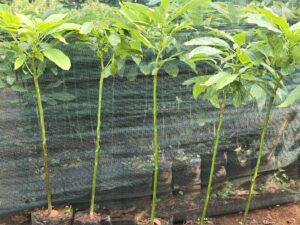
The preparation process requires careful inspection of your seedlings. Look for:
- Healthy green leaves
- Strong stem structure
- Well-developed root system
- Clear graft union
- Height of 60-90cm
- Minimum of 3-4 leaf flushes
Your selected seedlings need hardening off for 2-3 weeks before transplanting. This process involves gradually reducing water and shade to strengthen the plants for field conditions.
For those interested in expanding their farming portfolio beyond avocados, exploring other crops such as bananas could be worthwhile. Understanding the role of tissue culture in banana seedling production can provide valuable insights into this process.
If you’re considering diversifying into vegetable farming, a complete guide on cabbage farming in Kenya could be beneficial. It’s also essential to have a clear seasonal planting calendar for fruit seedlings in Central Kenya to optimize your planting schedule and maximize yield.
To ensure optimal growth and yield, it’s important to follow some general production recommendations which can be found in this guide. Additionally, if you’re considering setting up your own nursery, you may find this comprehensive guide on establishing nurseries helpful.
Planting Techniques and Spacing Guidelines
Proper spacing and layout of your avocado orchard directly impacts tree health, fruit production, and farm management efficiency. The Hass variety requires a spacing of 5×5 meters between trees, allowing 400 trees per hectare. Other varieties like Fuerte and Pinkerton need wider spacing of 6-8 meters, accommodating 200-278 trees per hectare.
Your orchard rows should align north to south for:
- Maximum sunlight exposure throughout the day
- Enhanced air circulation between trees
- Reduced disease pressure
- Easier mechanization and farm operations
The planting process requires specific steps:
- Dig holes measuring 60cm x 60cm x 60cm
- Mix topsoil with 20kg of well-decomposed manure
- Place a layer of topsoil mixture at the bottom of the hole
- Position the seedling at the same depth it was in the nursery
- Fill the hole with remaining soil mixture
- Create a water basin around the tree
Pro tip: Mark your planting points using string lines and pegs to ensure straight rows and accurate spacing. This systematic approach simplifies future orchard management tasks like irrigation, spraying, and harvesting.
During dry seasons, mulch around newly planted trees using dry grass or crop residues. Keep the mulch 15cm away from the tree trunk to prevent collar rot and pest infestation.
Water Management Strategies in Avocado Farming
Water management plays a critical role in the success of avocado farming. Avocado trees require consistent moisture levels throughout their growth cycle, with specific attention during flowering and fruit set stages.
Critical Watering Periods:
- Young trees need 15-20 liters of water every 3-4 days
- Mature trees require 40-50 liters per week during dry seasons
- Flowering stage demands 30% increased water supply
- Fruit set period needs steady moisture to prevent fruit drop
Drip irrigation systems stand out as the most efficient water management solution for avocado orchards. This method delivers water directly to the root zone, creating ideal growing conditions while minimizing waste.
Benefits of Drip Irrigation:
- Reduces water usage by 30-40% compared to traditional methods
- Maintains consistent soil moisture levels
- Prevents leaf wetness, reducing disease risks
- Allows precise fertilizer application through fertigation
- Saves labor costs in large-scale operations
Essential Water Management Tips:
- Install moisture sensors to monitor soil water content
- Apply mulch around trees to retain moisture
- Water early morning or late evening to minimize evaporation
- Adjust irrigation schedules based on seasonal changes
- Create drainage channels to prevent waterlogging
While proper water management is crucial for root health, it’s important to be aware that waterlogged conditions can lead to root rot, which poses a significant threat to avocado trees. Conversely, insufficient watering can stress the trees, leading them towards decline. In such cases, understanding common causes of tree distress and how to save them can be beneficial.
Fertilization Practices for Optimal Growth
Proper fertilization is a key part of successful avocado farming in Kenya. Your avocado trees need specific nutrients at different growth stages to produce high-quality fruits and stay healthy.
Initial Planting Stage
- Mix 20kg of well-decomposed organic manure with topsoil in each planting hole
- Add 500g of single superphosphate fertilizer to boost root development
- Incorporate 100g of calcium ammonium nitrate to support early growth
Established Trees
Apply NPK 17:17:17 fertilizer three times per year:
- February-March (before flowering)
- June-July (fruit development)
- October-November (after harvest)
Soil Testing Guidelines
- Conduct soil tests every 2-3 years
- Maintain soil pH between 5.5-6.5
- Adjust fertilizer ratios based on test results
Organic Fertilization Tips
- Use composted chicken manure at 30kg per tree annually
- Apply mulch around the tree base to retain moisture
- Keep organic matter 30cm away from the trunk to prevent collar rot
Your fertilization program should adapt to tree age and size. Young trees (1-3 years) require half the recommended fertilizer amounts. Mature trees benefit from increased quantities based on their canopy size and fruit load.
Signs of nutrient deficiency include yellowing leaves, stunted growth, and poor fruit development. Regular soil testing helps identify specific nutrient needs and prevents over-fertilization, which can damage root systems and reduce fruit quality.
Pest and Disease Management in Avocado Orchards
Effective pest and disease control determines the success of your avocado farming venture. Understanding common threats and their management strategies helps protect your investment.
Common Pests in Kenyan Avocado Farms
- Fruit Flies: These pests lay eggs in ripening fruits, causing premature dropping. Use fruit fly traps and approved pesticides during fruit development.
- Thrips: Small insects that damage young leaves and flowers, leading to scarred fruits. Regular monitoring and targeted spraying control thrip populations.
- False Codling Moths: These create entry points for fungal infections. Install pheromone traps for early detection.
- Scale Insects: They feed on plant sap, weakening trees. Apply horticultural oils during dormant seasons.
To combat these pests, you might consider preventing pest infestations in young orchards naturally. This approach can significantly reduce the reliance on chemical interventions.
Major Diseases and Control Methods
- Root Rot (Phytophthora): Signs include yellowing leaves and branch dieback
- Ensure proper drainage
- Use resistant rootstock
- Apply copper-based fungicides
- Anthracnose: Creates dark spots on fruits
- Maintain tree spacing for air circulation
- Prune infected branches
- Apply registered fungicides
- Cercospora Fruit Spot: Causes black lesions on fruit surface
- Remove infected fruits
- Spray protective fungicides during wet seasons
- Scab: Creates raised, dark spots on fruits
- Practice regular orchard sanitation
- Apply protective sprays during fruit development
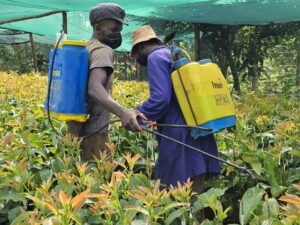
Implementing an Integrated Pest Management (IPM) approach combines cultural, biological, and chemical control methods. Regular scouting helps detect problems early, reducing the need for chemical interventions.
For those interested in diversifying their farming ventures, exploring passion fruit farming in Kenya could be a worthwhile consideration.
Pruning Techniques to Enhance Yield Quality
Proper pruning practices transform avocado trees into high-yielding, manageable assets. A well-pruned avocado tree produces quality fruits and maintains optimal health throughout its productive years.
Essential Pruning Goals:
- Shape young trees for strong framework
- Remove dead, diseased, or crossing branches
- Create open canopy structure
- Limit tree height to 6 meters for easier harvesting
- Maintain light penetration to inner branches
Timing Your Pruning Activities:
- Light pruning: Year-round as needed
- Heavy pruning: After harvest, before flowering
- Young trees: Shape pruning every 3-4 months
- Mature trees: Annual maintenance pruning
Variety-Specific Pruning Requirements:
- Hass: Requires regular pruning to control vertical growth
- Fuerte: Focus on thinning dense canopy areas
- Jumbo: Heavy pruning to manage aggressive growth
Pruning Tools and Techniques:
- Clean, sharp secateurs for small branches
- Pruning saws for branches over 2.5cm diameter
- Cut at 45-degree angles to prevent water collection
- Seal large cuts with pruning paste
- Sanitize tools between trees to prevent disease spread
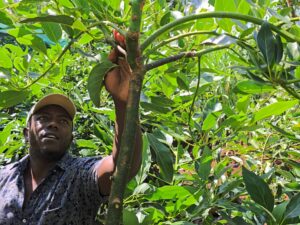
Successful pruning creates a strong tree structure supporting consistent fruit production. Regular maintenance keeps trees at manageable heights, allowing efficient harvesting operations while promoting healthy fruit development through improved air circulation and light penetration.
Harvesting Guidelines for Kenyan Avocados
Successful avocado harvesting requires careful attention to maturity indicators and proper handling techniques. You’ll need to master these visual cues as avocados don’t ripen on trees.
Key Maturity Indicators:
- Color changes from bright to dark green (Hass turns purplish-black)
- Slight loss of skin glossiness
- Development of a yellow tinge near the stem
- Fruit stem begins to turn slightly yellow
- Test fruit feels heavy for its size
Essential Harvesting Tools:
- Picking poles with cutting blades
- Clean, sharp secateurs
- Collection bags or baskets
- Padding materials
- Sturdy ladders
Proper Harvesting Techniques:
- Cut the fruit stem 5-10mm from the fruit body
- Handle fruits gently to prevent bruising
- Avoid pulling or twisting fruits off branches
- Place harvested fruits carefully in padded containers
- Keep harvested fruits in shade
Best Practices:
- Harvest during dry weather conditions
- Start early morning to maintain fruit freshness
- Use clean, sanitized tools
- Sort fruits by size during collection
- Remove damaged fruits immediately
The ideal harvesting time varies by variety – Hass typically takes 9-12 months from flowering to harvest, while Fuerte matures in 7-9 months. Regular monitoring helps determine optimal picking times for your specific variety.
Post-Harvest Handling and Storage Practices
Proper post-harvest handling determines the market value and shelf life of your avocados. Start by sorting your harvested fruits based on size, quality, and maturity levels. Remove damaged, diseased, or misshapen fruits to maintain high-quality standards.
Essential sorting criteria:
- Size classification (small, medium, large)
- Skin appearance (free from blemishes, cuts)
- Shape uniformity
- Maturity stage
Clean your avocados gently with a soft brush to remove dirt and debris. Pack the sorted fruits in single layers within clean, ventilated plastic or wooden crates to prevent bruising during transportation.
Storage temperature requirements:
- Unripe avocados: 5-7°C
- Ripening stage: 15-18°C
- Ripe fruits: 2-4°C
The relative humidity in your storage facility should stay between 85-95%. Monitor temperature regularly using thermometers to prevent cold damage or premature ripening.
Storage duration guidelines:
- Hass variety: 4-6 weeks at optimal conditions
- Fuerte variety: 2-3 weeks at optimal conditions
Create a dedicated ripening room with controlled temperature and ethylene levels for uniform ripening. Use ethylene absorbers in long-term storage areas to slow down the ripening process and extend shelf life.
Remember to handle avocados with care during sorting and packing – pressure points can cause internal bruising that becomes visible only after ripening.
Challenges Facing Avocado Farmers in Kenya
Kenyan avocado farmers face significant hurdles that impact their productivity and profitability. One of the most pressing issues is the widespread availability of uncertified seedlings, which poses a critical challenge. These low-quality planting materials:
- Produce inferior fruits with reduced market value
- Show poor resistance to diseases and pests
- Result in lower yields and shorter tree lifespans
- Take longer to mature and bear fruit
To combat this, it’s essential for farmers to understand what makes a good nursery and seek certified seedlings that can offer better quality and yield.
Disease Management Challenges
Disease management presents another major obstacle. Root rot disease affects many orchards, particularly in areas with poor drainage. Farmers struggle with:
- Limited access to effective fungicides
- High costs of disease control measures
- Insufficient knowledge of proper disease management techniques
Pest Control Issues
The pest situation requires constant vigilance. Common pests include:
- Fruit flies damaging mature fruits
- False codling moths affecting fruit quality
- Thrips causing scarring on developing fruits
- Scale insects weakening tree health
Other Challenges
Additional challenges include:
- Infrastructure limitations: Poor road networks affect fruit transportation
- Market access: Difficulty connecting with premium buyers
- Climate variability: Unpredictable weather patterns affecting flowering and fruit set
- Input costs: Rising prices of fertilizers and pest control products
- Technical knowledge: Limited access to expert guidance and training
- Credit access: Insufficient financing options for small-scale farmers
These challenges require strategic solutions and support from agricultural institutions to ensure sustainable avocado farming in Kenya. For instance, understanding the step-by-step guide to starting an avocado orchard could provide valuable insights for new farmers entering the sector.
Moreover, it’s worth noting that the issues faced by avocado farmers are not unique. Other agricultural sectors, such as [carrot farming](https://royalseedlings.com/carrot-farming-in-kenya-a-profitable-carrot-farmers-guide), watermelon farming, or even arrowroot farming, also encounter similar challenges. Thus, sharing knowledge and resources across different farming sectors could potentially lead to more innovative solutions and improved outcomes for all farmers involved.
Opportunities in Avocado Farming in Kenya
The global avocado market presents lucrative opportunities for Kenyan farmers. Europe’s appetite for Kenyan Hass avocados continues to grow, with countries like the Netherlands, France, and Germany leading the demand. The recent market expansion into China has opened new possibilities for export growth.
Key Market Opportunities:
- Direct export to international markets through licensed exporters
- Supply to local processing companies
- Participation in farmers’ cooperatives for collective marketing
- Contract farming with established buyers
Value Addition Ventures:
- Production of avocado oil for cooking and cosmetics
- Manufacturing of avocado-based beauty products
- Creation of avocado pulp for food processing
- Development of avocado-based animal feeds
The organic avocado sector offers premium pricing opportunities. Certified organic producers can earn up to 30% more compared to conventional farming methods. Local supermarket chains also provide steady demand for high-quality avocados.
Emerging Business Models:
- Nursery establishment for certified seedling production
- Consultancy services for new avocado farmers
- Agricultural tourism focusing on avocado farms
- Cold storage facilities for post-harvest handling
The establishment of avocado processing plants in Kenya has created opportunities for farmers to supply fruits that may not meet export standards but are perfect for processing. These processing facilities provide a reliable market for different avocado grades.
In addition to these opportunities, diversifying into other agricultural areas such as dairy farming could also be beneficial. For instance, a 10-cow dairy farm in Kenya can yield substantial income, providing an additional revenue stream alongside avocado farming.
Success Factors for Sustainable Avocado Farming
Sustainable avocado farming in Kenya requires a strategic combination of key practices that ensure long-term success. Here are the critical success factors for avocado farmers:
1. Variety Selection Based on Location
- Match avocado varieties to specific altitude ranges
- Hass: Thrives at 1,500-2,100m above sea level
- Fuerte: Performs well at 1,000-1,800m
- Consider local market preferences when choosing varieties
2. Quality Planting Materials
- Source grafted seedlings from KEPHIS-certified nurseries
- Verify age of seedlings (9-12 months old)
- Check for healthy root systems and disease-free status
- Request documentation of rootstock variety used
3. Essential Agricultural Practices
- Implement proper soil conservation methods
- Maintain detailed farm records for tracking progress
- Practice crop rotation with compatible intercrops
- Apply integrated pest management strategies
For farmers looking to expand their knowledge and skills, attending a professional avocado farming training session can provide invaluable insights into these essential agricultural practices. Such training sessions often cover a wide range of topics from soil health to pest management strategies, ensuring farmers are well-equipped to manage their farms effectively.
4. Business Management Skills
- Create strong market linkages before production
- Join local farmer groups or cooperatives
- Develop relationships with reliable buyers
- Keep updated on market prices and trends
5. Resource Management
- Install water harvesting systems
- Practice mulching to conserve soil moisture
- Use organic fertilizers when possible
- Maintain buffer zones around water sources
These practices create a foundation for profitable and environmentally responsible avocado farming operations in Kenya’s agricultural zones. However, these principles can also be applied to other forms of agriculture, such as watermelon or pumpkin farming, which may require similar strategies in terms of variety selection, resource management, and business skills.
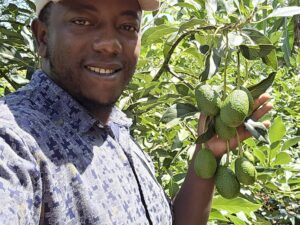
Conclusion
Starting an avocado farming venture in Kenya presents a promising path to agricultural success. With knowledge about suitable varieties, growing conditions, and best practices, you’re well-positioned to join Kenya’s thriving avocado industry. The combination of proper planning, certified seedlings, and strategic farm management creates a solid foundation for your farming journey.
The growing global demand for Kenyan avocados, particularly the Hass variety, signals bright prospects for new farmers. Your success in avocado farming depends on following the guidelines shared in this guide while staying adaptable to market changes and environmental conditions.
Ready to start your avocado farming journey? The time is right to turn your agricultural dreams into reality.
Ready to Start Your Sustainable Avocado Journey?
We offer premium Hass and Fuerte avocado seedlings, backed by our commitment to sustainable farming practices. Our expertise can help you establish or expand your avocado orchard with healthy, high-yielding trees.
Connect with us today:
- 📞 Call: 0711315313
- ✉️ Email: julius.murega@royalseedlings.com
FAQs (Frequently Asked Questions)
What are the most suitable avocado varieties for farming in Kenya?
The most popular commercial avocado varieties grown in Kenya include Hass and Fuerte, which have high market demand both locally and internationally. Other varieties such as Jumbo, Pinkerton, and Reed are also cultivated. Choosing the right variety depends on market preferences and the climatic suitability of your farming location.
What are the ideal growing conditions for avocados in Kenya?
Avocados thrive best at altitudes ranging from 1,000 to 2,100 meters above sea level. The optimal temperature range is between 15°C and 30°C, especially for the Hass variety. Annual rainfall should be between 1,000 and 1,600 mm with well-distributed precipitation. Soils should have good drainage with a suitable pH level to support healthy avocado growth.
Why is it important to use grafted and certified avocado seedlings in Kenya?
Using grafted seedlings aged 9 to 12 months ensures disease resistance and higher yields. Certified seedlings guarantee quality and reduce risks associated with uncertified planting material, such as poor growth and susceptibility to pests and diseases. Quality sourcing of planting material is crucial for successful avocado farming.
What are the recommended planting techniques and spacing guidelines for avocado orchards in Kenya?
For Hass avocados, a spacing of 5 by 5 meters is recommended, while other varieties require wider spacing of about 6 to 8 meters. Aligning orchard rows in a north-south direction maximizes sunlight exposure and improves air circulation, which enhances tree health and fruit production.
How should water management be handled in Kenyan avocado farms?
Regular watering is essential, particularly during flowering and fruit set stages. Drip irrigation systems are highly beneficial as they improve water efficiency and promote tree health by delivering water directly to the root zone while minimizing wastage.
What are common pests and diseases affecting avocados in Kenya, and how can they be managed?
Common pests include fruit flies, thrips, false codling moths, and scales. Major diseases affecting avocados are root rot, anthracnose, Cercospora fruit spot, and scab. Effective pest and disease management involves integrated approaches such as timely monitoring, use of resistant varieties, proper sanitation, and application of suitable control measures based on expert guidance.