

Let’s learn about Harvesting and Post-Harvest Handling of Hass Avocados. Hass avocados are the most popular avocado variety in the world. They are widely loved for their rich, creamy texture and long shelf life. These high-quality fruits have gone from being a local delicacy to a billion-dollar international commodity, boosting economies in major producing regions like Mexico, California, Peru, and Kenya.
The success of Hass avocados in the market relies on two key factors:
- Precise harvesting timing – picking fruit at optimal maturity
- Expert post-harvest handling – maintaining fruit quality from farm to consumer
The journey of your Hass avocados from tree to table requires specialized knowledge and careful attention to detail. The unique ripening characteristics of the fruit require specific handling protocols – they mature on the tree but only ripen after being picked, posing unique challenges for growers and distributors.
Getting these processes right is crucial in determining whether your avocados reach consumers in perfect condition or face quality issues that significantly reduce their market value. It’s not just good practice; it’s essential for success in the competitive avocado industry.
However, it’s important to note that the expertise required for successful avocado farming is not limited to this crop alone. For instance, onion farming in Kenya, which is another significant agricultural venture in the country, also demands precise knowledge about harvesting and post-harvest handling. Similarly, garlic farming in Kenya, sorghum farming, and sugarcane farming all require a deep understanding of their respective agricultural practices to ensure optimal yield and quality.
Understanding Avocado Maturity and Ripening
Hass avocados have a special feature: they mature on trees but ripen after being picked. Knowing the difference between maturity and ripening is essential for successful commercial production.
Maturity vs. Ripening:
- Maturity: The developmental stage when fruit can ripen properly after harvest
- Ripening: The process of softening and becoming ready for consumption
Critical Maturity Indices
The harvest-ready status of Hass avocados depends on specific measurable factors:
- Dry Matter Content: ≥21%
- Oil Content: ~8%
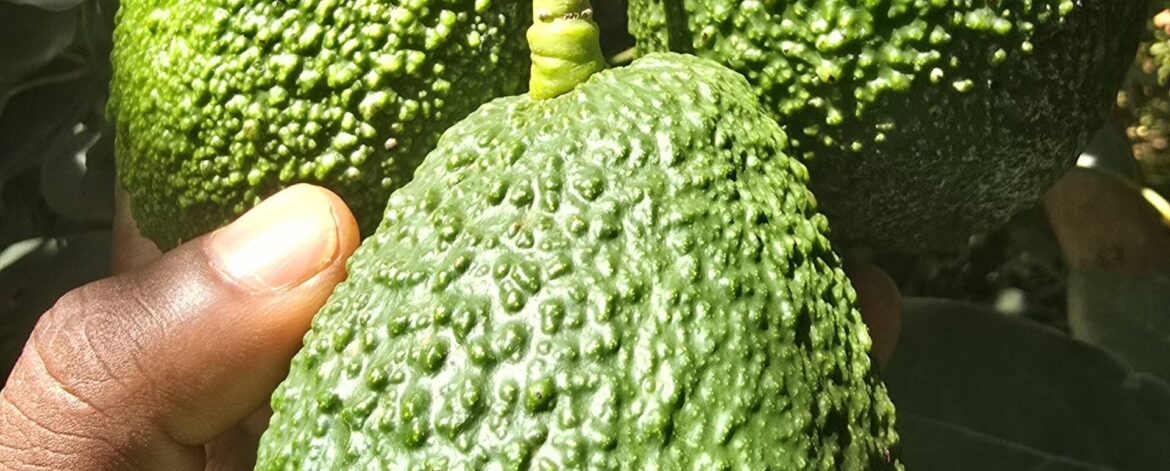
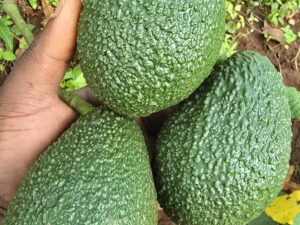
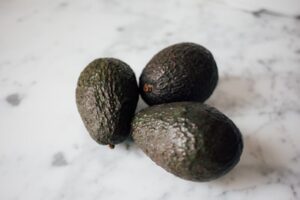
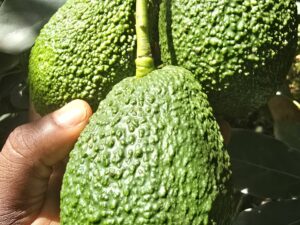
- Skin Color: Dark green, slightly rough texture
- Size: Minimum industry standard weight
These factors are reliable indicators for determining the best time to harvest. If fruit is picked before reaching these levels, it won’t ripen properly and may develop uneven textures or flavors.
Harvest Timing Factors
Several environmental and agricultural conditions influence the ideal harvest window:
- Seasonal Impact
- Spring harvest: Slower maturation
- Summer harvest: Accelerated ripening
- Fall harvest: Optimal oil content development
- Climate Effects
- Temperature fluctuations affect dry matter accumulation
- Rainfall patterns influence fruit size
- Humidity levels impact skin quality
- Varietal Considerations
- Early-season varieties mature faster
- Mid-season varieties require longer maturation
- Late-season varieties need extended growing periods
Professional growers monitor these factors through regular testing and sampling to determine the perfect harvest window for their specific growing conditions. For aspiring commercial fruit growers in Muranga County, training opportunities are available to help navigate these complexities.
Moreover, if you’re considering diversifying your farming portfolio, you might want to explore sweet potato farming, or even coriander farming in Kenya. Additionally, if you’re interested in starting an avocado orchard, this step-by-step guide could be beneficial.
Harvesting Techniques for Optimal Quality
Hand harvesting remains the primary method for collecting Hass avocados, requiring skilled workers to ensure fruit quality and tree preservation. You’ll need specific tools and techniques to achieve optimal results:
Essential Harvesting Tools:
- Hydraulic ladders for reaching high branches
- Picking poles with cutting blades
- Collection bags or baskets
- Sharp pruning shears
- Protective gloves
The harvesting process starts with identifying the largest fruits on the tree. These mature avocados typically measure 170-269 grams and display a slightly duller skin appearance compared to immature fruit.
Proper Harvesting Steps:
- Position the hydraulic ladder securely against the tree
- Clip fruits with a short stem (1/4 inch) using pruning shears
- Place harvested avocados gently in collection bags
- Transfer fruit carefully to field bins
When using picking poles for higher branches, attach a catching bag beneath the cutting mechanism to prevent fruit drops. The pole’s blade should be sharp and clean to create clean cuts without damaging the fruit stem.
Key Harvesting Tips:
- Handle fruit with care to prevent bruising
- Avoid pulling or twisting fruits from branches
- Keep harvested avocados in shade immediately
- Pick during early morning hours
- Clean tools regularly to prevent disease spread
Professional pickers typically harvest in sections, moving systematically around the tree from bottom to top. This methodical approach ensures thorough coverage and prevents missed fruit while maintaining efficient picking rates of 1,000-1,500 pounds per day per worker.
While Hass avocado harvesting is quite specialized, some of these techniques can also be applied in other agricultural practices such as wheat farming, maize farming, or even carrot farming in Kenya. Understanding the seasonal planting calendar for various fruit seedlings can also enhance your overall farming strategy, which you can learn more about here.
Post-Harvest Handling Practices to Maintain Freshness
Proper cleaning of Hass avocados after harvest plays a vital role in maintaining fruit quality and preventing post-harvest diseases. The cleaning process starts with a gentle brush cleaning system that removes:
- Field dirt
- Debris
- Plant residues
- Surface contaminants
The most effective cleaning method uses rotating brushes with soft bristles, combined with a light water spray. This system ensures thorough cleaning without damaging the delicate skin of the avocados.
After cleaning, the fruit undergoes a rigorous sorting process based on specific quality criteria:
Size Classification
- Extra Large: >250g
- Large: 200-250g
- Medium: 150-200g
- Small: <150g
Quality Parameters
- Shape uniformity
- Skin texture
- Color consistency
- Stem condition
Defect Assessment
- Sunburn damage
- Scarring
- Wind rub marks
- Insect damage
- Mechanical injuries
- Disease symptoms
Professional graders inspect each fruit individually, placing them into appropriate quality categories. Grade 1 avocados must be free from significant defects and maintain the characteristic pear shape of Hass variety. Grade 2 allows minor skin blemishes that don’t affect internal quality.
The sorting area requires bright, uniform lighting to ensure accurate defect detection. Temperature control in the grading area helps prevent premature ripening during the sorting process. Trained personnel wear clean gloves and handle fruit carefully to prevent additional mechanical damage during the inspection process.
These post-harvest practices are not only crucial for avocados but also apply to other agricultural products. For instance, in Kienyeji chicken farming, proper handling and care post-harvest can significantly influence the overall quality and market value of the poultry. Similarly, passion fruit farming and arrowroot farming in Kenya also require meticulous post-harvest handling to maintain product quality. Even in grape farming, similar principles apply where careful handling post-harvest is essential for preserving freshness and quality.
Pre-Cooling Methods to Preserve Quality During Storage
Pre-cooling is a crucial step in keeping Hass avocados fresh after they are harvested. By quickly removing heat from the fruit, we can extend its shelf life and increase its market value.
Benefits of Temperature Management:
- Slows down the fruit’s breathing process by 50-75%
- Reduces the production of ethylene gas
- Slows down the breakdown of enzymes
- Keeps the fruit firm
- Preserves its nutritional value
The Best Cooling Method for Hass Avocados: Freeze-Blast Cooling
Freeze-blast cooling is the best method for cooling Hass avocados. It involves blowing cold air onto the fruit at temperatures between -2°C to 0°C for 8-12 hours. This process lowers the avocado’s internal temperature to an ideal range of 6-7°C while keeping humidity levels high at 90-95%.
Steps for Freeze-Blast Cooling:
- Place harvested avocados in single layers
- Position fruit in cooling chambers
- Apply cold air circulation
- Monitor core temperature
- Remove once target temperature reached
Timing Matters: When to Pre-Cool for Best Results
When it comes to preserving avocados, timing is everything. To get the best results, make sure to start the cooling process within 4-6 hours after harvesting. This timeframe helps prevent moisture loss and reduces the chances of any physiological disorders in the fruit.
Key Temperature Monitoring Points:
- Field temperature: 20-30°C
- Target pulp temperature: 6-7°C
- Cooling chamber temperature: -2°C to 0°C
- Relative humidity: 90-95%
Alternative Method: Room Cooling
Room cooling is another option, but it takes longer (24-48 hours) to reach the desired temperatures. This extended cooling time can lead to a decline in quality and shorter shelf life compared to freeze-blast cooling.
Interestingly, similar principles of [temperature management](https://royalseedlings.com/the-role-of-tissue-culture-in-banana-seedling-production) apply in other agricultural practices, such as banana seedling production through tissue culture, where pre-cooling and proper temperature control are also crucial for maintaining quality during storage and transport.
Optimal Storage Conditions for Extended Shelf Life
Storage temperature plays a critical role in maintaining avocado quality and extending shelf life. The specific temperature requirements differ based on the fruit’s ripening stage:
For Mature-Green Avocados:
- Temperature range: 5-13°C (41-55°F)
- Relative humidity: 85-95%
- Storage duration: Up to 4 weeks
- Benefits: Delays natural ripening process
- Risk management: Minimizes potential chilling injury
For Ripe Avocados:
- Temperature range: 2-4°C (36-39°F)
- Relative humidity: 90-95%
- Storage duration: 5-7 days
- Benefits: Slows down further ripening
- Risk management: Reduces decay development

The storage environment requires precise control beyond temperature. Controlled atmosphere storage enhances preservation through:
- Reduced oxygen levels (2-5%)
- Elevated CO2 levels (3-10%)
- Ethylene removal systems
- Regular air circulation
- Minimal temperature fluctuation
These conditions work together to:
- Slow down metabolic processes
- Reduce respiration rates
- Minimize moisture loss
- Maintain fruit firmness
- Preserve nutritional value
Monitoring systems should track temperature and humidity levels continuously. Any deviation from optimal conditions can trigger premature ripening or quality deterioration. Regular checks help identify potential issues before they affect fruit quality.
Recognizing and Managing Postharvest Challenges
Chilling injury poses a significant threat to Hass avocados during storage and transportation. You can identify chilling injury through these distinct symptoms:
- Dark skin discoloration or blackening
- Surface pitting and scalding
- Gray pulp discoloration
- Internal vascular browning
- Development of pulp spots
The severity of chilling injury increases with longer exposure to low temperatures and can accelerate fruit deterioration. Maintaining proper temperature control throughout the supply chain helps prevent these issues.
Common Postharvest Diseases and Control Strategies
Anthracnose
- Implement strict orchard sanitation practices
- Apply approved fungicides before harvest
- Remove infected fruit during sorting
- Maintain dry fruit surfaces during storage
Stem-End Rot Prevention
- Clip stems with clean, sharp tools
- Leave a short corky stem attached
- Apply copper-based fungicides
- Keep storage areas sanitized
Effective Disease Management Practices
- Regular inspection of stored fruit
- Proper air circulation in storage facilities
- Quick removal of affected fruit
- Sanitization of handling equipment
- Maintenance of optimal humidity levels (85-95%)
Successful disease management requires an integrated approach combining preventive measures and careful monitoring. Training harvest workers in proper handling techniques reduces mechanical damage that can lead to disease development. Implementing these control measures significantly reduces postharvest losses and maintains fruit quality through the supply chain.
Packaging Standards for Transport and Marketing Success
Proper grading and packaging standards play a vital role in maintaining Hass avocado quality during transport and market distribution. The grading criteria follow strict industry standards to ensure consistent quality across shipments.
Quality Grading Categories:
- Premium Grade: Uniform shape, unblemished skin, stem intact
- Grade 1: Minor skin imperfections, good shape consistency
- Grade 2: Visible but superficial defects, varied shapes
- Processing Grade: Irregular shapes, surface marks suitable for pulp production
Size Classification:
- Extra Large: >250g
- Large: 200-250g
- Medium: 150-200g
- Small: <150g
The packaging design must protect avocados during refrigerated transport while allowing proper ventilation. Industry-approved packaging options include:
Single-Layer Trays:
- Molded fiber trays with individual fruit cells
- Protective foam mesh sleeves for premium grades
- Maximum 4kg capacity per tray
Bulk Containers:
- Ventilated plastic crates (10-15kg capacity)
- Corrugated cardboard boxes with reinforced corners
- Wooden crates with cushioning material
Each package requires specific labeling:
- Variety name (Hass)
- Grade classification
- Size category
- Net weight
- Packer identification
- Harvest date
- Country of origin
- Storage temperature requirements
The packaging must maintain structural integrity under cold chain conditions and stack safely during transport. Proper air circulation between packages prevents heat buildup and maintains consistent temperature throughout the shipment.
These principles of packaging and transport are not only applicable to avocados but can also be extended to other agricultural products such as watermelons. For instance, if you’re interested in learning about watermelon farming in Kenya, the same meticulous attention to grading, sizing, and packaging would apply to ensure the fruits maintain their quality during transport and reach the market successfully.
Transportation Best Practices to Preserve Avocado Quality
The success of Hass avocado delivery depends on keeping the temperature just right throughout the entire transportation process. Refrigerated transport is essential for maintaining quality, with specific temperature requirements for different stages of avocado ripeness.
Key practices for successful avocado transportation:
- Pre-cool trucks to target temperature before loading
- Position pallets to allow proper air circulation
- Install temperature monitoring devices in multiple locations
- Use insulated truck walls and doors to prevent temperature fluctuations
- Schedule deliveries during cooler hours
- Plan direct routes to minimize transit time
Drivers need specific training in:
- Temperature monitoring protocols
- Emergency response procedures
- Loading/unloading best practices
- Documentation requirements
Maintaining the cold chain is crucial, which means continuously monitoring the temperature from the farm all the way to the retail destination. If there are any breaches in temperature, it can lead to premature ripening or loss of quality. With modern GPS-enabled monitoring systems, we can track the temperature in real-time and take immediate action if any deviations occur.
While these practices are vital for avocados, similar best practices can also be applied to other agricultural products like pumpkins to ensure their quality during transportation.
Conclusion
Successful Hass avocado production depends on mastering both harvesting and post-harvest handling techniques. Each step – from determining optimal maturity to maintaining proper storage temperatures – plays a vital role in delivering premium quality fruit to consumers.
The journey of a Hass avocado from tree to table requires:
- Precise harvest timing based on dry matter content
- Gentle handling to prevent mechanical damage
- Strategic pre-cooling methods
- Controlled storage conditions
- Uninterrupted cold chain maintenance
However, the foundation of this journey lies in the quality of the seedlings used. This is where understanding the benefits of grafted fruit seedlings becomes crucial. Grafted seedlings often yield better results due to their enhanced growth and disease resistance.
Moreover, proper training is essential for any aspiring avocado farmer. A professional avocado farming training session can provide valuable insights into best practices for cultivation, harvesting, and post-harvest handling.
Ready to Start Your Avocado Growing Journey?
We offer certified Hass and Fuerte avocado seedlings, backed by expert support throughout your cultivation process. Our team provides:
- Technical guidance on harvesting techniques
- Post-harvest handling protocols
- Storage optimization strategies
- Market access support
Your success in avocado farming starts with quality seedlings and expert knowledge. But remember, successful farming isn’t just about growing plants; it’s also about managing them effectively. For instance, understanding how to prevent pest infestations in young orchards naturally can save you a lot of trouble down the line.
Ready to start your avocado farming journey? Royal Seedlings offers certified Hass and Fuerte avocado seedlings to match your farming needs. Our team provides expert guidance to help you make an informed choice for your specific situation.
Get Started Today:
- Call us: 0711315313
- Email: julius.murega@royalseedlings.com
Partner with Royal Seedlings for quality avocado seedlings and unlock your farm’s potential.
FAQs (Frequently Asked Questions)
What are the key indicators for determining the optimal harvest time for Hass avocados?
The optimal harvest time for Hass avocados is determined by critical maturity indices, including a dry matter content of at least 21% and an oil content of approximately 8%. Factors such as variety, season, and climate also influence the timing to ensure commercial harvest readiness.
Which harvesting techniques are recommended to maintain the quality of Hass avocados?
Recommended harvesting techniques for Hass avocados include manual hand harvesting using picking aids like hydraulic ladders and poles. Harvesting the largest fruit first is a strategic approach to maximize yield and maintain optimal fruit quality.
How should Hass avocados be handled post-harvest to preserve freshness?
Post-harvest handling involves proper cleaning methods, such as using rotating brushes to remove dirt and field residues. Additionally, sorting avocados based on shape, size, visible defects, insect damage, mechanical injury, and diseases is essential to maintain freshness and quality.
What pre-cooling methods are effective in preserving Hass avocado quality during storage?
Rapid removal of field heat after harvest is crucial to slow down respiration and ethylene production. Freeze-blast cooling is the preferred pre-cooling method for Hass avocados, effectively preserving their quality during storage.
What are the optimal storage conditions for extending the shelf life of Hass avocados?
Mature-green Hass avocados should be stored at temperatures between 5-13°C to delay ripening while avoiding chilling injury. Ripe fruit require cooler storage temperatures ranging from 2-4°C to maintain freshness without causing damage.
How can postharvest challenges like chilling injury and diseases be managed in Hass avocados?
Chilling injury symptoms should be recognized early to prevent quality loss. Managing common postharvest diseases such as anthracnose and stem-end rot involves implementing appropriate control strategies during storage and handling to ensure premium quality fruit.